You've just finished brushing, flossing, and even used mouthwash, rigorously following every piece of conventional wisdom for oral hygiene. Yet, as you prepare for that crucial meeting or an intimate conversation, a familiar, nagging doubt creeps in. Does your breath truly smell fresh? That persistent uncertainty, the constant check, the subtle self-consciousness – it's a silent burden for many, despite their diligent efforts. The quest for truly fresh breath can feel like an unending battle, leaving one wondering if their efforts are genuinely making a difference, or merely masking a deeper, more elusive problem.
E.g. :Does Teeth Cleaning Widen Gaps – Tartar Removal Reveals What Was Hidden
- 1、Beyond the Brush: Understanding Halitosis Roots
- 2、The Culprits Within: Oral Factors You Might Be Missing
- 3、When Your Body Whispers: Systemic Causes of Persistent Odor
- 4、Debunking Fresh Breath Myths: What Doesn't Work (and Why)
- 5、Your Path to Lasting Freshness: A Holistic Approach
- 6、FAQs
For too long, bad breath—medically known as halitosis—has been oversimplified, often dismissed as a mere lapse in oral hygiene. But for those experiencing persistent, chronic halitosis, the answer is rarely that straightforward. Could it be that the relentless brushing and strong mouthwashes are not only failing to deliver lasting relief but might, in some cases, be diverting attention from the true origins of the odor? The surprising truth is that while oral hygiene is fundamental, the roots of lasting halitosis often extend far beyond the toothbrush and floss, sometimes originating in unexpected corners of our body or even in our daily habits. Understanding these underlying mechanisms is the first step toward a genuine, lasting solution.
Beyond the Brush: Understanding Halitosis Roots
The vast majority of bad breath originates in the mouth, primarily due to the metabolic activities of bacteria. These microorganisms feast on food particles and dead cells, producing Volatile Sulfur Compounds (VSCs) such as hydrogen sulfide and methyl mercaptan, which are notoriously foul-smelling. However, what makes some individuals more prone to persistent halitosis isn't just the presence of these bacteria, but the conditions that allow them to thrive and produce VSCs unchecked.
The Biofilm Battleground
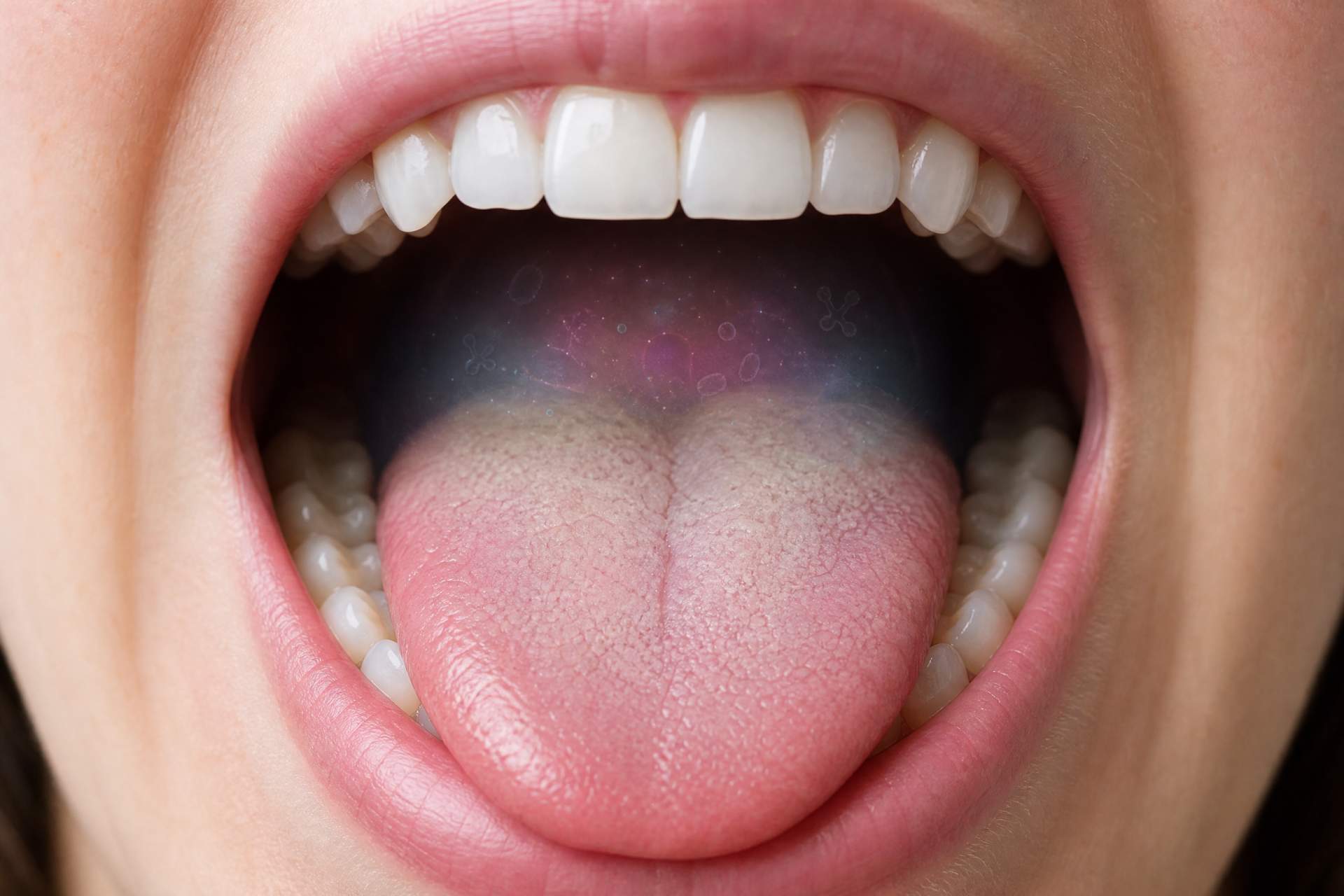
Oral bacteria don't just float freely; they organize into complex communities called biofilms, commonly known as plaque. These biofilms are remarkably resilient and can harbor anaerobic bacteria (those that thrive without oxygen) in deeper layers, particularly on the tongue's rough surface, between teeth, and under the gum line. A thick tongue coating, for instance, can be a major reservoir for VSC-producing bacteria. Research consistently shows that effective tongue cleaning can significantly reduce VSC levels. According to a study published in the Journal of Periodontology, regular tongue scraping can reduce overall bacterial load and VSC production by a substantial margin.

The Culprits Within: Oral Factors You Might Be Missing
Even with meticulous brushing and flossing, certain oral conditions can create an environment ripe for bad breath, making standard hygiene efforts less effective.
Gum Disease and Dental Decay
Unbeknownst to many, the silent progression of gum disease (gingivitis or periodontitis) is a leading cause of persistent bad breath. As gum tissue becomes inflamed and detaches from the teeth, it creates "pockets" where food debris and bacteria accumulate, protected from brushing and flossing. These deep pockets become anaerobic havens for VSC-producing bacteria. Similarly, untreated dental decay, especially large cavities, can trap food particles and bacteria, leading to localized odor production. Dental research consistently links periodontal disease to elevated VSC levels, emphasizing the need for professional dental intervention.
Dry Mouth (Xerostomia)
Saliva is nature's mouthwash. It helps rinse away food particles, neutralizes acids, and contains antimicrobial agents. When saliva flow is reduced – a condition known as xerostomia or dry mouth – the mouth's natural cleansing mechanism is compromised. This allows bacteria to multiply unchecked, leading to increased VSC production. Dry mouth can be caused by various factors, including certain medications (antihistamines, decongestants, antidepressants), mouth breathing, Sjögren's syndrome, and even dehydration. Recognizing and addressing dry mouth is crucial for achieving lasting fresh breath.
When Your Body Whispers: Systemic Causes of Persistent Odor
While most bad breath originates in the mouth, a significant minority of cases stem from conditions outside the oral cavity. These systemic causes are particularly challenging because they won't respond to even the most diligent oral hygiene.
Nasal and Throat Conditions
Post-nasal drip, sinus infections, chronic tonsillitis, and even common colds can contribute to bad breath. Mucus dripping down the back of the throat provides a rich protein source for bacteria, which then break it down into foul-smelling compounds. Tonsil stones (tonsilloliths), small calcified formations in the tonsil crypts, are particularly notorious for trapping bacteria and producing a strong, unpleasant odor. Medical professionals often point to these conditions as common extra-oral sources of halitosis.
Gastrointestinal and Other Health Issues
Though less common than oral or nasal causes, certain systemic conditions can manifest as bad breath. Gastroesophageal Reflux Disease (GERD), for example, can cause stomach acids and partially digested food particles to reflux into the esophagus and mouth, leading to an acidic or sour odor. Liver or kidney disease, diabetes (especially uncontrolled), and certain metabolic disorders can also produce distinct breath odors due to the accumulation of specific chemicals in the bloodstream that are then exhaled through the lungs. For instance, uncontrolled diabetes can lead to "ketosis," giving the breath a distinct fruity or acetone-like smell.
Debunking Fresh Breath Myths: What Doesn't Work (and Why)
In the quest for fresh breath, many turn to quick fixes that, unfortunately, often fall short or even exacerbate the problem. It's time to challenge some widely held beliefs.
The Limits of Mouthwash
While an antiseptic mouthwash can temporarily kill odor-causing bacteria, many over-the-counter mouthwashes contain alcohol. Alcohol can dry out the mouth, paradoxically worsening halitosis in the long run by reducing saliva flow. Furthermore, most mouthwashes don't penetrate deep into biofilms or address underlying issues like gum disease or dry mouth. They offer a superficial, temporary masking effect rather than a lasting solution. Studies indicate that while some specialized mouthwashes can be beneficial, their effect is often short-lived if the primary cause of halitosis isn't addressed.
Chewing Gum: A Temporary Distraction
Chewing gum stimulates saliva production, which can temporarily rinse away some odor-causing bacteria and food particles. However, it doesn't clean the tongue or address deep-seated oral issues. It's a quick fix for a fleeting moment, not a strategy for enduring fresh breath. For someone like "Mark," who constantly chewed gum to cover his breath, he realized it only delayed the inevitable realization that his breath still wasn't truly fresh, and he needed a more comprehensive approach.
Your Path to Lasting Freshness: A Holistic Approach
Achieving truly fresh breath requires a comprehensive and personalized strategy that looks beyond superficial fixes and addresses the root causes.
Revisit Your Oral Hygiene Ritual
Start with the fundamentals:
- Thorough Brushing: Brush twice daily for two minutes with fluoride toothpaste, paying attention to all tooth surfaces and the gum line.
- Daily Flossing: Crucial for removing plaque and food particles from between teeth and below the gum line, areas a toothbrush can't reach.
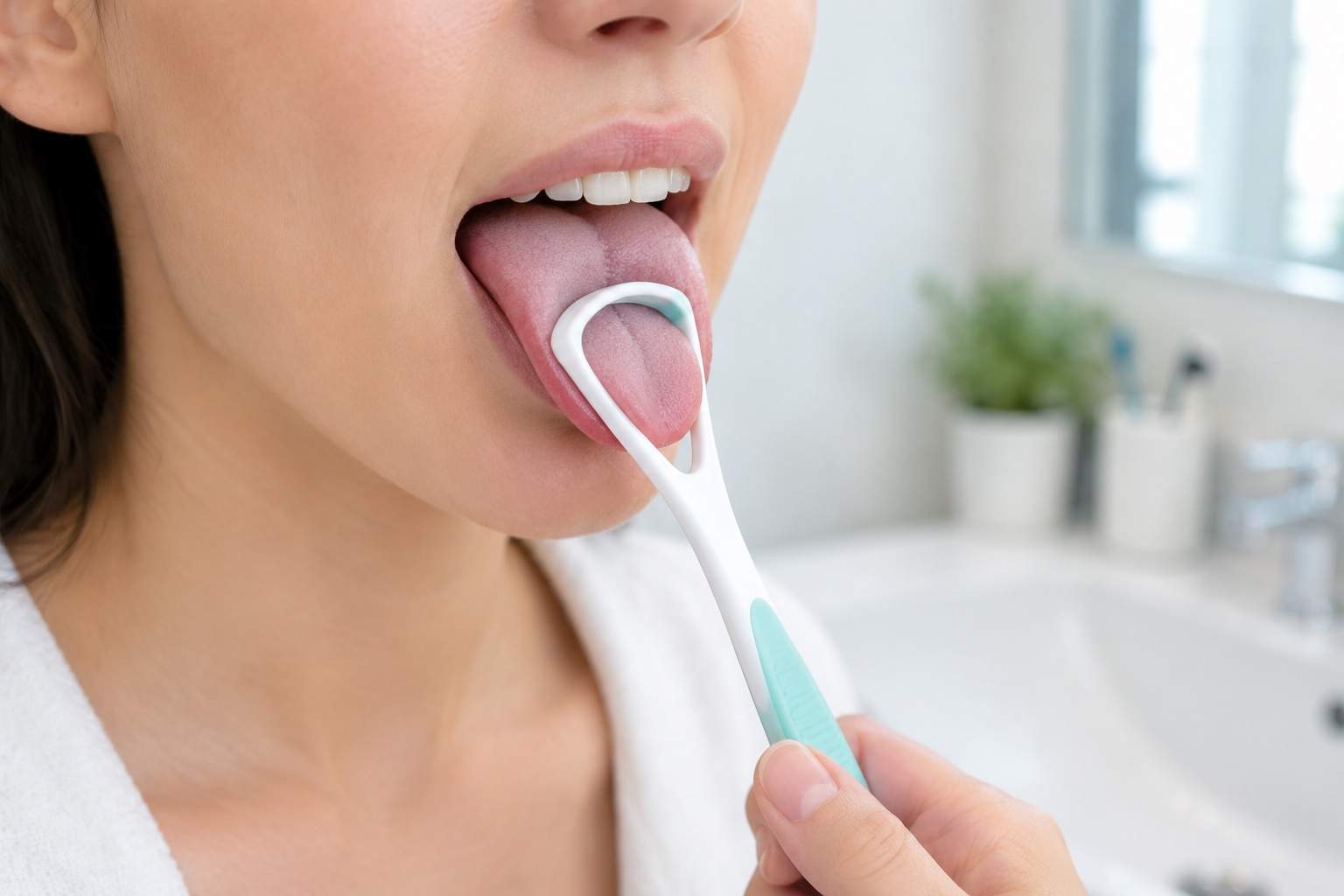
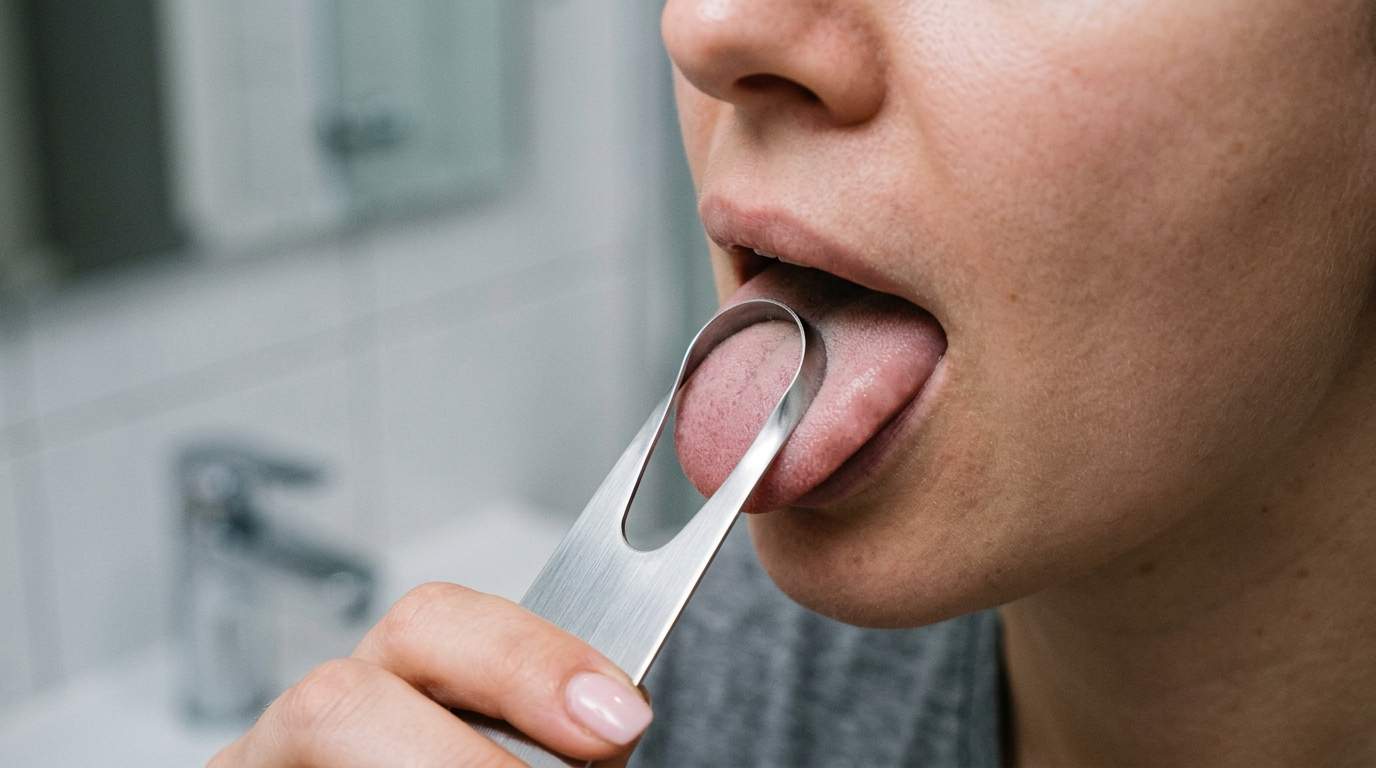
- Tongue Cleaning: Incorporate a tongue scraper into your daily routine. This is arguably one of the most impactful yet overlooked steps for reducing oral VSCs. Gently scrape from back to front several times.
- Regular Dental Check-ups: Visit your dentist and hygienist at least twice a year. They can identify and treat dental decay, gum disease, and assess other oral factors contributing to halitosis.
Lifestyle Adjustments and Dietary Awareness
What you put into your body, and how you live, profoundly impacts your breath:
- Stay Hydrated: Drink plenty of water throughout the day to support saliva production.
- Dietary Choices: Limit consumption of strong-smelling foods like garlic and onions, and be mindful of high-sugar diets that feed odor-producing bacteria. Opt for crunchy fruits and vegetables which can naturally help clean teeth and stimulate saliva.
- Manage Dry Mouth: If medication is the cause, consult your doctor about alternatives. Use sugar-free gum or lozenges, and consider over-the-counter saliva substitutes.
- Quit Smoking: Smoking significantly contributes to bad breath, gum disease, and dry mouth.
When to Seek Professional Guidance
If, despite diligent oral hygiene and lifestyle adjustments, your bad breath persists, it's essential to seek professional help. A dental professional can conduct a thorough examination to rule out or treat oral causes like advanced gum disease or deep cavities. If no oral cause is found, they can refer you to a medical doctor to investigate potential systemic issues. This collaborative approach between dental and medical professionals is often the most effective route to uncovering and treating the surprising science behind lasting halitosis. Embracing this journey with patience and an open mind is key to finally achieving the lasting fresh breath you deserve.