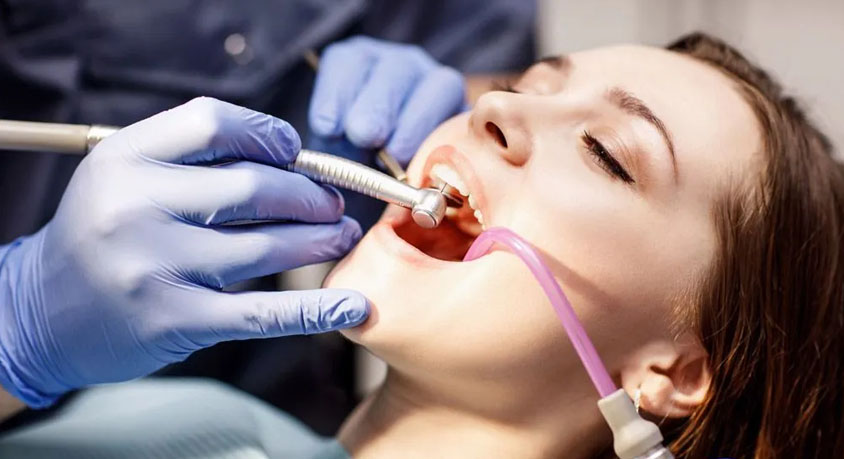
You finally go for a professional teeth cleaning after years of avoiding it. The hygienist scales and polishes. You leave with a smooth, fresh feeling.
E.g. :Are Your Teeth Getting Shorter? Why Bruxism and Acidic Drinks Team Up to Wear Down Enamel
- 1、The “New Gaps” Illusion: What Actually Changed
- 2、Why Your Gums Bleed More After Cleaning
- 3、The Real Culprit of Widening Gaps: Untreated Gum Disease
- 4、The “Tartar Shield” Myth: Why Calculus Harms More Than It Helps
- 5、What Normal Healing Looks Like After a Deep Cleaning
- 6、Why You Need to Keep Cleaning Between Teeth After Tartar Removal
- 7、FAQs
Then you run your tongue along your lower front teeth. Something feels different. There are gaps. Spaces you never noticed before. You look in the mirror and panic: did the cleaning push my teeth apart?
That thought stops millions of people from ever getting another cleaning. And it’s based on a complete misunderstanding of what was already inside your mouth.
The “New Gaps” Illusion: What Actually Changed
Before cleaning, your teeth were covered in hardened tartar (calculus). Tartar builds up between teeth and along the gumline. It acts like mortar, filling spaces and making teeth look closer together.
When the hygienist removes that tartar, the natural spaces between your teeth reappear. Those gaps were always there. You just couldn’t feel them through the crusty buildup.
A 2018 study in the Journal of Clinical Periodontology photographed patients’ lower front teeth before and after scaling. After tartar removal, the visible gap width increased by an average of 0.3–0.5mm. But the actual bone and tooth positions hadn’t moved. The calculus was simply gone.
Why Your Gums Bleed More After Cleaning
Many people also notice bleeding after a deep cleaning. They assume the hygienist damaged their gums.
The opposite is true. Bleeding after scaling means inflamed tissue is finally healing. Before cleaning, tartar acted as a rough, bacteria-covered surface. Your gums were chronically inflamed but too swollen to bleed easily. Removing the irritant triggers an inflammatory flush—then healing begins.
Within one to two weeks, bleeding stops. Gums tighten around the teeth. The “loose” feeling you may have immediately after cleaning fades as healthy tissue reattaches.
The Real Culprit of Widening Gaps: Untreated Gum Disease
If you truly have larger gaps after cleaning—meaning spaces that grow over months, not right after the appointment—those are caused by periodontitis, not the cleaning itself.
Periodontitis destroys the bone that holds teeth in place. As bone dissolves, gums recede, and teeth drift apart. Tartar buildup accelerates this bone loss. Regular cleaning prevents it.
A 2020 longitudinal study followed 1,000 adults over 10 years. Those who had professional cleanings at least once every 18 months had 0.2mm average increase in interdental gaps. Those who never had cleanings had 1.4mm average increase—seven times more. The cleaning didn’t cause gaps; it prevented them.
The “Tartar Shield” Myth: Why Calculus Harms More Than It Helps
Some people believe tartar acts as a protective shield for teeth. They think removing it exposes soft, vulnerable roots.
This is dangerously wrong. Tartar is not a shield—it’s a porous, bacteria-filled deposit. It provides no structural support. It actively destroys the attachment between gum and tooth. Underneath tartar, bone is silently eroding.
Removing tartar doesn’t create new problems. It stops old ones from progressing. The exposed root surfaces may be sensitive for a few days, but they are healthier without a layer of bacteria.
What Normal Healing Looks Like After a Deep Cleaning
First 24–48 Hours
- Gums may feel sore, bleed slightly when flossing.
- Teeth may feel “loose” or “taller” (inflammation gone).
- Cold sensitivity is common.
One Week
- Bleeding stops.
- Gums appear pinker and firmer.
- Sensitivity fades.
One Month
- Gaps may appear slightly larger as swelling fully resolves.
- Teeth feel stable again.
If pain or bleeding continues beyond two weeks, see your dentist. You may need additional treatment for periodontitis.
Why You Need to Keep Cleaning Between Teeth After Tartar Removal
Once tartar is gone, you can’t go back to old habits. Your cleaning revealed natural gaps. Those gaps will trap food and plaque just like any other space.
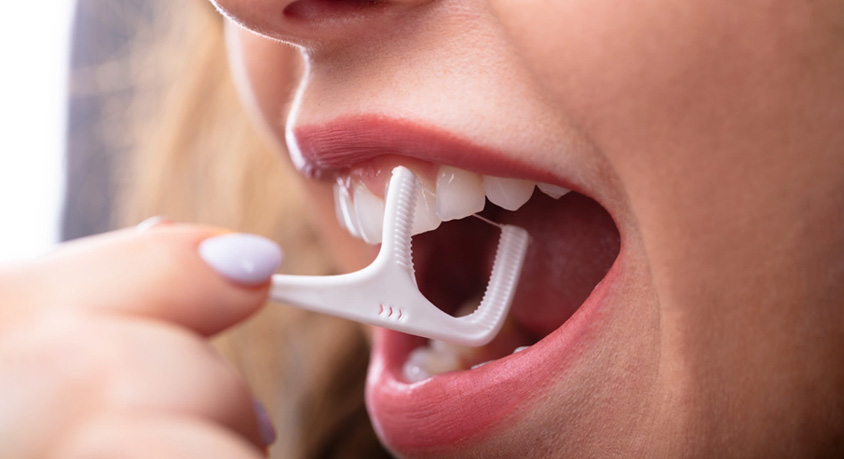
Use an interdental brush or floss daily. A water flosser on low pressure helps flush debris from newly exposed areas.
A 2019 study in the Journal of Dental Hygiene followed patients after scaling. Those who used interdental brushes daily had 80% less new tartar formation at six months compared to those who brushed only. The gaps didn’t fill with calculus—they stayed clean and healthy.
FAQs
Q: My teeth feel loose after cleaning. Is that permanent?
A: No. The “loose” feeling is usually because tartar previously splinted teeth together. Once the solid buildup is gone, each tooth moves independently within its natural ligament. This is normal. Over a few weeks, gums reattach and the feeling resolves. If teeth are truly mobile (wiggle visibly), you may have advanced bone loss that needs periodontal treatment.
Q: Can I remove tartar at home to avoid “gaps”?
A: No. Home tartar removal using metal picks or nail files is extremely dangerous. You will gouge enamel, damage gums, and often leave behind rough surfaces that attract even more bacteria. Gaps you “create” at home are real enamel loss, not just calculus removal. Professional scaling is safe and precise.
Q: How often should I get a professional cleaning to keep gaps from widening?
A: For people with healthy gums, once every 12 months is sufficient. For those with a history of periodontitis or heavy tartar buildup, every 6 months. Your dentist can recommend an interval based on your calculus formation rate. More frequent cleaning does not widen gaps—it preserves them.