That groggy moment just after waking, when a familiar, unwelcome sensation settles in your mouth. You might instinctively cover your mouth, perhaps even before your feet have touched the floor or the first sip of coffee has been brewed. It's a universal experience for many, this "morning breath," that stale taste and odor that seems to defy even the most rigorous nightly dental routine. You brush diligently twice a day, floss every evening, and even swish with mouthwash, yet the embarrassing reality persists, leaving you to wonder if your efforts are truly making a difference. Could the very habits you rely on for fresh breath actually be missing a crucial piece of the puzzle, or perhaps, inadvertently contributing to the problem?
E.g. :Tongue Coating Isn’t Harmless – How a Tongue Scraper Stops Halitosis
- 1、The Science Behind Morning Breath: Why Our Mouths Become a Microbial Metropolis
- 2、Beyond Brushing: Unmasking the Limitations of Standard Oral Hygiene
- 3、Halitosis Treatment Strategies: A Deeper Dive into Freshness
- 4、Rethinking Your Routine: Towards an Effective Oral Hygiene Routine
- 5、When to Seek Professional Guidance
- 6、FAQs
The Science Behind Morning Breath: Why Our Mouths Become a Microbial Metropolis
To unravel the mystery of morning breath, we must first understand its origins. Our mouths are bustling ecosystems, home to hundreds of species of bacteria. While many are beneficial, some thrive in anaerobic (oxygen-poor) environments and are responsible for producing volatile sulfur compounds (VSCs), the primary culprits behind unpleasant odors.
The Night Shift: Bacteria's Feast
During the day, saliva acts as a natural cleanser, washing away food particles and bacteria, and its oxygen content helps inhibit the growth of anaerobic bacteria. However, when we sleep, salivary flow significantly decreases. This reduction creates an ideal breeding ground for these odor-producing microbes, particularly those residing on the tongue's surface, between teeth, and along the gum line. Research indicates that the tongue, with its numerous papillae, acts as a primary reservoir for these bacteria and accumulated food debris. A study published in the Journal of Dental Research highlighted the tongue's role, noting that bacterial populations can be significantly higher on its dorsal surface.
Dry Mouth: The Unsung Culprit
Beyond reduced salivary flow during sleep, certain factors can exacerbate dry mouth (xerostomia), intensifying morning breath. Breathing through your mouth, snoring, or even certain medications can further decrease moisture, creating an even more hospitable environment for odor-causing bacteria. Chronic dry mouth is a common issue, and understanding its impact is fundamental to managing oral malodor.

Beyond Brushing: Unmasking the Limitations of Standard Oral Hygiene
Many of us rely on the tried-and-true methods of brushing and flossing, perhaps complemented by a mouthwash. While these are cornerstones of good oral health, they don't always tackle the full spectrum of morning breath causes, leading to that frustrating persistence.
The Hidden Landscape of the Tongue
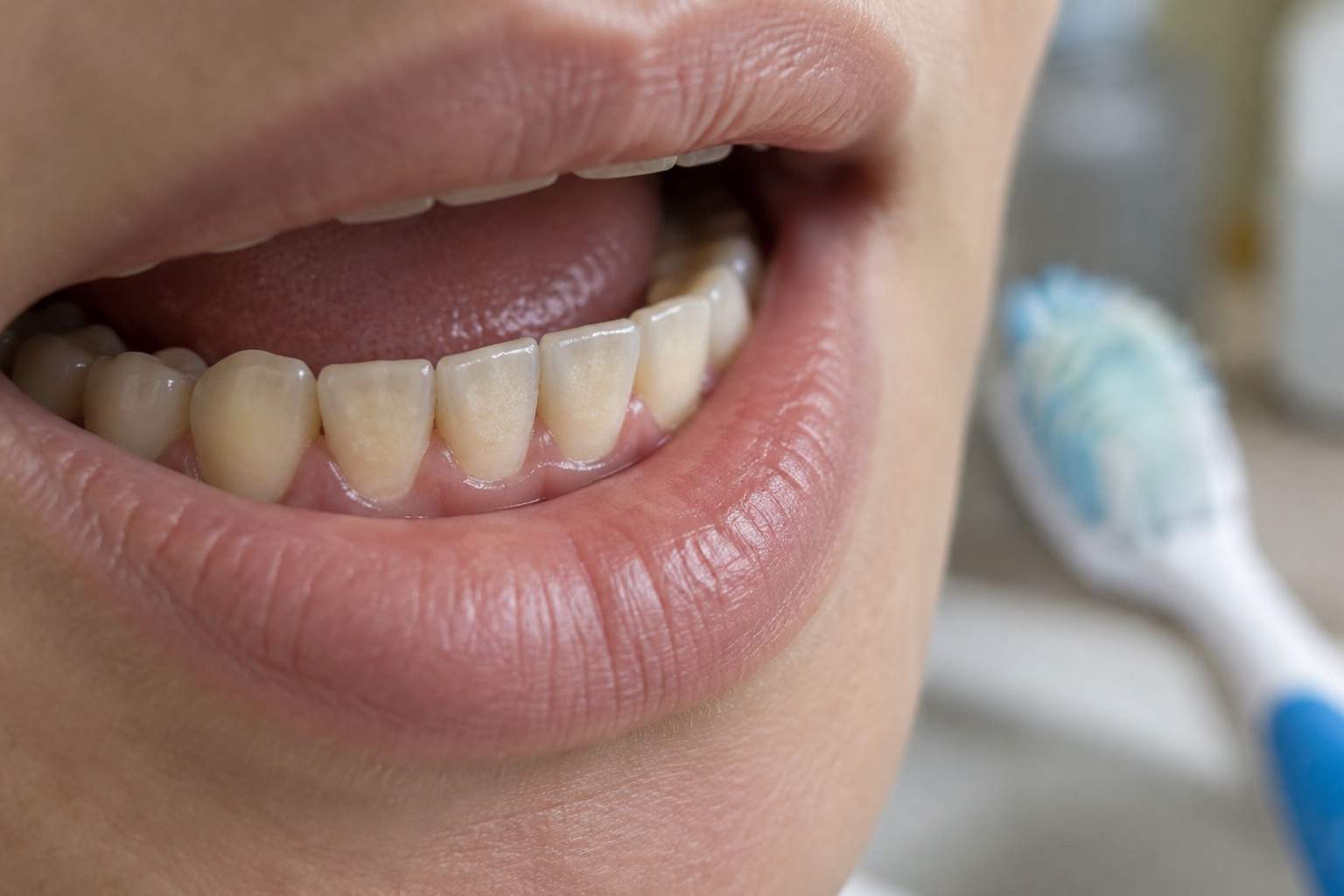
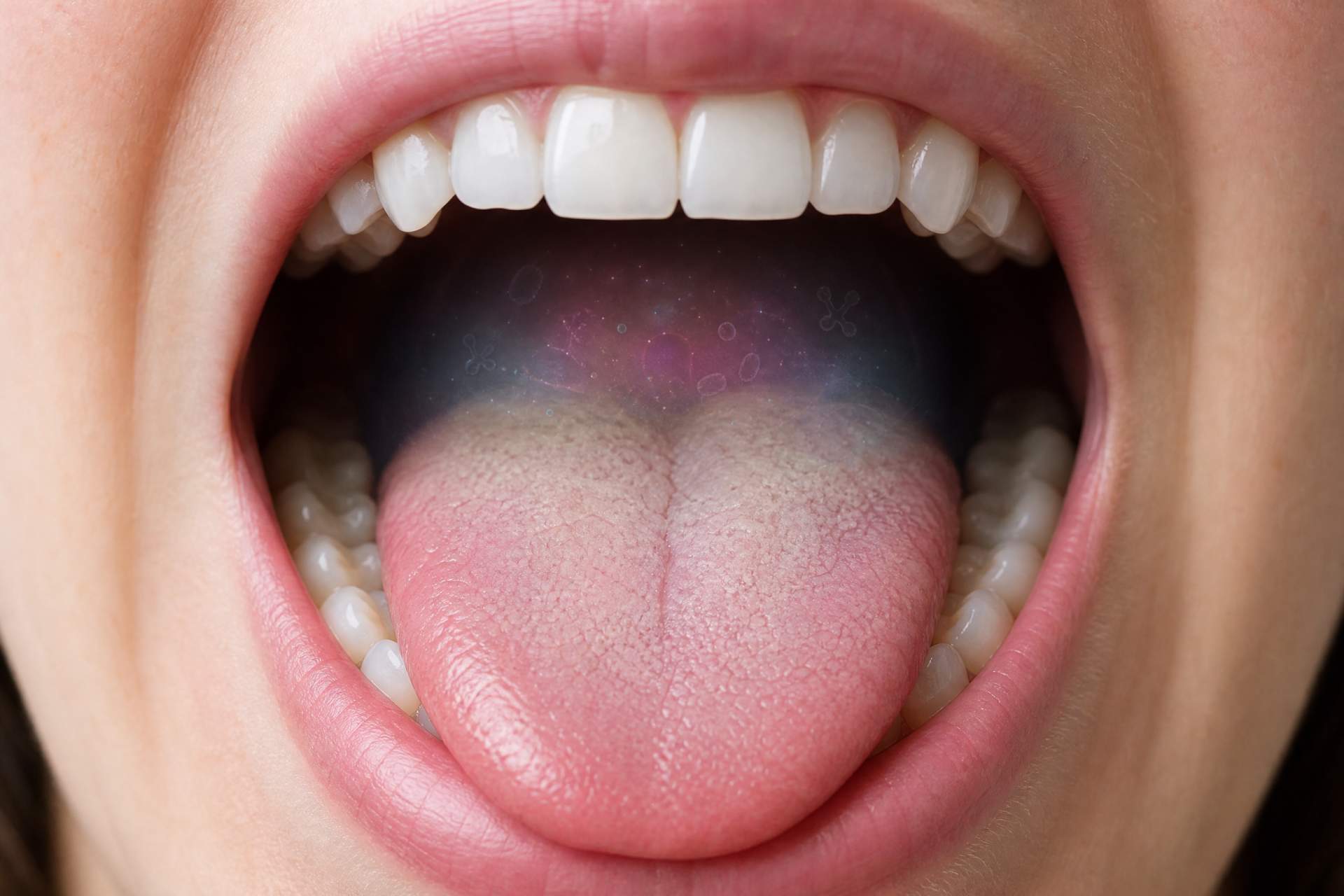
While brushing your teeth is essential, your toothbrush may not be effectively cleaning the textured surface of your tongue. The tiny grooves and crevices on the tongue's dorsal surface are perfect havens for bacteria, dead cells, and food particles. These accumulate overnight, forming a white or yellowish coating that is a potent source of VSCs. Many people overlook cleaning their tongue, assuming their toothbrush handles it, but a toothbrush is primarily designed for smooth, hard tooth surfaces, not the soft, irregular landscape of the tongue.
The Rinse and Repeat Paradox
Many commercial mouthwashes promise "24-hour fresh breath." While they can provide a temporary mask or kill some bacteria, some formulations, particularly those containing alcohol, can ironically contribute to dry mouth over time, thereby worsening the problem. Alcohol can strip away moisture, reducing natural salivary flow and creating a more favorable environment for the very bacteria you're trying to eliminate. It's a classic example of a seemingly effective solution having unintended consequences.
Halitosis Treatment Strategies: A Deeper Dive into Freshness
Achieving genuinely fresh breath requires a more comprehensive approach that moves beyond superficial remedies and addresses the underlying bacterial activity. It's about shifting our perspective from simply masking odors to actively managing our oral ecosystem.
Embracing the Tongue Scraper: An Ancient Wisdom Reborn
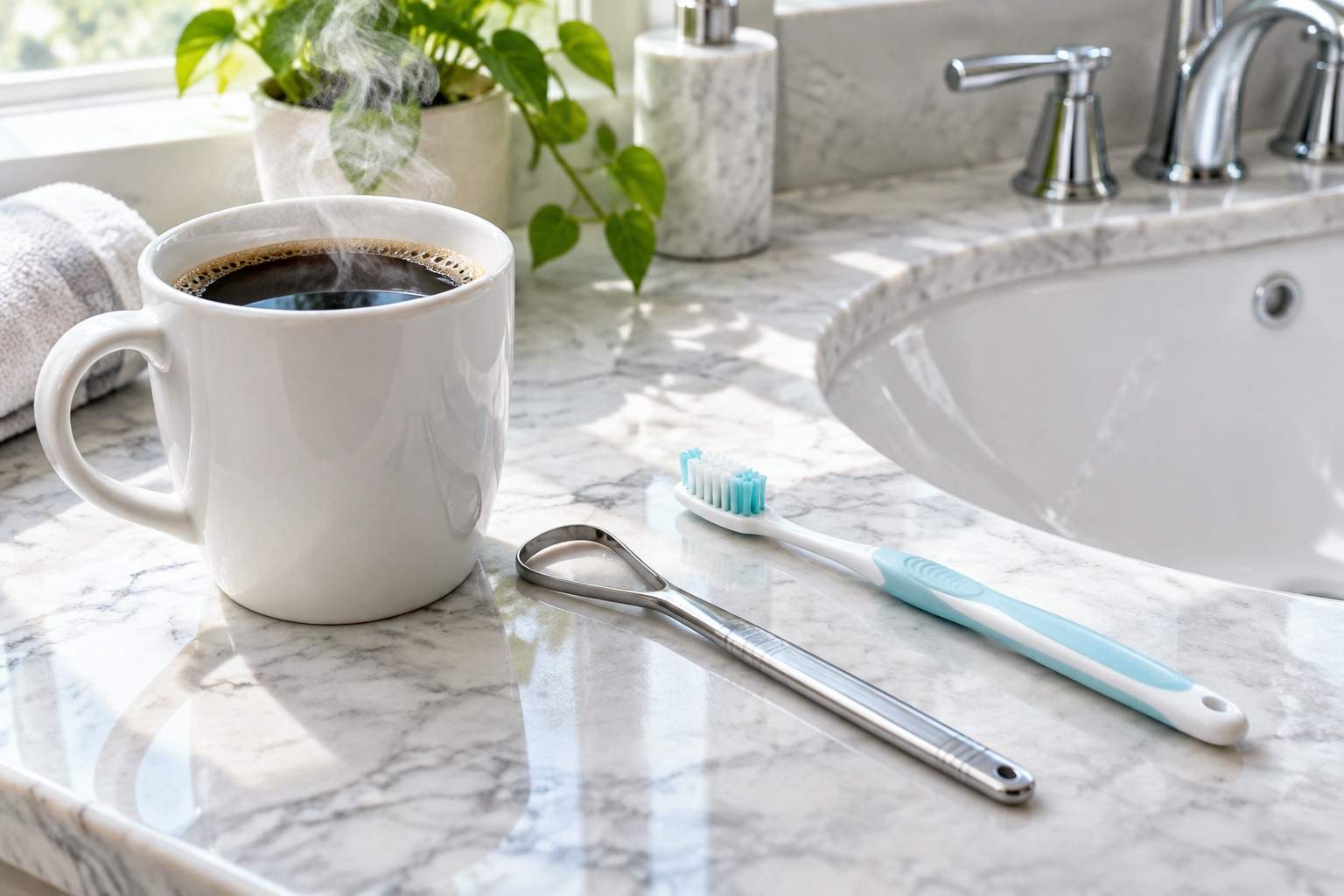
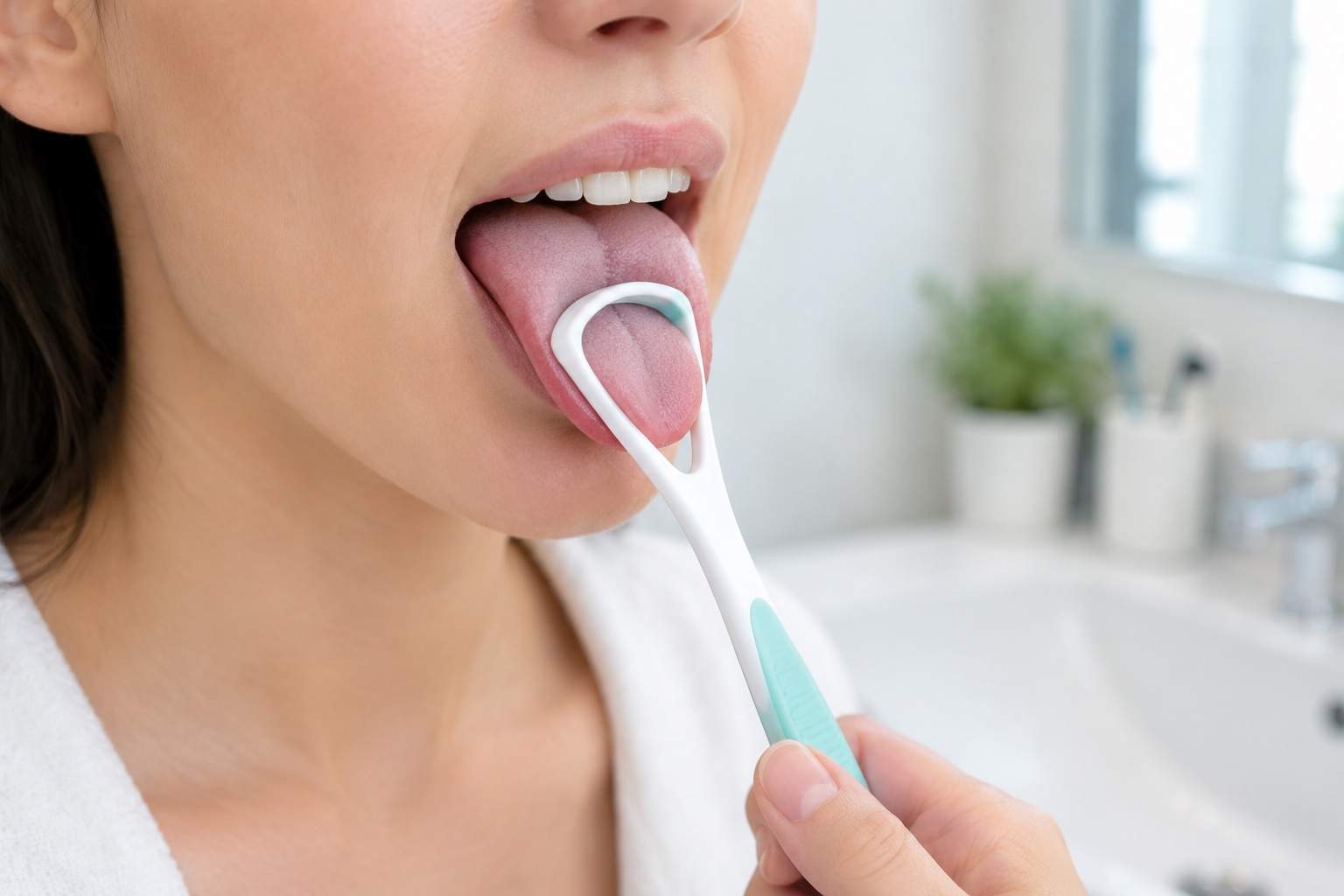
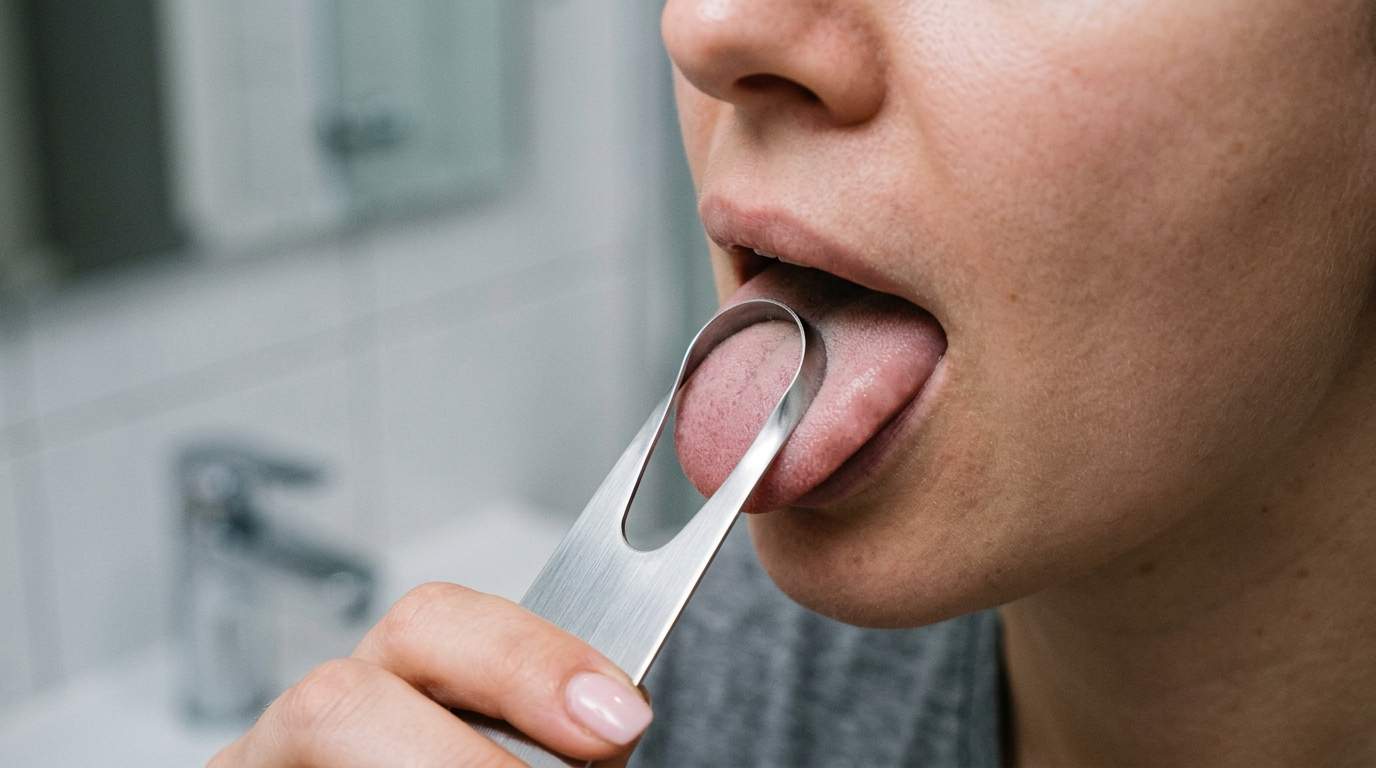
One of the most impactful, yet often overlooked, tools in combating morning breath is the tongue scraper or cleaner. Unlike a toothbrush, a tongue scraper is specifically designed to gently and effectively remove the bacterial biofilm and debris from the tongue's surface. Regular tongue scraping, ideally every morning, can significantly reduce the bacterial load that contributes to VSCs. Studies have shown that tongue scraping can reduce bad breath more effectively than brushing the tongue with a toothbrush alone. This simple, inexpensive practice, rooted in Ayurvedic tradition, is a fundamental shift in preventing morning odor.
Hydration: Your Mouth's Best Friend
Water is critical for saliva production and maintaining oral moisture. Drinking plenty of water throughout the day, especially before bed, helps keep your mouth hydrated and washes away food particles and bacteria. If you suffer from chronic dry mouth, consult a dental professional to explore causes and solutions, such as salivary substitutes or specific humidifiers, which can aid in improving morning freshness.
Rethinking Your Routine: Towards an Effective Oral Hygiene Routine
Cultivating truly fresh breath involves a holistic approach that integrates mindful practices into your daily life. It’s not just about what you do, but how you do it, and what broader lifestyle factors you consider.
The Art of Flossing: More Than Just a String
Flossing is often seen as an optional extra, but it's non-negotiable for true oral hygiene. It removes food particles and plaque from between teeth and under the gum line, areas a toothbrush cannot reach. These hidden pockets are prime locations for anaerobic bacteria to flourish, contributing significantly to bad breath. A thorough, daily flossing routine eliminates these bacterial havens, preventing the accumulation that leads to morning odor.
Mindful Eating and Lifestyle Choices
What you eat can also influence your breath. Foods with strong odors, like garlic and onions, can contribute to temporary bad breath, but consistent consumption of processed foods or diets high in sugar can also feed oral bacteria. Opt for a balanced diet rich in fruits, vegetables, and lean proteins. Quitting smoking is another critical step, as tobacco products are notorious for contributing to persistent bad breath and exacerbating dry mouth.
When to Seek Professional Guidance
While most morning breath can be managed with improved oral hygiene, persistent or severe halitosis, despite diligent home care, warrants a visit to your dentist or physician. They can rule out underlying medical conditions, such as gum disease (gingivitis or periodontitis), tonsil stones, sinus infections, gastric reflux, or systemic diseases like diabetes, which can all manifest as persistent bad breath. Your dental professional can provide personalized advice and professional cleaning that targets areas missed by home care.