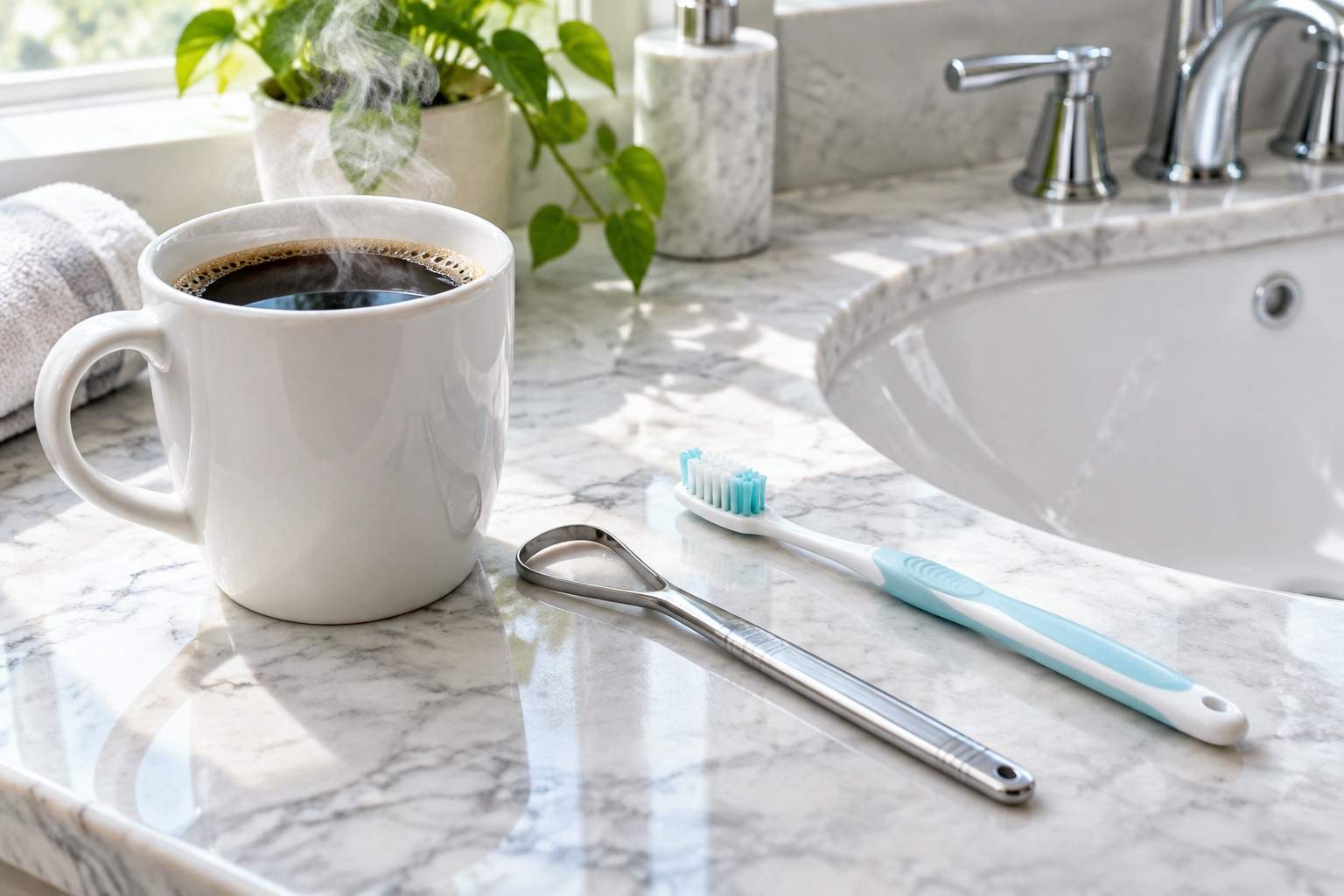
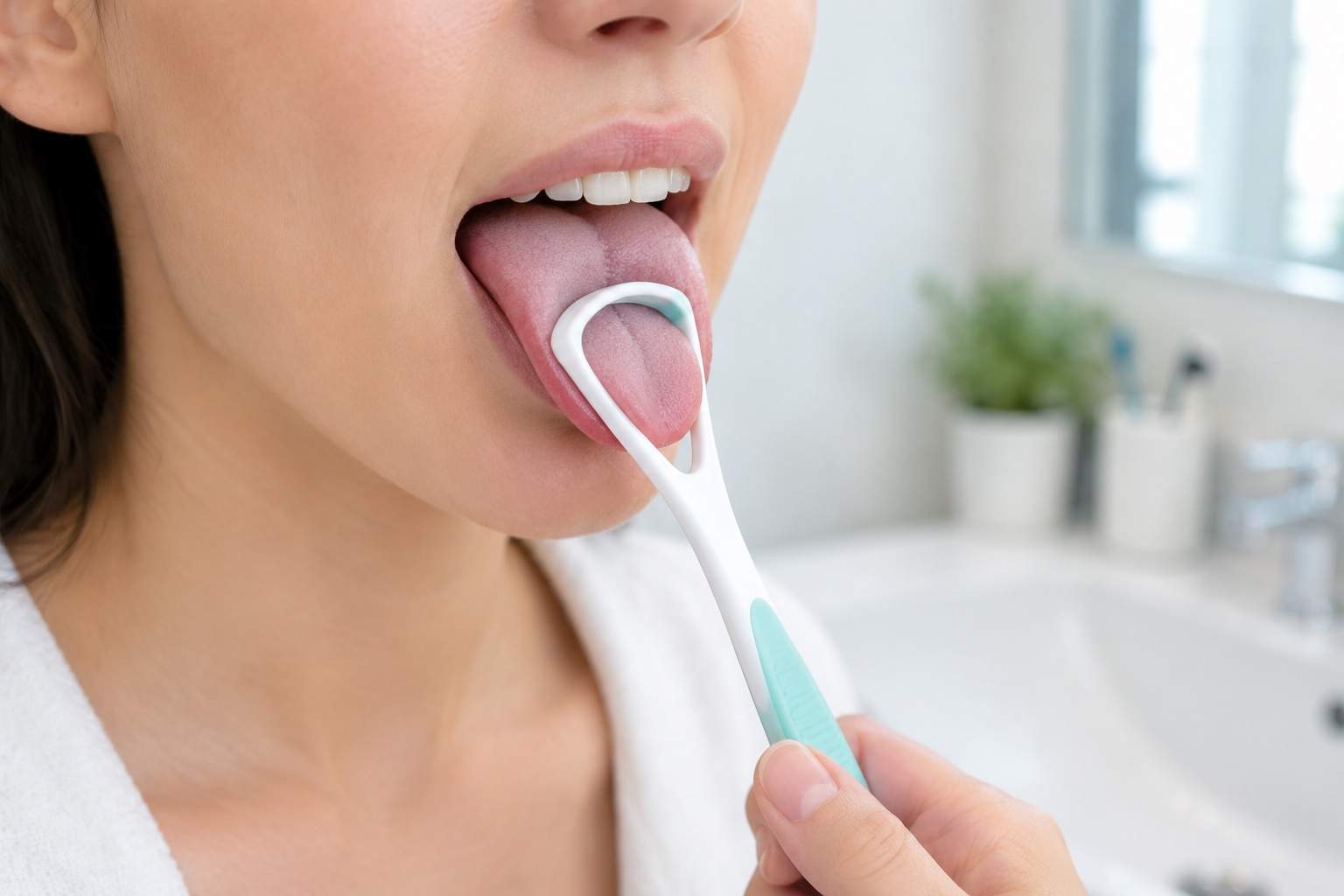
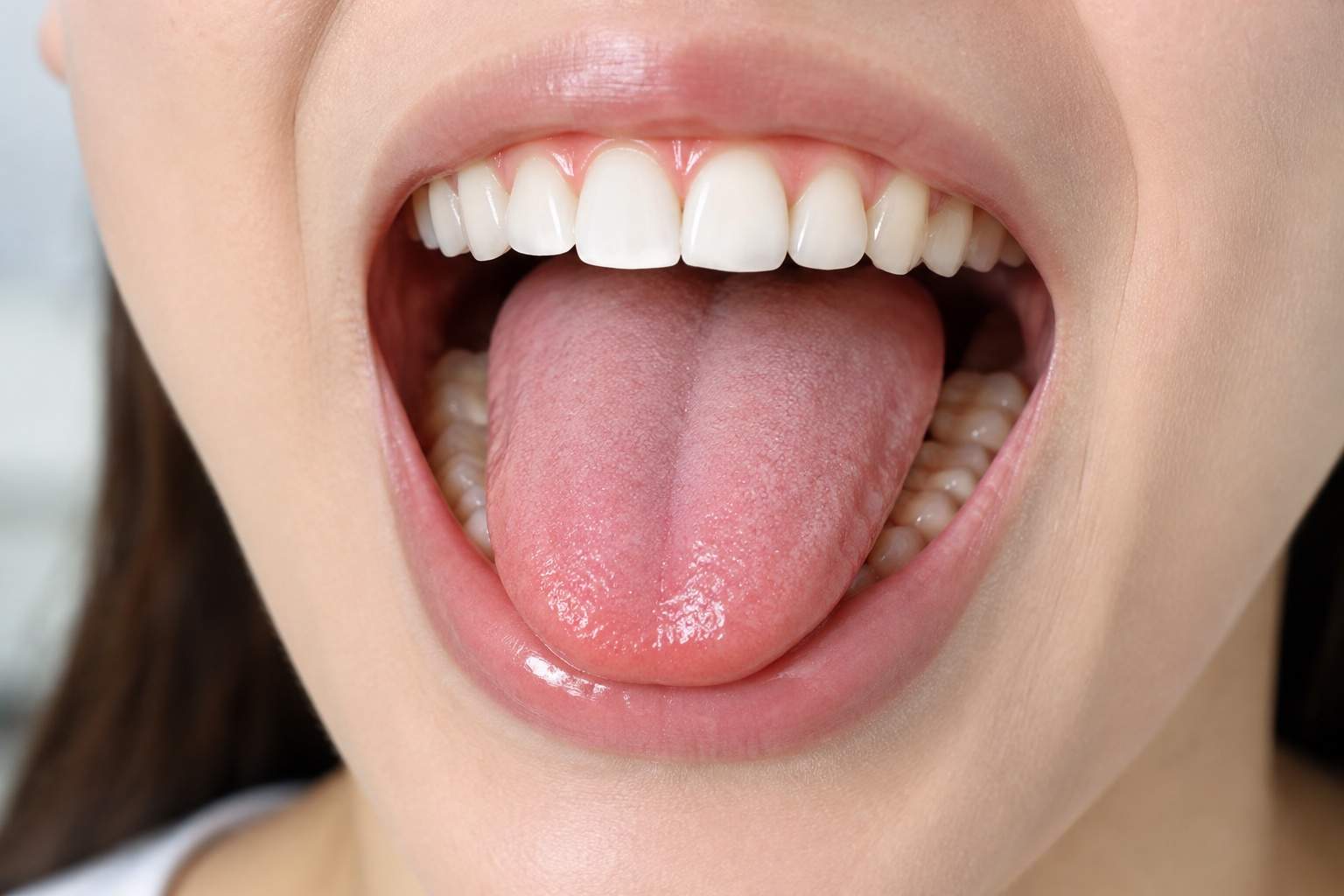
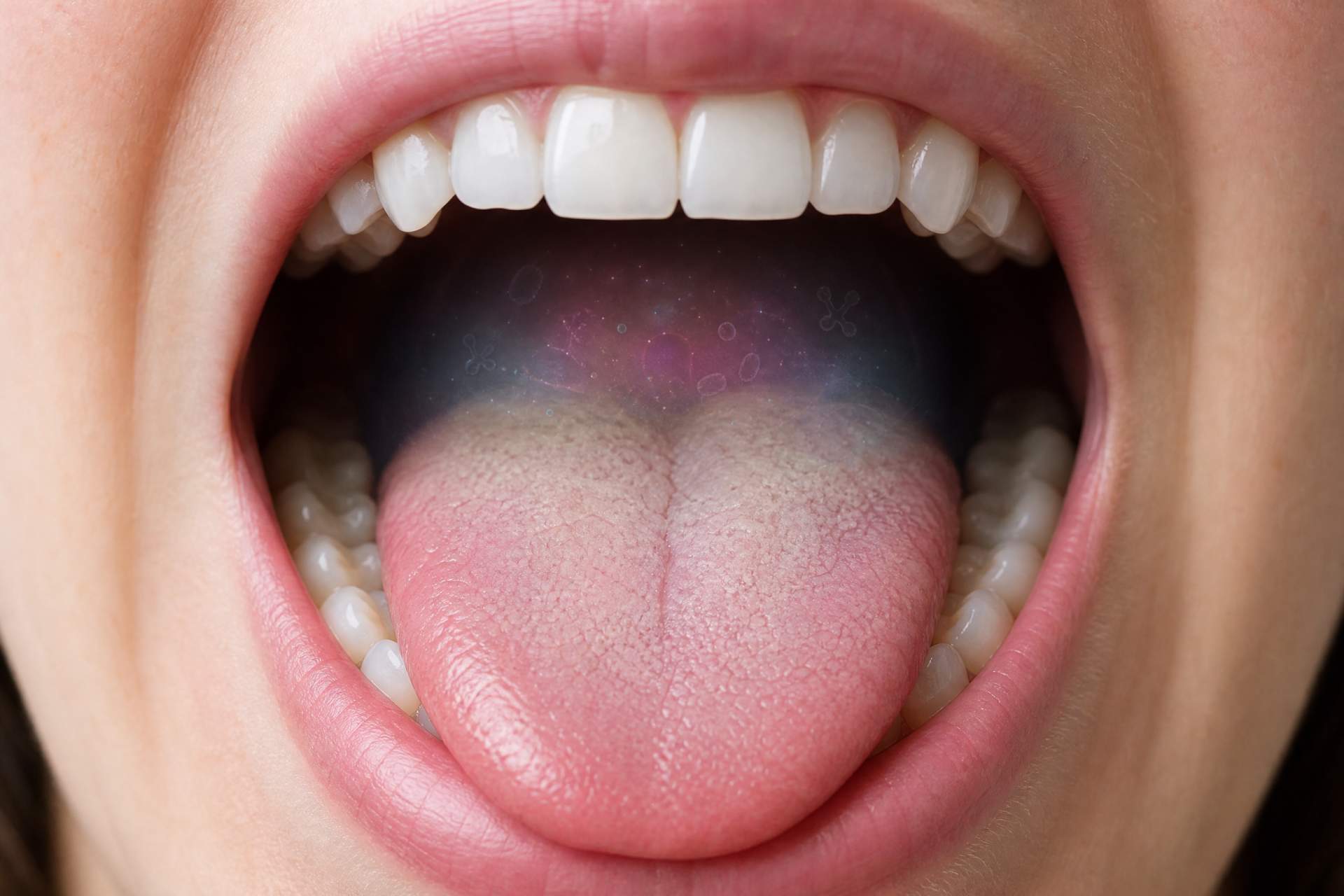
We've all been there: You meticulously brush, perhaps even floss, anticipating that squeaky-clean sensation, only to run your tongue over your teeth and discover a subtle, yet undeniably present, film. That "fuzzy" feeling can be surprisingly frustrating, leaving you questioning the effectiveness of your diligent efforts. It's a common experience that often sparks a quiet sense of bewilderment – if you're doing everything right, why does this lingering sense of uncleanliness persist? This isn't just about aesthetics; it's a window into the dynamic and often invisible world within our mouths, a world where tiny inhabitants are constantly at work, challenging our best intentions for oral hygiene.
E.g. :The 30-Minute Rule You’re Breaking – Why Post-Meal Brushing Backfires on Enamel
- 1、Unmasking the Culprit: Understanding Persistent Dental Plaque
- 2、Is Your Brushing Technique Falling Short? Enhancing Oral Hygiene
- 3、Beyond the Bristles: Essential Tools for Comprehensive Plaque Removal
- 4、The Silent Contributors: Diet, Saliva, and Oral Health
- 5、Achieving a Lasting Clean: Advanced Strategies for Preventing Fuzzy Teeth
Unmasking the Culprit: Understanding Persistent Dental Plaque
That fuzzy texture you feel is primarily dental plaque – a sticky, colorless-to-pale-yellow biofilm that constantly forms on your teeth. It’s a complex ecosystem of bacteria, their metabolic byproducts, and food particles. Far from being a mere surface film, plaque is a highly organized community that adheres tenaciously to tooth surfaces. Its persistence, even after brushing, is a testament to its remarkable evolutionary design and the challenge it poses to our daily oral hygiene routines.
The Biofilm Battle: Why Plaque Is So Stubborn
Plaque isn't just loose debris; it's a highly resilient biofilm. Think of it like pond scum or the stubborn grime inside a pipe – incredibly difficult to dislodge once established. Within minutes of cleaning, a pellicle (a thin, protein layer from saliva) forms on your teeth, providing a crucial foothold for pioneering bacteria. These bacteria multiply, form microcolonies, and secrete a protective matrix, making the plaque a sticky, almost impenetrable fortress. This matrix shields the bacteria from simple mechanical removal (like brushing) and even some antibacterial agents. According to a review published in the Journal of Dental Research on oral biofilms, the formation of this mature biofilm can significantly reduce the efficacy of conventional brushing if not thoroughly disrupted. If not removed within 24-48 hours, plaque begins to mineralize, hardening into calculus (tartar), which can only be removed by a dental professional.
Is Your Brushing Technique Falling Short? Enhancing Oral Hygiene
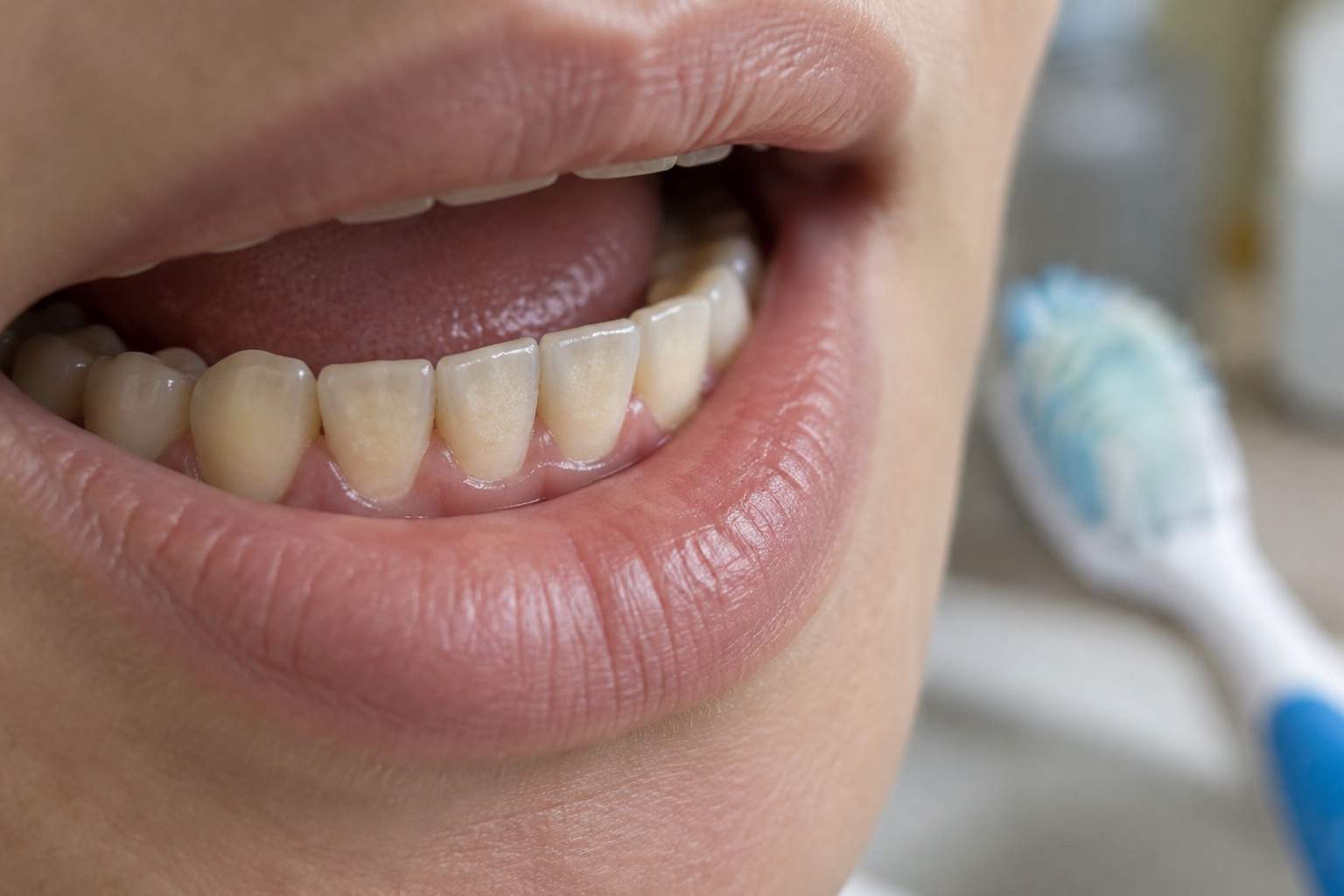
Even with the best intentions and the finest toothbrush, an ineffective technique can leave significant plaque undisturbed. Many people brush too aggressively, too quickly, or with an incorrect angle, often missing crucial areas. The goal isn't just to move the brush across your teeth, but to meticulously disrupt that sticky biofilm from every single tooth surface.
The Two-Minute Myth: Beyond Duration to Effectiveness
While the widely recommended two-minute brushing time is an excellent benchmark, it's merely a starting point. What truly matters is how those two minutes are spent. Research, such as a study in the British Dental Journal, has shown that individuals often fail to adequately clean all tooth surfaces, with common missed areas including the lingual (tongue-side) surfaces of lower front teeth and the distal (back) surfaces of molars. A proper technique involves angling the brush at 45 degrees to the gumline, using short, gentle strokes, and ensuring thorough coverage of all tooth surfaces – outer, inner, and chewing. Consider dividing your mouth into quadrants and dedicating at least 30 seconds to each, ensuring a systematic approach to effective tooth brushing.
Beyond the Bristles: Essential Tools for Comprehensive Plaque Removal
Brushing, even perfectly executed, has its limits. The spaces between your teeth, and just beneath the gumline, are often inaccessible to toothbrush bristles. These are prime breeding grounds for plaque and are frequently the source of that lingering fuzzy feeling, directly impacting effective plaque removal.
The Unsung Hero: Why Flossing Is Non-Negotiable
Flossing or using interdental cleaners is not an optional add-on; it's a cornerstone of comprehensive oral hygiene. The American Academy of Periodontology emphasizes that flossing removes plaque and food particles from between teeth and under the gumline, areas a toothbrush simply cannot reach. Without this crucial step, up to 35% of your tooth surfaces can remain untouched, leaving a significant amount of plaque to accumulate. Ignoring interdental cleaning leaves these areas vulnerable to decay and gum inflammation, leading to that fuzzy sensation and, over time, more serious issues that undermine the best way to clean teeth.
The Silent Contributors: Diet, Saliva, and Oral Health
What we eat, and even the quality and quantity of our saliva, play profound roles in the battle against plaque. It's not just about brushing away the obvious food particles; it's about understanding how these factors influence the oral environment and the rapid re-formation of plaque, directly contributing to dental plaque buildup.
Highly processed foods, especially those rich in simple carbohydrates and sugars, provide readily available fuel for the plaque-forming bacteria. These bacteria metabolize sugars into acids, which not only contribute to tooth decay but also create an environment conducive to further plaque accumulation. Conversely, a diet rich in fibrous fruits and vegetables can act as natural scrubbers, aiding in plaque removal. Saliva, too, is a natural defense mechanism. It helps wash away food debris, neutralizes acids, and contains minerals that repair early tooth decay. Conditions that reduce saliva flow, like certain medications or medical conditions, can dramatically increase plaque buildup and the fuzzy sensation.
Achieving a Lasting Clean: Advanced Strategies for Preventing Fuzzy Teeth
If you're consistently experiencing fuzzy teeth, it's a clear signal that your current oral hygiene routine, while perhaps diligent, may need refinement. Beyond refining your brushing and flossing, incorporating a few additional strategies can elevate your plaque prevention efforts and finally deliver that sought-after smooth feeling.
Consider using an electric toothbrush, particularly one with oscillating-rotating or sonic technology, as studies frequently demonstrate their superior ability to remove plaque compared to manual brushes. A meta-analysis published in The Cochrane Database of Systematic Reviews found that electric toothbrushes generally lead to modest but consistently better plaque removal. Additionally, an antimicrobial mouthwash can offer an extra layer of defense, especially one containing fluoride to strengthen enamel and protect against acid attacks. However, mouthwash should always be an adjunct, not a replacement, for mechanical cleaning. Regular professional dental cleanings are also indispensable. Your dental hygienist can remove hardened calculus and identify areas you might be missing, offering personalized guidance to optimize your home care for preventing fuzzy teeth.