That familiar moment arrives, often unbidden: you’ve just emerged from a meticulous oral hygiene routine, teeth gleaming, mouth tingling with mint. Yet, hours later, a subtle but persistent concern creeps in. Is your breath truly fresh, or are you merely adrift in a temporary illusion? Perhaps it's before an important meeting, or a close conversation, and a nagging self-consciousness compels you to reach for another piece of gum or an emergency mint. This scenario, remarkably common, leads many to a cycle of temporary fixes, masking a deeper, often unaddressed issue. We've been taught that brushing and mouthwash are the ultimate solutions, but what if these conventional methods only skim the surface, or, in some cases, inadvertently contribute to the very problem they aim to solve? Could persistent bad breath be a subtle signal from your body, pointing to imbalances far beyond leftover food particles? The quest for quick 'fresh breath tips' often overlooks the fundamental 'why' behind the odor, leaving us perplexed and, frankly, a little disheartened.
E.g. :Beyond the Brush: Unmasking the Silent Saboteur of Your Breath
- 1、Understanding the Root Causes of Persistent Bad Breath
- 2、Beyond the Mouth: Systemic Influences on Your Breath
- 3、The Pitfalls of Conventional "Fresh Breath Tips"
- 4、What Really Works: A Holistic Approach to Fresh Breath
- 5、Navigating Your Journey to Lasting Freshness
- 6、FAQs
Understanding the Root Causes of Persistent Bad Breath
For many, the journey to truly fresh breath begins with confronting the reality of halitosis – the medical term for chronic bad breath. This isn't just about what you ate for lunch; it's a complex interplay of factors, predominantly originating within the oral cavity, but sometimes signaling systemic health issues. Dental research consistently points to the mouth as the primary source, accounting for approximately 85-90% of all halitosis cases. The human mouth is a bustling ecosystem, home to hundreds of species of bacteria, and their metabolic activities are often the architects of unwelcome odors.
Oral Flora Imbalance and Volatile Sulfur Compounds
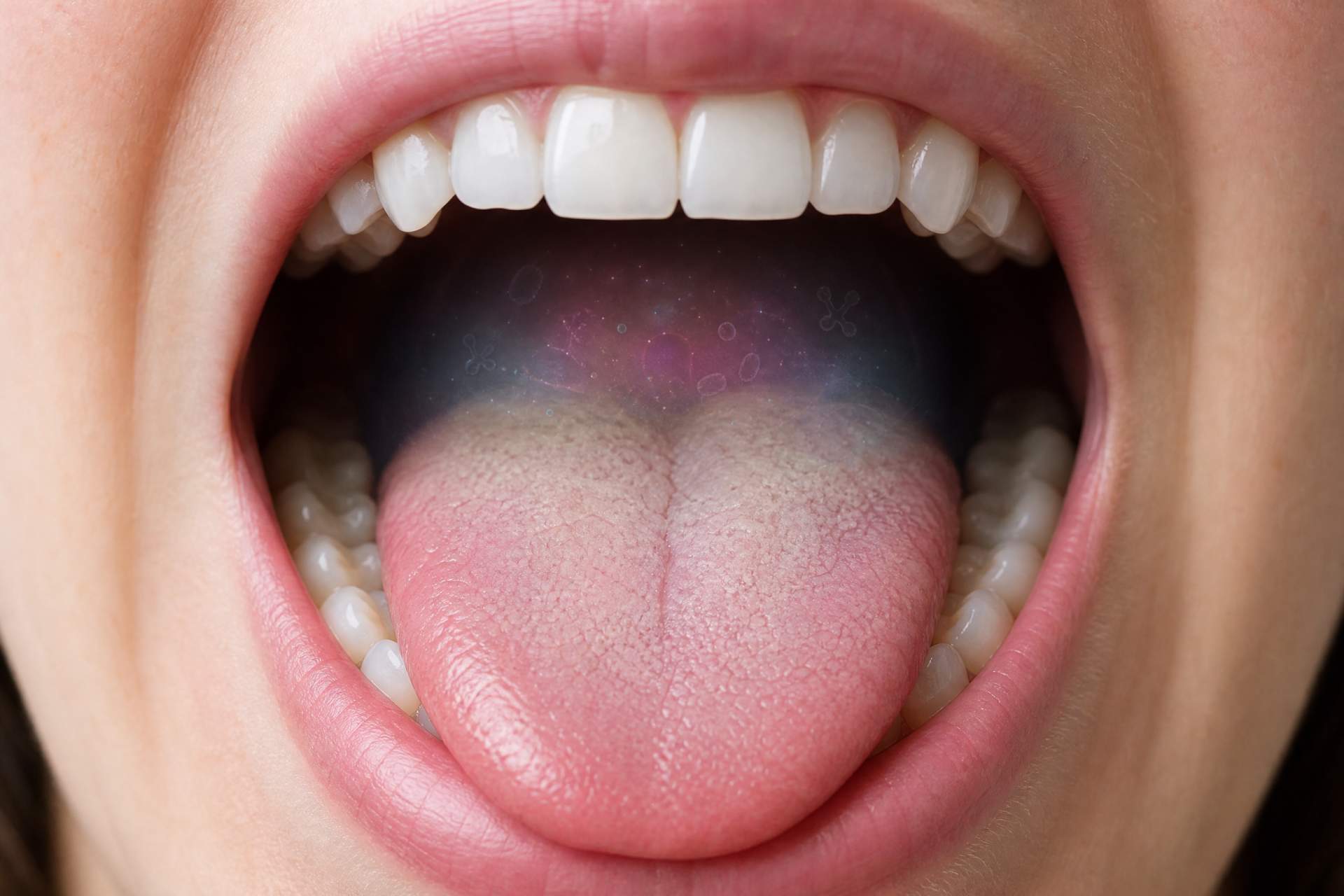
The primary culprits behind most cases of bad breath are anaerobic bacteria residing on the back of the tongue, between teeth, and under the gum line. When these bacteria break down proteins from food debris, dead cells, and post-nasal drip, they produce a range of malodorous gases known as Volatile Sulfur Compounds (VSCs). These include hydrogen sulfide (smells like rotten eggs), methyl mercaptan (smells like feces), and dimethyl sulfide (sweet, cabbage-like odor). While brushing targets larger food particles, it often falls short in dislodging these tenacious bacterial colonies and their VSC byproducts from every nook and cranny. Studies published in the Journal of Periodontology highlight the significant correlation between specific oral bacterial species and elevated VSC levels.
Tongue Coatings: An Overlooked Culprit
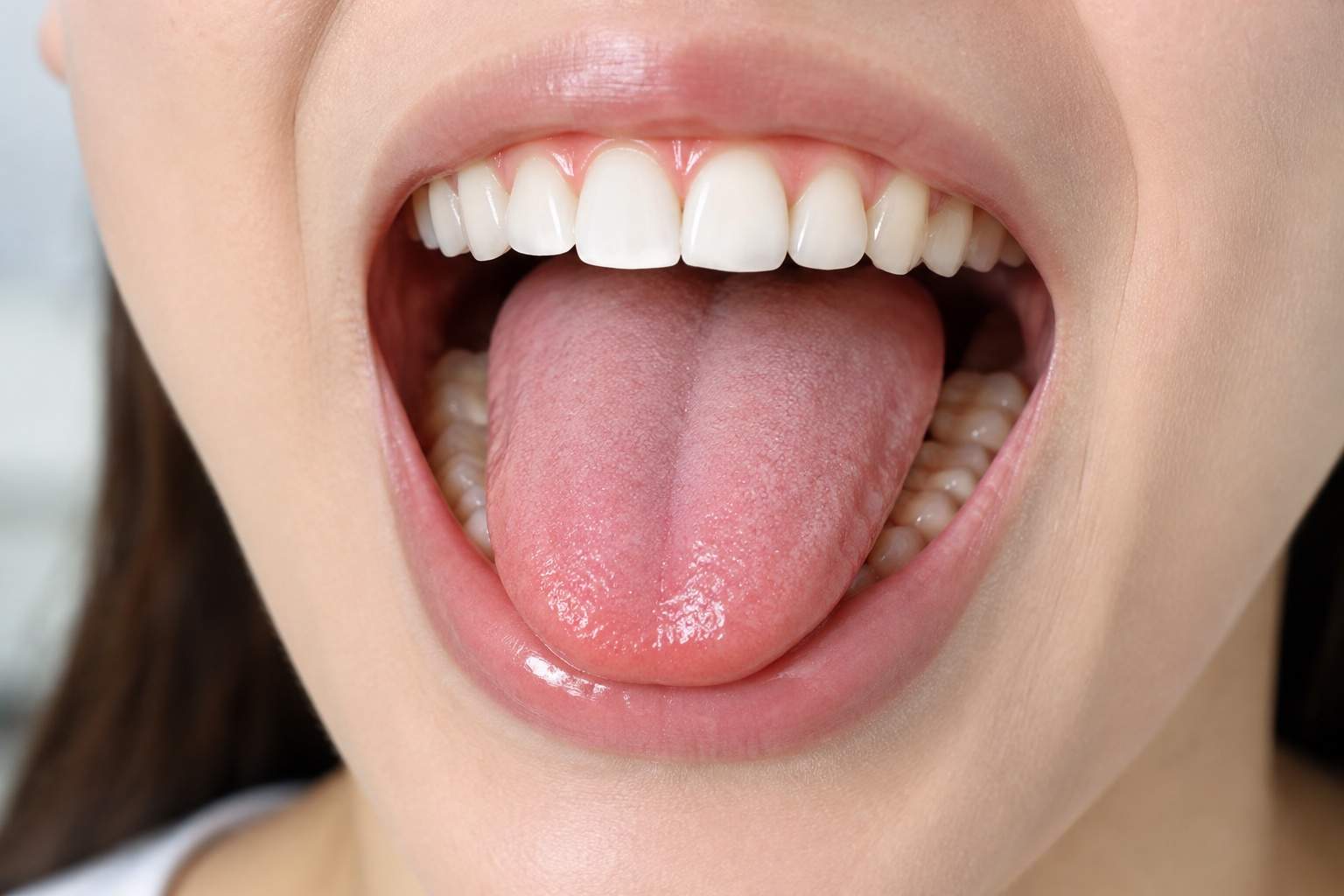
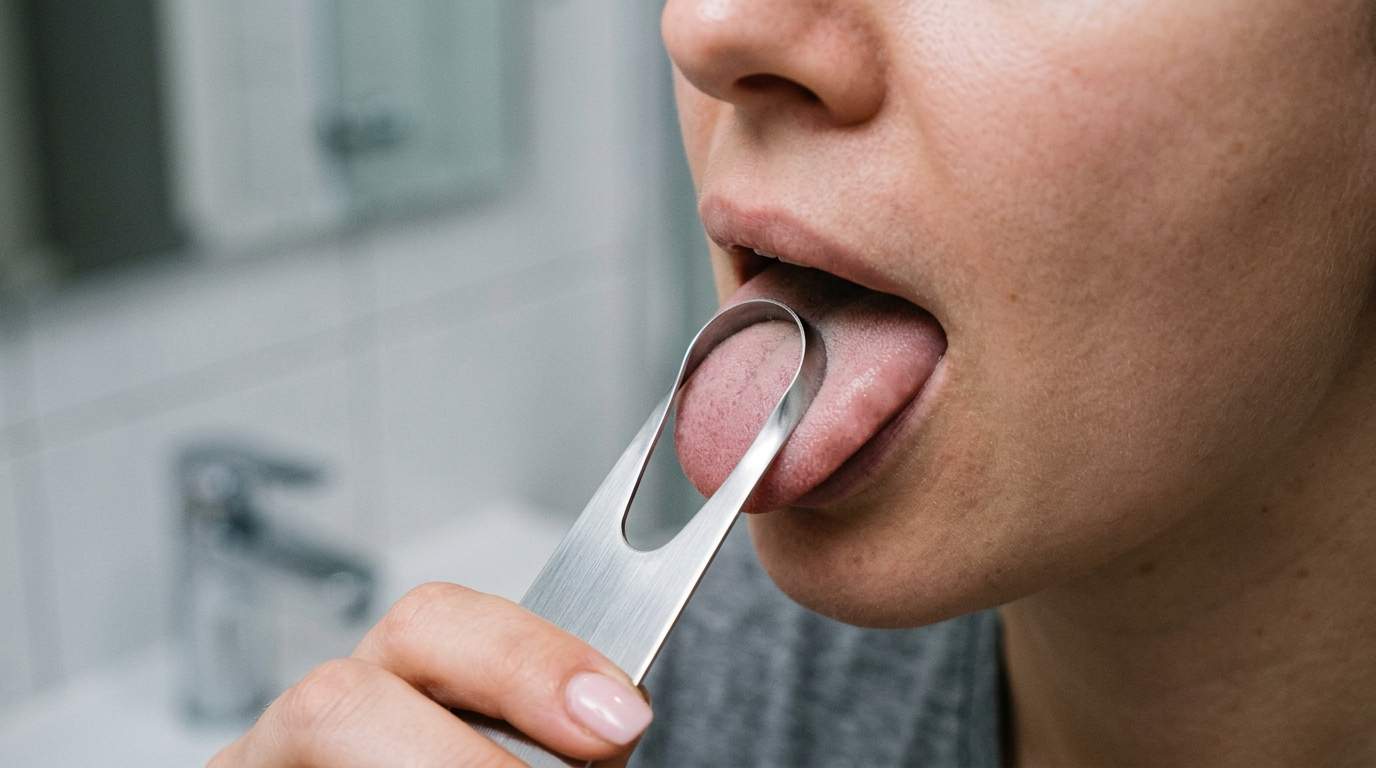
One of the most significant yet often ignored reservoirs for odor-producing bacteria is the tongue. Its rough, papilla-covered surface acts like a shag carpet, trapping bacteria, dead cells, and food particles, creating a thick, white or yellowish coating. This coating provides an ideal anaerobic environment for VSC-producing bacteria to thrive. Even diligent brushing might miss this crucial area. Research presented at the International Association for Dental Research (IADR) has repeatedly demonstrated that cleaning the tongue significantly reduces bad breath by removing a substantial portion of these odor-producing organisms and their metabolic waste products.

Beyond the Mouth: Systemic Influences on Your Breath
While the mouth is typically where the odor originates, sometimes bad breath is a symptom of conditions developing elsewhere in the body. Ignoring these signals can mean missing opportunities for early intervention in other health concerns. This isn't to induce alarm, but to encourage a more holistic perspective on your health.
Gut Health and Digestive Distress
The intricate connection between the gut and overall health is becoming increasingly clear. Conditions such as gastroesophageal reflux disease (GERD) can cause stomach acids and partially digested food to travel back up the esophagus, leading to sour breath. Similarly, imbalances in the gut microbiome, sometimes termed dysbiosis, can produce gases that are absorbed into the bloodstream and eventually expelled through the lungs, contributing to halitosis. Clinical gastroenterology journals have discussed these connections, emphasizing the systemic nature of breath odors.
Dry Mouth (Xerostomia) and Saliva's Role
Saliva is our mouth's natural cleansing agent. It helps wash away food particles, neutralizes acids, and contains antimicrobial compounds that keep bacterial populations in check. When saliva production is reduced, a condition known as xerostomia or dry mouth, the mouth becomes a breeding ground for odor-producing bacteria. Dry mouth can be caused by various factors, including certain medications (antihistamines, antidepressants), medical conditions (Sjögren's syndrome), mouth breathing, or even simply inadequate hydration. Without sufficient saliva flow, bacteria proliferate, and their VSC output increases dramatically.
Underlying Medical Conditions
In rarer instances, persistent bad breath can be a symptom of more serious underlying medical conditions. Metabolic disorders like uncontrolled diabetes can lead to a sweet, fruity odor on the breath (ketoacidosis). Kidney failure can cause a fishy or ammonia-like smell, while liver disease might result in a musty or "mousey" breath odor. Even respiratory tract infections like bronchitis or sinusitis can contribute to halitosis due to bacterial growth and mucus buildup. If you've addressed all oral factors and your breath issues persist, consulting a physician is a prudent step.
The Pitfalls of Conventional "Fresh Breath Tips"
We live in a world that promises instant solutions. For bad breath, this often translates to a quick swish or a pop of a mint. However, many popular 'fresh breath tips' are merely temporary fixes that fail to address the underlying causes, and some can even exacerbate the problem over time.
The Mouthwash Paradox
While mouthwashes are often marketed as the ultimate breath fresheners, many conventional, alcohol-based antiseptic rinses can contribute to dry mouth. Alcohol, being a desiccant, reduces saliva flow, thus negating the very purpose of saliva in cleansing the mouth and promoting bacterial balance. This creates a vicious cycle: you use mouthwash for fresh breath, it dries your mouth, bacteria flourish, and your breath worsens, leading you to use more mouthwash. Opting for alcohol-free therapeutic mouthwashes that target bacteria or promote saliva flow is a more scientifically sound approach, as supported by various oral health studies.
Temporary Fixes vs. Lasting Solutions
Chewing gum, mints, and breath sprays offer fleeting relief by masking odors with stronger, more pleasant scents. They don't remove the odor-producing bacteria or the VSCs they generate. While they can be useful in a pinch, relying on them as a primary strategy prevents you from identifying and addressing the true source of your bad breath. For example, a piece of gum cannot effectively dislodge bacteria from the back of your tongue or address issues stemming from your gut. Lasting fresh breath requires a foundational change, not just a fragrant cover-up.
What Really Works: A Holistic Approach to Fresh Breath
Achieving genuine, lasting fresh breath isn't about quick fixes; it's about understanding the intricate ecosystem of your body and adopting a comprehensive, evidence-based approach. This strategy moves beyond superficial treatments to address the very foundations of oral and overall health.
Comprehensive Oral Hygiene Beyond Brushing
Your oral hygiene routine needs to be truly comprehensive. Brushing twice a day for two minutes is crucial, but it's only one piece of the puzzle.
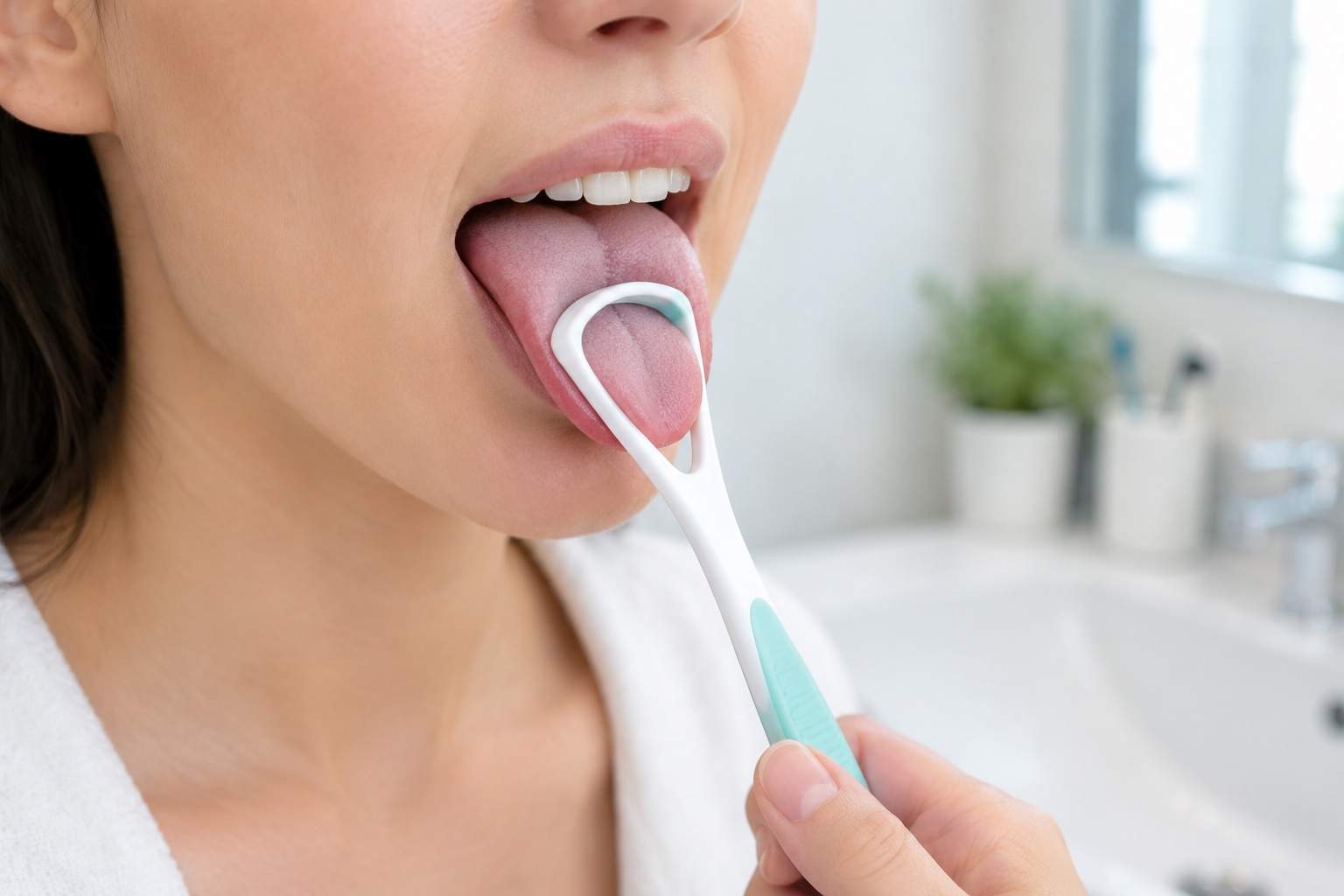
- Tongue Cleaning: Invest in a tongue cleaner or scraper and use it daily. Gently scrape from the back of your tongue forward 5-10 times, rinsing the scraper after each pass. This effectively removes the bacterial film responsible for a significant portion of VSCs.
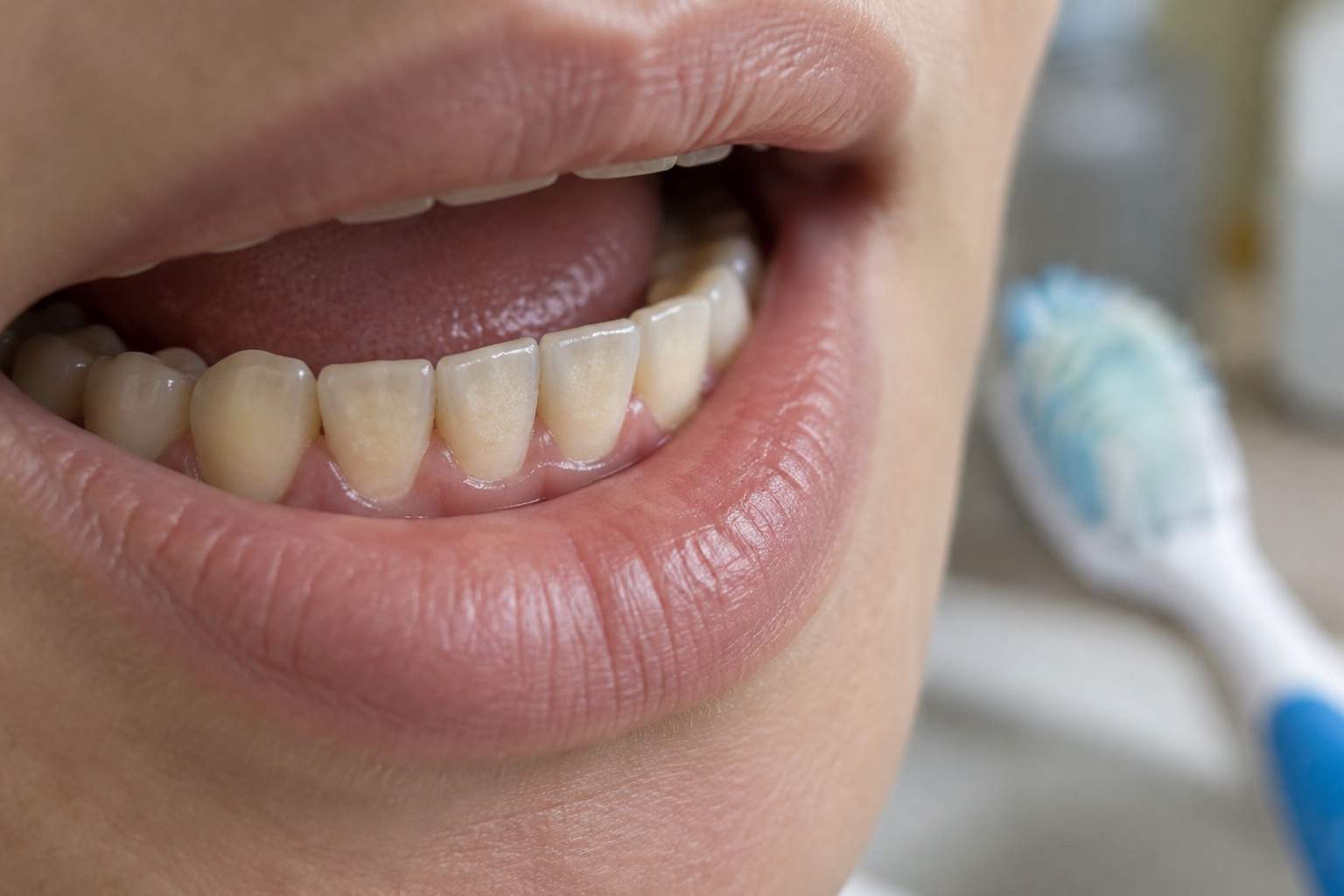
- Flossing and Interdental Cleaning: Brushing alone misses about 35% of your tooth surfaces. Daily flossing or using interdental brushes removes food particles and plaque from between your teeth and under the gum line, areas where anaerobic bacteria thrive and contribute to bad breath and gum disease.
- Therapeutic Mouthwash: If you choose to use mouthwash, opt for an alcohol-free, antibacterial formula containing ingredients like chlorhexidine (for short-term use under professional guidance) or cetylpyridinium chloride (CPC) which target odor-causing bacteria without drying out your mouth. Some formulations also contain zinc, which directly neutralizes VSCs.
Hydration and Diet: Fueling a Healthy Mouth
What you put into your body profoundly impacts your breath.
- Drink Plenty of Water: Staying well-hydrated is paramount. Water helps maintain salivary flow, washing away food debris and bacteria. Aim for at least 8 glasses of water a day.
- Strategic Food Choices: Limit foods that contribute to bad breath, such as onions, garlic, and heavily spiced dishes. Reduce your intake of sugary foods and refined carbohydrates, as these fuel odor-producing bacteria. Increase your consumption of fibrous fruits and vegetables, which act as natural tooth scrubbers and stimulate saliva production. Certain foods like yogurt (containing probiotics) can help balance oral and gut microbiomes.
- Xylitol: Incorporate sugar-free gum or mints containing xylitol. Xylitol is a natural sweetener that inhibits the growth of bacteria that cause cavities and, by extension, can help reduce odor-causing bacteria.
Professional Dental Care: Your First Line of Defense
Regular visits to your dentist and dental hygienist are indispensable.
- Routine Check-ups and Cleanings: Professional cleanings remove plaque and tartar buildup, especially below the gum line, which are breeding grounds for odor-causing bacteria. Your dentist can also identify and treat cavities, gum disease, or cracked fillings that can trap bacteria and cause odor.
- Addressing Underlying Oral Issues: Gum disease (periodontitis) is a major contributor to bad breath. Your dentist can diagnose and treat it, often leading to a significant improvement in breath odor. They can also check for other oral conditions like oral infections or ill-fitting dental appliances that might be contributing to the problem.
Navigating Your Journey to Lasting Freshness
Experiencing persistent bad breath, despite your best efforts, can be isolating and impact your confidence. It's crucial to remember that you are not alone, and this is a common issue with scientifically proven solutions. Rather than feeling embarrassed, view this as an opportunity to understand your body better and take proactive steps towards improved health. By adopting a comprehensive approach that targets the actual causes – from meticulous oral hygiene to considering systemic influences – you can move beyond temporary masks and achieve the lasting fresh breath you desire. If unsure, your dentist or doctor is your best partner in uncovering the precise reasons behind your breath concerns and guiding you toward the most effective, personalized halitosis treatment. Embracing these insights isn't just about fresh breath; it's about a healthier you, inside and out.