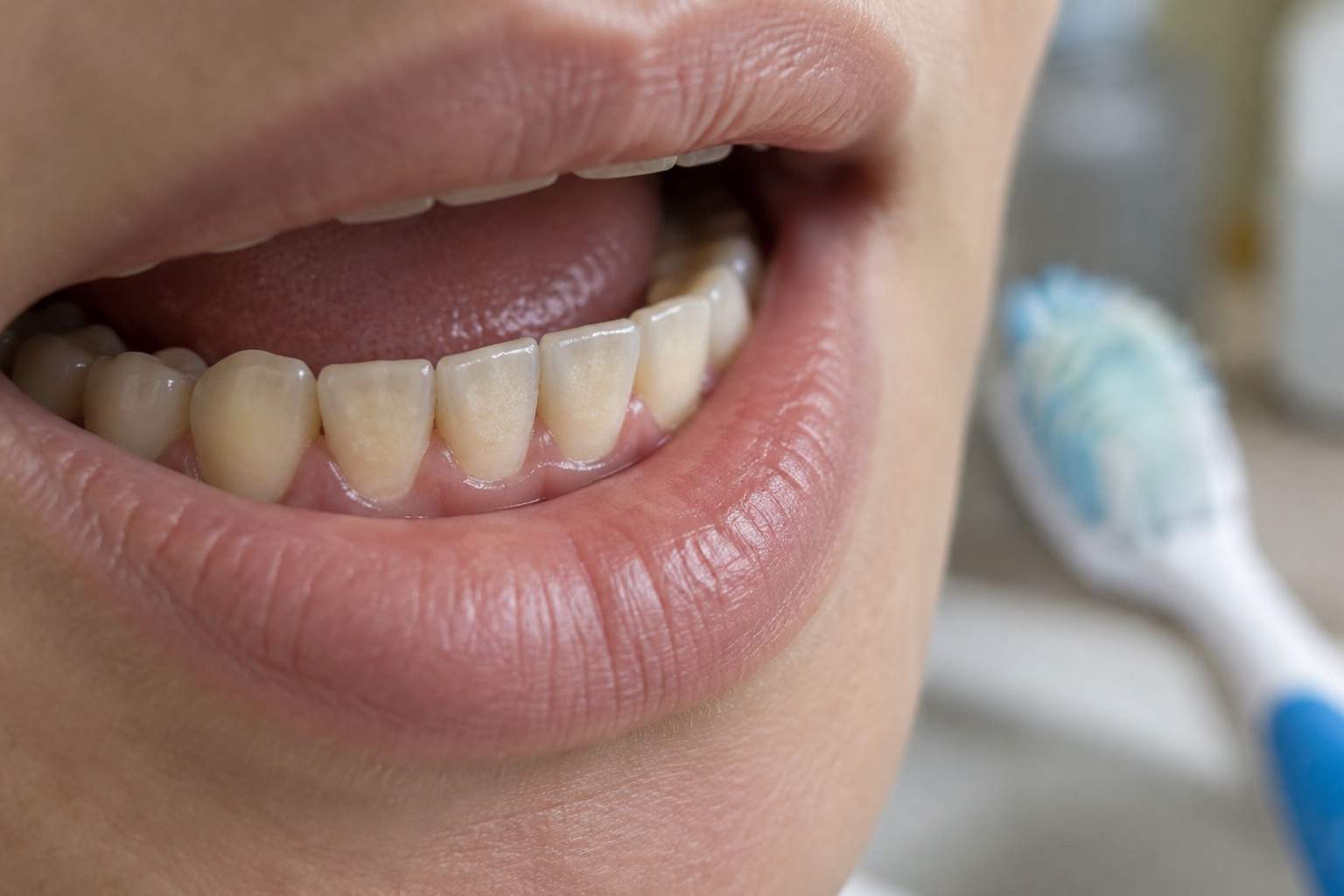
Have you ever experienced that peculiar frustration? You awaken, and despite what feels like an adequate night's rest, a distinct staleness greets you. You then engage in the ritual – a thorough brushing, diligent flossing, perhaps even a swish of mouthwash – confident that you've eradicated any lingering offense. Yet, an hour or two later, a subtle self-consciousness creeps in, or you instinctively reach for a mint before a close conversation. This recurring mystery, the persistence of less-than-fresh breath despite your best oral hygiene efforts, can feel like a personal failing, leaving you to wonder if truly fresh breath all day long is an impossible dream.
E.g. :Does Teeth Cleaning Widen Gaps – Tartar Removal Reveals What Was Hidden
- 1、The Lingering Question: Why Good Oral Hygiene Doesn't Always Guarantee Fresh Breath
- 2、Beyond the Toothbrush: Unmasking the True Culprits of Persistent Halitosis
- 3、The Unexpected Backfire: How Common "Solutions" Can Worsen the Problem
- 4、Beyond the Mouth: Systemic Links to a Less-Than-Fresh Feeling
- 5、Reclaiming Your Freshness: A Holistic Approach to Lasting Breath
The Lingering Question: Why Good Oral Hygiene Doesn't Always Guarantee Fresh Breath
It's a foundational lesson we've all learned: brushing and flossing are the twin pillars of a clean mouth and fresh breath. And indeed, they are indispensable. However, the persistent experience of halitosis, the clinical term for bad breath, for so many people daily suggests that the story of oral freshness is far more nuanced than simply wielding a toothbrush. The reality is that our oral cavity is a complex ecosystem, and merely scrubbing away food debris isn’t always enough to tame the microscopic residents responsible for undesirable odors. It's not about your effort; it's about understanding the invisible forces at play.
Beyond the Toothbrush: Unmasking the True Culprits of Persistent Halitosis
The vast majority of bad breath originates right in the mouth, not the stomach as commonly believed. The primary offenders are specific types of bacteria residing in various nooks and crannies.
The Invisible Residents: Anaerobic Bacteria and Volatile Sulfur Compounds (VSCs)
At the heart of the "bad breath" mystery are anaerobic bacteria. These microscopic organisms thrive in oxygen-deprived environments within your mouth, such as between teeth, in gum pockets, and particularly on the back of the tongue. As they break down food particles, dead cells, and other organic matter, they produce malodorous gases known as Volatile Sulfur Compounds (VSCs). These VSCs, including hydrogen sulfide (rotten eggs smell) and methyl mercaptan (fecal odor), are the chief architects of bad breath. Research consistently points to these oral anaerobic bacteria as the primary producers of VSCs, accounting for approximately 80-90% of halitosis cases.
The Overlooked Ecosystem: Your Tongue's Microbial Metropolis
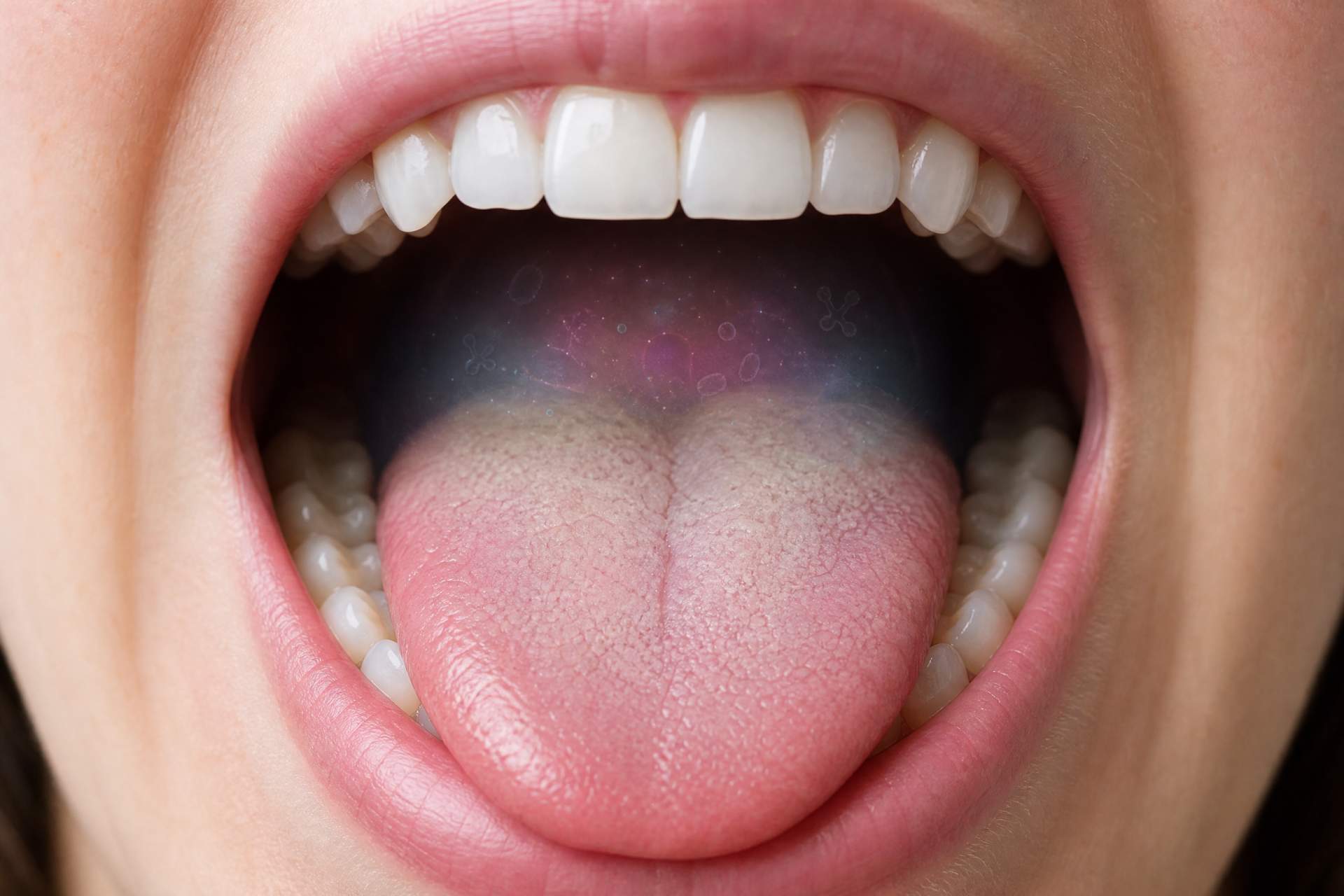
While teeth get the lion's share of attention, your tongue is a veritable microbial metropolis, often overlooked in daily oral hygiene. Its rough surface, filled with papillae, creates an ideal trapping ground for food debris, dead epithelial cells, and, crucially, those anaerobic bacteria. This accumulated layer, often visible as a white or yellowish coating, is a primary reservoir for VSC-producing bacteria. Studies have indicated that the dorsum (back surface) of the tongue is the single largest site for the production of VSCs in the mouth, contributing significantly to breath odor. Ignoring this furry carpet of microbes means leaving a major source of bad breath untouched.
The Unexpected Backfire: How Common "Solutions" Can Worsen the Problem
In our quest for fresh breath, we often turn to readily available products, some of which, ironically, can exacerbate the problem in the long run.
The Deceptive Lure of Alcohol-Based Mouthwashes
Many popular mouthwashes contain alcohol, touted for its germ-killing properties. While they might provide a temporary sensation of freshness, their long-term effect can be counterproductive. Alcohol is a dehydrating agent. Consistent use can dry out the mouth, reducing the flow of saliva. Saliva is your mouth's natural cleansing agent, constantly washing away food particles and bacteria, neutralizing acids, and maintaining a balanced pH. A dry mouth (xerostomia) creates an even more hospitable environment for anaerobic bacteria to flourish, leading to a cycle of needing more mouthwash and experiencing more bad breath. Studies suggest that excessive use of alcohol-based mouthwashes can disrupt the oral microbiome and contribute to dry mouth, a known factor in persistent bad breath.
The Sugar Trap: Mints and Candies
While a mint or a piece of chewing gum can offer a momentary camouflage for bad breath, relying on sugary options is akin to pouring gasoline on a small fire. Sugar provides a feast for bacteria in your mouth, which then produce acids that contribute to cavities and potentially more VSCs. Opt for sugar-free alternatives that stimulate saliva flow, offering a more beneficial, albeit temporary, solution.
Beyond the Mouth: Systemic Links to a Less-Than-Fresh Feeling
While the mouth is the most common source, sometimes persistent bad breath signals issues originating elsewhere in the body. While the vast majority of halitosis originates orally, a significant minority (5-10%) can be linked to systemic health conditions.
The Gut-Breath Connection: More Than Just Oral Health
Conditions like chronic acid reflux (GERD), certain digestive disorders, or even infections like Helicobacter pylori in the stomach can sometimes release odorous gases that travel up the esophagus and manifest as bad breath. Similarly, sinus infections, tonsil stones (small calcifications in the tonsils that harbor bacteria), and certain metabolic conditions like diabetes can also contribute to distinct breath odors. If your dentist rules out all oral causes, considering a consultation with your primary care physician to explore systemic links is a wise next step.
The Hydration Imperative: Saliva's Unsung Heroism
Underlying many oral health issues is dehydration. As mentioned, saliva is crucial for flushing away bacteria and food debris. When you're dehydrated, your salivary glands produce less saliva, allowing bacteria and VSCs to accumulate more readily. Drinking adequate water throughout the day is not just good for your overall health; it's a simple, yet powerful, strategy for maintaining a moist oral environment and combating bad breath. Aim for at least eight glasses of water daily.
Reclaiming Your Freshness: A Holistic Approach to Lasting Breath
Achieving genuinely fresh breath isn't about magical products; it's about a comprehensive understanding of oral health and consistent, informed practices.
The Art of Thorough Tongue Cleaning
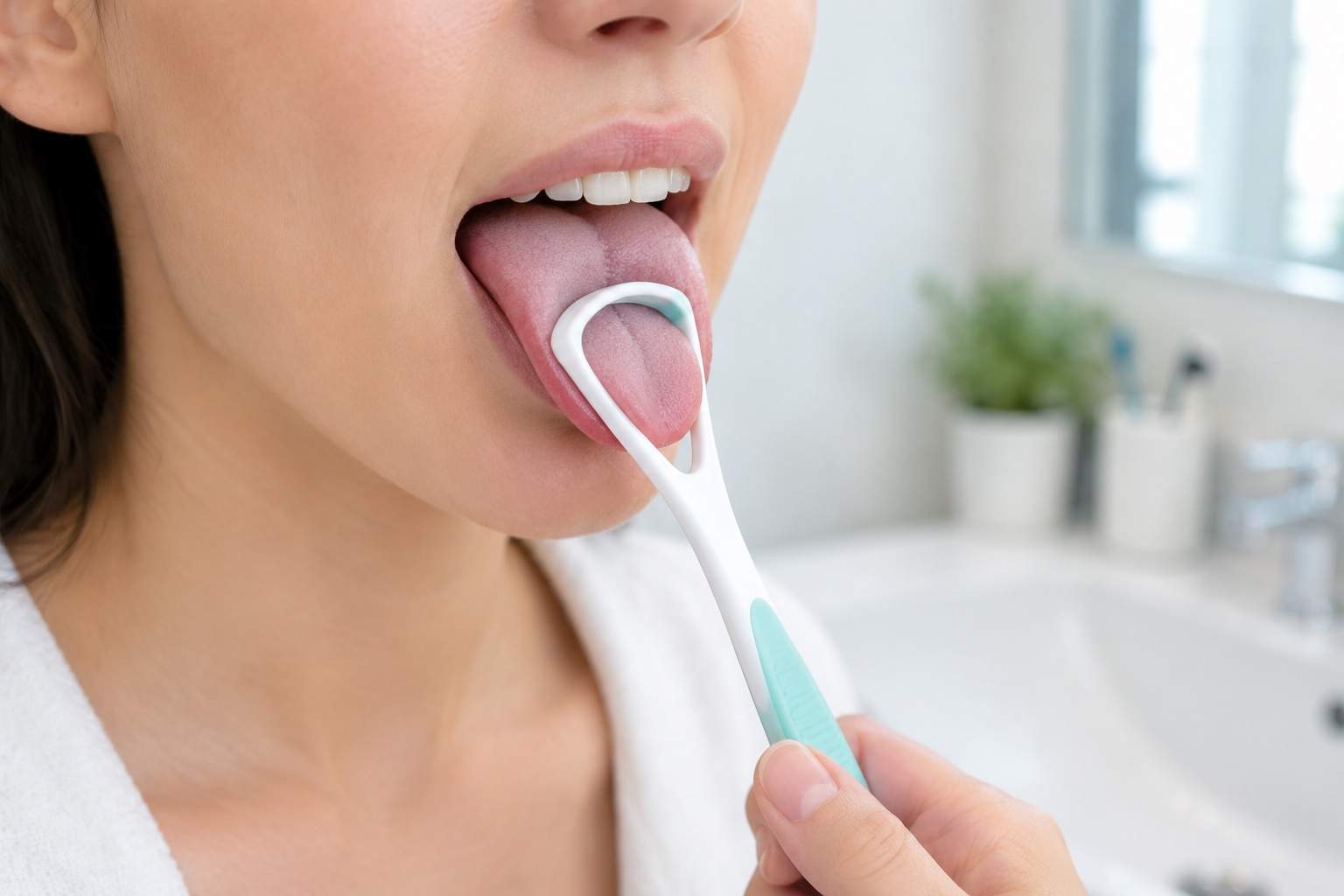
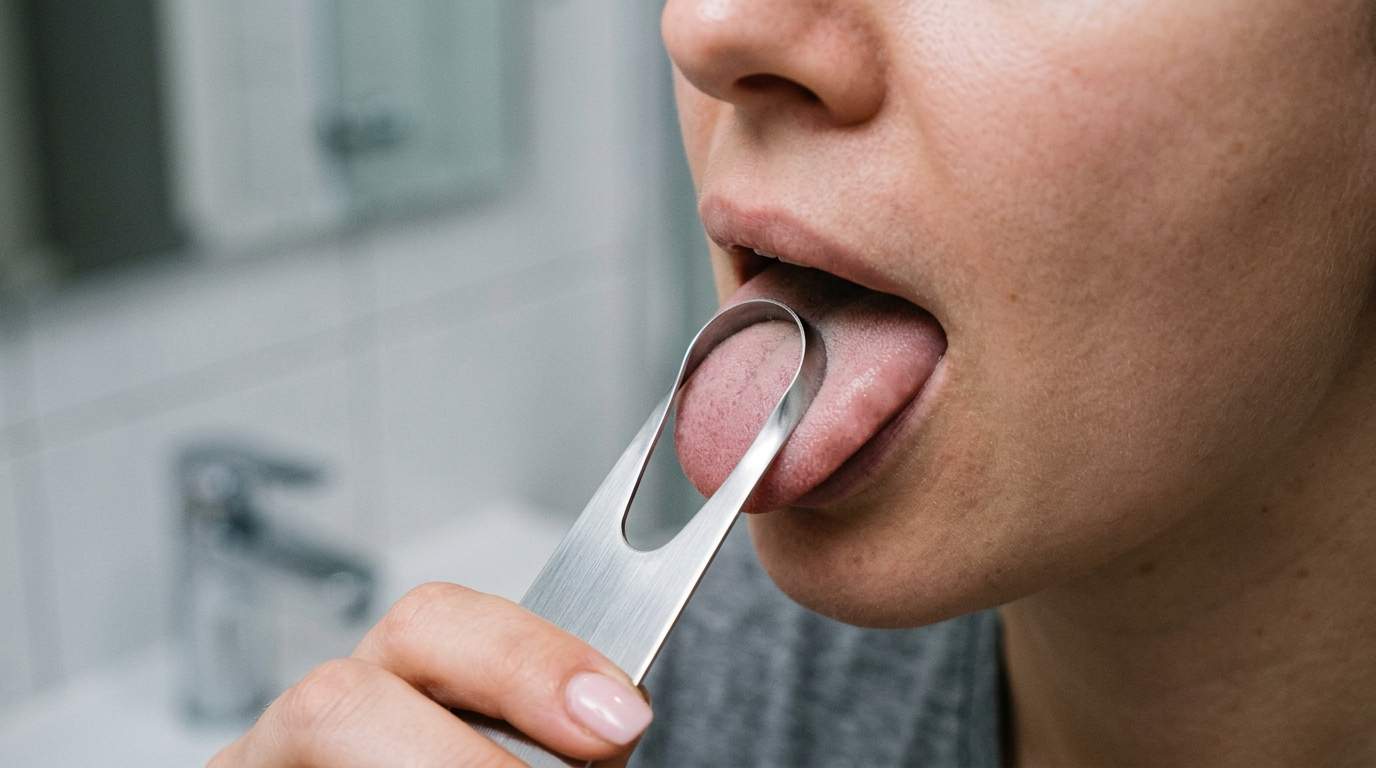
This is perhaps the most overlooked yet impactful step. After brushing, gently scrape your tongue from back to front 2-3 times using a dedicated tongue scraper or the back of your toothbrush. Rinse the scraper after each pass. This physically removes the bacterial film and significantly reduces VSC production.
Re-evaluating Your Oral Care Arsenal
Choose an alcohol-free mouthwash, preferably one containing zinc compounds or chlorine dioxide, which chemically neutralize VSCs rather than just masking them. Ensure you're brushing for two minutes, twice daily, and flossing once daily to remove plaque and food particles from between teeth and below the gumline. An electric toothbrush can often provide a more effective clean.
The Power of Hydration and Dietary Awareness
Make hydration a priority. Limit pungent foods like garlic and onions, especially before social interactions, as their volatile compounds can enter your bloodstream and be exhaled through your lungs. A balanced diet rich in fruits and vegetables also promotes overall oral health.
When to Seek Professional Guidance
If you've consistently implemented these strategies and still struggle with persistent bad breath, it's time to consult your dentist. They can conduct a thorough examination, identify any underlying oral issues like gum disease, large cavities, or tonsil stones, and provide tailored advice or refer you to a medical professional if a systemic cause is suspected. There's no shame in seeking help; understanding the root cause is the first step towards lasting fresh breath and renewed confidence.