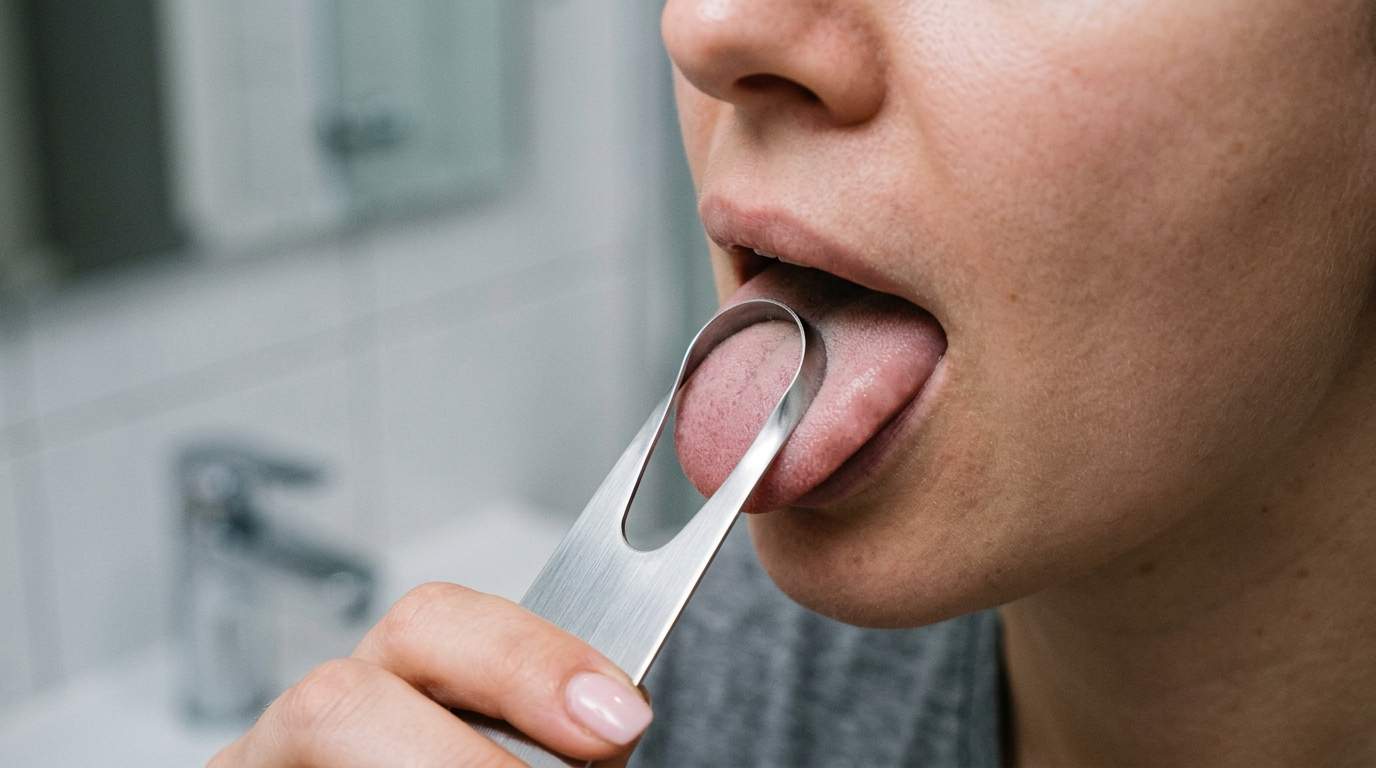
That familiar sting of self-consciousness, even after your most meticulous oral hygiene routine, is a common experience. You've just brushed your teeth, rinsed with mouthwash, perhaps even chewed a mint, yet that lingering doubt about your breath's freshness persists. It makes you hesitate in conversations, self-conscious about close interactions, and constantly reaching for temporary fixes that only mask the problem. If brushing, flossing, and mouthwash are designed to combat "bad breath germs," why does the issue often return within an hour, sometimes even feeling worse? This nagging question leads us to a deeper inquiry: could the very products intended to solve your bad breath actually be contributing to it in the long run? Is it possible that what you consume tonight might influence your morning breath more profoundly than your most rigorous brushing routine?
E.g. :The Daily Jolt: Why Your Teeth Scream at Cold Drinks (and How to Silence Them)
- 1、Beyond the Mint: Why Brushing Alone Won't Conquer Bad Breath
- 2、The Tongue: Your Breath's Unsung Reservoir of Odor-Causing Bacteria
- 3、The Gut-Breath Axis: How Your Diet Impacts Oral Freshness
- 4、The Dehydration Dilemma & Systemic Links to Halitosis
- 5、Cultivating Lasting Freshness: A Holistic Strategy for Bad Breath Remedies
- 6、FAQs
Beyond the Mint: Why Brushing Alone Won't Conquer Bad Breath
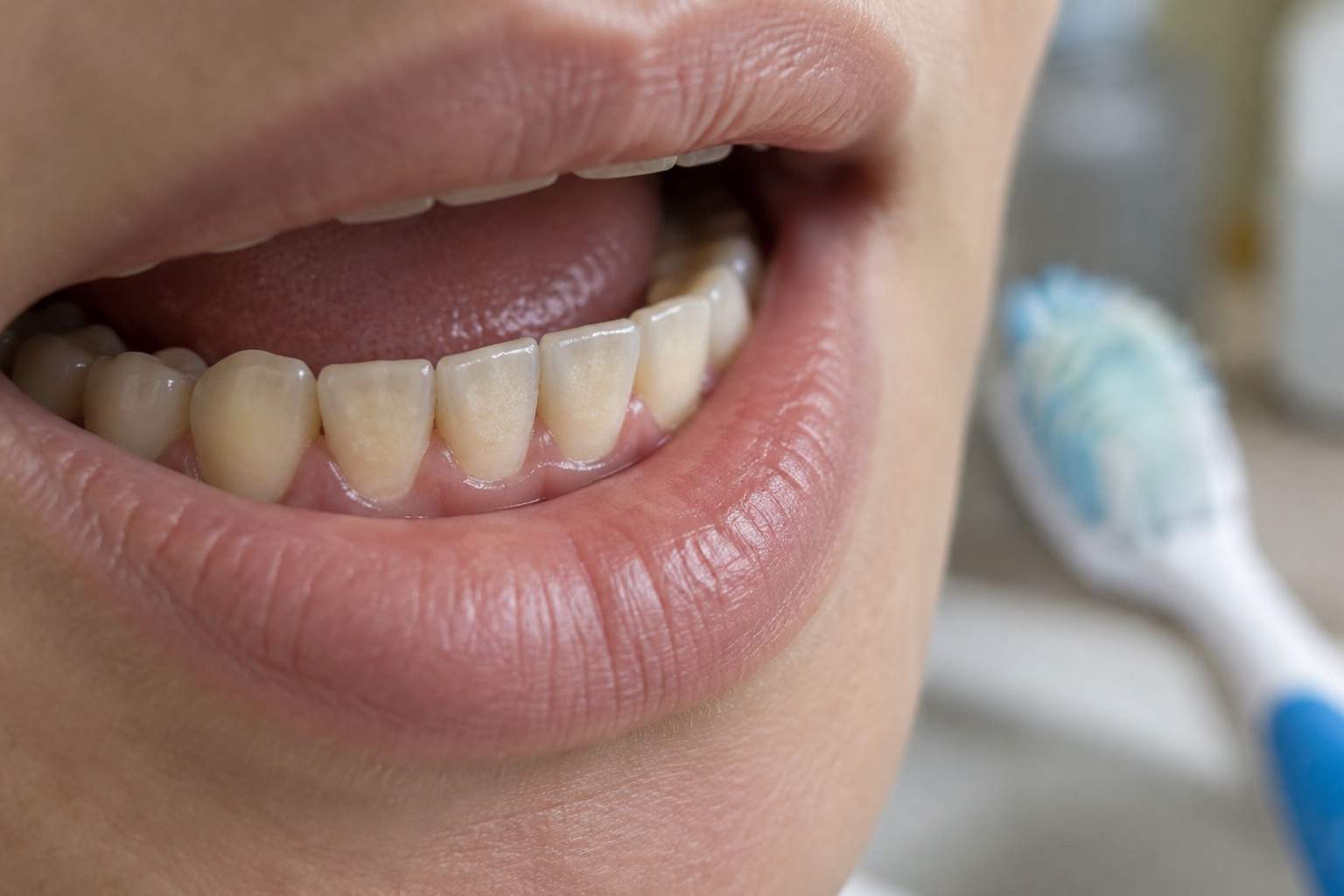
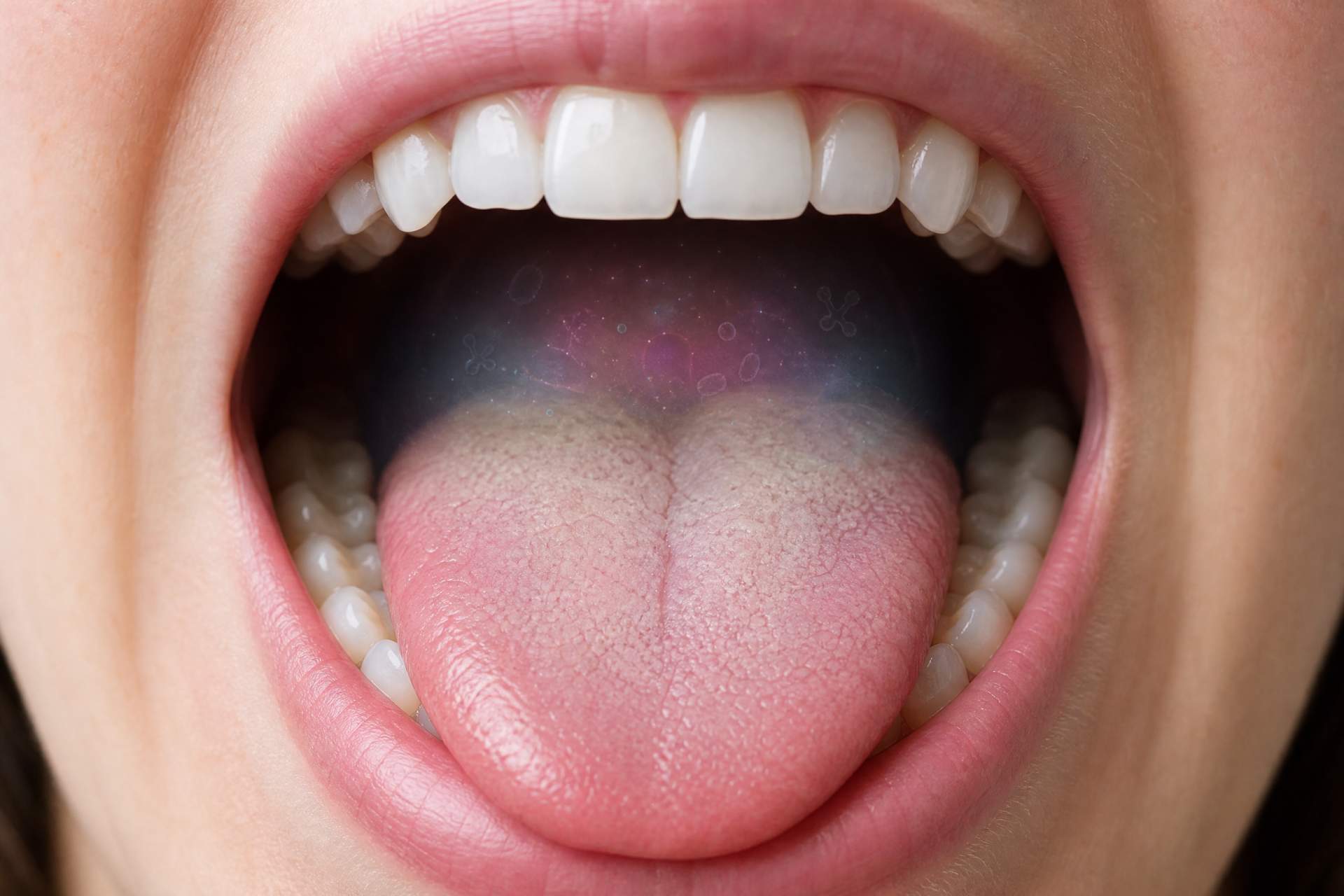
Our collective understanding of fresh breath often begins and ends with brushing. We're taught that a vigorous brush and a swish of mouthwash are the ultimate defense against foul odors. However, this perspective, while foundational, is often incomplete. The primary culprits behind most cases of bad breath, or halitosis, are volatile sulfur compounds (VSCs)—gases like hydrogen sulfide and methyl mercaptan, produced by certain bacteria in your mouth. These aren't just any "bad germs"; they are predominantly anaerobic bacteria, thriving in oxygen-deprived environments.
The Microbial Ecosystem: More Than Just "Bad Germs"
Your mouth is a complex, bustling ecosystem. While brushing effectively removes food particles and disrupts plaque, it often doesn't fully address the deeper layers of this microbial world. Many conventional, alcohol-based mouthwashes promise to "kill 99.9% of germs." While seemingly effective, this broad-spectrum assault can disrupt the delicate balance of your oral microbiome. By indiscriminately killing both beneficial and harmful bacteria, these products can sometimes clear the way for more resistant, odor-producing strains to flourish, or even contribute to dry mouth, a significant factor we'll discuss shortly. Scientific consensus points to the importance of maintaining a balanced oral flora rather than sterile eradication, recognizing that a truly healthy mouth harbors a diverse community of microbes.
The Tongue: Your Breath's Unsung Reservoir of Odor-Causing Bacteria
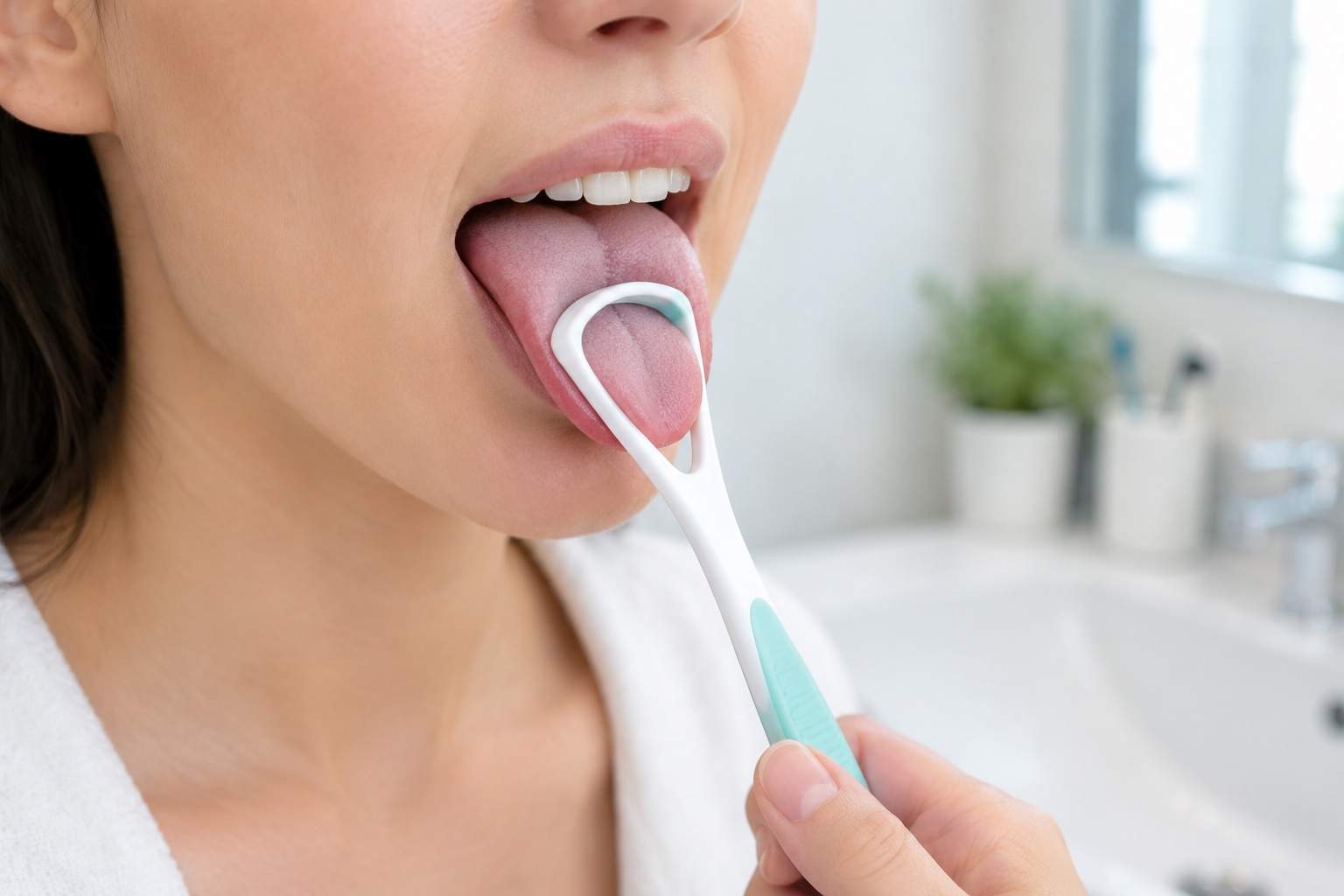
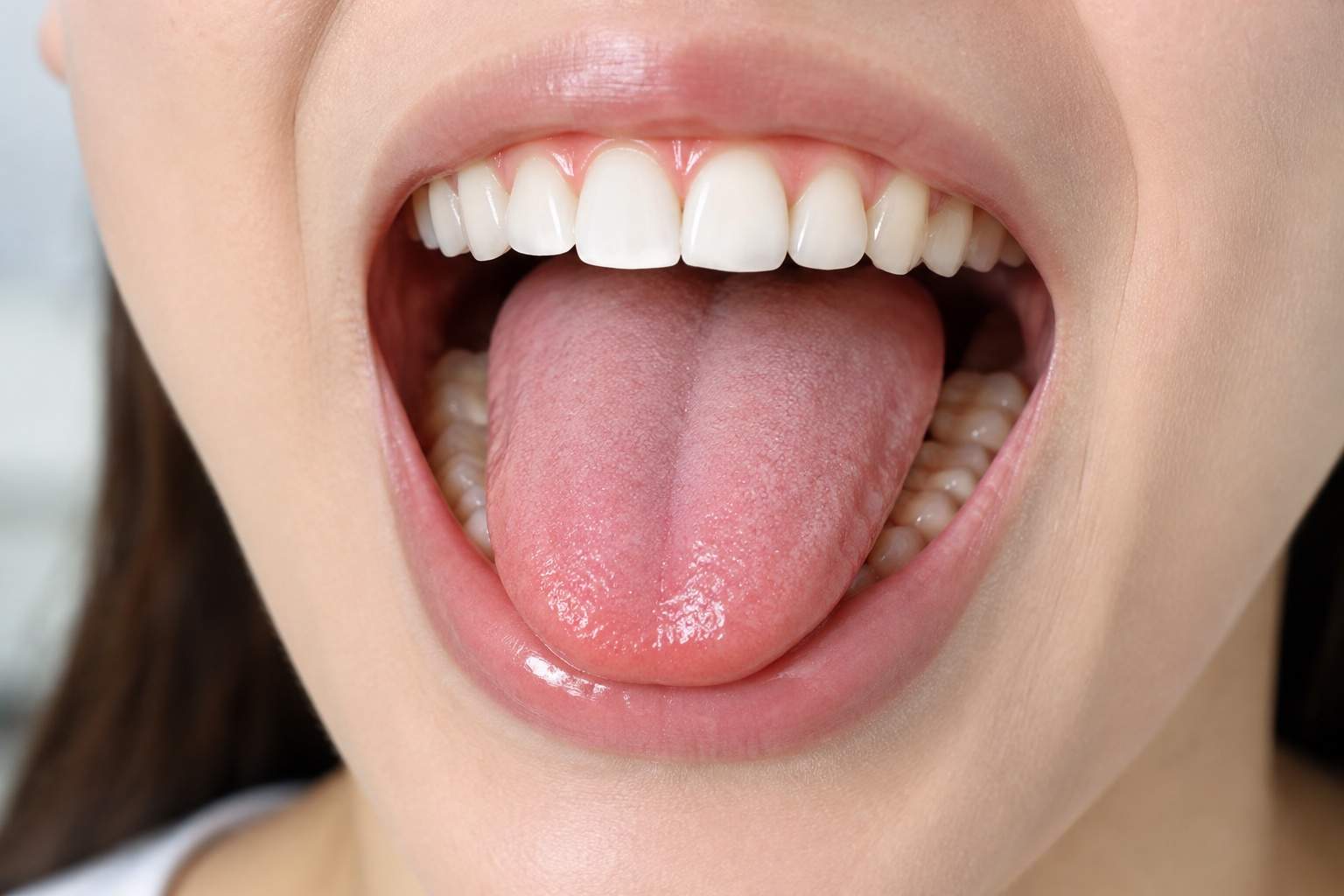
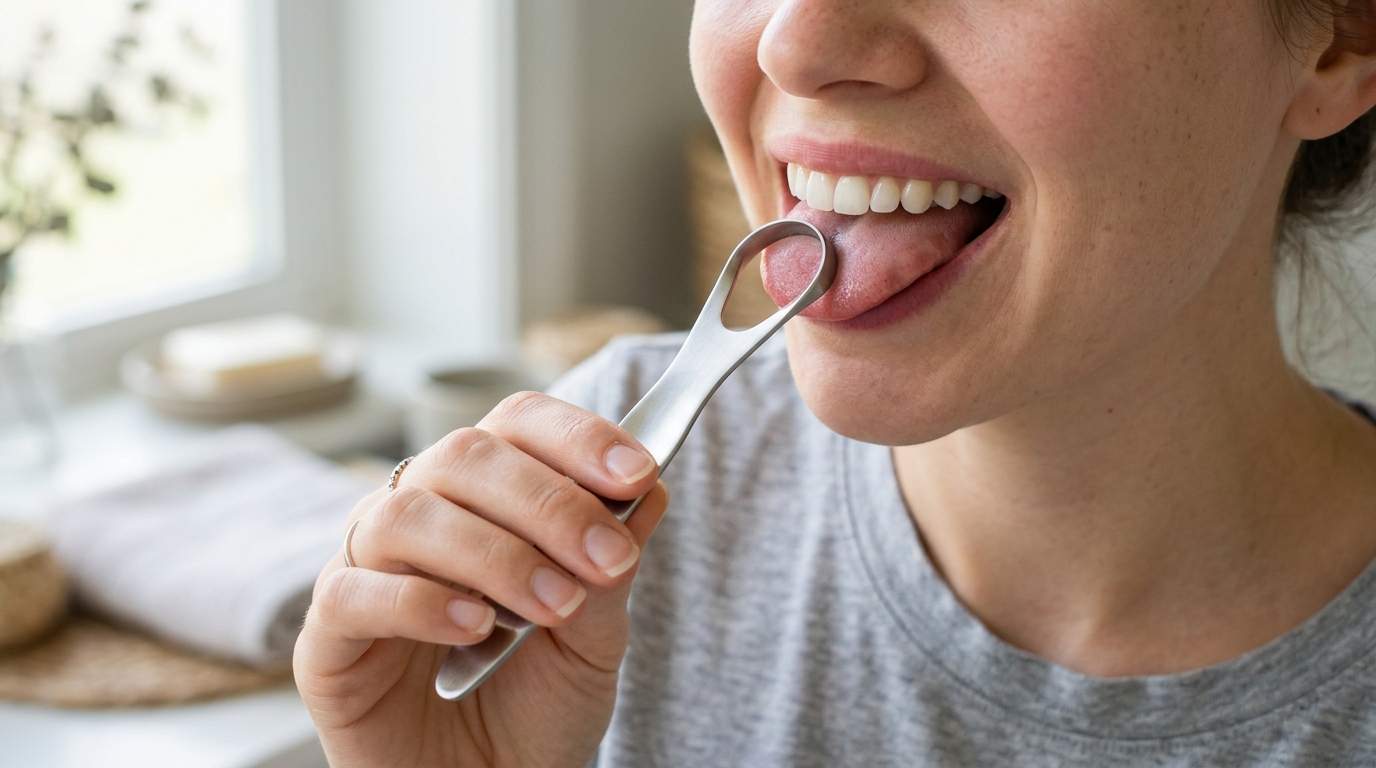
Often overlooked in our daily cleaning rituals is the tongue. While it may appear relatively smooth, the surface of your tongue, particularly the rougher posterior regions, is an ideal breeding ground for the anaerobic bacteria responsible for VSCs. These microorganisms, along with food debris and dead cells, form a sticky, whitish coating – a biofilm – that brushing alone often struggles to remove effectively.
Why a Tongue Scraper is More Than a Gimmick
Studies in oral microbiology have consistently shown that the tongue biofilm is a major source of oral malodor. Simply brushing your tongue with a toothbrush may only move these microbes around without truly dislodging them from the tongue's papillae. This is where a tongue scraper becomes an invaluable tool. Designed specifically to gently yet effectively scrape away this bacterial layer, it can significantly reduce the bacterial load and, consequently, the production of VSCs. Incorporating this simple step into your routine can offer a profound difference in sustained breath freshness that brushing alone cannot achieve.
The Gut-Breath Axis: How Your Diet Impacts Oral Freshness
While local oral hygiene is crucial, the story of bad breath often extends far beyond the confines of your mouth. What you consume, and even how your body processes it, plays a significant role in your breath's character. This concept highlights the intricate connection between your digestive system and your breath.
Dietary Culprits and Their Aromatic Aftermath
Certain foods, famously garlic and onions, contain sulfur compounds that, once digested, are absorbed into your bloodstream and exhaled through your lungs. No amount of brushing can eliminate this "systemic" bad breath, which originates from within. Similarly, coffee and alcohol can contribute to dry mouth and foster an environment conducive to odor-producing bacteria. Beyond these common culprits, diets high in protein and low in carbohydrates can lead to a metabolic state called ketosis, which produces ketones. These compounds, too, are exhaled and can result in a distinct, often fruity or acetone-like, unpleasant odor. This demonstrates that for truly fresh breath, attention to dietary choices is as important as diligent brushing.
The Dehydration Dilemma & Systemic Links to Halitosis
Another critical, yet frequently underestimated, factor in chronic bad breath is the role of saliva and overall hydration. Saliva is your mouth's natural cleansing agent, constantly washing away food particles and bacteria. It also contains enzymes and antibodies that help maintain a healthy oral environment.
Saliva: Your Mouth's Natural Cleansing Agent
When saliva flow decreases, a condition known as dry mouth or xerostomia, bacteria can multiply more rapidly, leading to an increase in VSCs. Dry mouth can be caused by various factors, including insufficient water intake, certain medications (antihistamines, decongestants, antidepressants), mouth breathing, and even stress. A consistently dry mouth not only contributes to bad breath but also increases the risk of tooth decay and gum disease. Staying adequately hydrated throughout the day is a simple yet powerful strategy for promoting healthy saliva flow and, by extension, fresher breath.
Beyond the Mouth: Systemic Health Conditions and Breath Odor
Sometimes, persistent bad breath signals an underlying health issue beyond typical oral hygiene concerns. Chronic conditions such as sinus infections, post-nasal drip, tonsil stones (calcified deposits in the tonsils), gastroesophageal reflux disease (GERD), and even more serious systemic illnesses like diabetes, kidney disease, or liver disease, can manifest as distinct breath odors. For instance, uncontrolled diabetes can lead to a fruity breath odor, while kidney failure might result in a "fishy" or ammonia-like smell. Recognizing these potential connections is crucial, as treating the underlying condition is the only way to truly resolve the associated halitosis. If you suspect your persistent bad breath might stem from such an issue, consulting a healthcare professional is paramount.
Cultivating Lasting Freshness: A Holistic Strategy for Bad Breath Remedies
Achieving truly fresh breath is less about quick fixes and more about understanding the complex interplay of oral hygiene, diet, hydration, and overall health. It requires a shift from merely masking symptoms to addressing root causes.
To foster long-lasting freshness, consider these holistic strategies:
- Elevate Your Oral Hygiene: Beyond meticulous brushing and consistent flossing, integrate daily tongue scraping. Consider an alcohol-free, hydrating mouth rinse that supports your oral microbiome rather than stripping it.
- Hydrate Consistently: Make water your primary beverage. Sip throughout the day to encourage saliva flow and help cleanse your mouth naturally.
- Review Your Diet: Be mindful of foods known to cause systemic odors. Observe how different foods impact your breath and adjust your intake accordingly. A balanced diet rich in fruits and vegetables is beneficial for overall health and oral freshness.
- Regular Dental Check-ups: Your dentist is your first line of defense. They can identify and treat dental issues like cavities or gum disease, which are significant contributors to bad breath. They can also offer personalized advice and deep cleaning that goes beyond your daily routine.
- Consult a Healthcare Professional: If, despite rigorous oral care and lifestyle adjustments, your bad breath persists, it's essential to seek medical advice. As discussed, underlying systemic conditions often manifest as halitosis, and a comprehensive medical evaluation can uncover these hidden culprits and guide you towards appropriate treatment. You are not alone in this journey, and seeking professional help is a sign of proactive self-care.