Have you ever experienced that all-too-familiar sinking feeling? You’ve just completed your dental routine – a thorough brush, meticulous flossing, perhaps even a swish of mouthwash – only to discover an hour later that the unwelcome guest of stale breath has returned. It’s a frustrating paradox: despite your diligent efforts, that embarrassing taste and odor persist, casting a shadow over conversations and leaving you constantly self-conscious. You scrub and rinse, yet that 'dragon breath' often greets you first thing in the morning, leading you to wonder, "What on earth am I missing?"
E.g. :You Reuse Dental Floss Picks – That’s Spreading Bacteria Between Teeth
- 1、The Silent Saboteurs in Your Mouth: Beyond Food Particles
- 2、The Mouthwash Paradox: When Freshness Fades Fast
- 3、More Than Just Oral Hygiene: Systemic Connections to Persistent Bad Breath
- 4、Unmasking Dry Mouth: A Major Contributor to Lingering Odor
- 5、Holistic Approaches to Reclaim Your Fresh Breath and Confidence
- 6、FAQs
It’s easy to blame the usual suspects – that morning coffee, last night’s garlic, or perhaps you haven't brushed 'hard enough.' But what if the true origins of your lingering oral odor run deeper, stemming from factors you’ve never even considered, and sometimes, even from the very remedies you employ? As a seasoned health science writer with a focus on dental well-being, I’ve delved into the underlying principles of oral health, and the persistent nature of bad breath, or halitosis, often reveals a fascinating interplay of biological processes, not just simple hygiene misses. Let's unmask these often-overlooked causes.
The Silent Saboteurs in Your Mouth: Beyond Food Particles
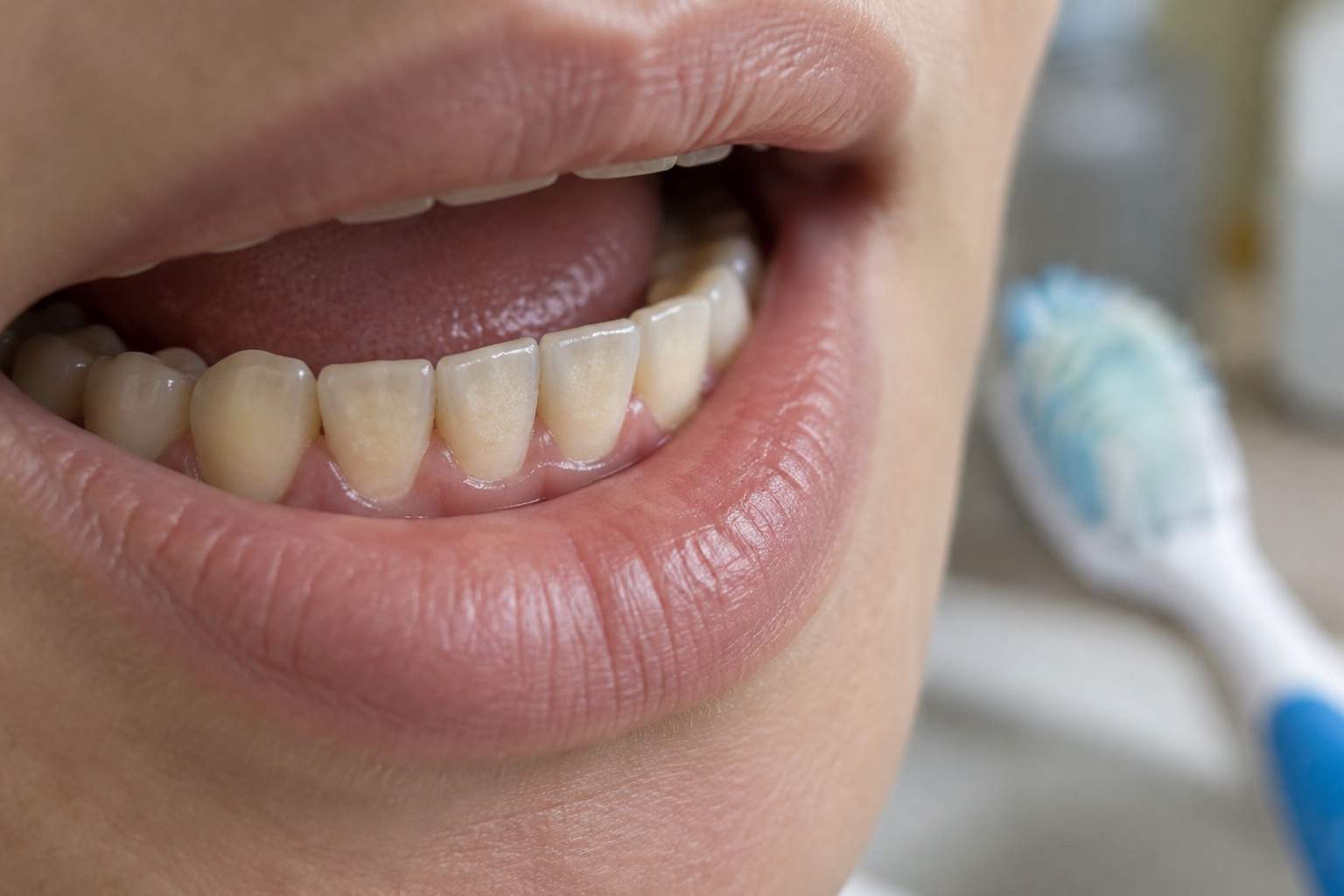
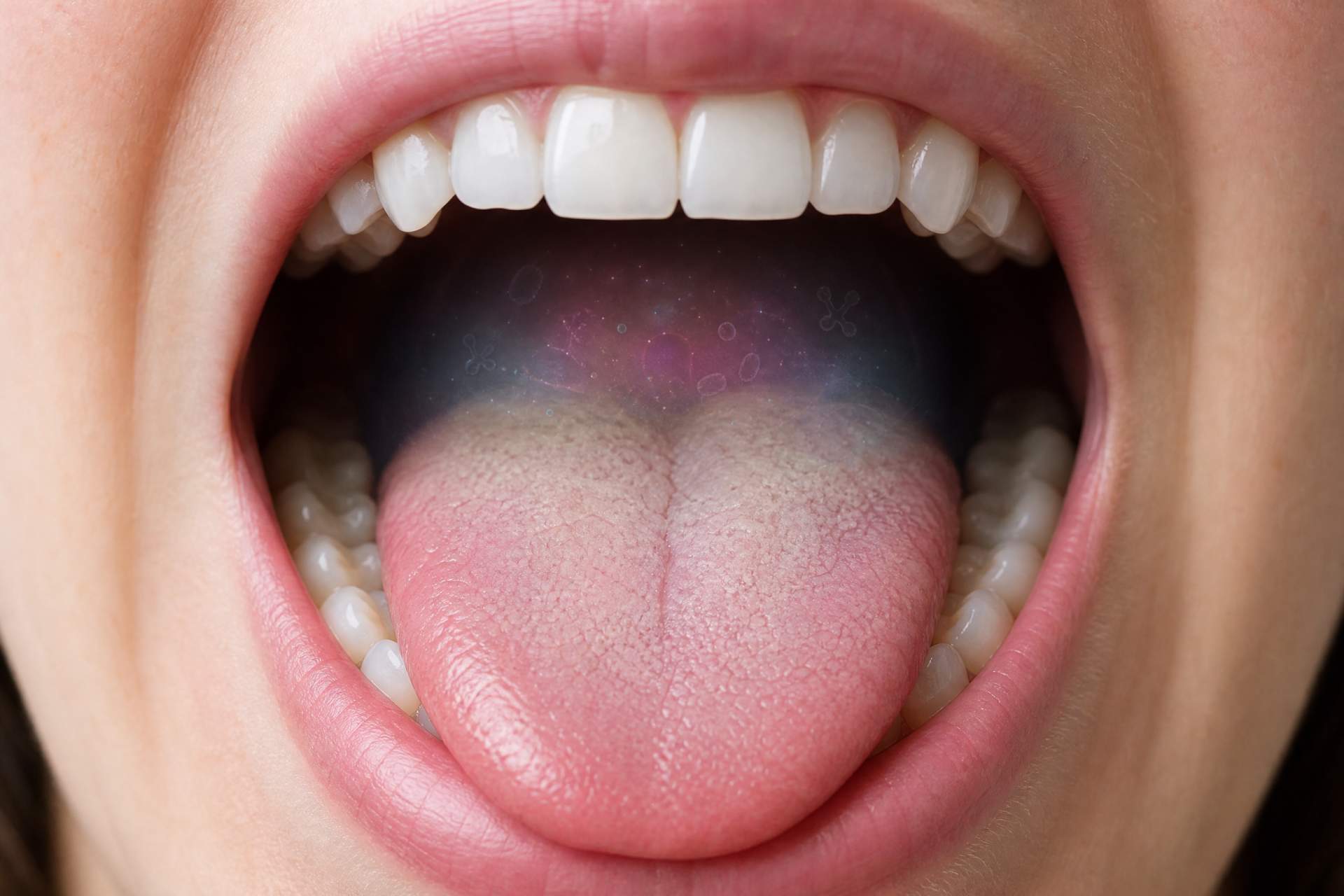
While remnants of food certainly contribute, the primary architects of bad breath are often microscopic. The human mouth is a bustling ecosystem, home to hundreds of species of bacteria. Most are beneficial, but a specific group of anaerobic bacteria, thriving in oxygen-deprived environments, are notorious for their role in halitosis. These bacteria feast on protein particles found in food debris, dead cells, and post-nasal drip, breaking them down into volatile sulfur compounds (VSCs). These VSCs, such as hydrogen sulfide and methyl mercaptan, are the very compounds responsible for that characteristic rotten-egg or cabbage-like smell.
The Tongue's Unseen City
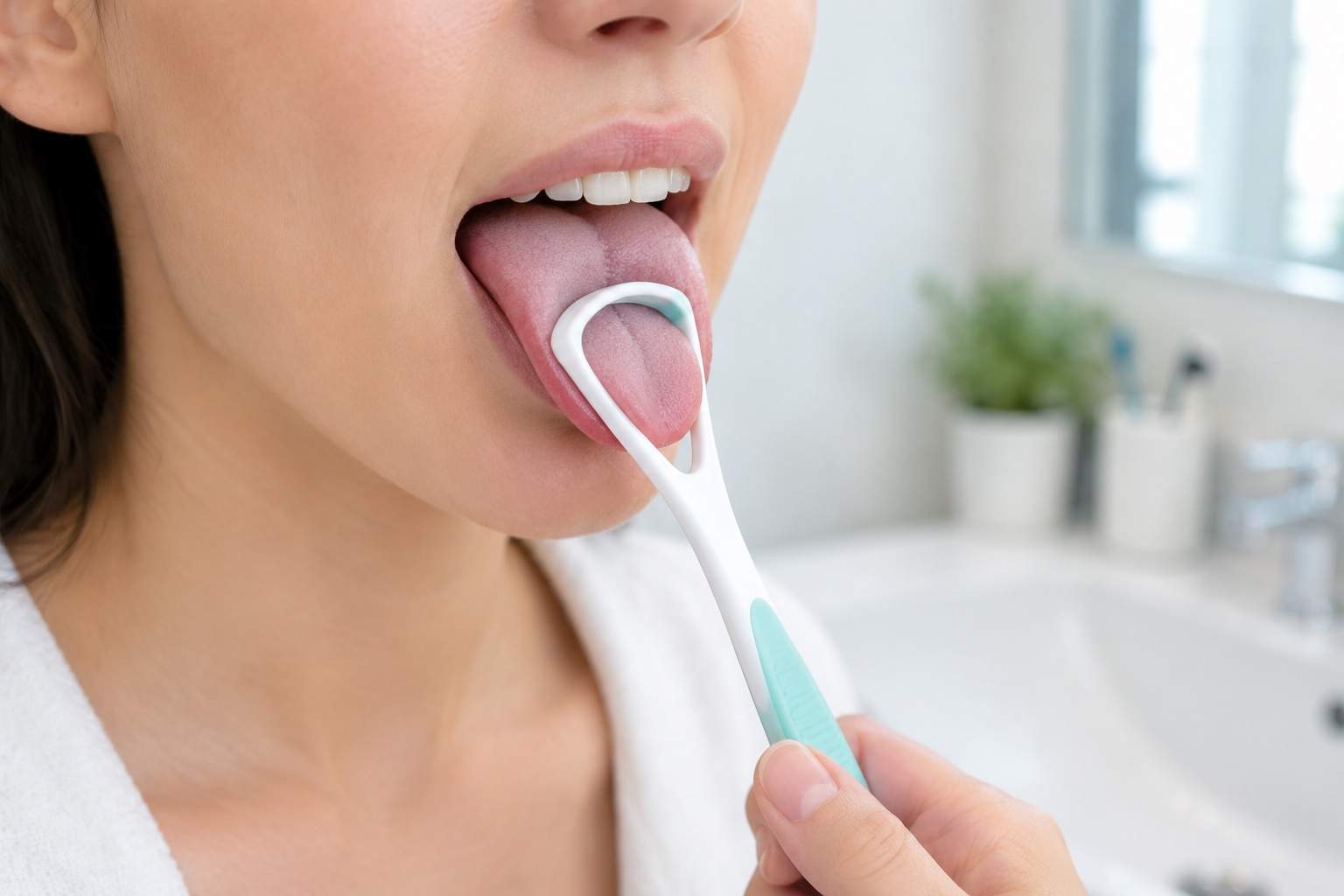
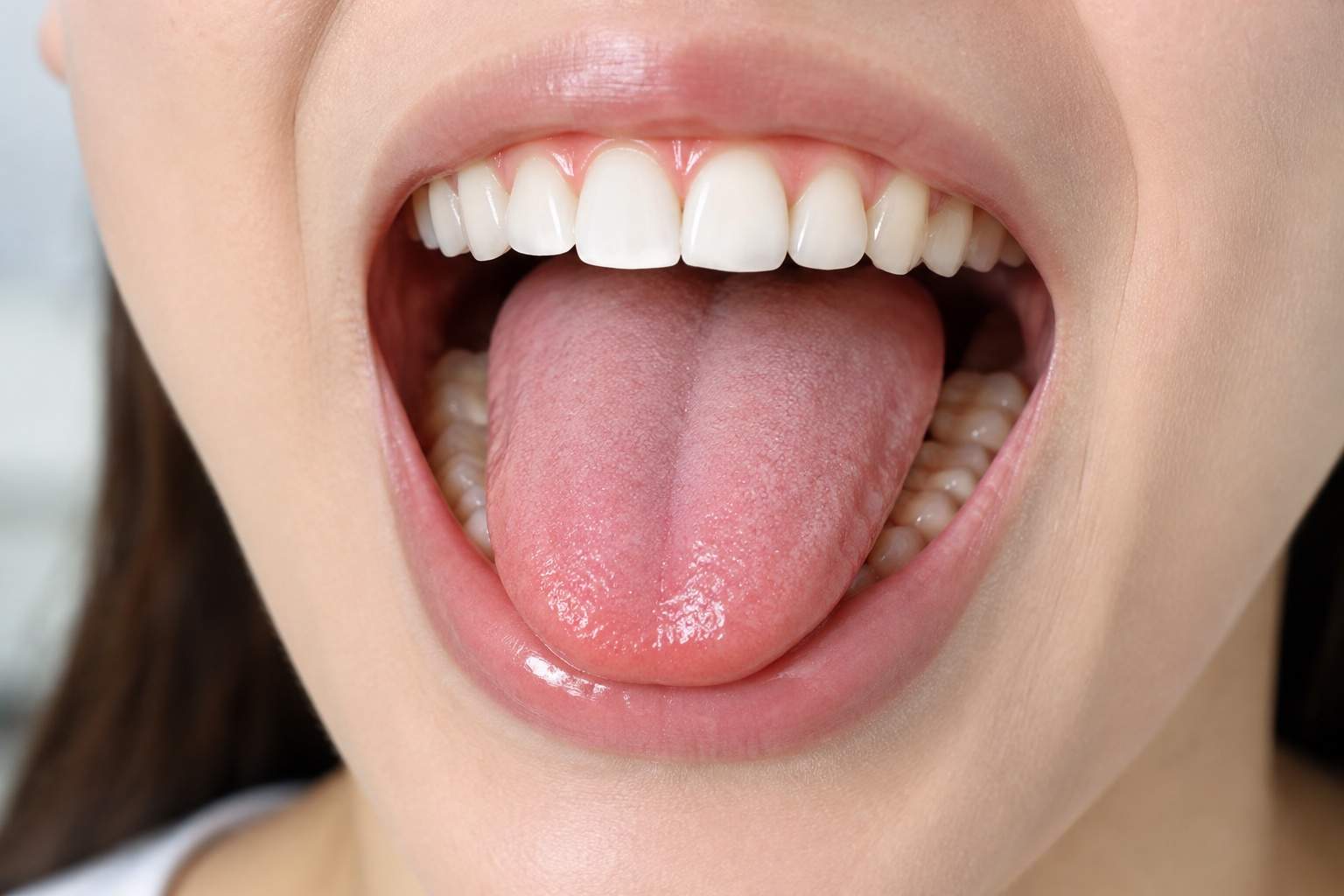
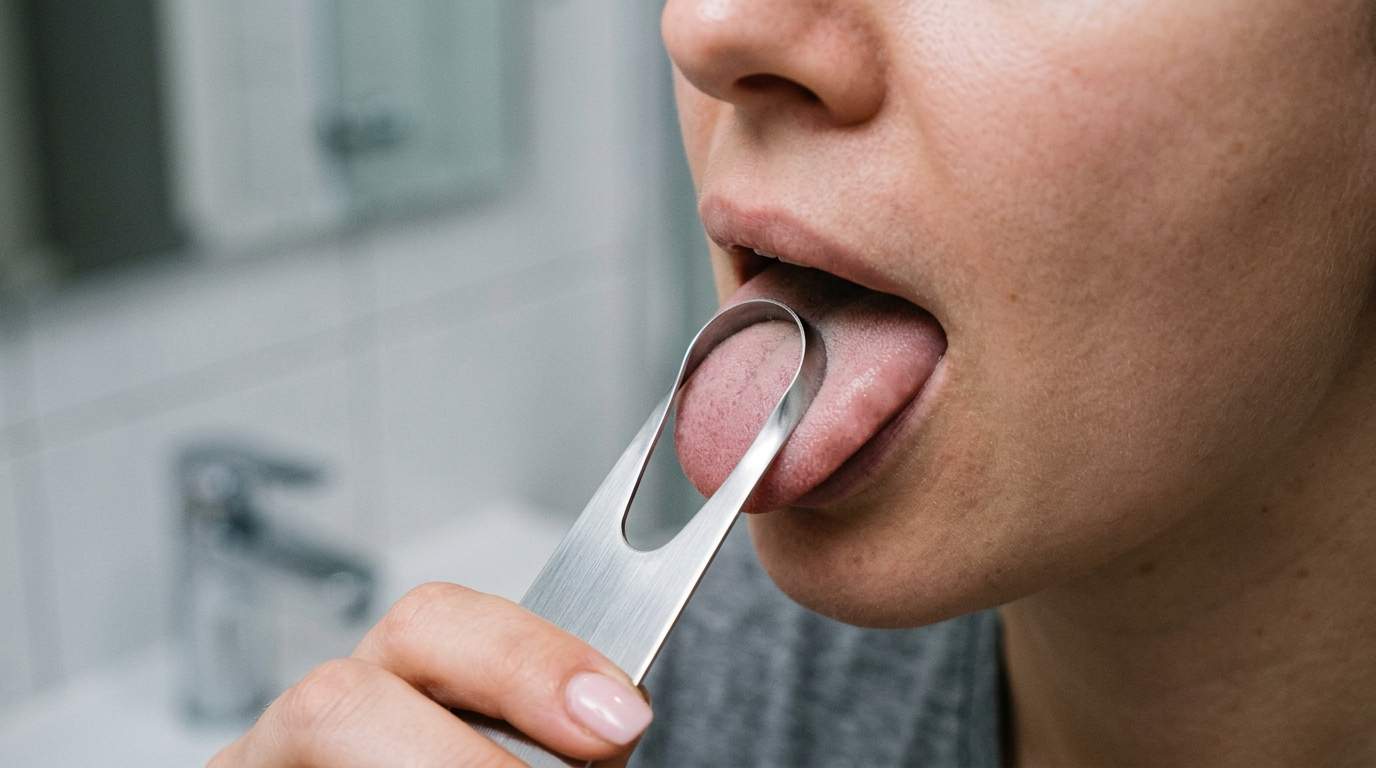
One of the most significant, yet often neglected, breeding grounds for these odor-producing bacteria is the tongue. The rough surface of the tongue, particularly the back third, provides an ideal environment for bacteria, food particles, and dead cells to accumulate, forming a thick, whitish coating. Scientific studies, including research published in the Journal of Periodontology, consistently highlight that bacterial coatings on the tongue are a major contributor to VSC production, accounting for a substantial percentage of all halitosis cases. Simply brushing your teeth won't effectively dislodge this bacterial biofilm; it requires specific attention.
The Mouthwash Paradox: When Freshness Fades Fast
Many turn to mouthwash as a quick fix for bad breath, and for good reason – the immediate minty blast provides a sense of freshness. However, relying solely on certain types of mouthwash, particularly those high in alcohol, can inadvertently exacerbate the problem in the long run. Alcohol, while a powerful antiseptic, tends to dry out the oral tissues. Saliva is your mouth's natural cleansing agent, neutralizing acids and washing away bacteria and food particles. A dry mouth, or xerostomia, drastically reduces saliva flow, creating an even more favorable environment for odor-producing anaerobic bacteria to proliferate. This can lead to a vicious cycle: you use mouthwash for fresh breath, it dries your mouth, bacteria thrive, and the bad breath returns, often worse, prompting you to use more mouthwash.
More Than Just Oral Hygiene: Systemic Connections to Persistent Bad Breath
Sometimes, the root cause of persistent bad breath lies beyond the mouth itself, pointing to systemic conditions or other parts of the upper respiratory and digestive systems. It's a testament to the interconnectedness of our body's systems. Conditions like chronic sinusitis, tonsillitis (where bacteria can hide in tonsil crypts), and even certain lung infections can manifest as oral odors. Gastrointestinal issues, particularly gastroesophageal reflux disease (GERD), can cause stomach acids and partially digested food to release odors that travel up the esophagus and into the mouth.
Unraveling the Gut-Breath Connection
Emerging research continues to shed light on the intricate relationship between our gut microbiome and overall health, including oral health. An imbalance in the gut flora, known as dysbiosis, can lead to the production of certain gases and metabolic byproducts that, while not directly exhaled through the mouth, can impact systemic processes that contribute to halitosis. While direct causation is still being fully explored, a healthy gut is increasingly recognized as a cornerstone of overall well-being, influencing everything from immunity to inflammation, which can indirectly affect oral health.
Unmasking Dry Mouth: A Major Contributor to Lingering Odor
As touched upon with mouthwash, dry mouth is a significant, yet often underestimated, contributor to persistent bad breath. Saliva is not just water; it's a complex fluid packed with enzymes, antibodies, and minerals that protect your teeth and gums, aid digestion, and continuously rinse your mouth. Without sufficient saliva, bacteria and food particles linger, allowing VSCs to build up. Dry mouth can be caused by numerous factors: certain medications (antihistamines, antidepressants, diuretics are common culprits), systemic diseases (like Sjögren's syndrome or diabetes), dehydration, habitual mouth breathing (especially during sleep), and even stress. A persistent dry mouth, irrespective of its origin, almost inevitably leads to chronic bad breath.
Holistic Approaches to Reclaim Your Fresh Breath and Confidence
Understanding the multi-faceted nature of persistent bad breath is the first step towards a lasting solution. It’s not just about brushing harder; it’s about a more comprehensive, informed approach.
- Prioritize Tongue Cleaning: Invest in a good tongue scraper. Gently scrape your tongue from back to front several times daily. You'll be surprised by the amount of residue you remove, significantly reducing bacterial load.
- Hydrate Adequately: Drink plenty of water throughout the day. Water not only helps wash away food particles but also stimulates saliva production, your mouth's natural defense mechanism.
- Rethink Your Mouthwash: Opt for alcohol-free, antibacterial mouthwashes if you feel the need to use one. Better yet, consider a rinse specifically designed to neutralize VSCs or promote a healthy oral microbiome.
- Dietary Awareness: While not the primary cause of chronic halitosis, certain foods can temporarily worsen it. Be mindful of strong-smelling foods, but also ensure a balanced diet rich in fruits and vegetables, which can aid saliva production and gut health.
- Address Underlying Conditions: If dry mouth, sinus issues, acid reflux, or other systemic health concerns are present, work with your healthcare provider to manage these conditions. Effective treatment of these issues can often resolve associated halitosis.
When to Seek Professional Guidance
If despite diligent home care and addressing potential systemic factors, your bad breath persists, it’s crucial to consult your dentist or doctor. Your dentist can perform a thorough examination, rule out advanced gum disease or deep-seated oral infections, and may even be able to pinpoint the source using specialized breath analysis tools. If no oral cause is found, they can refer you to a physician to investigate potential systemic origins. Remember, persistent bad breath is not just an inconvenience; it can be a signal from your body that something warrants attention. Seeking help is a proactive step towards not just fresher breath, but improved overall health and renewed confidence.