You're brushing your teeth, and again, you notice a faint streak of pink in the sink. A common sight for many, it's often dismissed with a shrug—"just brushing too hard," or "it happens sometimes." Yet, that fleeting blush in your rinse water might be more than a minor annoyance; it's a quiet alarm, a visible manifestation of an invisible battle brewing beneath the surface of your smile. This seemingly innocuous trickle could be the earliest whisper of significant oral health issues, potentially impacting not just your breath but your overall well-being.
E.g. :Your Mouthwash Is Making Your Bad Breath Worse – Here’s Why Dry Mouth Backfires
- 1、The Silent Alarm: Why Your Bleeding Gums Deserve Attention
- 2、Unmasking Gingivitis: The Root of Most Bleeding Gums
- 3、Is Your Oral Hygiene Missing the Mark? Re-evaluating Common Practices
- 4、Beyond the Surface: Systemic Connections to Gum Health
- 5、Reclaiming Your Oral Health: Practical Steps for Healthy Gums
- 6、FAQs
The Silent Alarm: Why Your Bleeding Gums Deserve Attention
The appearance of blood, however slight, from your gums is never truly "normal." It's a physiological response, much like a bruise on your skin, indicating that something isn't quite right. While vigorous brushing can certainly irritate delicate gum tissues, persistent bleeding is overwhelmingly a primary indicator of gingivitis, the mildest form of gum disease. Studies have shown that a significant portion of the adult population experiences some form of gum inflammation, making this a widespread, yet often underestimated, health concern. Ignoring these bleeding gums causes can lead to more advanced stages of periodontal disease, with far-reaching consequences.
Beyond Brushing: The Real Culprits
Our immediate instinct often points to our brushing technique, and while technique is crucial, the true orchestrator of gum bleeding is often a microscopic world thriving within your mouth. It’s a complex ecosystem, and when its balance is disturbed, inflammation ensues. This inflammation is the body’s natural defense mechanism responding to perceived threats, which, in the mouth, usually translates to bacterial plaque.
Unmasking Gingivitis: The Root of Most Bleeding Gums
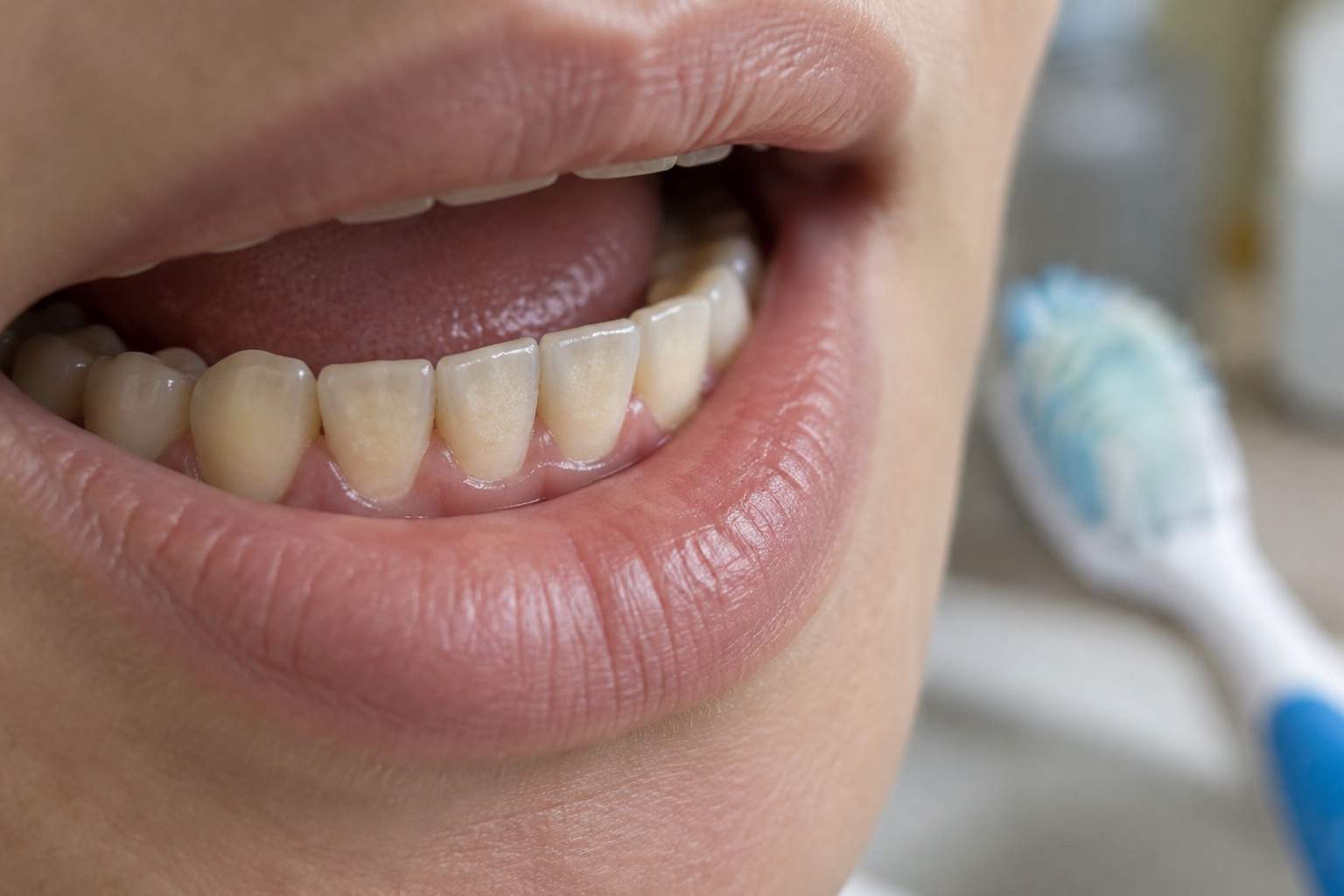
Gingivitis, derived from "gingiva" (gums) and "itis" (inflammation), is the body's inflammatory response to bacterial plaque accumulating along the gum line. When plaque, a sticky film of bacteria, isn't adequately removed through daily brushing and flossing, these bacteria release toxins. These toxins irritate the gum tissue, leading to inflammation, redness, swelling, and crucially, an increased tendency to bleed during brushing, flossing, or even eating. These are the classic gum disease symptoms that serve as your body's early warning system.

The Microbial Menace: Plaque and Inflammation
Imagine plaque as a tiny, yet formidable, city of microorganisms. If left undisturbed, this city grows, hardens into tartar (calculus), and provides a haven for bacteria to thrive and produce acids and toxins. Your immune system then mounts a defense, sending inflammatory cells to the area. This influx of cells and fluids makes the gum tissue more fragile and susceptible to bleeding. It’s a cyclical process: more plaque, more inflammation, more bleeding. This isn't just a dental issue; chronic inflammation anywhere in the body can have systemic implications, linking oral health to conditions like cardiovascular disease and diabetes, a connection increasingly recognized in modern medicine.
Is Your Oral Hygiene Missing the Mark? Re-evaluating Common Practices
Many of us meticulously follow what we think are good oral hygiene practices, yet still encounter the pink sink. This suggests a need to critically examine our routines and tools. It's not just about doing something; it's about doing the right thing effectively. Often, well-intentioned efforts can be misguided, contributing to the very problems we aim to prevent. Understanding the nuances of effective oral hygiene tips is paramount for preventing issues like persistent bad breath cause and gingivitis.
The Toothbrush Paradox: Gentle is More
The prevailing wisdom for a deep clean sometimes leads people to believe that "harder is better." Many vigorously scrub their teeth with medium or hard-bristled brushes, equating the sensation with cleanliness. However, this aggressive approach is often counterproductive. Hard brushing can abrade gum tissue, leading to recession and sensitivity, and can damage tooth enamel. It doesn't remove plaque more effectively; instead, a soft-bristle toothbrush used with gentle, circular motions, angling the bristles towards the gum line, is far superior for dislodging plaque without causing trauma. It's a testament to the principle that finesse, not force, yields the best results in delicate biological systems.
The Flossing Finesse: Technique Over Task
"Are you flossing?" is a common question from dental professionals. But simply moving a piece of string between your teeth isn't enough. Many people "snap" the floss into place, which can injure the gums. The real magic of flossing lies in creating a "C" shape around each tooth, gently guiding the floss beneath the gum line to scrape away plaque. This technique, applied to both sides of each tooth, is what truly disrupts the bacterial colonies lurking where toothbrushes cannot reach. Without this deliberate motion, the interdental spaces remain sanctuaries for plaque, contributing significantly to inflammation and bleeding, even in otherwise diligent brushers.
Mouthwash Myths: Friend or Foe to Your Microbiome?
The allure of a powerful, antiseptic mouthwash is strong, promising a "fresh" and "clean" feeling. While some therapeutic mouthwashes can be beneficial for specific conditions, many over-the-counter options, especially those containing alcohol or harsh antimicrobials, can disrupt the delicate balance of your oral microbiome. Your mouth hosts a vast community of beneficial bacteria that play a role in preventing disease. Overzealous use of strong mouthwashes can wipe out these good bacteria alongside the bad, potentially leading to issues like dry mouth or even creating an environment where more harmful microbes can proliferate once the effect wears off. For daily use, a fluoride rinse or a non-alcoholic, milder antimicrobial rinse, when recommended by your dentist, is generally preferred.
Beyond the Surface: Systemic Connections to Gum Health
It's crucial to understand that your mouth is not an isolated entity. The health of your gums can be a mirror reflecting your overall health. Conditions such as diabetes, hormonal fluctuations (pregnancy, menopause), certain medications (e.g., blood thinners, some antidepressants), nutritional deficiencies (e.g., Vitamin C deficiency), and even stress can exacerbate gum bleeding. For example, individuals with uncontrolled diabetes are more susceptible to infections, including gum disease, due to impaired immune function and healing. Pregnancy hormones can make gums more sensitive and prone to bleeding (pregnancy gingivitis). Therefore, addressing persistent gum bleeding might require a holistic approach, considering factors beyond just oral hygiene.
Reclaiming Your Oral Health: Practical Steps for Healthy Gums
Taking control of your gum health is an empowering step towards holistic well-being. It starts with understanding that your mouth is an integral part of your body.
A Gentle Daily Ritual
- Brush twice daily: Use a soft-bristle brush and fluoride toothpaste. Angle the brush at 45 degrees to the gum line and use gentle, circular strokes. Aim for two minutes each time.
- Floss once daily: Master the "C" shape technique, gently curving the floss around each tooth and sliding it below the gum line. Interdental brushes can be an excellent alternative or supplement.
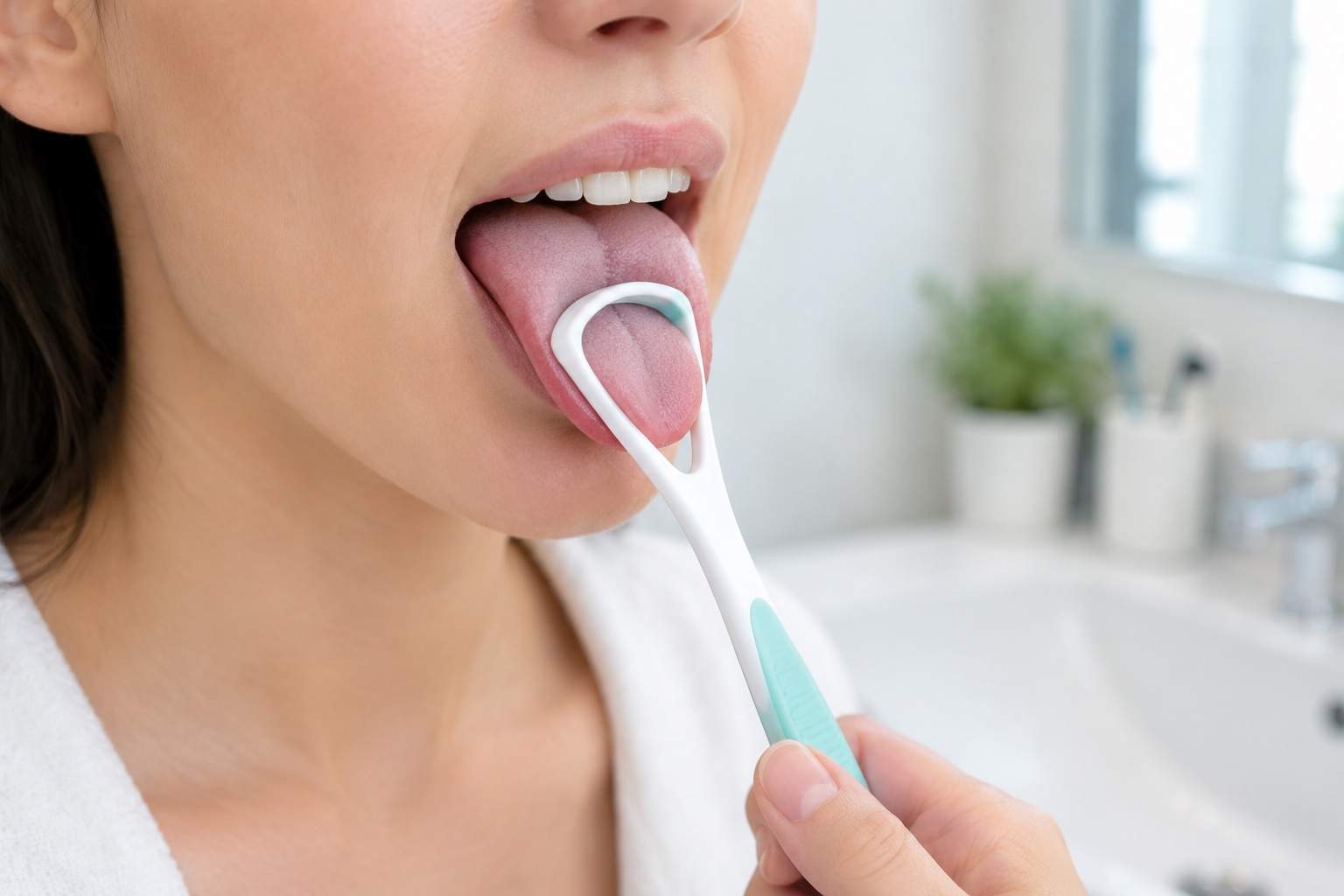
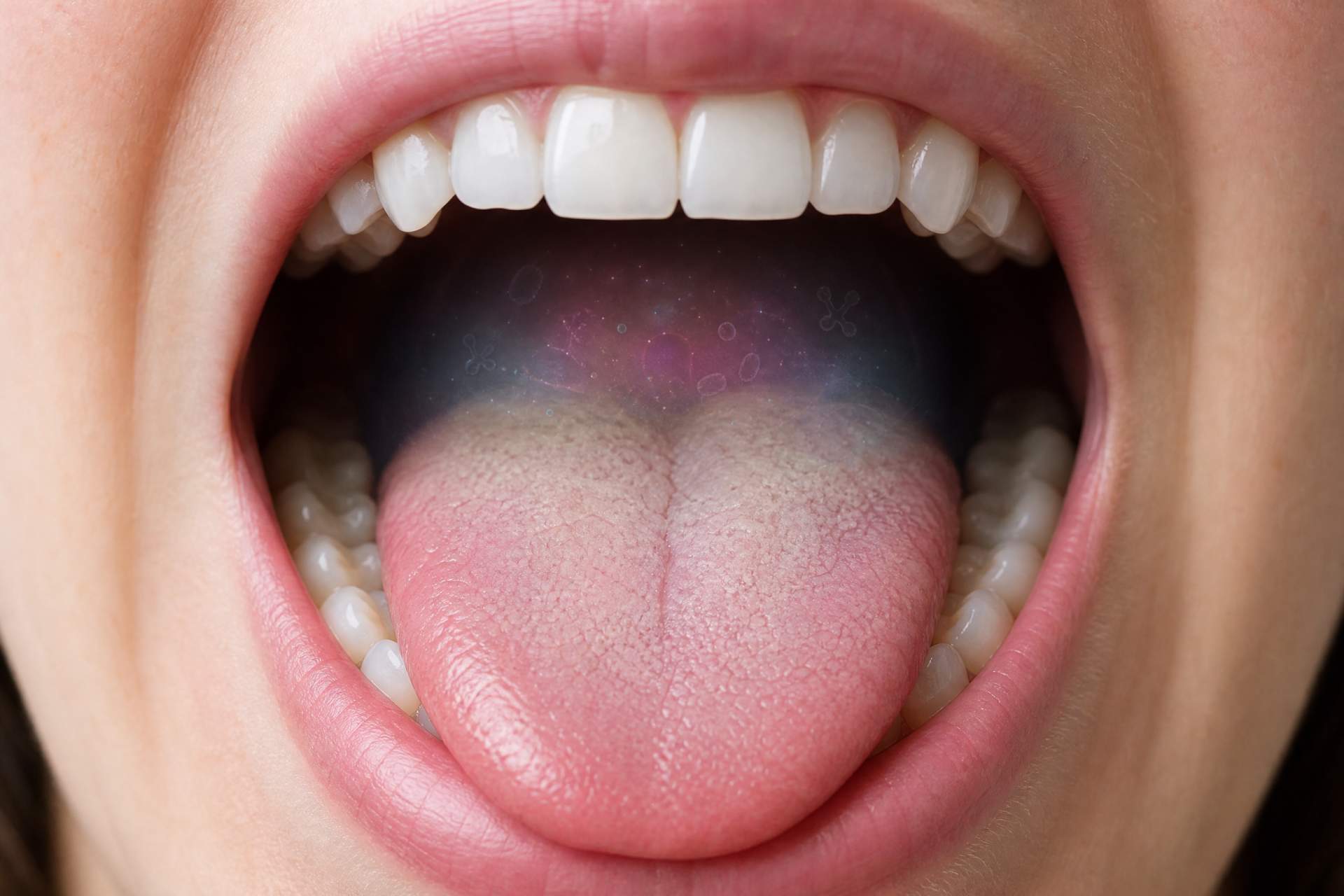
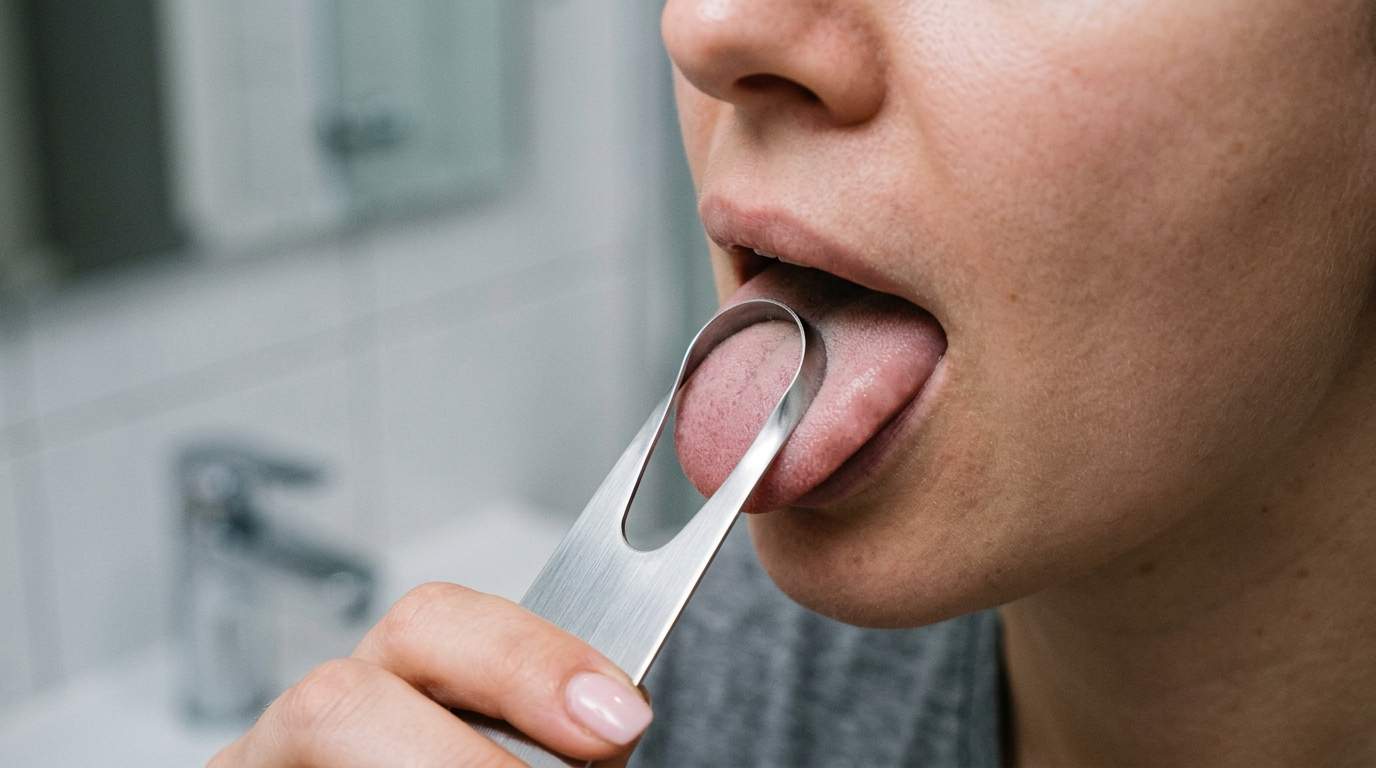
- Consider a tongue scraper: Removing bacteria from your tongue can significantly reduce bad breath and contribute to a cleaner oral environment.
- Mindful Mouthwash Use: If using mouthwash, choose alcohol-free options or those specifically recommended by your dentist.
Professional Partnership
- Regular Dental Check-ups: Visit your dentist and hygienist at least twice a year, or as recommended. They can remove hardened plaque (tartar) that you can't remove yourself, provide professional gingivitis treatment, and monitor your oral health. They are your allies in preventing and managing gum disease.
- Don't Ignore Persistent Symptoms: If bleeding persists, or you notice other symptoms like tenderness, swelling, receding gums, or chronic bad breath, seek professional advice promptly. Early intervention is key to preventing progression of gum disease.
Lifestyle Harmony
- Balanced Diet: A diet rich in vitamins and minerals, especially Vitamin C and D, supports gum health and overall immunity.
- Hydration: Drinking plenty of water helps wash away food particles and bacteria.
- Manage Stress: High stress levels can impact your immune system, potentially worsening gum inflammation.
- Quit Smoking: Smoking is a major risk factor for severe gum disease and can mask bleeding symptoms, making detection harder.
Your gums are not merely a frame for your teeth; they are a vital component of your health. The pink in the sink is not an inevitability, but a message. By understanding its cause and adopting mindful, evidence-based practices, you can transform this silent alarm into a testament to your proactive health management, ensuring a healthier smile and a healthier you.