The sun rises, and for many, the day does not truly begin until the first sip of a dark, aromatic roast. It is a ritual of comfort and alertness. However, shortly after that final gulp, a familiar and unpleasant transformation occurs. You feel the film coating your tongue, and the sharp scent of coffee begins to sour into something heavier. You head to the sink, determined to erase the evidence. You brush vigorously, perhaps even using a splash of stinging, minty mouthwash for good measure. But as you step into your first meeting, that unmistakable metallic tang returns, and you realize the freshness was merely an illusion.
E.g. :One Missing Tooth Can Wreck Your Bite – Why Adjacent Teeth Shift Without a Filling
- 1、Decoding the Persistent Nature of Halitosis Causes and the Biofilm Barrier
- 2、The Hidden Risk of Over-Cleaning and Disrupting the Oral Microbiome
- 3、Identifying Chronic Gingivitis Symptoms Behind the Recurring Metallic Taste
- 4、Why Modern Mouthwash Might Be Compromising Your Gum Health Long-Term
- 5、Practical Steps for Restoring Oral Homeostasis and Eliminating Coffee Breath
- 6、FAQs
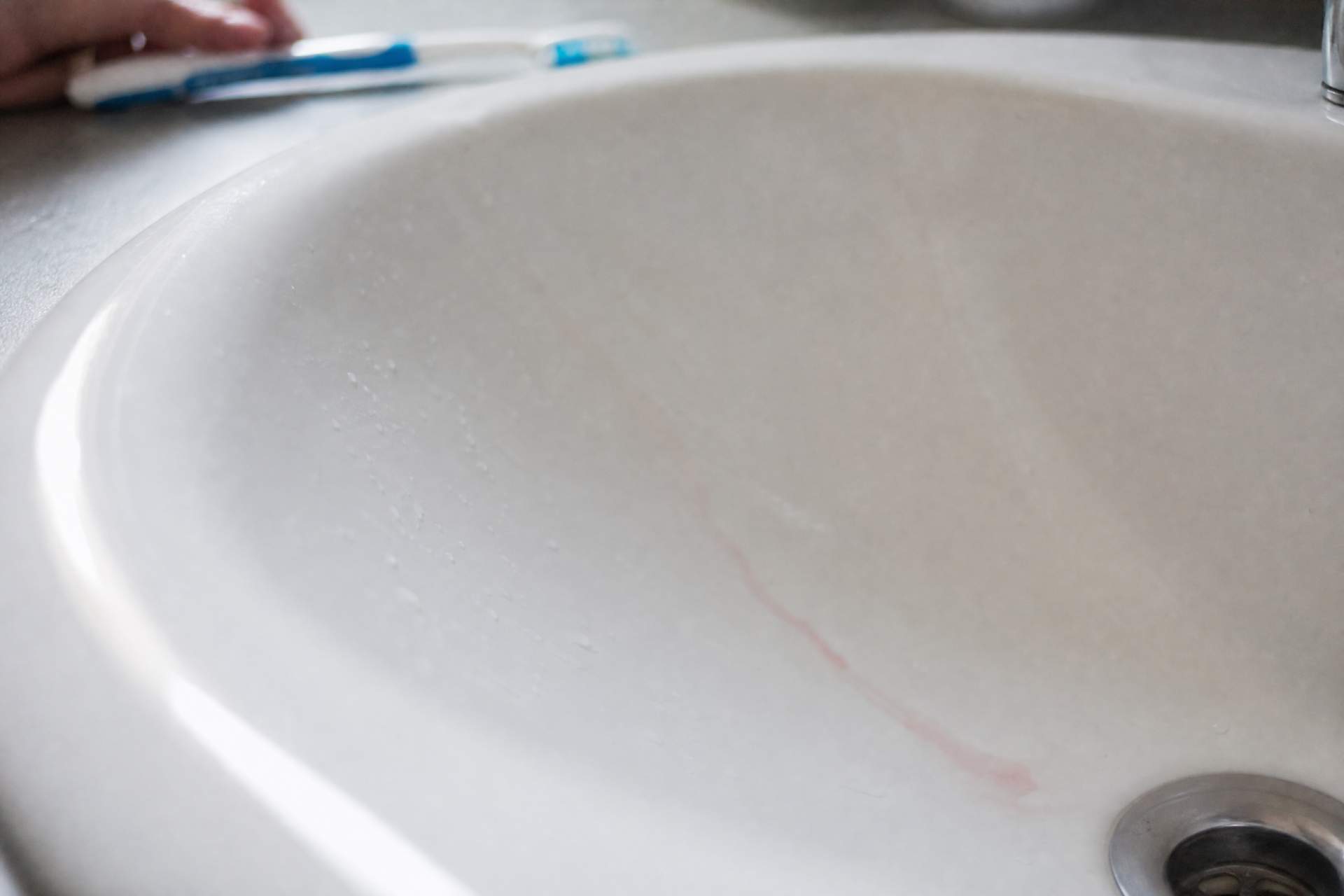
This cycle is more than just a cosmetic inconvenience; it is a physiological signal. Many people who experience persistent coffee breath also notice a slight pink tint in the sink when they spit. We have been taught to believe that if a little cleaning is good, more cleaning must be better. We buy the strongest pastes and the most potent rinses, yet the underlying issues of breath and gum sensitivity remain stubbornly present. To understand why your hygiene routine feels like a losing battle, we must look beneath the surface of the teeth and into the delicate ecology of the mouth.
Decoding the Persistent Nature of Halitosis Causes and the Biofilm Barrier
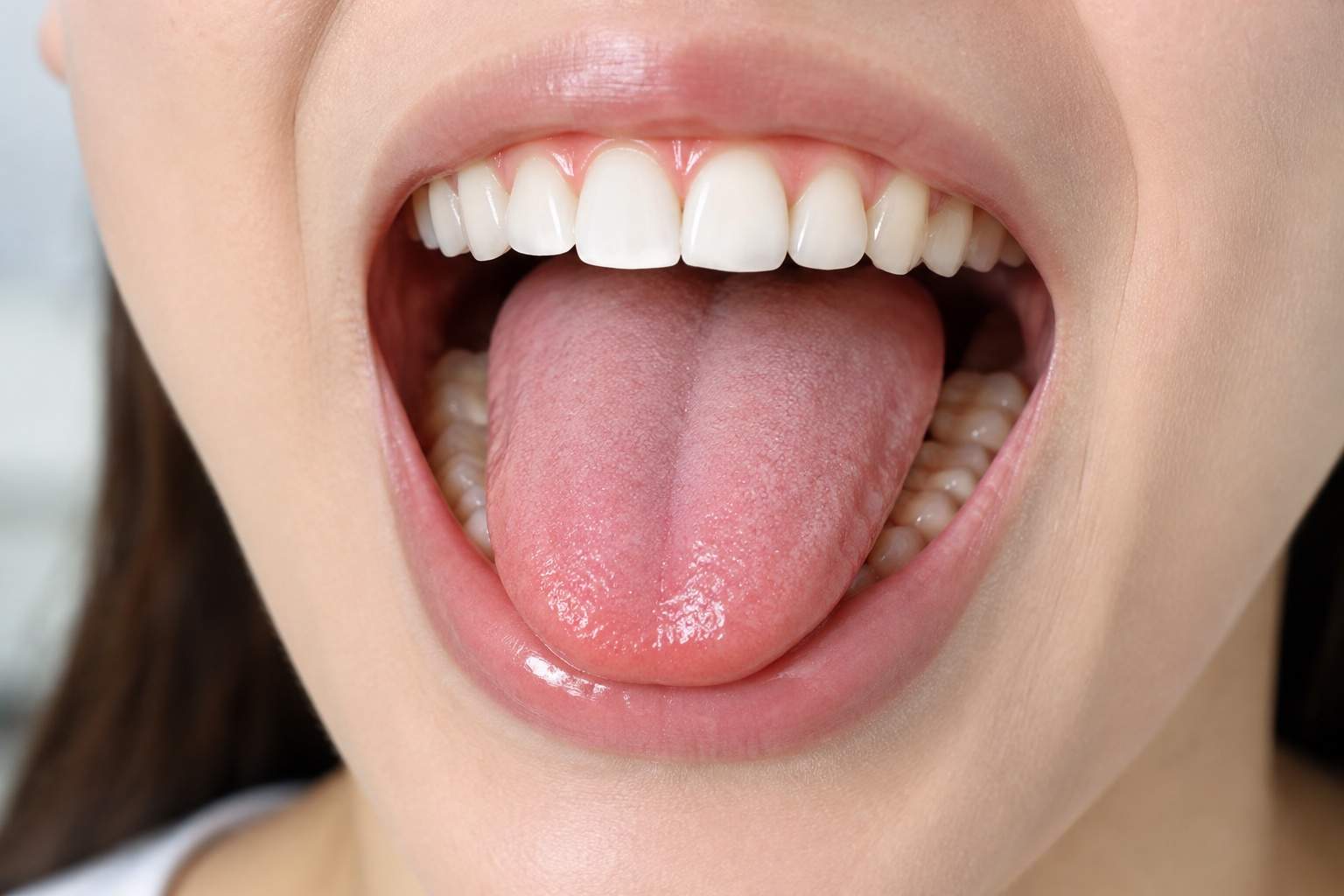
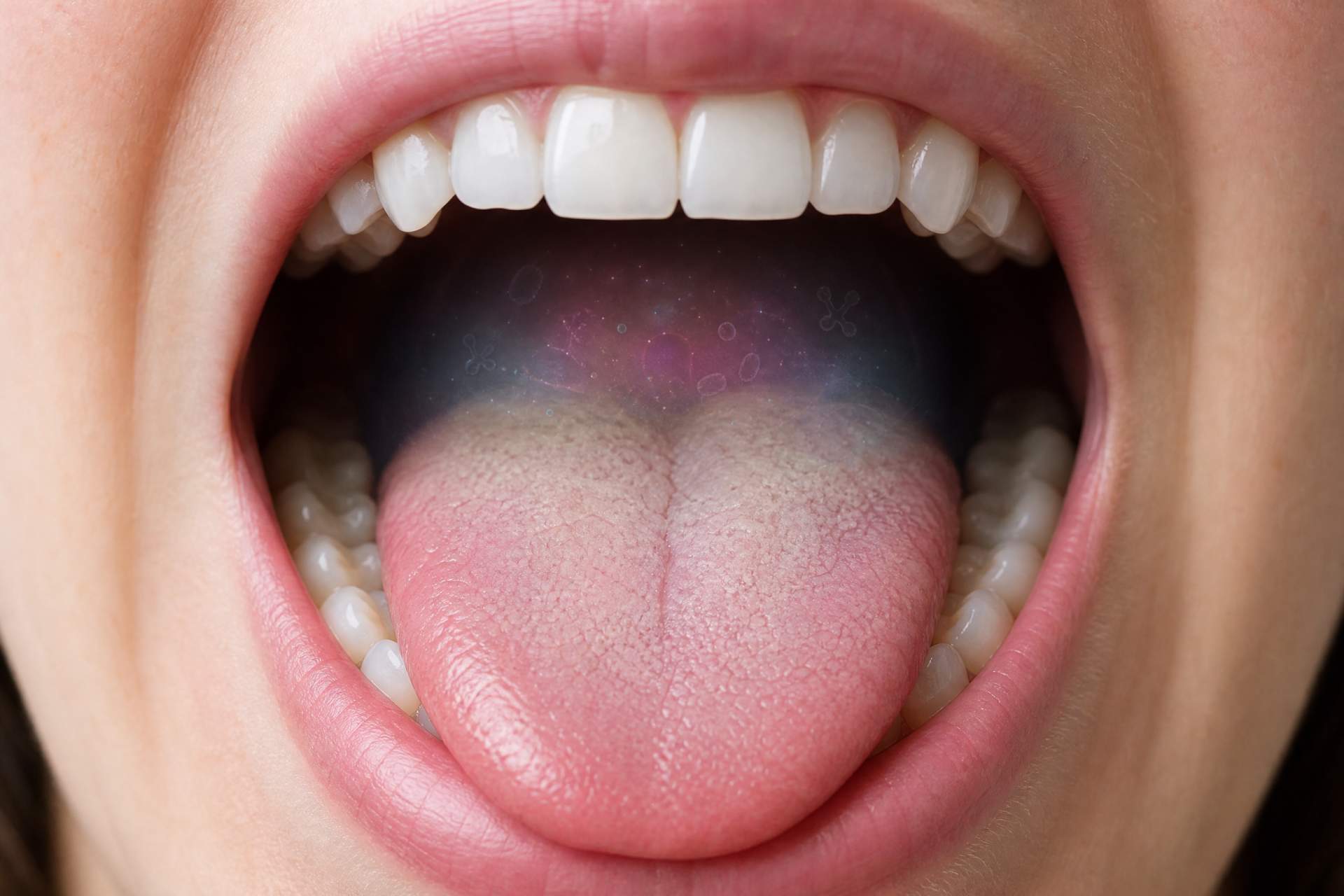
The reason morning coffee breath is so resilient lies in the chemical composition of the beverage and the physical structure of the mouth. Coffee is high in sulfur and acidic in nature. When these components enter the oral cavity, they do not just sit on the teeth; they seep into the microscopic crevices of the tongue and the porous structure of the dental biofilm. Most people focus their brushing efforts on the smooth surfaces of the teeth, but research indicates that a significant portion of odor-causing bacteria resides on the posterior part of the tongue.
Brushing the teeth alone often leaves these sulfur-producing microbes untouched. Furthermore, the acidity of coffee temporarily softens tooth enamel. If you brush immediately after drinking, you may be micro-abrading your teeth and pushing coffee pigments and oils deeper into the dental structure. This creates a lingering reservoir of odors that resurfaces as soon as your saliva begins to neutralize.
The Hidden Risk of Over-Cleaning and Disrupting the Oral Microbiome
We often treat the mouth like a kitchen counter that needs to be disinfected, but it is actually more like a lush garden. This garden, known as the oral microbiome, is home to billions of bacteria. Some are harmful, but many are essential protectors that produce hydrogen peroxide to kill pathogens or convert dietary nitrates into nitric oxide, which supports cardiovascular health. A study published in the journal Scientific Reports has highlighted that over-cleansing with harsh agents can lead to a state of dysbiosis, where the natural balance of these microbes is shattered.
When you use high-alcohol mouthwashes or aggressive antibacterial pastes, you are essentially performing a scorched-earth policy. While you kill the "bad" bacteria, you also wipe out the "good" ones. Because the harmful, odor-causing microbes are often more resilient and faster to recolonize, they return to the "bacterial vacuum" first, often in higher concentrations than before. This is why your breath might feel worse an hour after using a powerful mouthwash than if you had used nothing at all.
Identifying Chronic Gingivitis Symptoms Behind the Recurring Metallic Taste
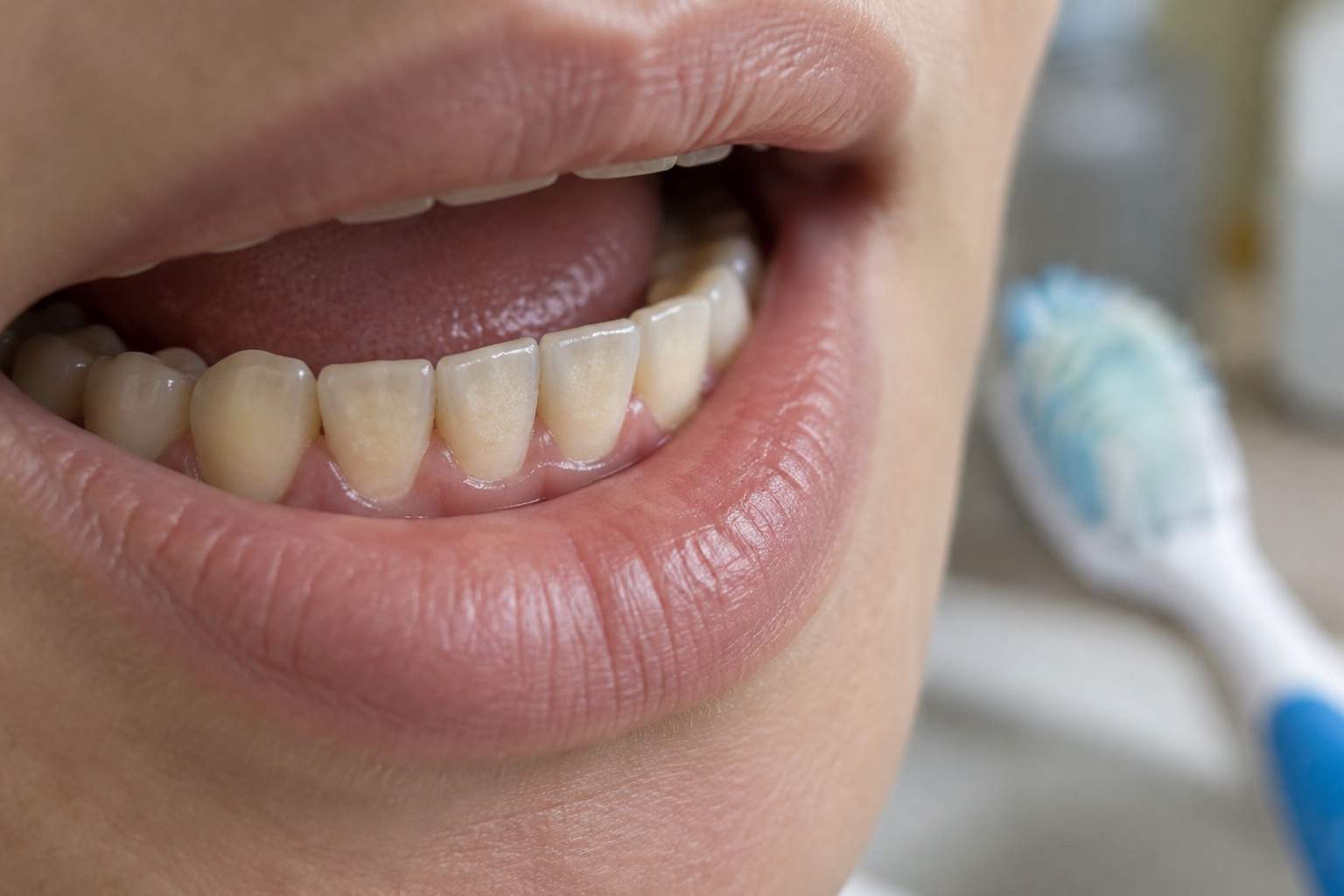
If you notice a metallic taste in your mouth along with coffee breath, your body is likely signaling the early stages of inflammation. That taste is often the result of trace amounts of blood. Healthy gums should not bleed, even with firm brushing. When they do, it is a sign that the protective seal between your tooth and your gum tissue has been compromised.
Why Bleeding Gums Are More Than a Minor Inconvenience
Many individuals dismiss occasional bleeding as a result of "brushing too hard." However, in the field of preventive medicine, we view bleeding gums as an open wound. If your hands bled every time you washed them, you would be alarmed; the same logic should apply to your mouth. When the gum tissue is inflamed, it becomes porous, allowing oral bacteria to enter the bloodstream. This inflammatory response is what we categorize under gingivitis symptoms. If left unaddressed, the body stays in a state of high alert, diverting immune resources and causing the tissue to become even more sensitive and prone to odor-retaining pockets.
Why Modern Mouthwash Might Be Compromising Your Gum Health Long-Term
The quest for a "squeaky clean" feeling is often the enemy of actual health. Most conventional mouthwashes rely on alcohol as a carrier for flavor and as an antiseptic. Alcohol is a desiccant, meaning it dries out the oral mucosa. A dry mouth is a breeding ground for anaerobic bacteria—the ones responsible for the most pungent forms of halitosis. Saliva is your mouth’s natural defense, rich in enzymes and minerals that repair enamel and keep bacterial populations in check. By drying out the mouth, you are removing the very system designed to protect you.
The Science of Selective Bacterial Recolonization
To truly fix the problem, we must move away from the idea of "killing" bacteria and toward the idea of "managing" them. Instead of a sterile mouth, the goal should be a balanced one. This involves using products that respect the pH of the mouth. When the environment becomes too acidic—a common result of coffee consumption combined with drying mouthwashes—the "friendly" bacteria die off, and the acid-loving pathogens that cause decay and gum disease thrive.
Practical Steps for Restoring Oral Homeostasis and Eliminating Coffee Breath
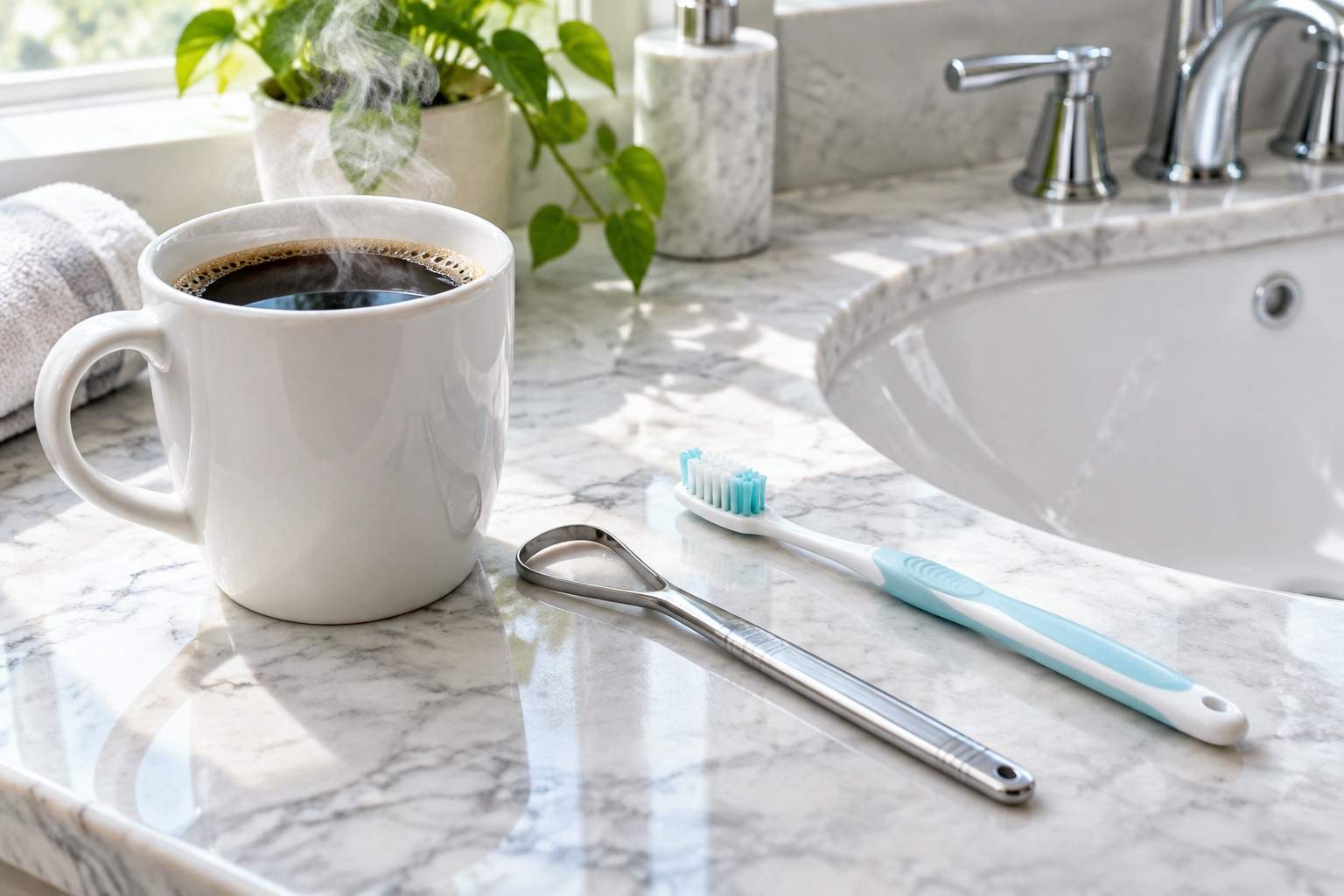
Breaking the cycle of bad breath and bleeding gums requires a shift in strategy. First, address the timing of your routine. Instead of brushing immediately after coffee, rinse your mouth with water to help neutralize the acid, and wait at least thirty minutes. This allows your saliva to remineralize the enamel.
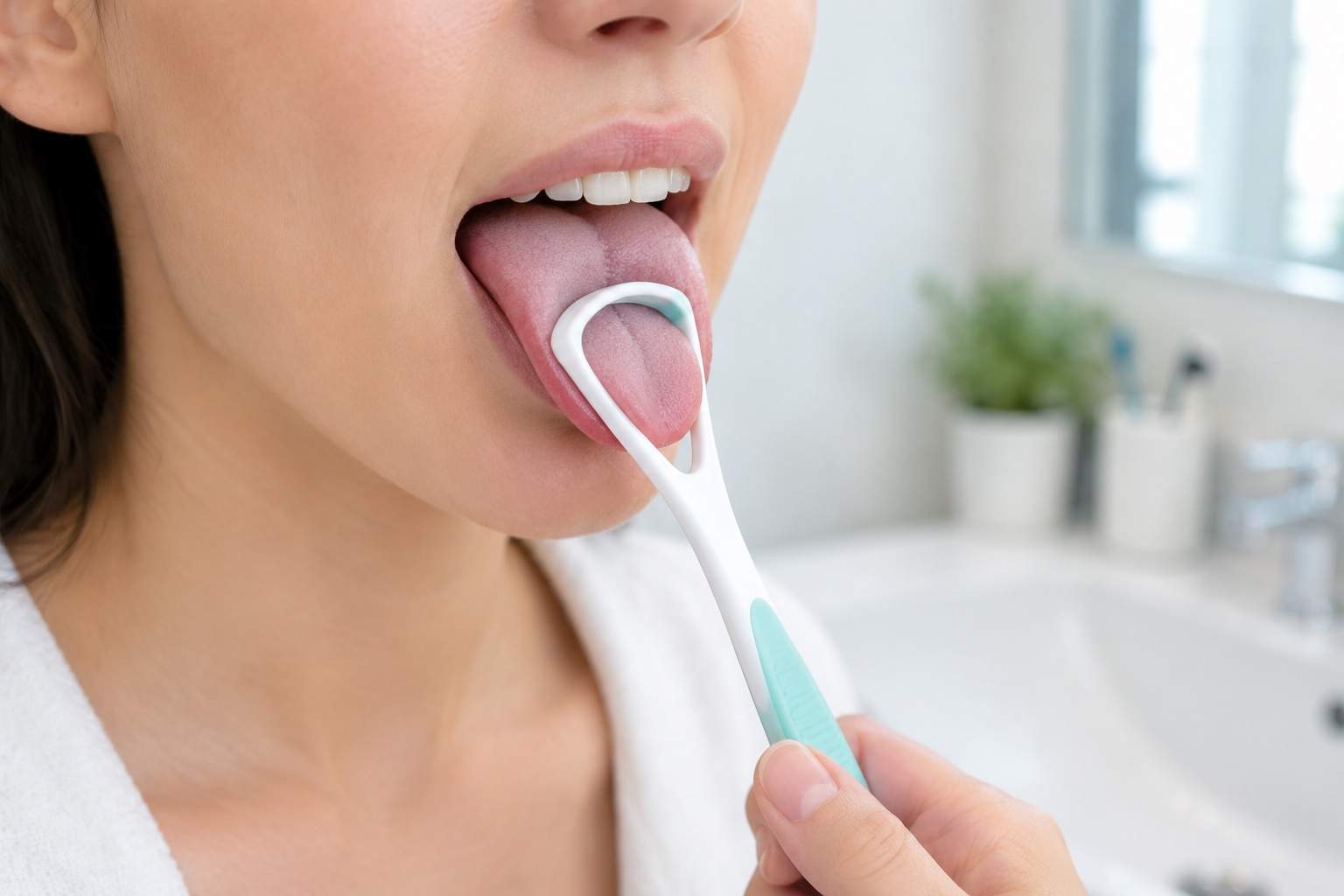
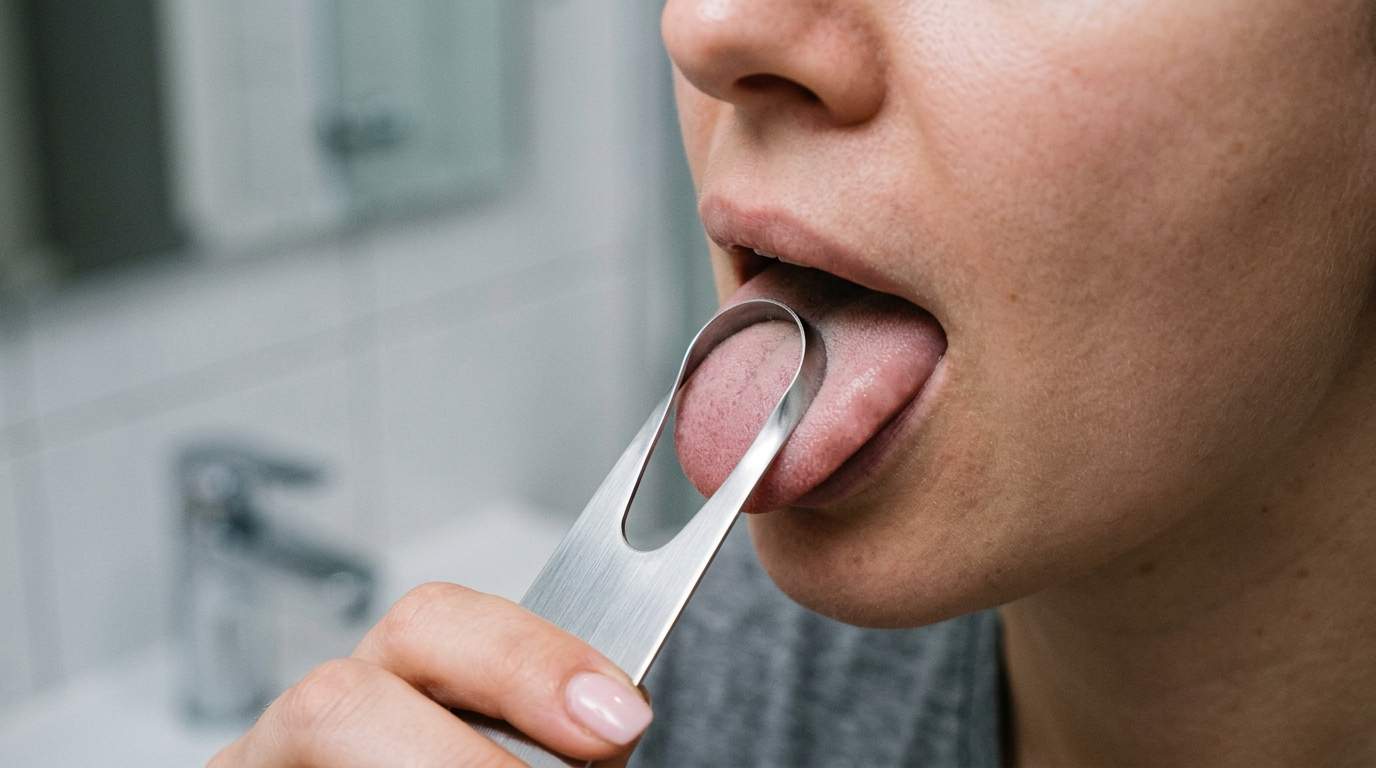
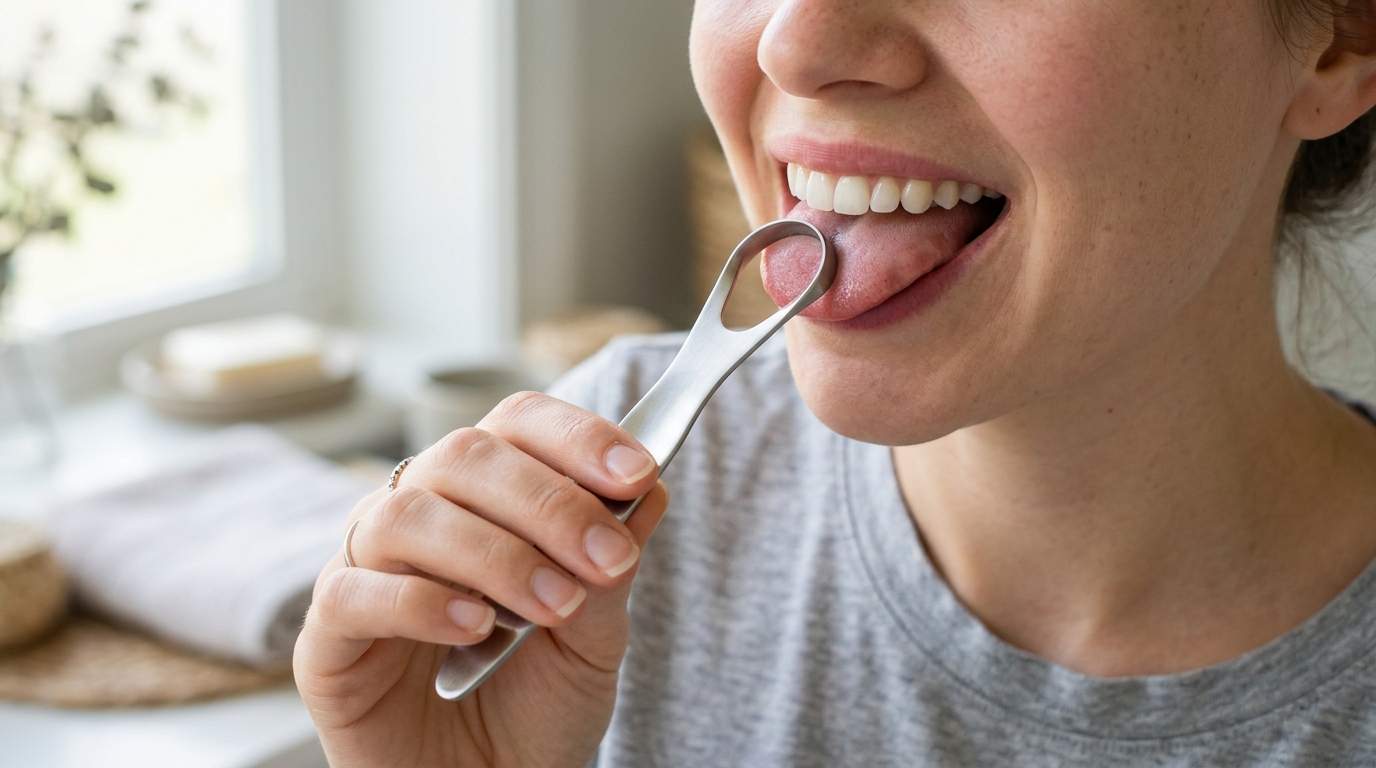
Second, incorporate a tongue scraper into your morning routine. Unlike the soft bristles of a brush, a dedicated scraper can effectively remove the sulfur-rich biofilm from the tongue without triggering the gag reflex or spreading the bacteria around. Third, ensure you are cleaning between the teeth. The space between the teeth is where most gingivitis begins, as these areas are low-oxygen zones where harmful bacteria love to hide. By using interdental tools gently, you disrupt these colonies without traumatizing the tissue.
Finally, approach your oral health with empathy for your body’s signals. The frustration you feel is a catalyst for change. By moving away from aggressive chemicals and toward supportive, pH-balanced care, you aren't just masking an odor; you are healing an ecosystem.