You've done everything "right." The vigorous brushing, the meticulous flossing, perhaps even the refreshing swish of mouthwash. You step away from the mirror, confident that the battle against bad breath has been won, only to feel that familiar, unwelcome coating reappear on your tongue an hour later, or catch a faint, tell-tale whiff. That sinking feeling of self-consciousness returns, making you pull back in conversations, wondering if others notice. It’s a frustrating cycle, a private struggle that can erode confidence and make even simple social interactions feel like an ordeal. You're left asking: if I'm doing all I can, why does this persistent guest keep returning, whispering doubts in my ear?
E.g. :The Pink Betrayal: Unearthing What Your Bleeding Gums Are Really Telling You
- 1、Beyond the Brush: Unmasking the True Culprits of Chronic Bad Breath
- 2、The Gut-Breath Connection: Halitosis Causes Beyond the Mouth
- 3、Decoding Your Dental Care: Are Your "Fresh Breath" Strategies Misguided?
- 4、Lifestyle and Beyond: Unconventional Factors in Fresh Breath Solutions
- 5、Reclaiming Your Confidence: A Holistic Approach to Lasting Freshness
- 6、FAQs
Beyond the Brush: Unmasking the True Culprits of Chronic Bad Breath
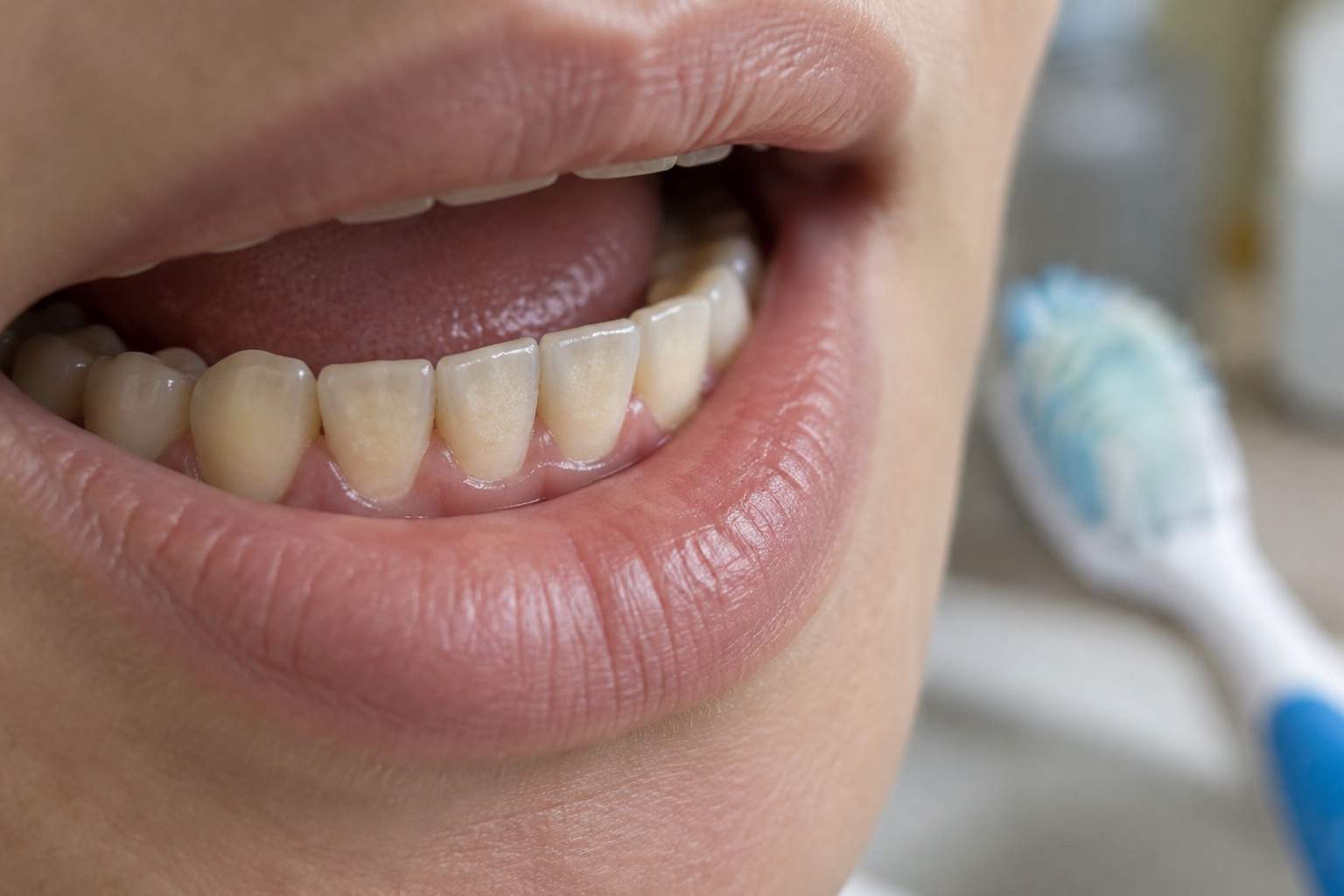
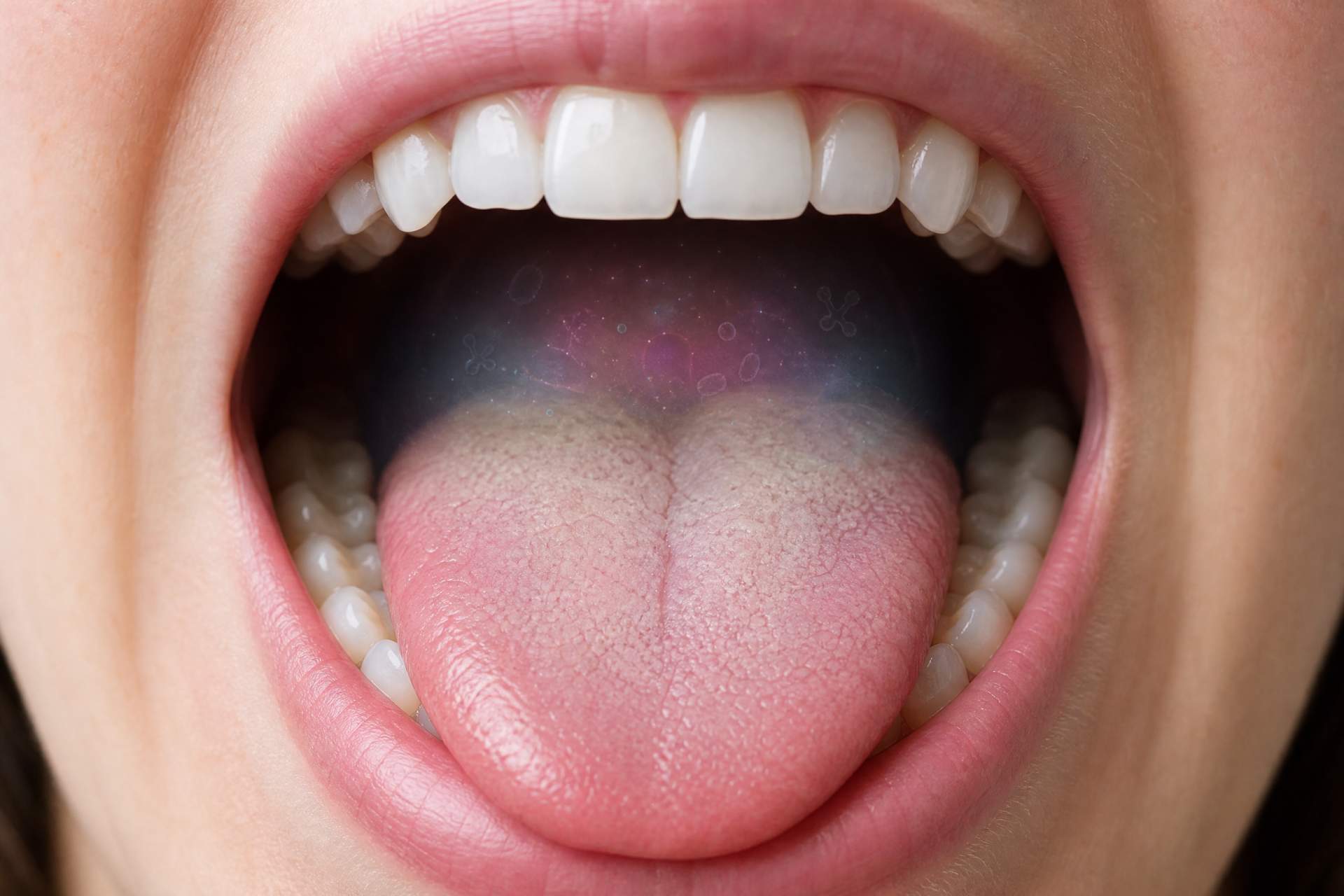
While our initial instincts rightly guide us to the mouth as the primary source of breath odor, the truth about persistent halitosis is often more nuanced than simply neglecting a tooth. The oral cavity is indeed a bustling ecosystem, teeming with trillions of microorganisms. When the balance of this ecosystem shifts, particularly towards anaerobic bacteria, these microbes break down proteins, producing volatile sulfur compounds (VSCs) like hydrogen sulfide and methyl mercaptan – the notorious culprits behind the unpleasant smell. However, the solutions aren't always as straightforward as more brushing. Sometimes, the problem lies in overlooked areas, or even beyond the oral cavity entirely.
The Lingering Microbial Film: Why Your Tongue Holds Clues
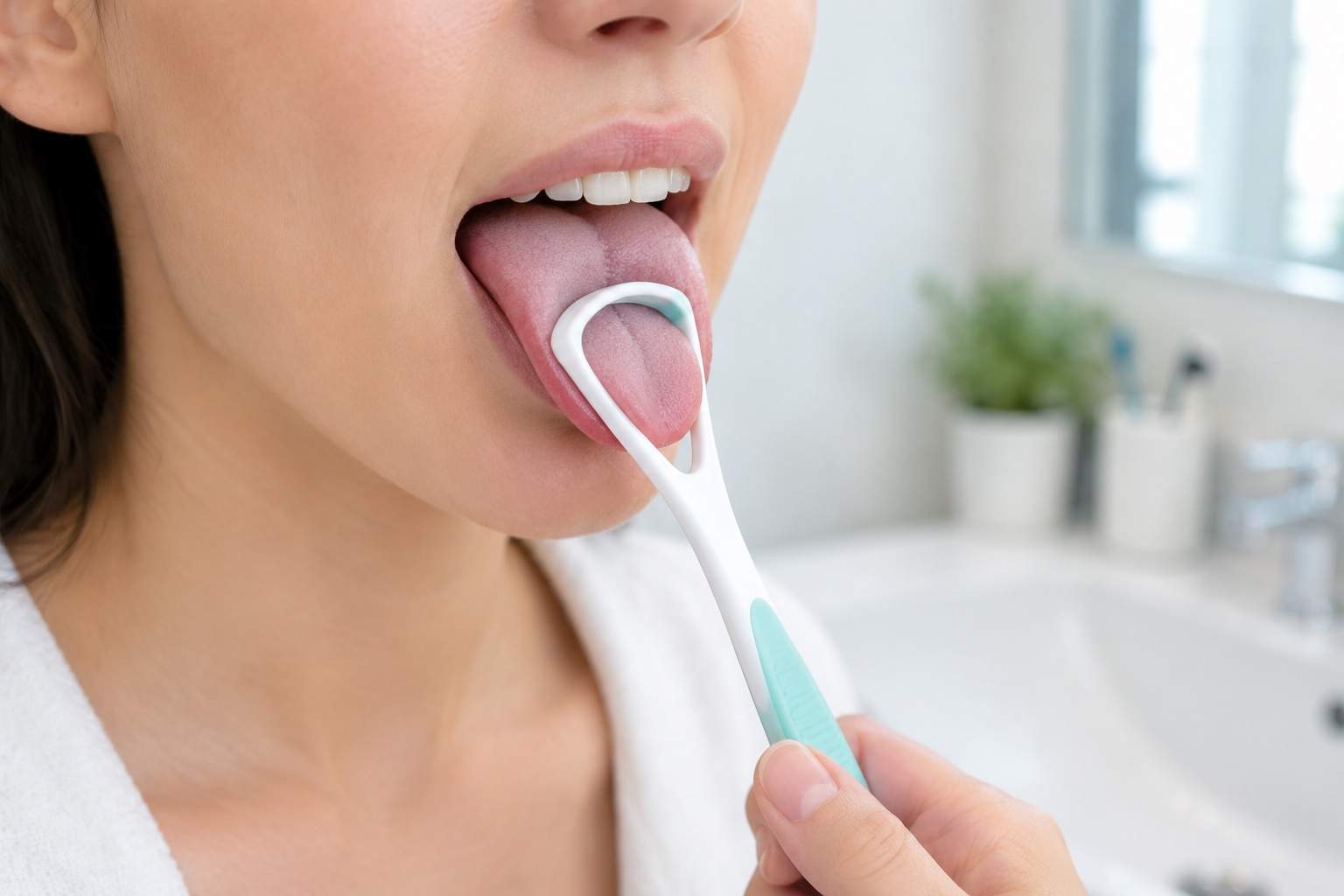
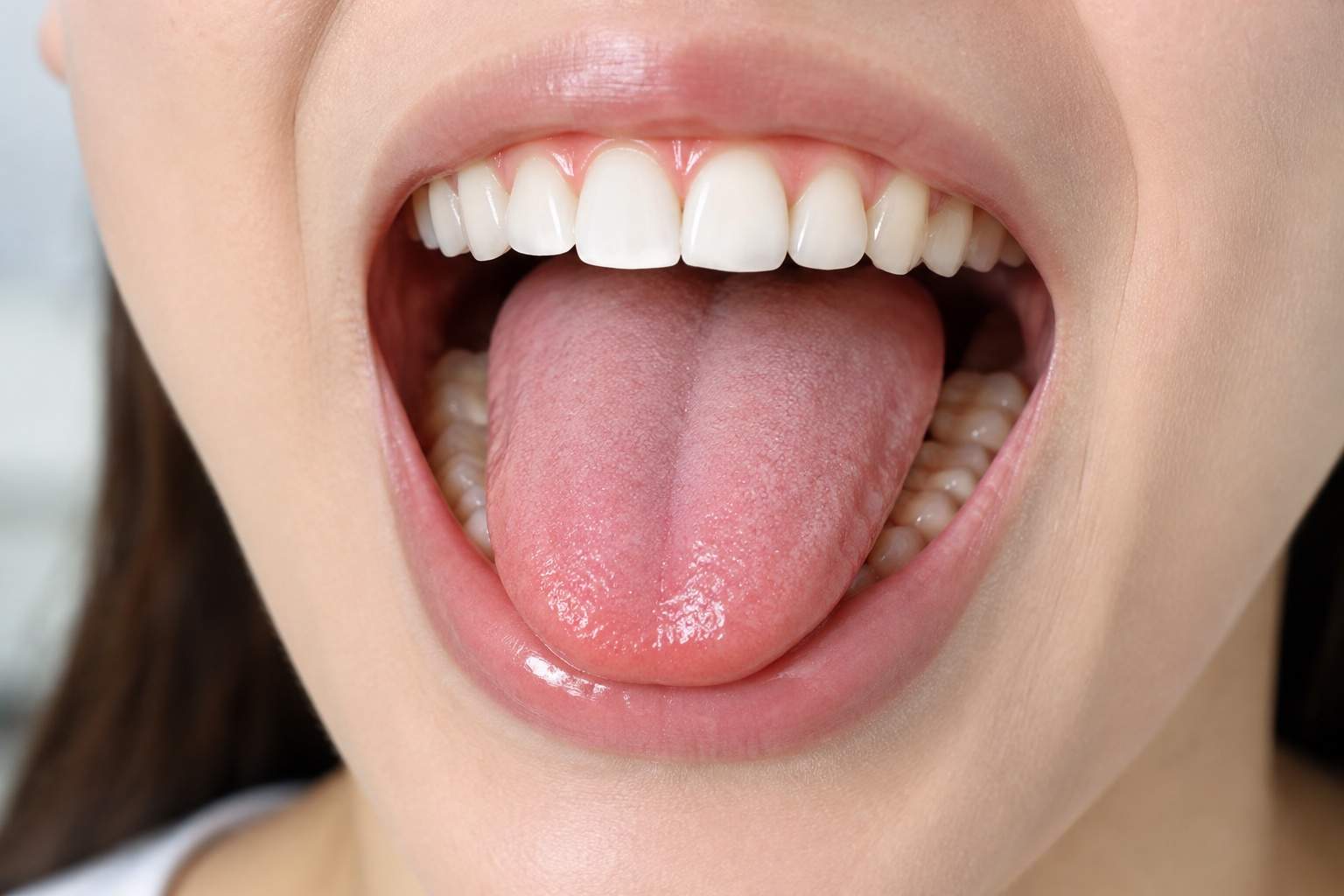
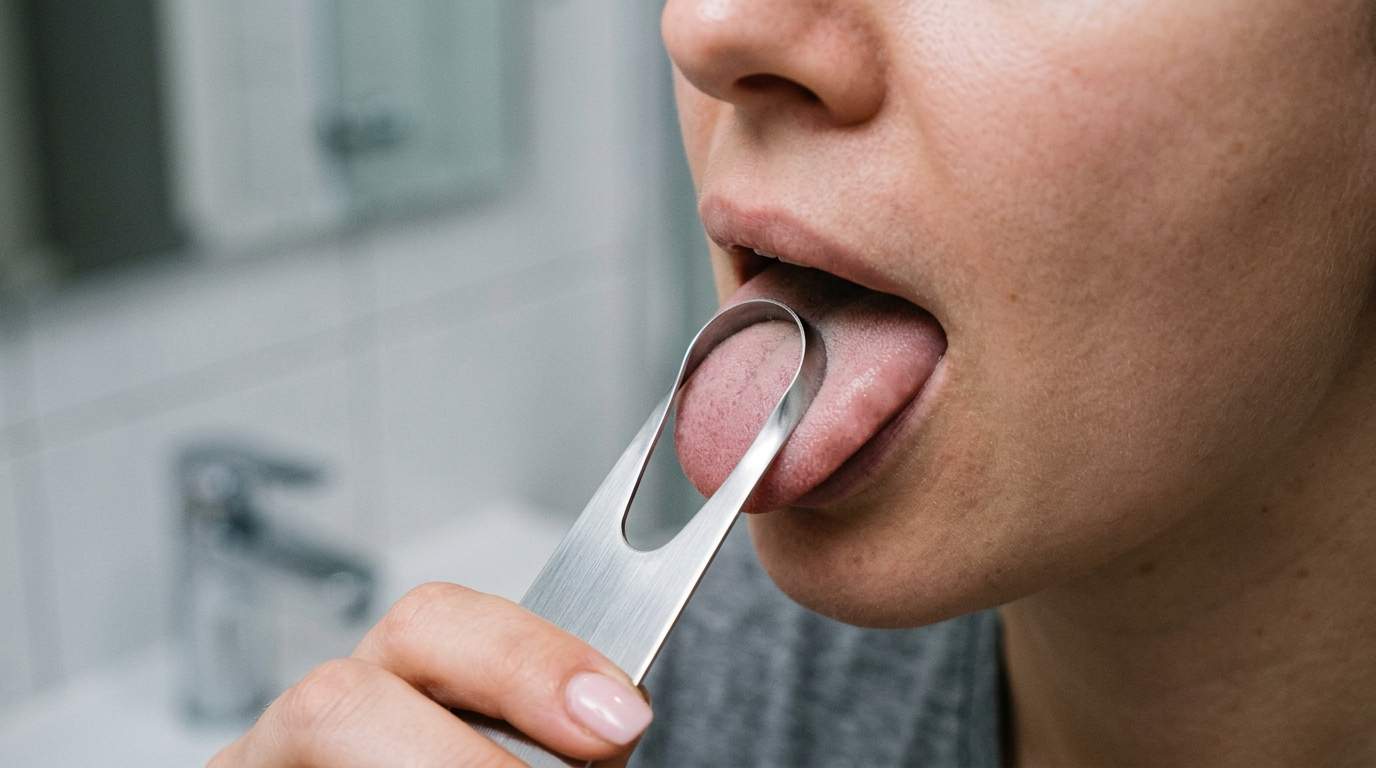
One of the most significant, yet often underestimated, contributors to chronic bad breath is the tongue. Its unique papillae create a perfect landscape for bacteria, food debris, and dead cells to accumulate, forming a thick, whitish coating. This biofilm is a prime breeding ground for anaerobic bacteria that produce VSCs. Studies consistently show that the tongue coating is responsible for a significant majority – often cited as 80-90% – of intra-oral halitosis cases. (Source: Research in Periodontology and Oral Medicine). Many individuals focus intensely on their teeth but neglect their tongue, leaving a massive reservoir of odor-producing bacteria untouched. Simply brushing the tongue with a toothbrush might not be enough to effectively disrupt and remove this tenacious film; dedicated tongue cleaning tools are often more effective.
The Gut-Breath Connection: Halitosis Causes Beyond the Mouth
What if your breath problem isn't solely originating in your mouth? A growing body of scientific evidence points to a fascinating and often overlooked link between our digestive health and the freshness of our breath. The gut microbiome – the vast community of bacteria residing in our intestines – plays a pivotal role in overall health, and its imbalance can have far-reaching effects, including on our breath. When digestion is compromised, or when there’s an overgrowth of certain bacteria in the gut, metabolic byproducts can be absorbed into the bloodstream, travel to the lungs, and be exhaled. This phenomenon, known as systemic halitosis, means that even impeccable oral hygiene won't fully resolve the issue if its roots lie deeper within your body.

Unseen Influences: Digestive Health and Systemic Halitosis
Conditions like gastroesophageal reflux disease (GERD), where stomach acid flows back into the esophagus, can directly contribute to bad breath. Similarly, imbalances in gut flora (dysbiosis), small intestinal bacterial overgrowth (SIBO), or even the presence of certain bacteria like Helicobacter pylori in the stomach, have been linked to halitosis. (Source: Gastroenterology and Microbiome Research). It's not just about what you eat, but how your body processes it. Consider Sarah, a meticulous flosser and brusher, who despite her best efforts, couldn't shake her persistent bad breath. It wasn't until she addressed her chronic indigestion and altered her diet to support her gut health that she finally found lasting relief, realizing her breath was a subtle indicator of a larger internal imbalance. This highlights the importance of looking at the body as an interconnected system rather than isolated parts.
Decoding Your Dental Care: Are Your "Fresh Breath" Strategies Misguided?
It might seem counterintuitive, but some of the very products marketed for "fresh breath" could be inadvertently sabotaging your efforts. Many conventional mouthwashes, particularly those containing alcohol, can provide a temporary blast of minty freshness but may create long-term problems. Alcohol is a dehydrating agent. While it kills bacteria, it also dries out the oral tissues, reducing saliva flow. Saliva is our mouth's natural cleansing agent, neutralizing acids and washing away food particles and bacteria. A dry mouth (xerostomia) is a prime environment for odor-producing bacteria to thrive, often leading to a rebound effect where bad breath returns even stronger. This challenge to conventional wisdom suggests that sometimes, less or different, is more. Opting for alcohol-free mouthwashes or even just increasing water intake can be more beneficial than relying on harsh chemical rinses.
Lifestyle and Beyond: Unconventional Factors in Fresh Breath Solutions
Our daily habits extend far beyond oral hygiene and can significantly influence breath freshness. Diet plays a crucial role; while garlic and onions are obvious culprits, diets high in sugar can feed odor-producing bacteria, and low-carb diets can sometimes lead to "keto breath" due to ketone production. Chronic dehydration, often overlooked, means less saliva production, directly contributing to dry mouth and bacterial overgrowth. Even stress can impact breath by reducing saliva flow. Furthermore, certain medications, ranging from antidepressants to antihistamines, can have dry mouth as a side effect, unknowingly contributing to the problem. Understanding these systemic connections allows for a more comprehensive approach to achieving genuine, lasting fresh breath.
Reclaiming Your Confidence: A Holistic Approach to Lasting Freshness
The journey to truly fresh breath often requires a detective's mindset, looking beyond the obvious to uncover underlying causes. It's a testament to the intricate workings of our bodies. If you've been diligently brushing, flossing, and rinsing without success, know that you are not alone, and your efforts are not futile. Instead, they are a strong foundation upon which to build a more comprehensive strategy. Consider evaluating your tongue cleaning routine, assessing your gut health, reviewing your current oral care products, and examining lifestyle factors like hydration and diet. Most importantly, don't hesitate to seek professional guidance. A dentist can rule out dental issues and oral infections, and a doctor can investigate systemic conditions that might be contributing. By embracing a holistic view, you can move beyond temporary fixes and discover the genuine, lasting freshness that restores your confidence and allows you to engage with the world without a second thought.