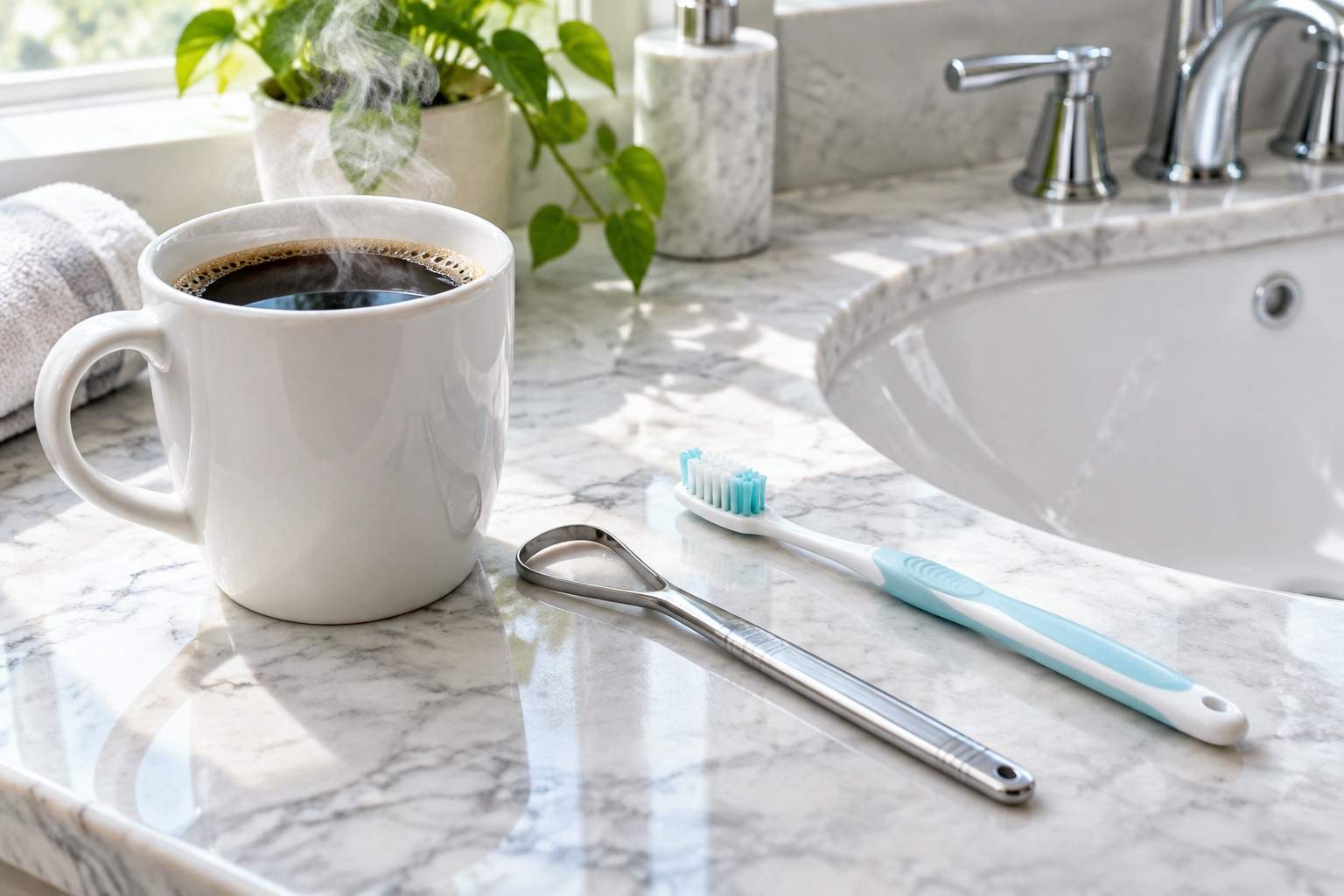
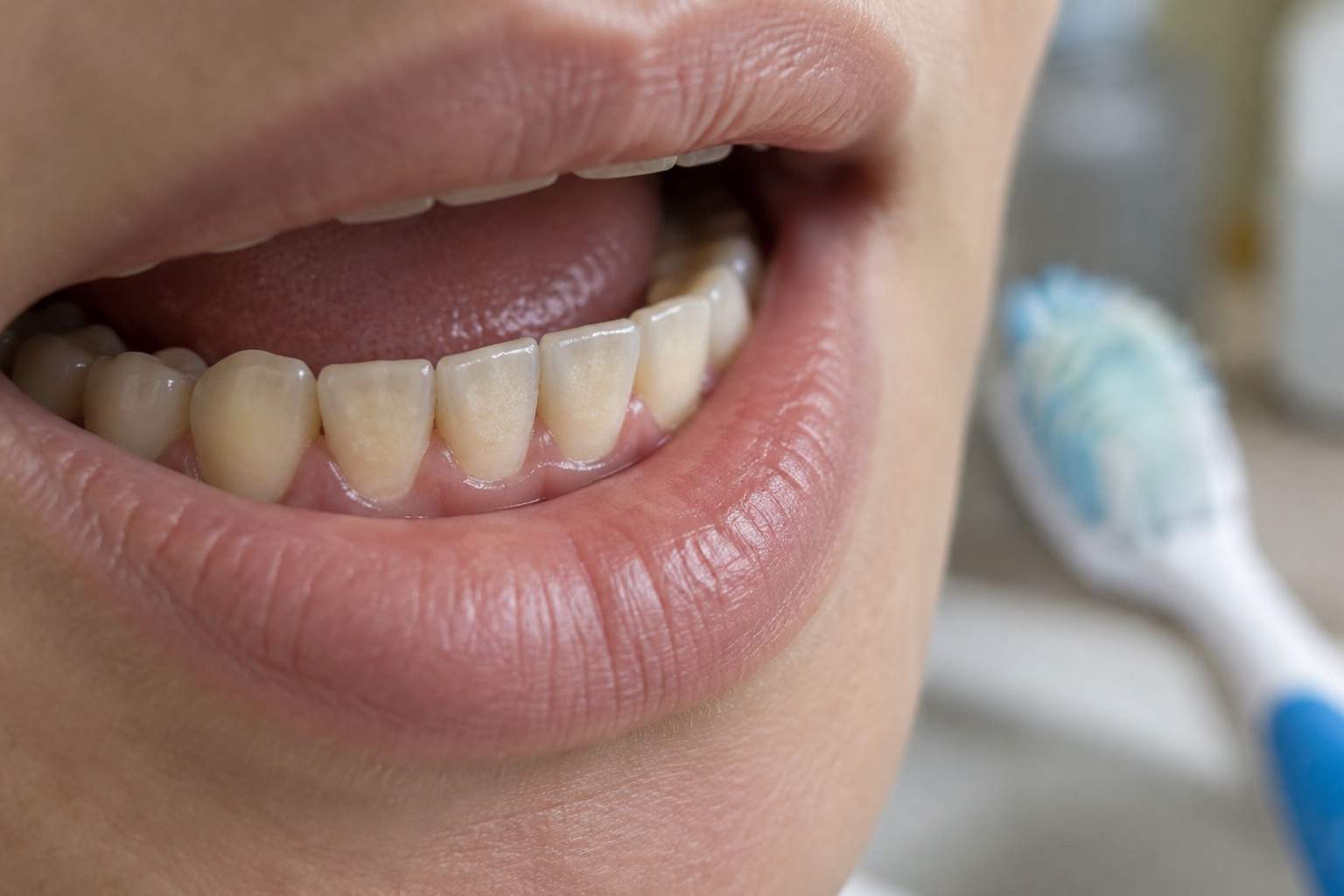
It's a familiar scenario for many of us. You wake, sensing the tell-tale dryness and a certain ‘aroma’ signaling the start of a new day. Dutifully, you perform your morning ritual – brush, floss, perhaps a quick swish. Yet, as the hours tick by, that initial feeling of pristine freshness subtly wanes, sometimes disappearing entirely before your first coffee break. A lingering doubt creeps in: despite your meticulous efforts, why does that confident, clean feeling seem so fleeting? This isn't just about smell; it’s about the quiet erosion of self-assurance in close conversations, a subtle hesitation that many experience but rarely discuss. You meticulously brush twice a day, floss, and rinse with mouthwash. So why does that morning breath linger, sometimes even until lunch, making you wonder if there's any real bad breath cure? The truth often lies beyond the superficial.
E.g. :The Persistent Whisper: Why Your "Fresh Breath" Routine Might Be Hiding a Deeper Story
- 1、The Microscopic Maestros: Unmasking the True Halitosis Causes
- 2、The Tongue's Silent Secret: A Key to Lasting Freshness
- 3、The Mouthwash Paradox: Is Your "Bad Breath Cure" Doing More Harm?
- 4、Deeper Than Oral Hygiene: Systemic Influences on Your Breath
- 5、Cultivating True Freshness: A Holistic Approach
- 6、FAQs
The Microscopic Maestros: Unmasking the True Halitosis Causes
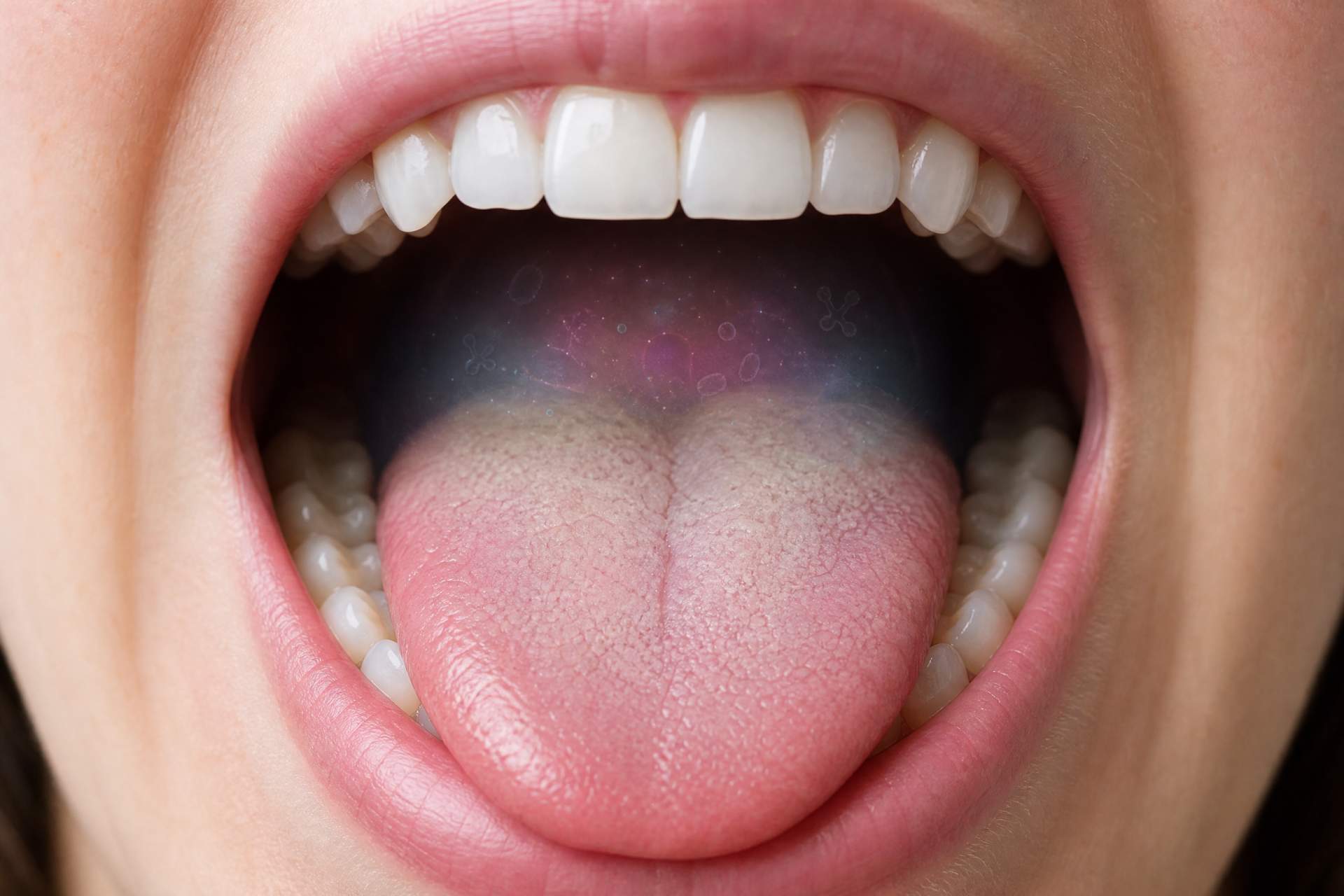
While brushing tackles food particles and plaque on your teeth, it often misses the primary culprits behind persistent oral odor. The vast majority – an estimated 80-90% – of cases of perceived bad breath, medically termed halitosis, originate right within the oral cavity itself. The root cause isn't necessarily food stuck between your teeth; it's the invisible, industrious bacteria that call your mouth home. These microorganisms thrive in oxygen-poor environments and feast on lingering food debris, dead cells, and even protein in saliva.
The Biofilm Battle: Where Bacteria Hide
These anaerobic bacteria, particularly those on the back of the tongue and below the gumline, produce malodorous compounds known as Volatile Sulfur Compounds (VSCs). These are the same chemicals responsible for the smell of rotten eggs or decaying cabbage, and they are the primary constituents of what we perceive as "bad breath." Brushing alone, while crucial for gum and tooth health, often doesn't adequately disrupt these bacterial communities hidden in crevices, pits, and on soft tissues, leaving a significant source of halitosis causes untouched.
The Tongue's Silent Secret: A Key to Lasting Freshness
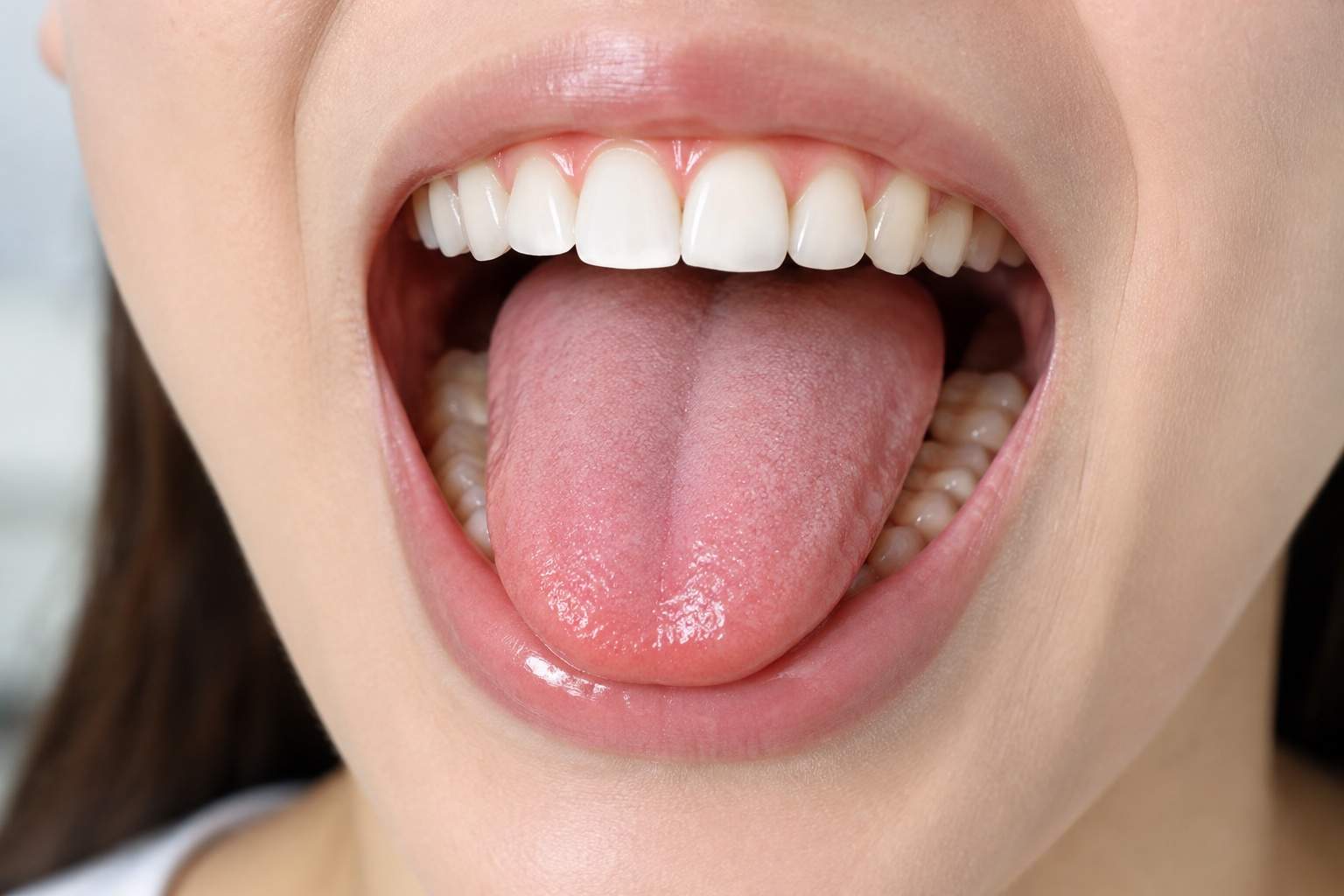
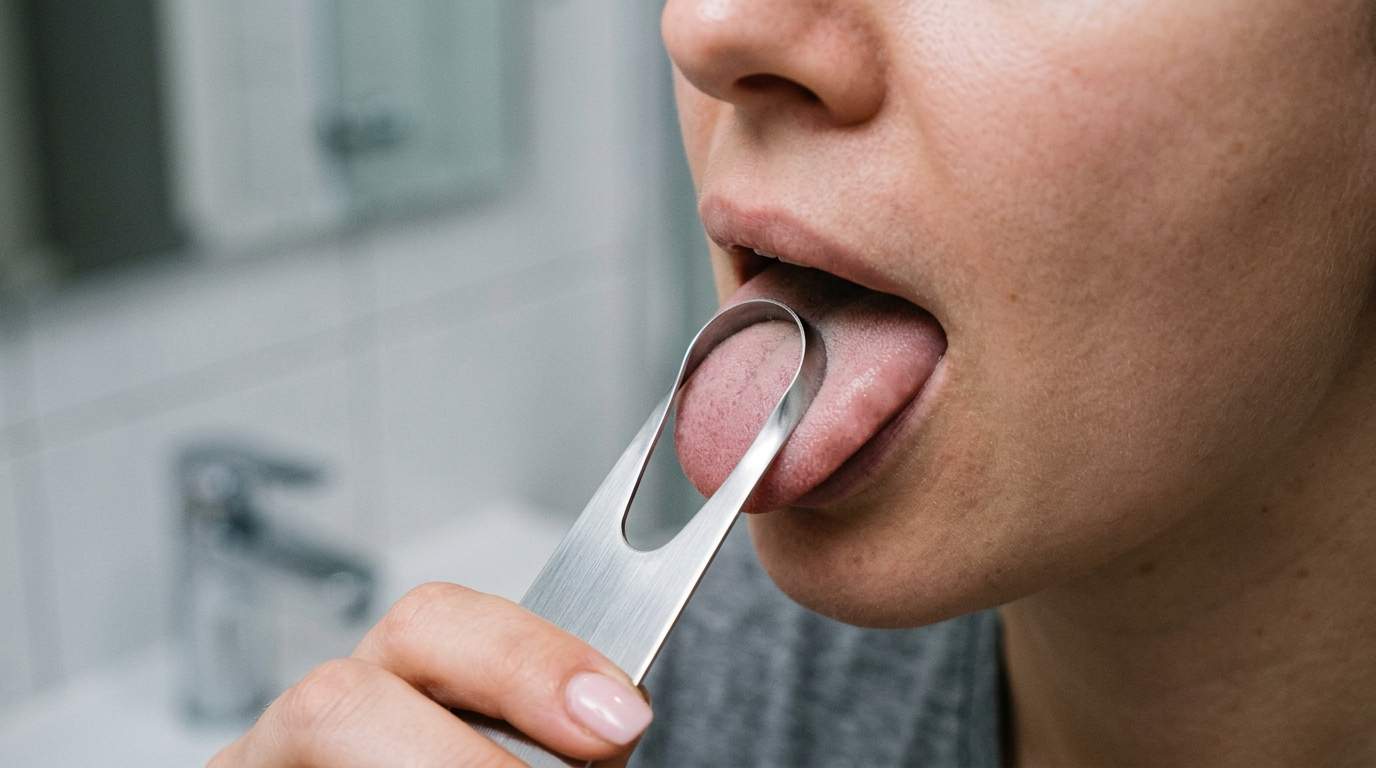
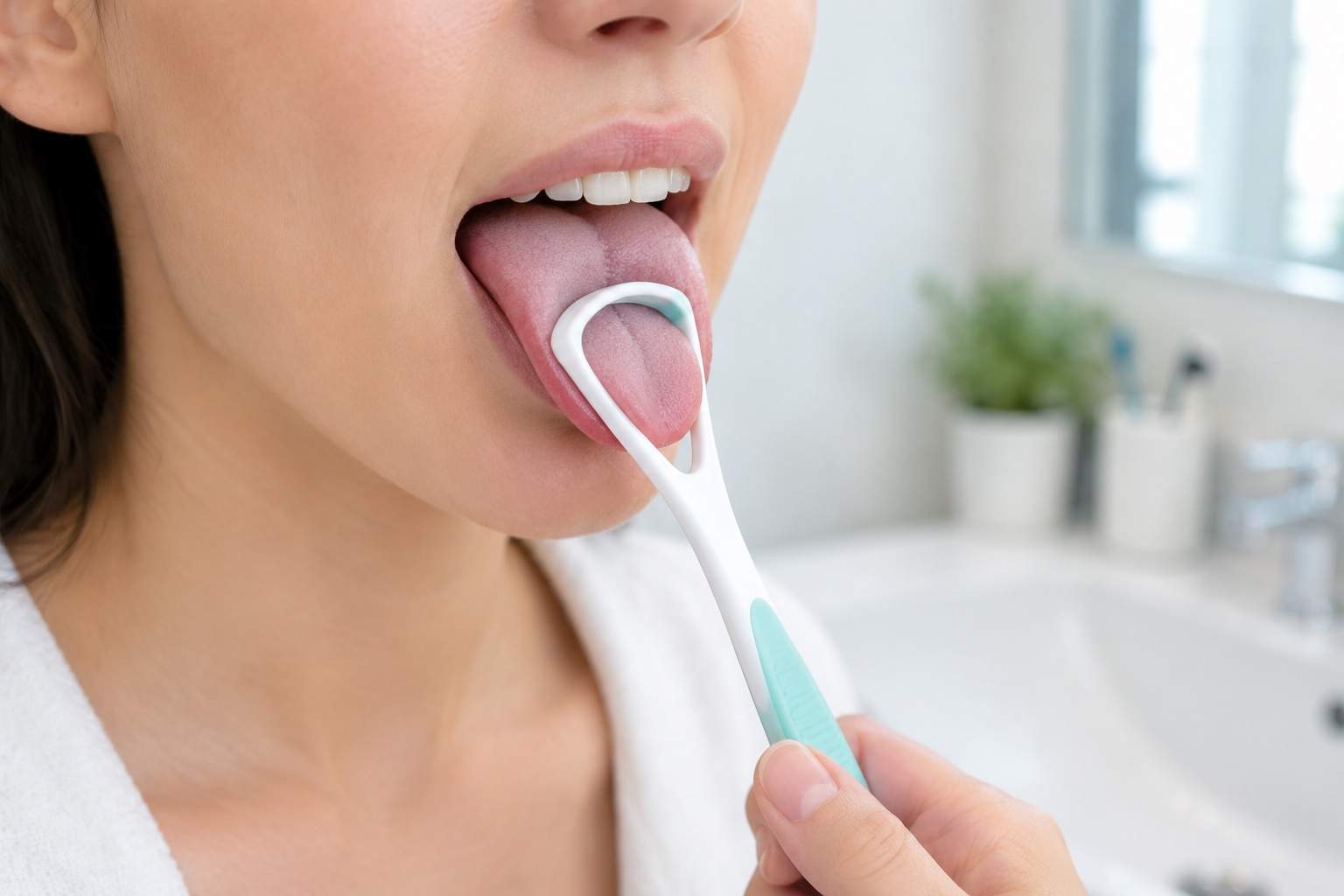
One of the most overlooked, yet significant, reservoirs for odor-producing bacteria is the tongue. Its rough, papillae-covered surface provides an ideal breeding ground for bacteria, food particles, and dead cells to accumulate, forming a thick, whitish coating. This coating is a veritable buffet for anaerobic bacteria, allowing them to proliferate and continuously produce VSCs. Everyone talks about brushing your teeth, but could the real secret to truly how to get rid of bad breath lie in something as simple as using a tongue scraper daily?
Beyond the Surface: Why Your Tongue Holds the Key
Research consistently points to the tongue as a major contributor to oral malodor. Simply brushing your tongue with a toothbrush might offer some benefit, but the bristles are designed for hard enamel, not the soft, contoured surface of the tongue. They tend to just move the bacteria around rather than effectively removing them. A dedicated tongue scraper, however, is designed to gently yet effectively lift and remove this bacterial film, significantly reducing the bacterial load and, consequently, the production of VSCs. This simple act can be one of the most powerful fresh breath tips you incorporate into your routine.
The Mouthwash Paradox: Is Your "Bad Breath Cure" Doing More Harm?
In the quest for fresh breath, many instinctively reach for mouthwash, especially strong, minty varieties. The immediate blast of mint feels refreshing, masking odors temporarily. But is reaching for a strong mint or an alcohol-based mouthwash truly a fresh breath tip that solves the problem, or could it actually be making the causes of bad breath worse in the long run? This common approach often treats the symptom, not the root cause, and some types of mouthwash can even exacerbate the problem.
The Drying Dilemma: The Alcohol Effect
Many popular mouthwashes contain alcohol, which acts as an antiseptic. While it kills bacteria, it also dries out the mouth. Saliva is your mouth's natural cleansing agent, helping to wash away food particles and neutralize acids. A dry mouth, or xerostomia, reduces saliva flow, creating an even more favorable environment for anaerobic, odor-producing bacteria to thrive. This can lead to a rebound effect, where breath actually worsens after the immediate masking effect wears off. Opting for alcohol-free mouthwashes or those with active ingredients like zinc compounds, which directly neutralize VSCs, can be a more effective component of a bad breath cure.
Deeper Than Oral Hygiene: Systemic Influences on Your Breath
While most bad breath originates in the mouth, it's crucial to acknowledge that persistent halitosis can sometimes signal underlying systemic health issues. This is why a comprehensive approach to halitosis treatment often involves looking beyond just oral hygiene habits. Conditions like chronic sinusitis, tonsil stones, gastroesophageal reflux disease (GERD), diabetes, liver, or kidney problems can manifest as distinct oral odors.
The Gut Connection and Beyond
For instance, certain digestive issues or an imbalance in gut microbiome can contribute to odors that travel up the esophagus and are expelled through the mouth. Similarly, dry mouth can be a side effect of medications, aging, or medical conditions, leading to increased bacterial activity. If you've diligently followed optimal oral hygiene practices for weeks and still struggle with persistent bad breath, it might be time to consult with your dentist or physician to rule out these less common, yet significant, systemic contributors. Addressing these underlying issues is a critical part of achieving true, lasting freshness.
Cultivating True Freshness: A Holistic Approach
Achieving lasting fresh breath isn't about quick fixes; it's about understanding the intricate ecosystem of your mouth and adopting a comprehensive strategy. It’s about going beyond the superficial act of brushing to address the deeper biological processes at play.
A Comprehensive Path to Confidence
To truly how to get rid of bad breath and maintain that fresh feeling:
- Brush Smart, Not Just Hard: Use a soft-bristled brush and fluoride toothpaste twice a day for at least two minutes. Focus on effective plaque removal along the gumline.
- Floss Daily, Without Fail: Flossing removes food particles and plaque from between teeth and under the gumline, areas your toothbrush can't reach, preventing bacterial buildup.
- Embrace the Tongue Scraper: Make daily tongue scraping a non-negotiable part of your oral hygiene routine. This single step can dramatically reduce odor-causing bacteria.
- Stay Hydrated: Drink plenty of water throughout the day to keep your mouth moist and promote healthy saliva flow.
- Choose Mouthwash Wisely: Opt for alcohol-free mouthwashes, especially those containing ingredients like zinc or cetylpyridinium chloride (CPC), which neutralize VSCs. Use it as an adjunct, not a replacement for brushing and flossing.
- Mind Your Diet: Reduce consumption of highly odorous foods (garlic, onions) and sugary snacks that feed oral bacteria. Opt for crunchy fruits and vegetables that naturally cleanse the mouth.
- Regular Dental Check-ups: Visit your dentist regularly for professional cleanings and examinations. They can identify and treat underlying dental issues like gum disease, which is a significant source of bad breath.
By understanding the nuanced causes of bad breath and adopting these comprehensive strategies, you can move beyond the frustration of fleeting freshness and embrace lasting confidence in every conversation.