You brush your teeth, floss, and rinse with mouthwash. Your mouth feels clean. Then you stick out your tongue in the mirror. There it is: a white, furry layer coating the entire surface. You scrape it with your fingernail. A thick, pasty residue collects underneath. You smell it.
E.g. :You Reuse Dental Floss Picks – That’s Spreading Bacteria Between Teeth
- 1、What That White Coating Really Is: A Bacterial Mat
- 2、The “Toothbrush Mistake” That Leaves Bacteria Behind
- 3、Why a Tongue Scraper Works (And How to Use It)
- 4、The Taste Connection: Why Food Seems Dull
- 5、A Complete Tongue Care Protocol for Fresh Breath
- 6、Who Should Never Ignore Tongue Coating
- 7、FAQs
The odor makes you recoil.
That white film isn’t harmless. It’s not “morning residue” that disappears after coffee. It’s a living biofilm packed with billions of bacteria. And most people ignore it completely—or worse, they try to clean it with their toothbrush bristles and make things worse.
What That White Coating Really Is: A Bacterial Mat
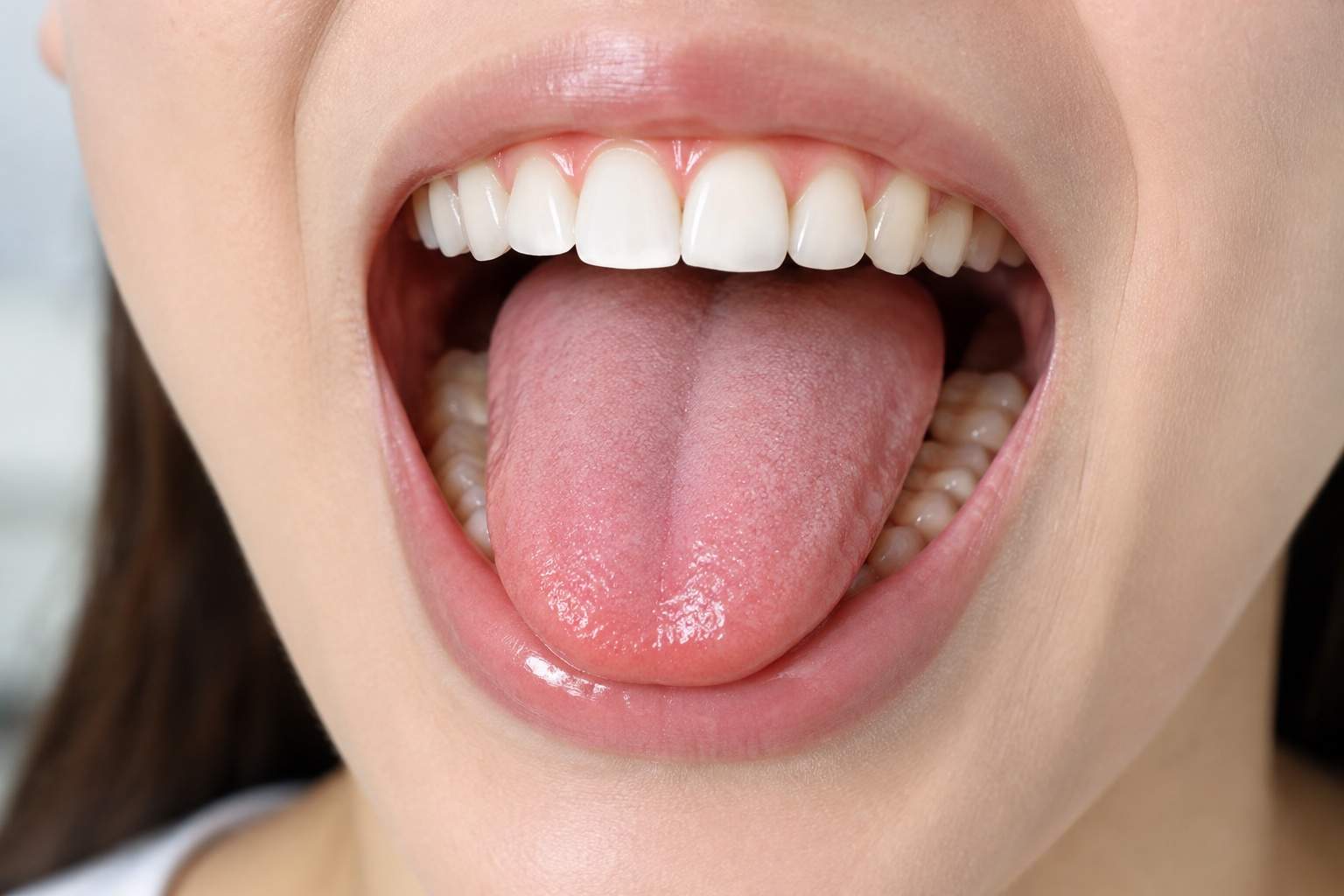
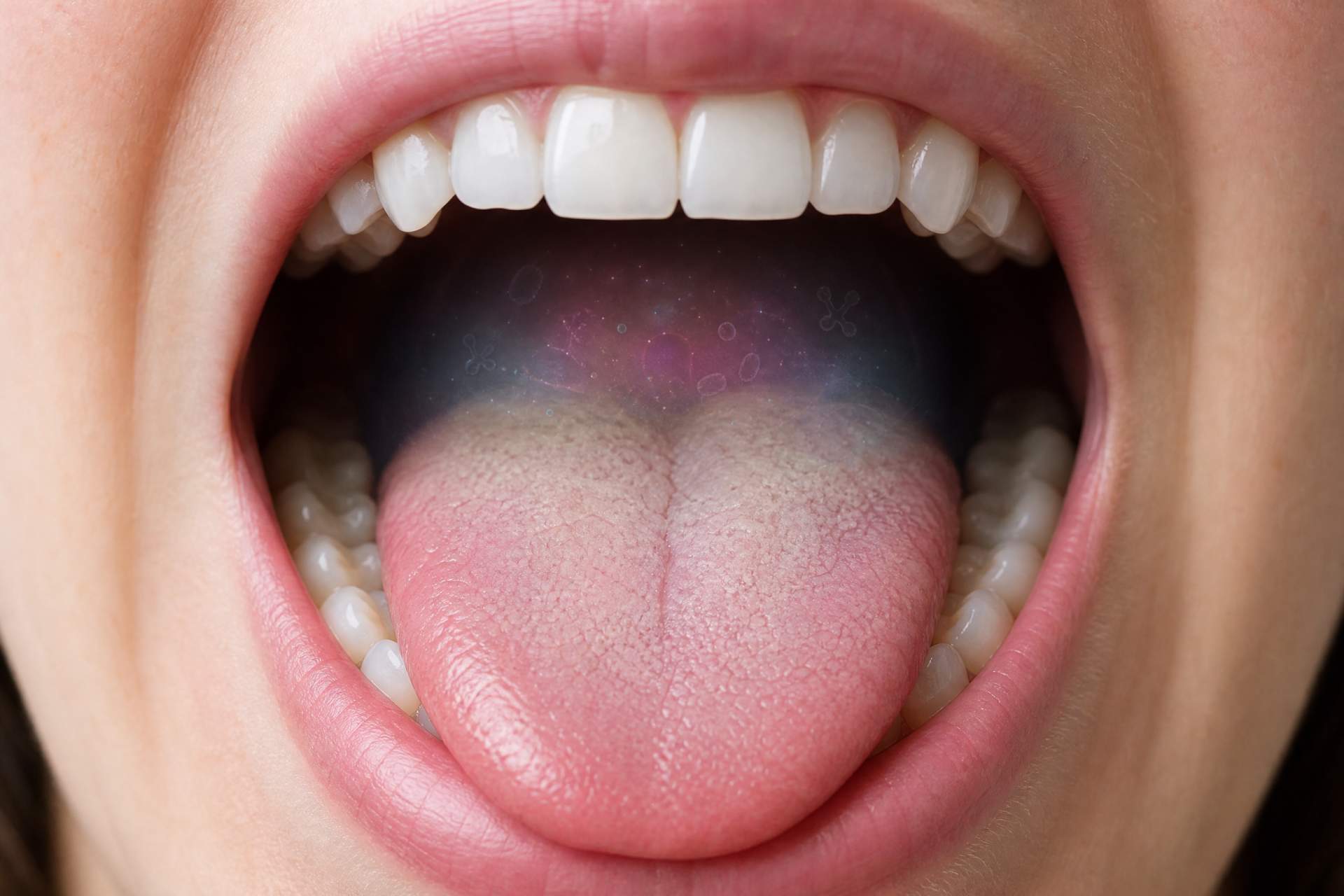
The tongue’s surface is covered with hundreds of tiny projections called papillae. These create deep crevices where food debris, dead epithelial cells, and bacteria accumulate. This mixture forms a visible coating—usually white or yellowish.
Under a microscope, that coating contains up to 10 billion bacteria per square centimeter. The dominant species are anaerobic: they thrive in low-oxygen environments. As they break down proteins, they release volatile sulfur compounds (VSCs)—the same molecules responsible for rotten-egg and sewage odors.
A 2017 study in the Journal of Breath Research analyzed tongue coatings from 200 adults with halitosis. Over 90% of the malodor originated from the posterior (back) third of the tongue. Brushing teeth alone reduced breath odor by only 15%; tongue cleaning reduced it by 75%.
The “Toothbrush Mistake” That Leaves Bacteria Behind
Many people think brushing their tongue with a toothbrush is enough. It’s not.
Toothbrush bristles are designed for flat, hard enamel surfaces. The tongue is soft, uneven, and covered with papillae. Bristles glide over the valleys without removing the deep-layer biofilm. Worse, aggressive brushing can injure taste buds and trigger a gag reflex.
A 2019 clinical trial in the International Journal of Dental Hygiene compared tongue brushing versus tongue scraping over two weeks. The scraping group reduced VSC levels by 48% and tongue coating thickness by 52%. The brushing group reduced VSCs by only 22% and coating thickness by 18%. Scraping was more than twice as effective.
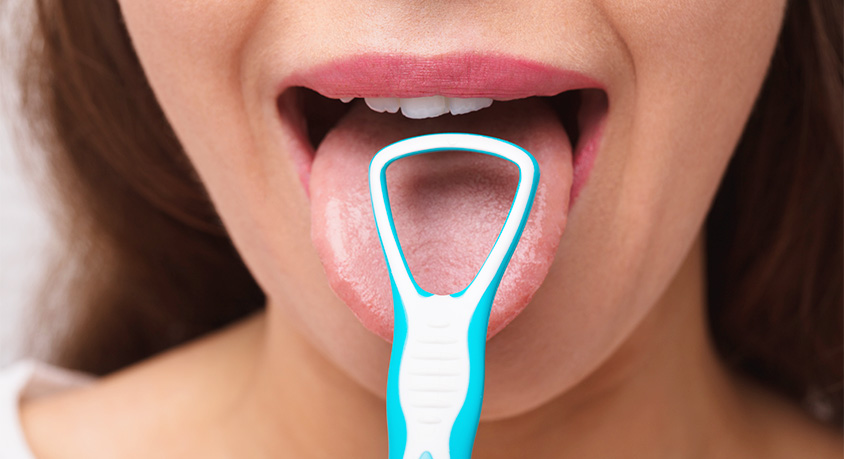
Why a Tongue Scraper Works (And How to Use It)
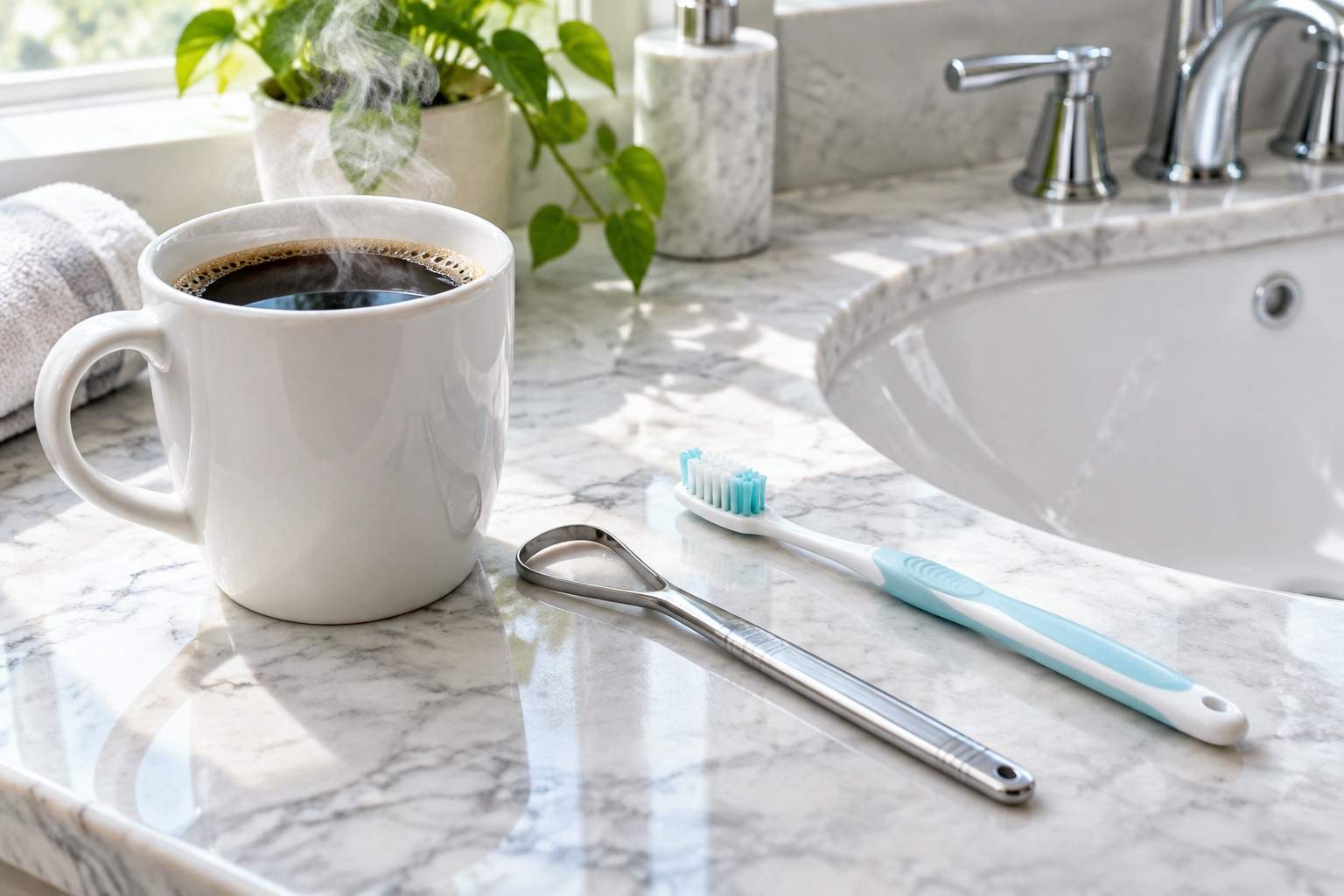
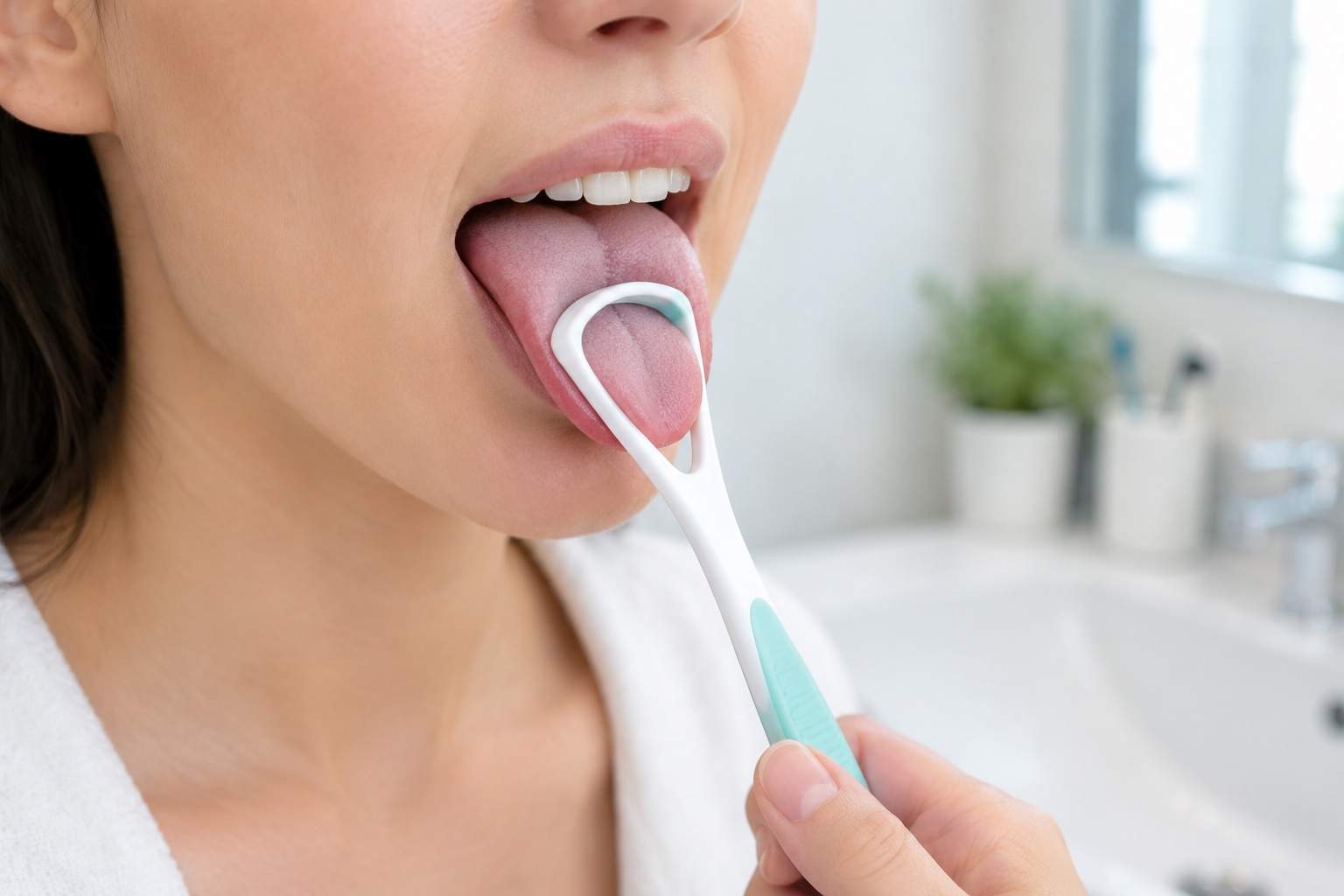
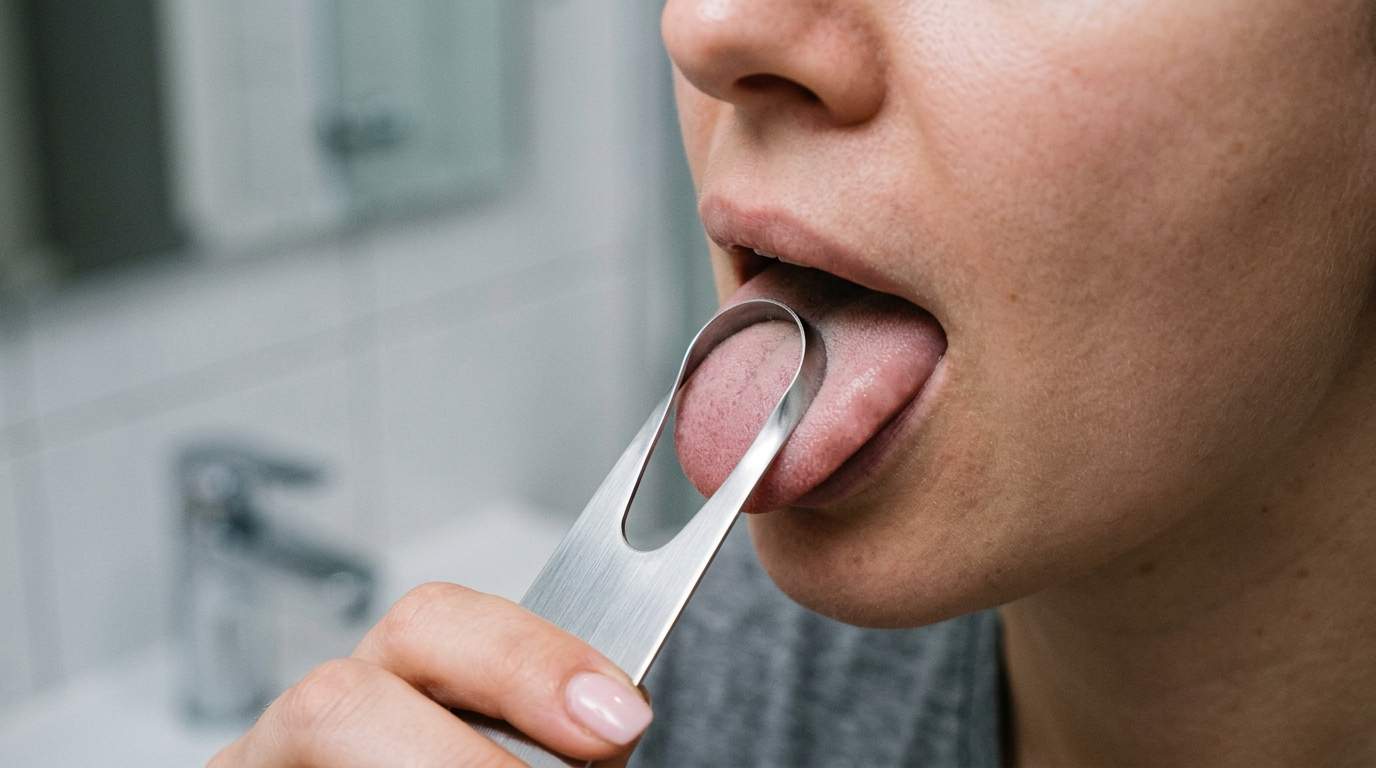
A tongue scraper is a simple, U-shaped tool made of plastic or metal. Its flat edge applies gentle pressure, wiping the biofilm off the tongue surface in one smooth motion.
The Mechanism
Unlike bristles, the scraper’s edge physically lifts and removes the entire bacterial mat—not just the top layer. It doesn’t mash debris deeper into papillae. It doesn’t trigger gagging as easily because there’s no back-and-forth abrasive motion.
Correct Technique
- Stick out your tongue.
- Place the scraper as far back as comfortable (start at the middle if you gag easily).
- Gently pull forward with steady, light pressure.
- Rinse the scraper under water.
- Repeat 3–5 times until the coating is gone.
- Never scrape aggressively—you can cause micro-tears.
A 2020 study in the Journal of Clinical Periodontology found that twice-daily tongue scraping (morning and night) reduced morning breath by 87% after four weeks. Participants also reported improved taste sensation because taste buds were no longer buried under biofilm.
The Taste Connection: Why Food Seems Dull
Have you noticed that food tastes less flavorful than it used to? You might blame age or cooking.
The tongue’s taste buds sit at the bottom of papillae grooves. When a thick coating covers those grooves, taste molecules cannot reach the receptors. You lose the ability to fully taste sweet, salty, sour, and bitter.
A 2018 experiment in Chemical Senses tested taste detection thresholds before and after tongue scraping. After scraping, participants could detect lower concentrations of sugar and salt. The difference was equivalent to “uncovering” one-third of their taste sensitivity.
A Complete Tongue Care Protocol for Fresh Breath
You don’t need mouthwash or special toothpaste. Here’s a routine that addresses the root cause:
Scrape Before Brushing
Scrape your tongue first. This removes the bacterial film. Then brush with fluoride toothpaste. The fluoride can now contact clean tongue tissue (though fluoride isn’t needed on the tongue—the benefit is removing bacteria before they spread).
Scrape Twice Daily
Morning scraping removes the biofilm that accumulated overnight (saliva flow drops during sleep, allowing bacteria to multiply). Evening scraping removes the day’s buildup before bacteria feed for eight hours.
Hydrate and Stimulate Saliva
Dry mouth thickens tongue coating. Drink water throughout the day. Chew sugar-free gum to increase salivary flow, which mechanically cleans the tongue.
Avoid Alcohol Mouthwash Immediately After Scraping
Alcohol dries the tongue, making biofilm reform faster. Use an alcohol-free rinse if desired, but scraping alone is sufficient.
Who Should Never Ignore Tongue Coating
A persistent, thick white coating that doesn’t scrape off—or that reveals red, raw patches underneath—may indicate oral thrush (candidiasis), lichen planus, or leukoplakia. These require medical evaluation.
Also, if you have a geographic tongue (map-like red patches), scraping is safe but may cause mild discomfort. Use a very gentle plastic scraper.
For everyone else, a clean tongue is one of the simplest, most underrated habits in oral care. It costs less than five seconds and one cheap tool.
FAQs
Q: Can tongue scraping damage my taste buds?
A: No, when done gently. Taste buds are located at the base of papillae. A scraper glides over the tops of papillae, removing surface biofilm without reaching the buds. Aggressive scraping or using sharp edges can cause irritation, but standard plastic or metal scrapers are safe. If you see blood or feel pain, reduce pressure.
Q: How often should I replace my tongue scraper?
A: Plastic scrapers should be replaced every 3–4 months, or sooner if the edge becomes rough. Metal (stainless steel or copper) scrapers last indefinitely if cleaned and disinfected occasionally with boiling water or rubbing alcohol. Never share your scraper with another person.
Q: My gag reflex makes tongue scraping impossible. Any tips?
A: Start at the very front of your tongue, where the coating is thin. Scrape forward only, not back-and-forth. Breathe through your nose. Distract yourself by humming. Over 1–2 weeks, your gag reflex desensitizes. Some people prefer a smaller, narrower scraper that touches less surface area at once. If all else fails, use a soft toothbrush in circular motions—less effective but better than nothing.