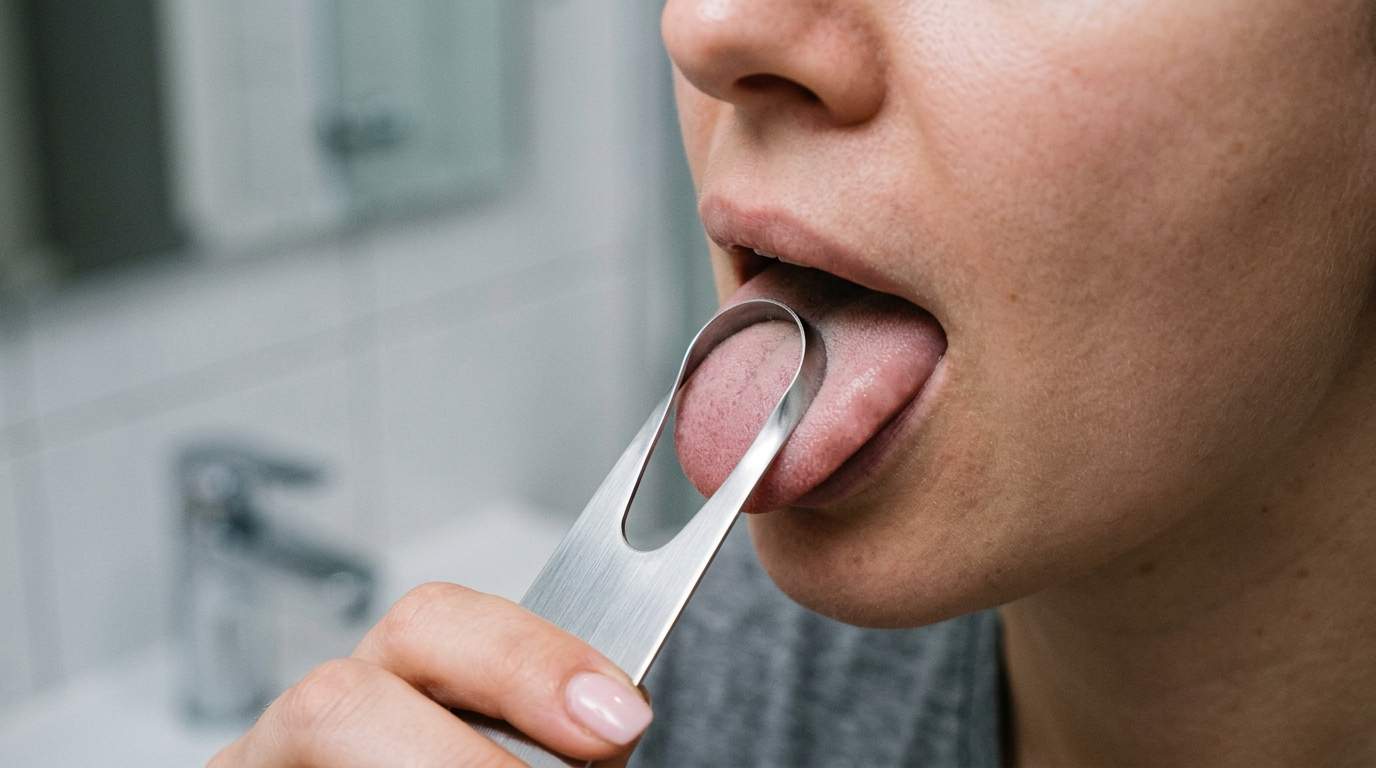
That familiar, slightly acrid sensation often arrives uninvited, casting a shadow over your day. You've followed the playbook: brush meticulously, perhaps even wielded a tongue scraper with conviction, and swished with a mouthwash that promised minty oblivion. Yet, as the morning unfolds, a subtle unease creeps in, culminating in that dreaded self-test – a quick exhale into a cupped hand – confirming your deepest fear: the freshness has vanished. It's a frustrating, often embarrassing cycle that leaves many wondering if their diligent efforts are, in fact, merely scratching the surface of a deeper, more elusive problem. Why does this persistent, unwelcome guest keep returning, defying your best attempts at banishment?
E.g. :One Missing Tooth Can Wreck Your Bite – Why Adjacent Teeth Shift Without a Filling
- 1、The Deceptive Dance of Mouthwash: Masking vs. Healing
- 2、Beyond the Surface: Re-evaluating Brushing and Tongue Cleaning for Chronic Halitosis
- 3、The Unseen Culprits: When Bad Breath Signals Systemic Health Issues
- 4、Decoding the Odor: Understanding the Chemistry of Bad Breath
- 5、Towards Lasting Freshness: Comprehensive Solutions for Halitosis Treatment
- 6、FAQs
The Deceptive Dance of Mouthwash: Masking vs. Healing
For many, the go-to solution for bad breath is a vigorous swish with an antiseptic mouthwash. The immediate blast of mint or eucalyptus feels like victory, a refreshing reset for the oral cavity. However, this perception can be profoundly misleading. Many commercial mouthwashes, particularly those containing alcohol or strong antimicrobials, operate on a 'scorched earth' policy, indiscriminately eliminating not just the odor-causing bacteria but also the beneficial microorganisms that constitute your oral microbiome.
This delicate ecosystem within your mouth is crucial for maintaining balance. Studies indicate that a healthy oral microbiome plays a vital role in preventing the overgrowth of pathogenic bacteria and even influencing overall systemic health. When disrupted by harsh chemicals, the balance can tip, allowing tougher, odor-producing anaerobic bacteria to flourish unchecked once the initial antiseptic effect wears off. Furthermore, alcohol-based mouthwashes can dry out the oral tissues, reducing saliva flow – a natural cleanser. A diminished salivary flow creates an even more hospitable environment for odor-producing bacteria to thrive, paradoxically making the problem of chronic halitosis worse in the long run. The immediate relief is merely a mask, concealing a deeper imbalance rather than truly addressing the root cause.
The Oral Microbiome: A Delicate Ecosystem
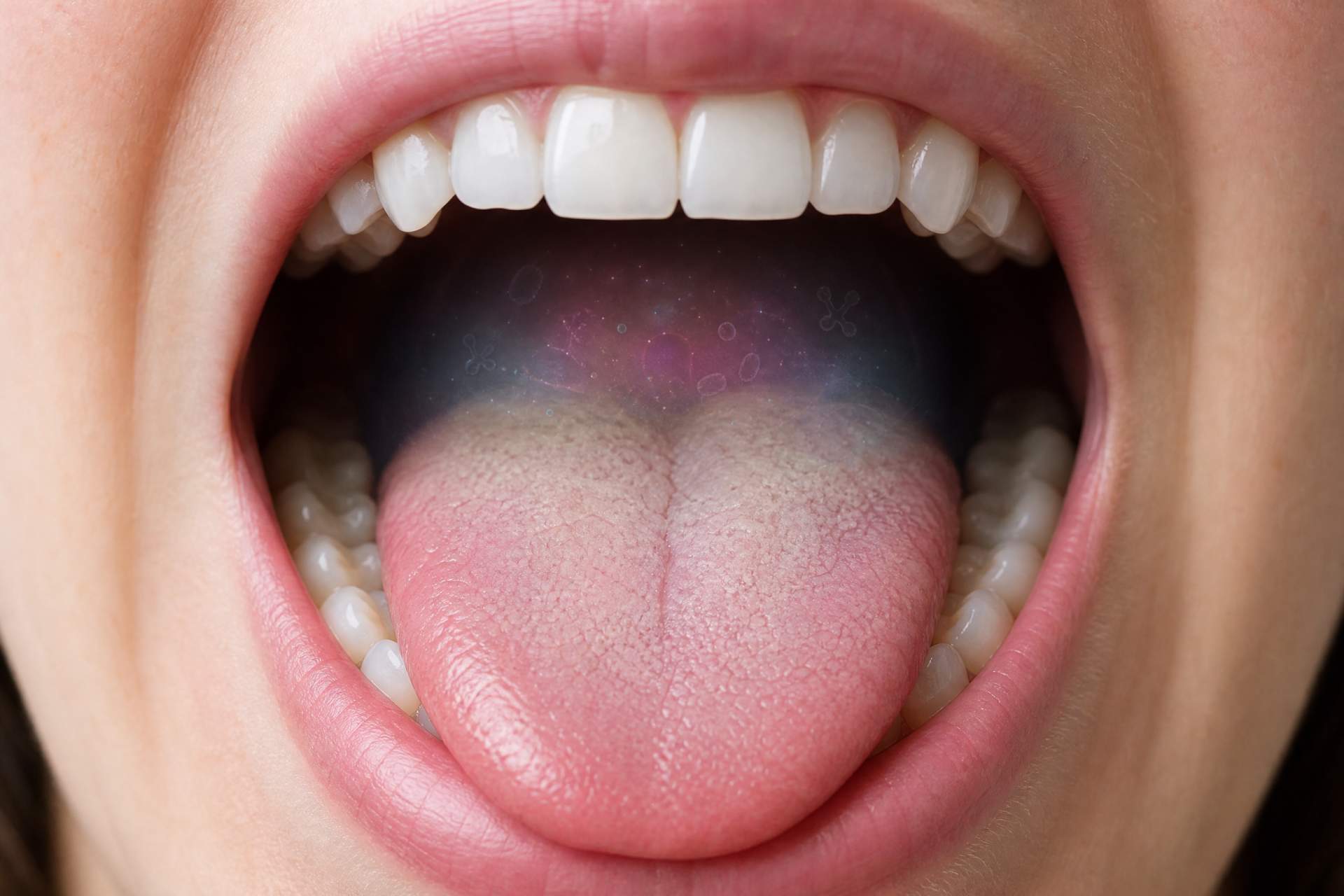
Imagine your mouth as a bustling metropolis, teeming with billions of microorganisms. Some are diligent workers, maintaining peace and cleanliness, while others are less desirable, generating waste products. The goal isn't to sterilize the city but to ensure a harmonious balance, where the beneficial outnumber the problematic. Volatile Sulfur Compounds (VSCs), like hydrogen sulfide and methyl mercaptan, are the primary culprits behind bad breath. These foul-smelling gases are the metabolic byproducts of specific anaerobic bacteria (those that thrive without oxygen) as they break down proteins from food debris, dead cells, and plaque. A balanced oral microbiome helps keep these VSC-producing bacteria in check.

Beyond the Surface: Re-evaluating Brushing and Tongue Cleaning for Chronic Halitosis
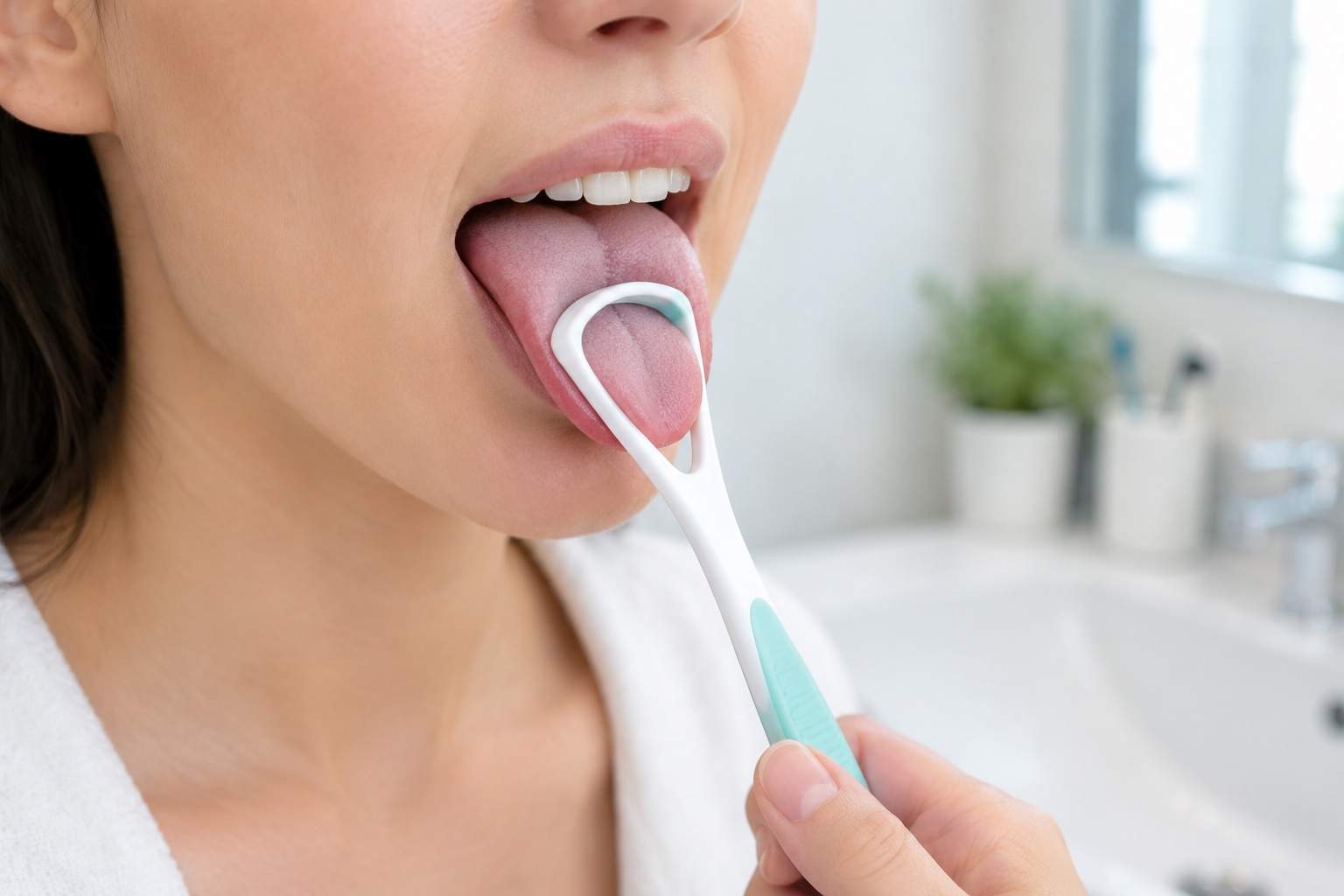
The bedrock of oral hygiene is undoubtedly brushing and, increasingly, tongue cleaning. These practices are indispensable for removing food particles, plaque, and some surface bacteria. However, their efficacy in resolving stubborn chronic halitosis warrants a deeper look. While beneficial, aggressive brushing or over-zealous tongue scraping can be counterproductive.
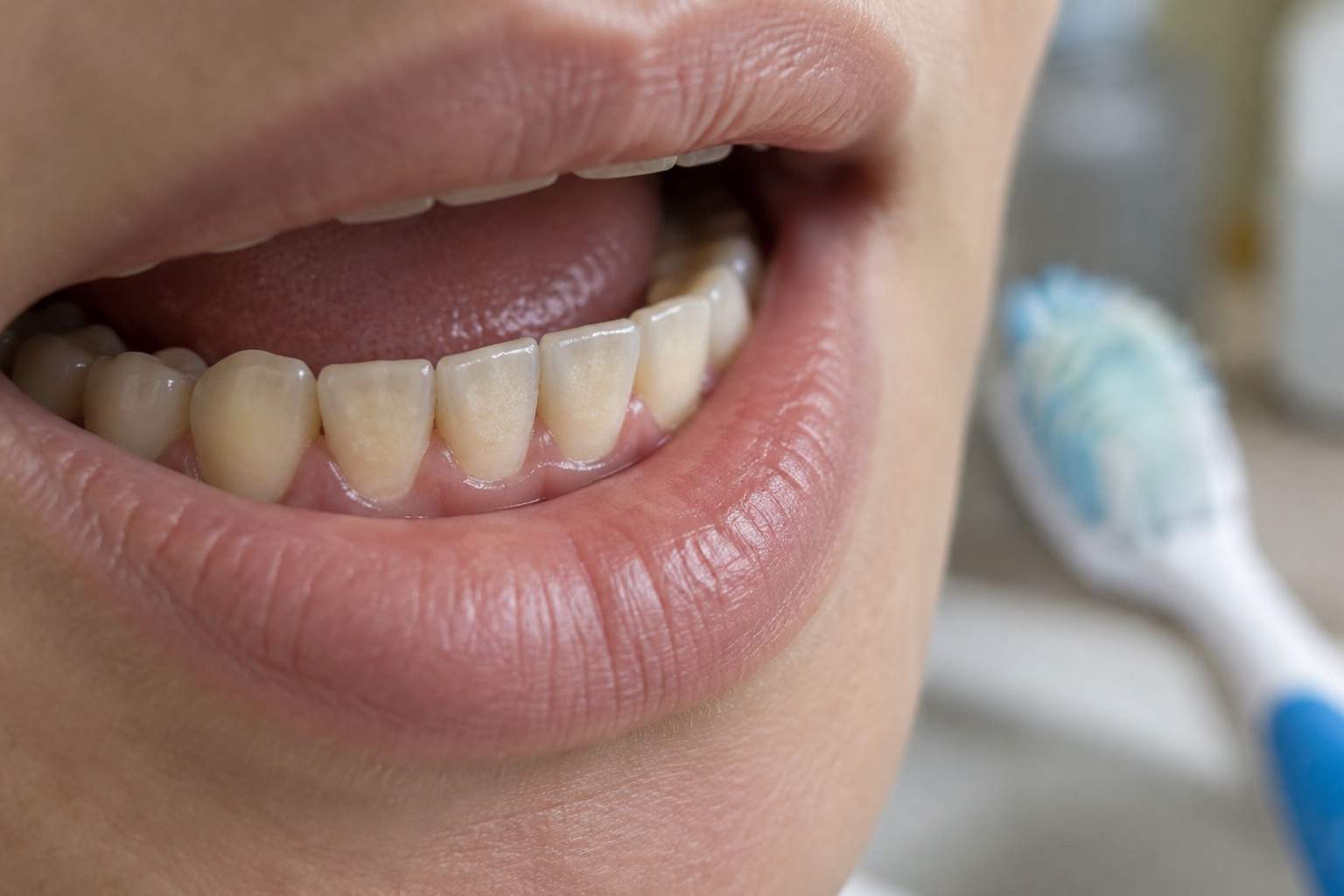
Vigorous brushing can lead to gum recession and tooth enamel erosion if not performed with proper technique. Similarly, excessive force when cleaning the tongue can irritate the delicate papillae, potentially leading to discomfort without offering additional benefit for breath. The issue often lies not in the act of cleaning, but in where the cleaning reaches and how effectively it disrupts the bacterial strongholds. Many odor-producing bacteria reside in hard-to-reach areas: deep in the crypts of the tongue, within periodontal pockets formed by gum disease, or even in tonsil stones. These hidden reservoirs can continuously release VSCs, making surface cleaning efforts feel futile.
The Limits of Mechanical Cleaning
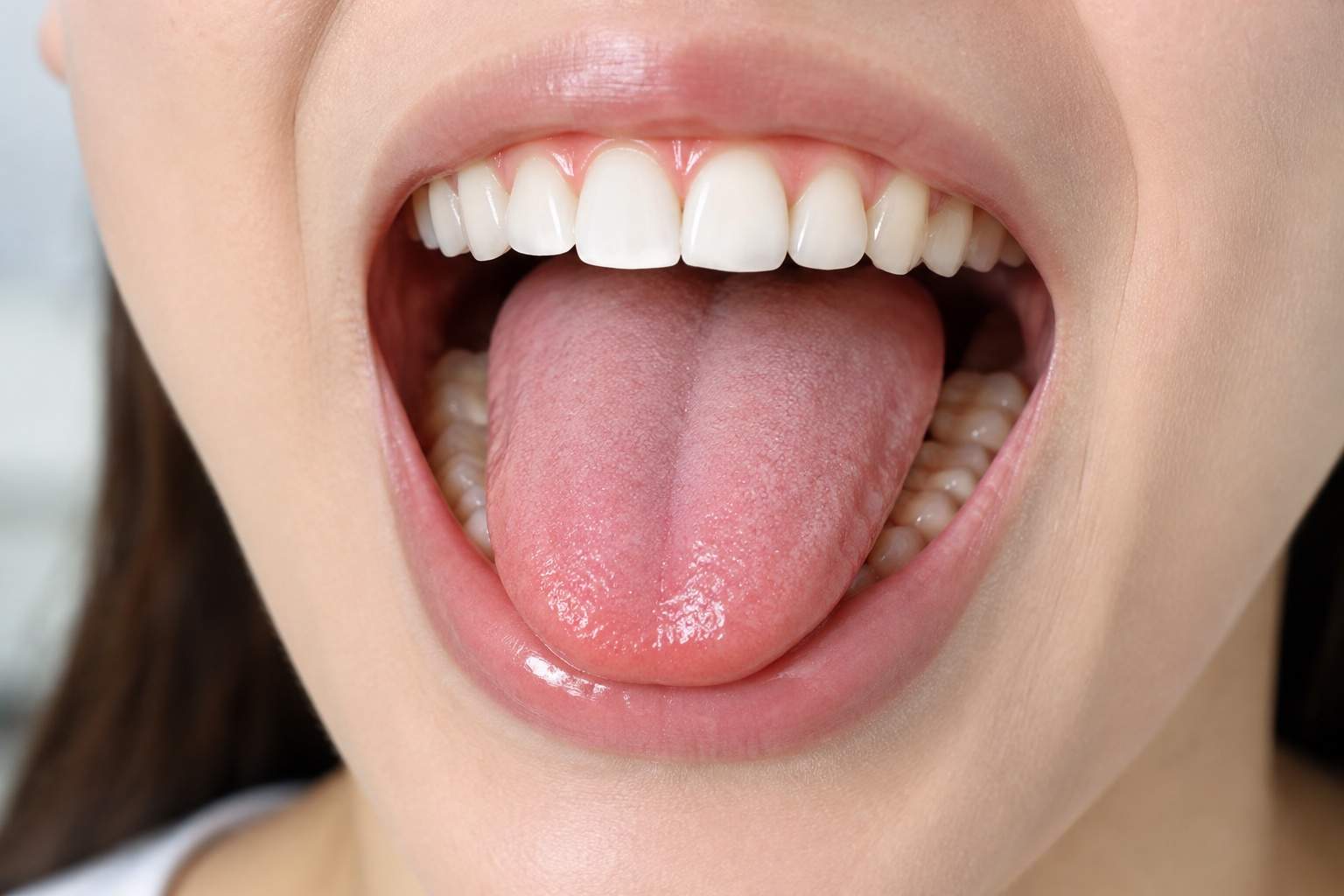
Even the most diligent brushing and scraping cannot reach every nook and cranny of the oral cavity. Interdental spaces, the tiny gaps between your teeth, are prime breeding grounds for bacteria and plaque. Flossing or using interdental brushes is crucial here, as these areas are often missed. Furthermore, for some individuals, the anatomy of their tongue (e.g., deep fissures) or the presence of cryptic tonsils can provide ideal anaerobic environments for bacteria to hide, making conventional cleaning methods insufficient to resolve the underlying problem.
The Unseen Culprits: When Bad Breath Signals Systemic Health Issues
This is where the narrative truly shifts, moving beyond the confines of the mouth to explore the profound connection between oral health and overall well-being. While the vast majority of bad breath originates within the oral cavity (approximately 80-90%), a significant percentage – about 10-20% – stems from extra-oral or systemic conditions. This is the "unseen culprit" that often goes overlooked, causing immense frustration for those who meticulously maintain their oral hygiene.
For instance, conditions that lead to dry mouth (xerostomia), such as certain medications (antihistamines, antidepressants), autoimmune diseases like Sjogren's syndrome, or even chronic dehydration, can drastically reduce saliva flow. Saliva is your mouth's natural cleansing agent, washing away food particles and bacteria. Without it, the mouth becomes a breeding ground for odor-producing bacteria.
Beyond the mouth, the respiratory system can be a source. Chronic sinus infections, post-nasal drip, or even tonsillitis can cause a foul odor as mucus and bacteria accumulate and decompose. The gastrointestinal tract also plays a role. Conditions like Gastroesophageal Reflux Disease (GERD) can allow stomach acids and partially digested food particles to reflux into the esophagus and mouth, leading to an unpleasant odor. Less commonly, serious systemic diseases such as uncontrolled diabetes (producing a sweet, fruity odor from ketones), kidney failure (a urine-like or fishy smell), or liver disease (a "foul" or "musty" odor) can manifest as distinct breath changes. These metabolic byproducts circulate in the bloodstream and are then exhaled through the lungs, highlighting the mouth as a true "window" to your body's internal state.
Decoding the Odor: Understanding the Chemistry of Bad Breath
To truly combat bad breath, one must understand its chemical underpinnings. The primary offenders, as mentioned, are Volatile Sulfur Compounds (VSCs). These chemical compounds—namely hydrogen sulfide (smells like rotten eggs), methyl mercaptan (smells like feces), and dimethyl sulfide (a cabbage-like odor)—are the direct result of specific oral bacteria breaking down proteins. These proteins come from food debris, dead epithelial cells lining the mouth, blood (from bleeding gums), and even residual mucus.
These anaerobic bacteria, particularly those residing on the back of the tongue and beneath the gum line, thrive in oxygen-deprived environments. When they metabolize these protein sources, VSCs are released. This biochemical process explains why a lack of proper cleaning allows these compounds to accumulate, and why addressing the bacterial load and their food sources is critical for effective bad breath solutions. Diet, too, plays a direct role. Foods like garlic and onions contain sulfur-containing compounds that, once digested, enter the bloodstream and are exhaled through the lungs, leading to temporary but potent breath odors.
Towards Lasting Freshness: Comprehensive Solutions for Halitosis Treatment
Achieving truly fresh breath is rarely about a single fix; it's about understanding the intricate interplay of factors at play and adopting a holistic, multi-pronged strategy. The path to lasting freshness begins with a commitment to foundational oral hygiene, but also involves exploring beyond the obvious.
Firstly, revisit your daily oral care routine. It's not just about brushing, but how you brush. Ensure you're using a soft-bristled brush, employing gentle, circular motions for at least two minutes, twice a day. Flossing or using interdental brushes daily is non-negotiable to remove hidden plaque and food debris that contribute to odor. Don't forget your tongue; a gentle tongue cleaner can remove the bacterial film effectively without causing irritation. Consider incorporating an oxygenating or alcohol-free mouthwash specifically designed to neutralize VSCs rather than just masking them or disrupting your microbiome.
Secondly, hydration is key. Drinking plenty of water throughout the day helps stimulate saliva flow, naturally cleansing your mouth and flushing away odor-causing bacteria. Dietary choices also matter. Reducing sugary foods and highly processed carbohydrates can starve the bad bacteria. Incorporating probiotic-rich foods or considering oral probiotic supplements can help rebalance your oral microbiome, favoring beneficial bacteria.
Finally, and crucially, do not underestimate the power of professional help. Regular dental check-ups and cleanings are essential not only for preventing cavities and gum disease but also for identifying and treating underlying oral conditions that contribute to halitosis. If, despite these efforts, your bad breath persists, it’s imperative to consult a physician. Remember, your breath can be a subtle indicator of deeper health issues. By working collaboratively with your dentist and doctor, you can uncover the true source of your persistent breath problem and embark on an effective bad breath solution tailored to your unique needs, leading to renewed confidence and lasting oral wellness.
Embracing a Holistic Approach to Oral Wellness
True oral wellness extends beyond just teeth and gums. It encompasses the balance of your oral microbiome, the health of your systemic body, and the choices you make daily. Viewing bad breath not just as an isolated nuisance but as a potential signal from your body allows for a more comprehensive and ultimately more effective approach to health management. This integrated perspective empowers you to move from simply reacting to symptoms to proactively fostering an environment where your breath reflects true inner health.