You lost a molar three years ago. No pain. No trouble chewing. You figured it wasn’t a big deal. Why pay for a bridge or implant when everything seems fine?
E.g. :Why Brushing Right After Meals Might Harm Your Teeth More Than Help
- 1、The Domino Effect: Teeth Are Meant to Touch
- 2、Why a “Painless Gap” Is a Silent Time Bomb
- 3、The Bite Collapse You Won’t Notice Until Too Late
- 4、You Can’t “Wait and See” – The Clock Is Short
- 5、What Are Your Options for Replacement?
- 6、How to Stop Further Damage Right Now
- 7、FAQs
Then you notice something odd. The gap looks smaller. The tooth behind it has tilted forward like a falling domino. The tooth above it has dropped down noticeably. Suddenly, food gets stuck in new places. Your jaw clicks when you yawn.
That single missing tooth didn’t stay an isolated problem. It quietly rearranged your entire bite.
The Domino Effect: Teeth Are Meant to Touch
Your teeth form a continuous arch. Each tooth supports its neighbors. When one tooth is lost, the adjacent teeth lose that support. Over months, they drift into the empty space.
This isn’t random movement. Your tongue and chewing forces naturally push teeth toward any gap. Without a replacement, the adjacent tooth will tilt and rotate. The tooth opposite the gap (the one that used to bite against the missing tooth) has no opponent. It starts to erupt out of its socket, slowly growing longer.
A 2018 study in the Journal of Oral Rehabilitation tracked 200 patients with a single missing molar over five years. Within 12 months, 68% showed measurable tilting of the adjacent teeth. By 36 months, 91% had visible movement. The opposing tooth elongated in 82% of cases.
Why a “Painless Gap” Is a Silent Time Bomb
You think no pain means no problem. But teeth shifting is painless until it isn’t.
As adjacent teeth tilt, they create new food traps and hard-to-clean areas. Plaque builds up. Cavities and gum disease follow. The tilted tooth often develops pocketing on the side facing the gap. A 2019 study in the Journal of Clinical Periodontology found that teeth adjacent to a missing tooth had twice the risk of periodontal bone loss compared to teeth with both neighbors intact.
The over-erupted opposing tooth also becomes problematic. It now sits lower than its neighbors. Its root becomes exposed. It may feel loose. And it can strike the gum tissue below the missing tooth, causing painful impingement when you chew.

The Bite Collapse You Won’t Notice Until Too Late
When multiple teeth shift, your bite changes. The points of contact between upper and lower teeth no longer line up. You may start favoring one side. Jaw muscles overwork. Teeth develop cracks from abnormal forces.
This bite instability can lead to:
- Chronic jaw pain or TMJ clicking
- Worn or chipped teeth
- Headaches from muscle tension
- Inability to chew certain foods
A 2020 retrospective analysis in The International Journal of Prosthodontics examined 500 patients who had lost a single molar and did not replace it for at least five years. Nearly 40% eventually needed treatment for at least two additional teeth due to shifting complications. The cost of treating the cascade was four times higher than the cost of replacing the original missing tooth.
You Can’t “Wait and See” – The Clock Is Short
Some people assume they have years before shifting matters. The evidence says otherwise.
Significant movement begins within six months. By two years, many gaps have narrowed by 1–2 mm. By five years, the adjacent tooth may be tipped so far that restoring the gap requires orthodontic correction before any replacement.
The ideal window for replacing a missing tooth is within the first three months after extraction. The second-best time is now. After that, you’re treating complications, not just the gap.
What Are Your Options for Replacement?
If you already have a gap, don’t panic. You have three main options, depending on shifting severity:
Dental Implant
The gold standard. An implant replaces both root and crown. It prevents bone loss in the jaw and does not affect adjacent teeth. If adjacent teeth have already tilted, you may need minor orthodontics to reopen the space.
Fixed Bridge
The adjacent teeth are shaved down and crowned as supports for a false tooth. This works even if those teeth are slightly tilted, but it permanently alters healthy enamel. Bridges also do not prevent bone loss under the missing tooth.
Partial Denture
A removable option, typically for multiple missing teeth. Least expensive but least comfortable. It can trap food and increase decay risk on the clasped teeth.
A 2021 systematic review in the Journal of Dental Research reported that implants have a 95% success rate at 10 years. Bridges have a 90% success rate but require replacement every 10–15 years on average.
How to Stop Further Damage Right Now
Even before you decide on replacement, you can slow or stop shifting:
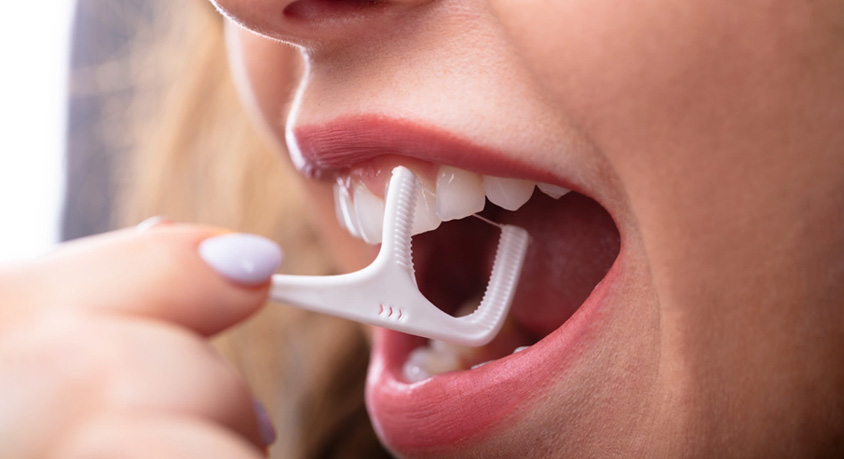
- Keep the gap clean. Use an interdental brush or water flosser to clean between the tilted tooth and the gap. Plaque buildup accelerates bone loss.
- Chew on both sides. Avoid favoring one side. Uneven forces worsen tipping.
- Wear a night guard if you grind. Bruxism accelerates both shifting and over-eruption.
- See a dentist for space maintenance. A simple space maintainer (a small wire loop) can hold the gap open for months while you plan.
FAQs
Q: Can I replace a tooth that’s been missing for years?
A: Yes, but it may require orthodontics first. If adjacent teeth have tilted or the opposing tooth has over-erupted, your dentist may need to upright the tilted tooth with braces or Invisalign for several months. The over-erupted tooth may need to be shortened and crowned. Replacement is still possible—just more involved.
Q: Will a dental implant stop my other teeth from shifting?
A: Yes. Once an implant is placed and restored, it acts like a natural tooth in maintaining arch integrity. However, if adjacent teeth have already shifted significantly before the implant, they will not spontaneously realign. You would need orthodontic treatment before or after the implant.
Q: Is it worth replacing a missing wisdom tooth?
A: No. Wisdom teeth are not functional for chewing in most people. Their removal does not cause adjacent teeth to shift because the second molar usually maintains the arch. However, if a second molar was removed (tooth number 2 or 31), that gap does require replacement.