You just left a meeting, feeling confident, perhaps even invigorated by a recent dental care ritual, until that subtle, stale taste creeps back. An instinctive check, a quiet doubt, despite having just brushed meticulously. It's a persistent frustration many share: "doing everything right"—brushing, flossing, rinsing—only for your breath to turn stale again too soon, leaving you self-conscious in crucial social or professional settings. Why does this seemingly inevitable cycle of fleeting freshness plague so many of us? What are the unseen forces at play, and how can we truly reclaim lasting confidence in our breath?
E.g. :Your Expensive Electric Toothbrush Isn’t Cleaning Better Than a Cheap Manual
- 1、The Unseen Culprits: Deconstructing Persistent Bad Breath
- 2、The Illusion of Mint: Why Traditional Mouthwash Falls Short
- 3、Beyond Brushing: Mastering the Art of Tongue Cleaning
- 4、The Gut-Breath Connection: Unpacking Systemic Influences on Fresh Breath
- 5、Crafting a Lasting Strategy: Actionable Steps for Long-Term Fresh Breath
- 6、FAQs
The Unseen Culprits: Deconstructing Persistent Bad Breath
The journey from minty freshness to stale air begins, surprisingly, not with what you eat, but with what eats in your mouth: a complex ecosystem of microscopic bacteria. These anaerobic bacteria, thriving in oxygen-deprived environments like the back of your tongue or between your teeth, break down proteins from food particles, dead cells, and even saliva. The byproducts of this metabolic feast are potent gases known as Volatile Sulfur Compounds (VSCs), primarily hydrogen sulfide and methyl mercaptan. These are the chemical compounds that give bad breath its characteristic, often unpleasant, odor.
More Than Just Morning Breath: Understanding Halitosis
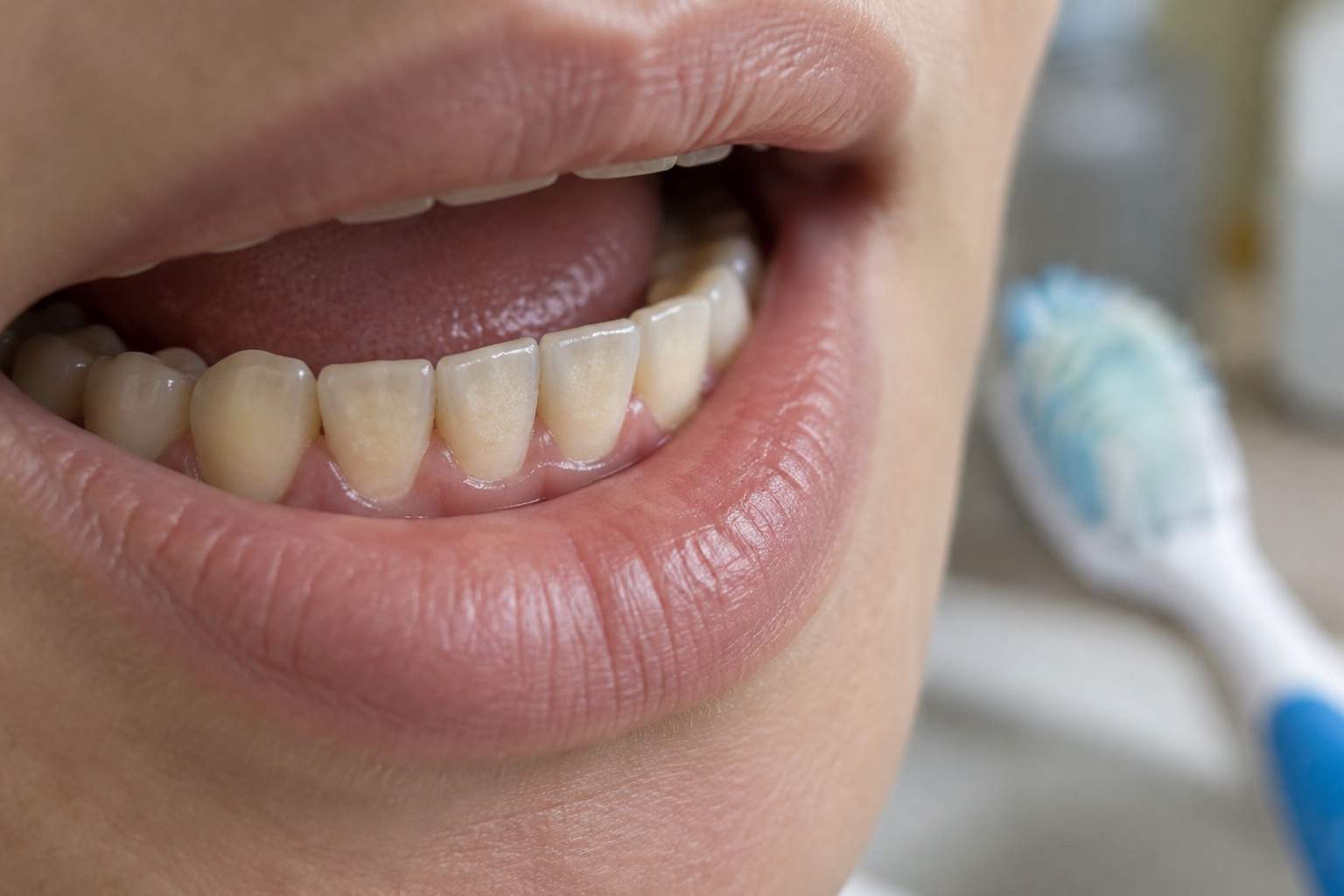
While morning breath is a common, temporary phenomenon dueishing reduced saliva flow during sleep, persistent bad breath, or halitosis, signals a more continuous bacterial activity. Research indicates that over 80% of halitosis cases originate from the oral cavity itself, highlighting the direct link between oral hygiene and breath quality. This isn't just about food remnants; it’s about the fundamental principles of microbial life in your mouth. When these bacteria proliferate unchecked, their production of VSCs overwhelms any temporary masking agents, leading to that swift return of staleness you experience. Understanding this fundamental biological process is the first step towards effective and lasting solutions.
The Illusion of Mint: Why Traditional Mouthwash Falls Short
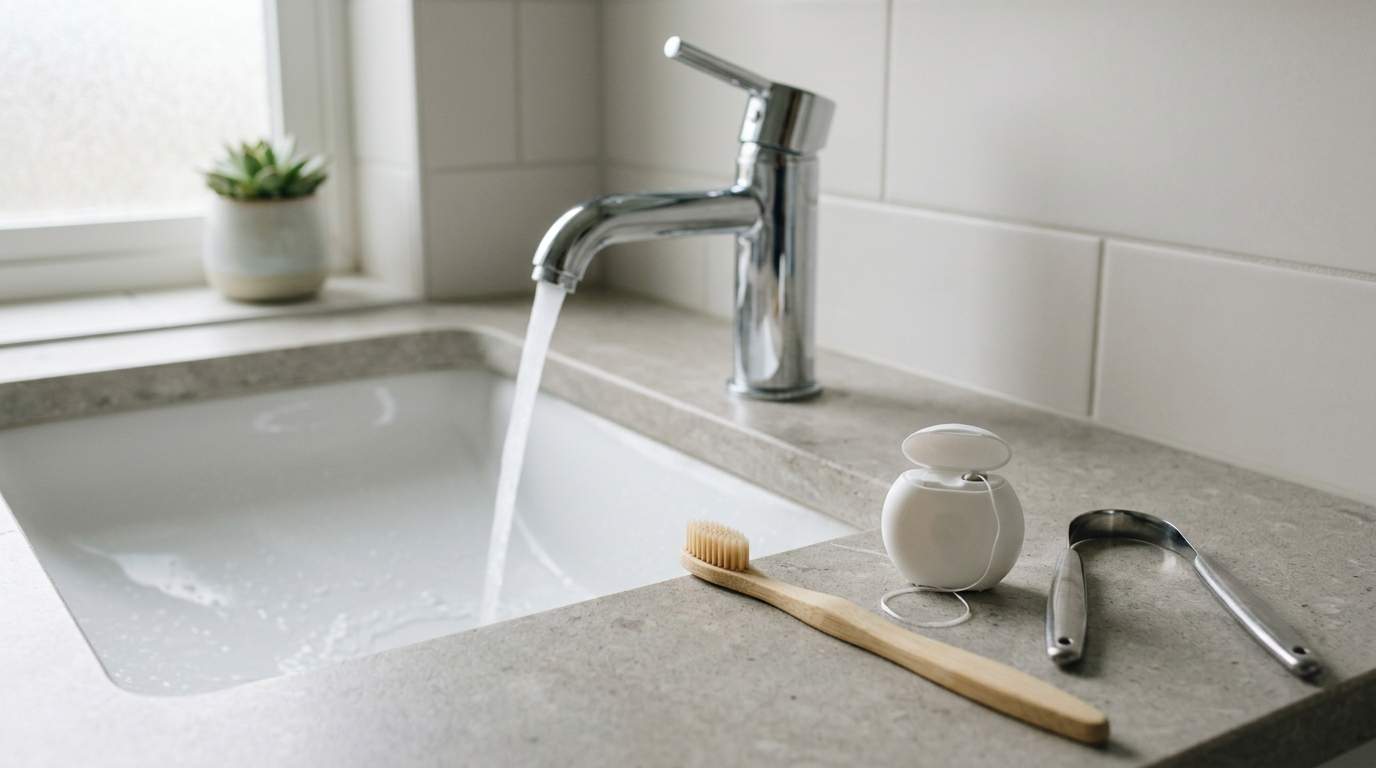
For many, mouthwash seems like the obvious solution to banish bad breath. The strong, minty burst promises immediate freshness, but often, that fresh feeling is fleeting, sometimes even leaving your mouth feeling dry and worse an hour later. Why? Many conventional mouthwashes contain alcohol, which, while effective at killing bacteria initially, also dries out the mouth. Saliva is your mouth's natural cleansing agent, constantly washing away food particles and neutralizing acids. A dry mouth, medically known as xerostomia, drastically reduces this protective mechanism.
The Dry Mouth Dilemma: A Breeding Ground for Odor
When saliva flow is reduced, the oral environment becomes less hospitable, not for the odor-causing bacteria, but for your mouth's natural defenses. A drier mouth allows these anaerobic bacteria to thrive further, breaking down proteins in the reduced salivary film and accelerating the production of VSCs. Think of it as inadvertently creating a perfect breeding ground for the very problem you’re trying to solve. Studies have shown that alcohol-based mouthwashes can exacerbate dry mouth symptoms, thus counteracting the very goal of fresh breath. This is why a shift towards alcohol-free, therapeutic mouthwashes that focus on neutralizing VSCs or promoting saliva flow is often a more sustainable approach.
Beyond Brushing: Mastering the Art of Tongue Cleaning
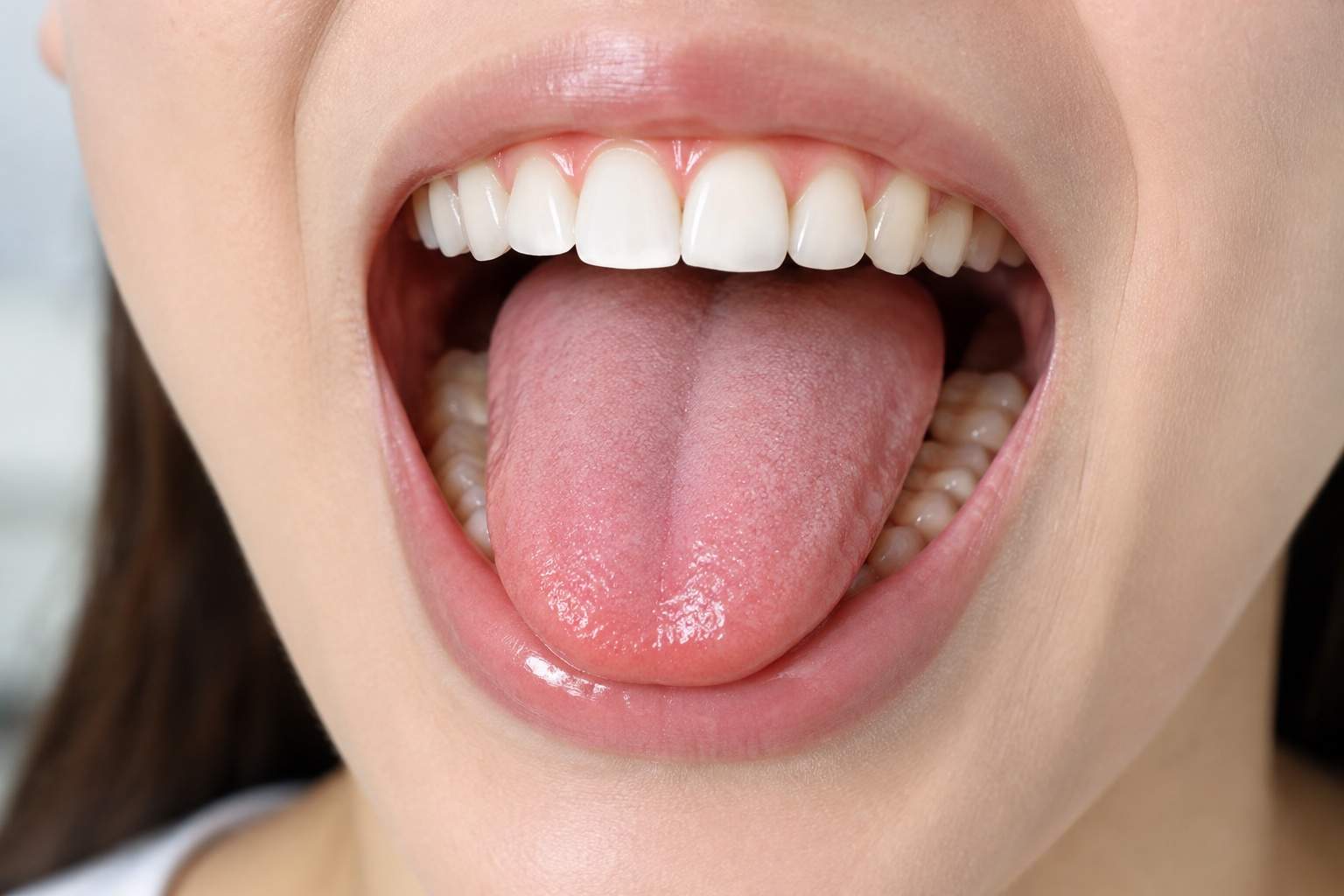
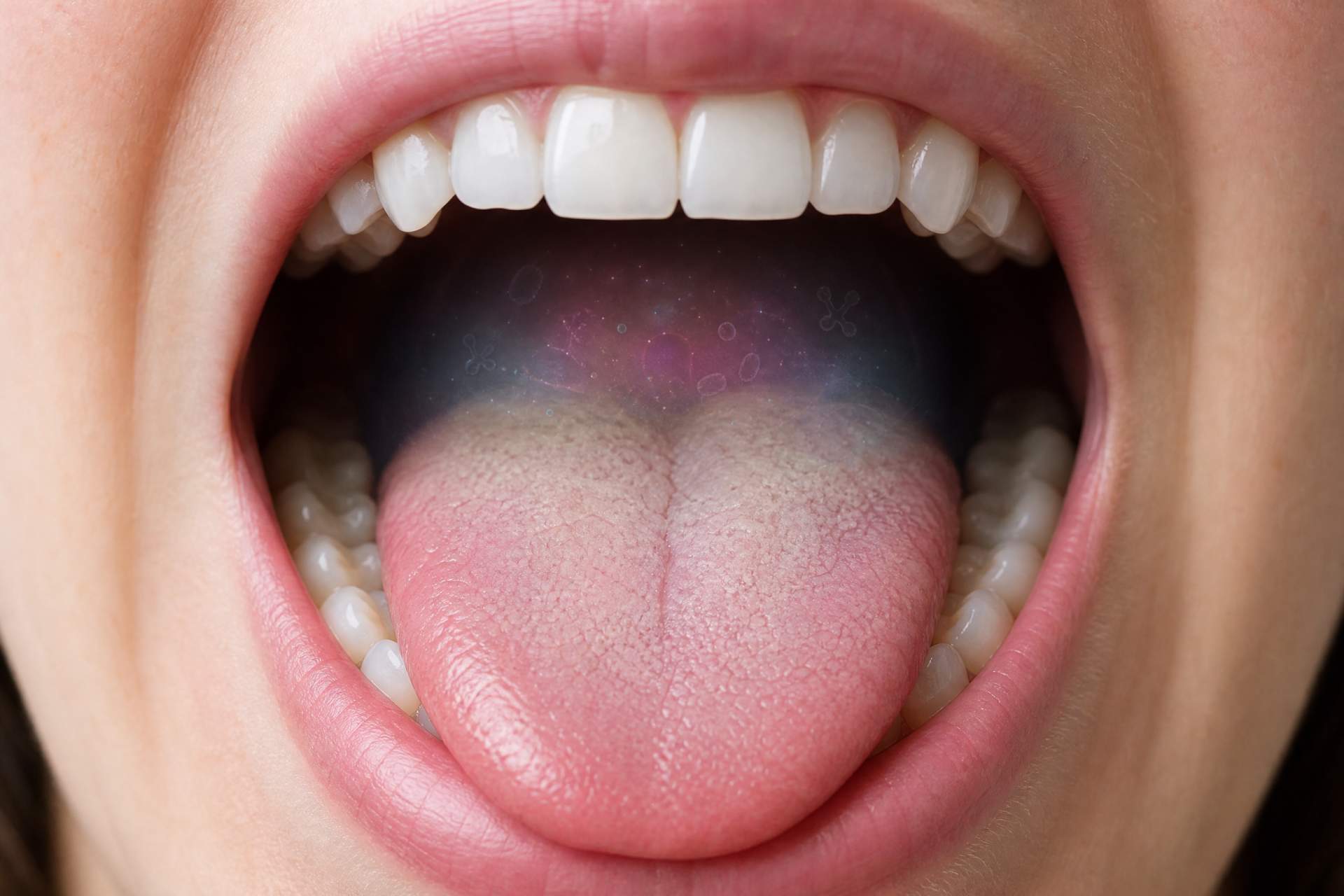
You brush diligently, you floss regularly, but does your routine truly address every bacterial hotspot? The tongue, particularly its rough, porous surface at the back, is a primary reservoir for odor-producing bacteria and their VSC byproducts. It's estimated that up to 50% of the bacteria in your mouth reside on your tongue. Simply brushing your teeth, even meticulously, often misses this crucial area.
The Tongue's Hidden Role: A Bacterial Hotspot
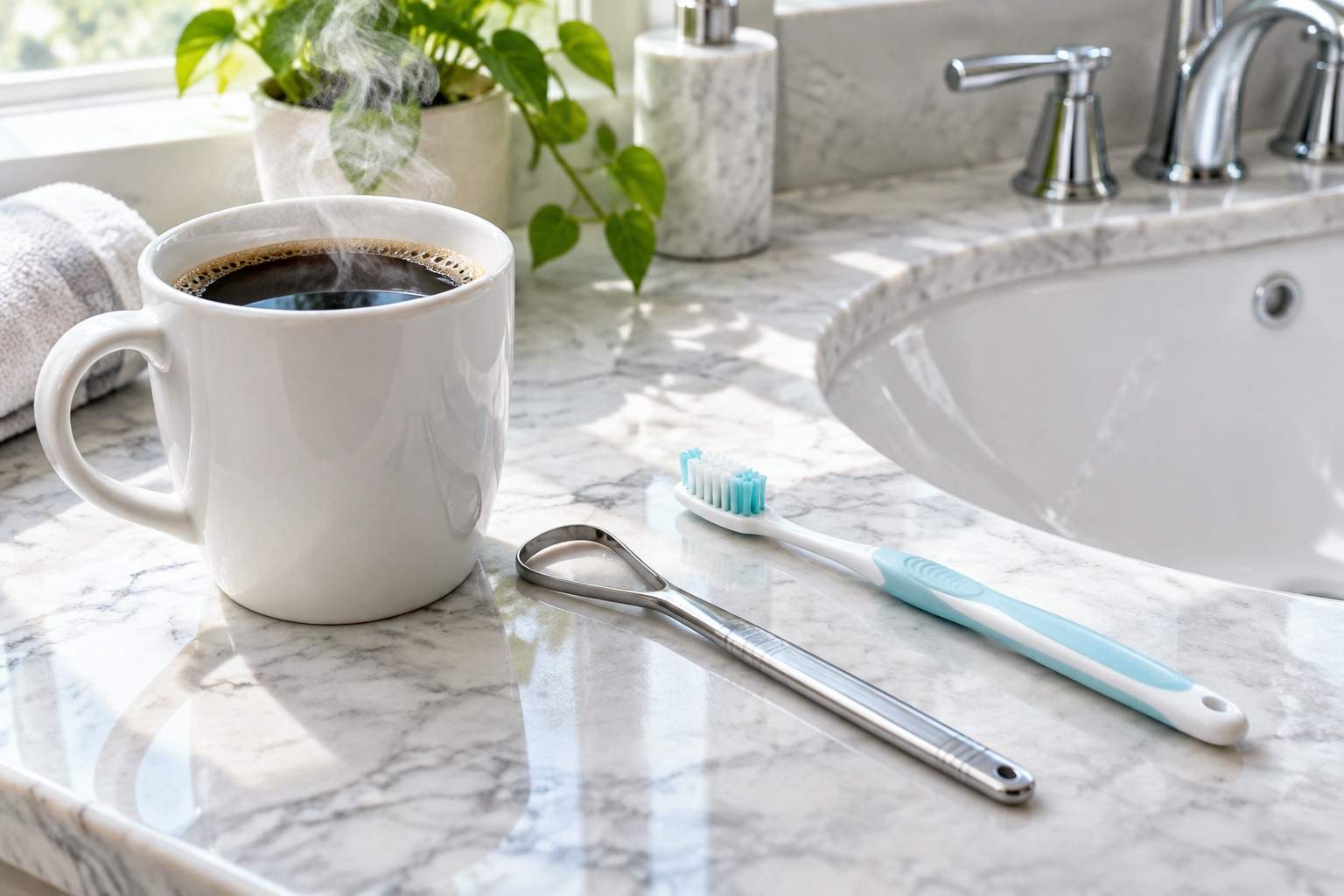
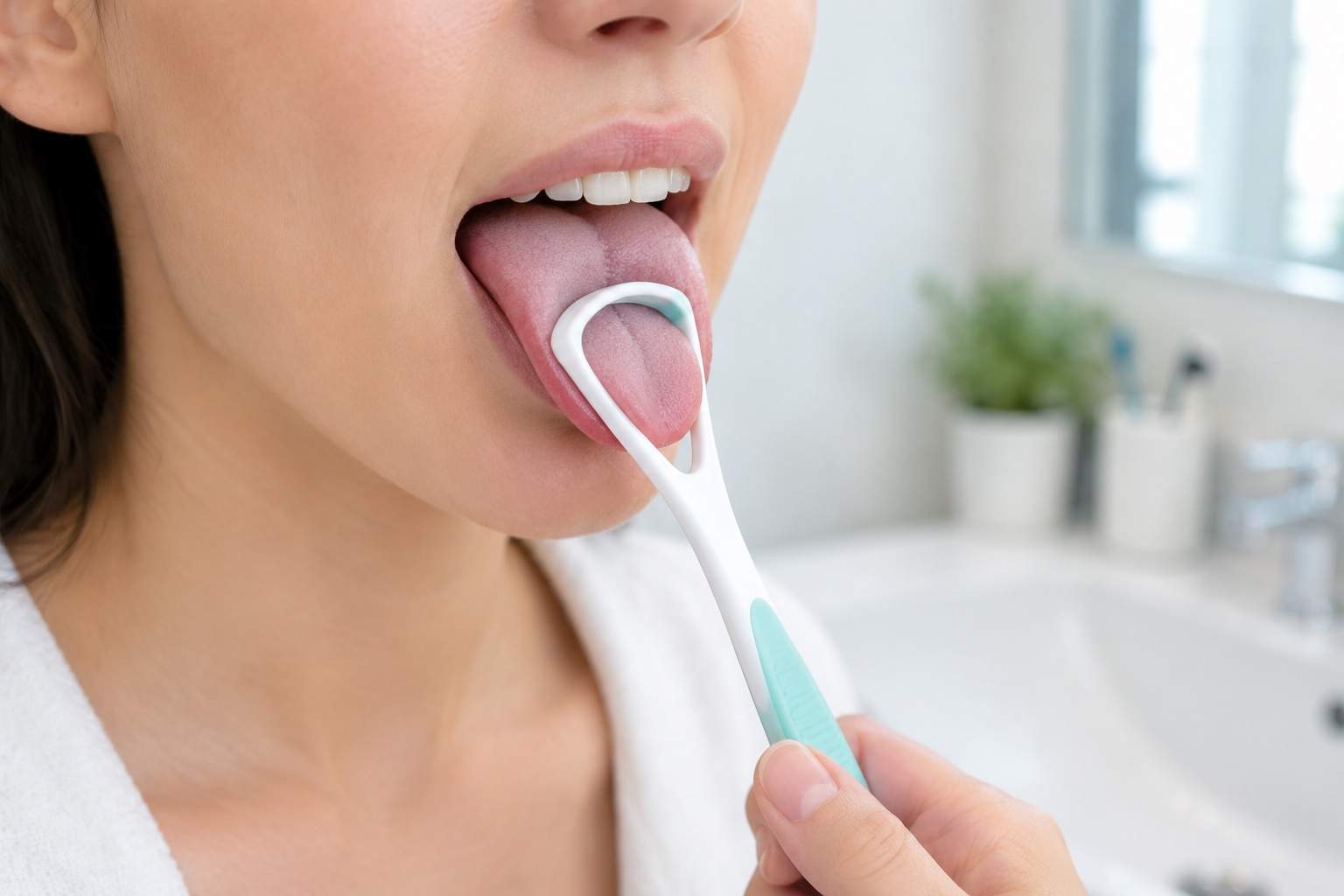
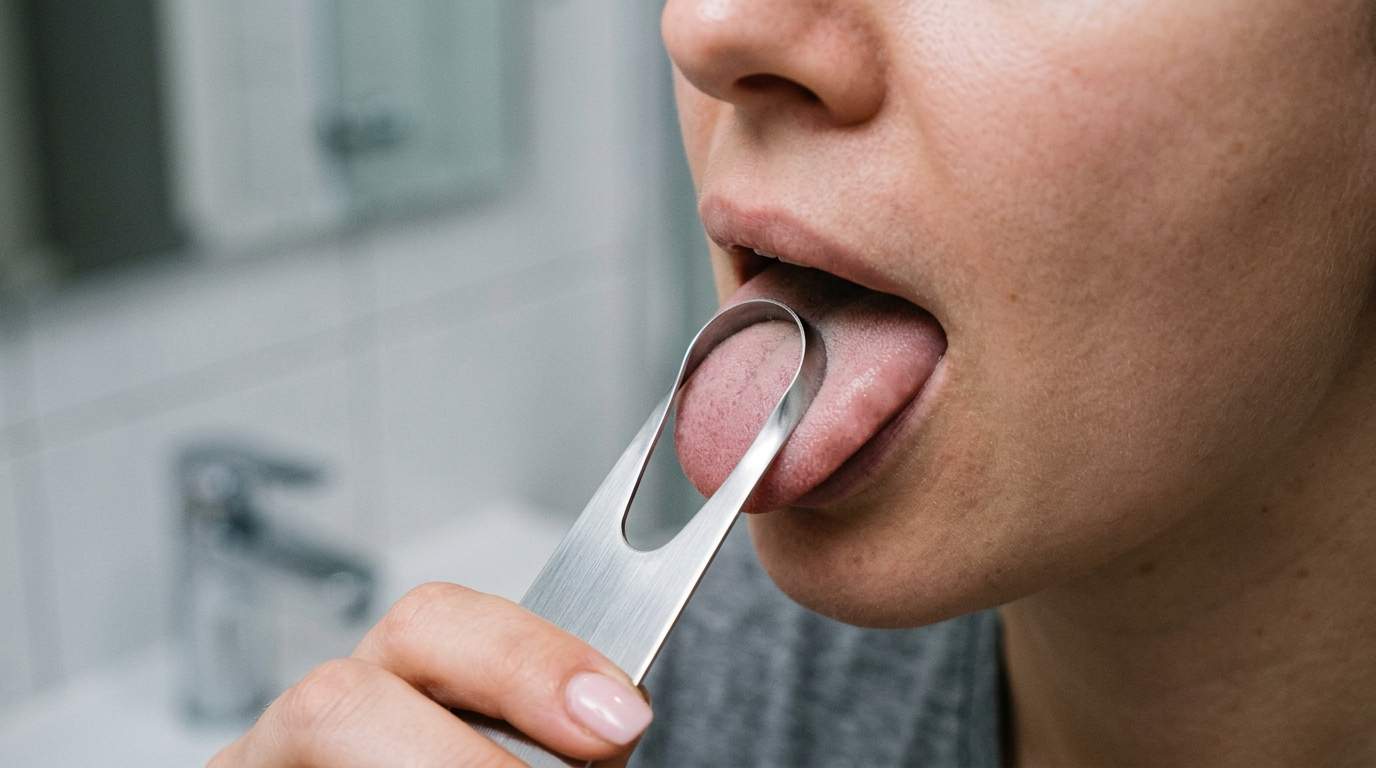
Many people attempt to clean their tongue with their toothbrush. While better than nothing, a toothbrush's bristles are designed for the hard surfaces of teeth, not the soft, irregular landscape of the tongue. This can sometimes just spread bacteria around rather than effectively removing the thick biofilm that accumulates. Imagine trying to clean a shag carpet with a hard broom – it might disturb the top layer, but it won’t truly lift the debris from deep within. A dedicated tongue scraper or cleaner, designed with a flat or slightly curved edge, gently and effectively lifts and removes this bacterial film. Proper technique involves gently scraping from the back of the tongue forward, rinsing the scraper after each pass, until no more film is visible. This simple addition to your routine can significantly reduce the bacterial load responsible for persistent bad breath.
The Gut-Breath Connection: Unpacking Systemic Influences on Fresh Breath
While most bad breath originates in the mouth, it would be incomplete to ignore other potential factors. Sometimes, persistent halitosis can be a signal of underlying systemic health issues. Conditions such as post-nasal drip from sinus infections, gastroesophageal reflux disease (GERD), diabetes, or even certain liver and kidney conditions can manifest as distinctive breath odors. For example, a "fruity" breath might indicate uncontrolled diabetes, while a "fishy" odor could point to kidney issues.
It's important to differentiate between oral-origin bad breath and these less common, systemically driven odors. If, despite a rigorous and effective oral hygiene routine, you continue to struggle with persistent bad breath, it becomes prudent to consult a healthcare professional. They can help identify whether an underlying medical condition is contributing to the problem, ensuring a holistic approach to your health.
Crafting a Lasting Strategy: Actionable Steps for Long-Term Fresh Breath
Achieving truly lasting fresh breath moves beyond quick fixes and into a realm of consistent, informed habits. It's about nurturing an oral environment that naturally suppresses odor-producing bacteria.
Hydration: Your Mouth's Best Friend
Water is undeniably central to maintaining oral health. Dehydration, even mild, reduces saliva production, directly impacting your mouth's natural cleansing and neutralizing abilities. Aim for consistent water intake throughout the day. Sipping water frequently helps wash away food particles, keeps your mouth moist, and supports a healthy salivary flow, which is crucial for combating VSC production.
Dietary Wisdom: Eating for Freshness
What you eat directly impacts your breath, not just immediately, but also over time. Foods high in sugar and refined carbohydrates feed the bad bacteria in your mouth, accelerating VSC production. Conversely, crunchy fruits and vegetables like apples, carrots, and celery act as natural toothbrushes, helping to dislodge food particles and stimulate saliva. Incorporating probiotic-rich foods (like yogurt with live cultures) can also help balance your oral microbiome, promoting beneficial bacteria over the odor-causing kind. Limiting strong-smelling foods like garlic and onions is an obvious short-term strategy, but long-term dietary choices contribute significantly to overall oral health and breath freshness.
Ultimately, lasting fresh breath isn't a battle fought with fleeting mints or harsh chemicals. It's a careful cultivation of understanding your oral ecosystem, embracing consistent and effective oral hygiene practices, and being attuned to your overall body health. By adopting a comprehensive, science-backed approach, you can move from merely masking symptoms to genuinely transforming your breath, giving you the lasting confidence you deserve.
FAQs
Q: How often should I use a tongue scraper for the best results?
A: For most individuals, daily tongue scraping, ideally as part of your morning routine, is highly effective. Some prefer to scrape twice a day, morning and evening, especially if they notice significant tongue coating. Consistency is key to regularly removing the bacterial biofilm that accumulates.
Q: Can certain foods really make my breath permanently better?
A: While no food offers "permanent" fresh breath, a diet rich in fiber-rich fruits and vegetables, which stimulate saliva and help cleanse the mouth, and low in sugars and processed foods, which feed bad bacteria, contributes significantly to long-term oral health and better breath. Probiotic-rich foods can also support a healthy oral microbiome.
Q: When should I seek professional help for persistent bad breath?
A: If you diligently follow an optimal oral hygiene routine (brushing twice daily, flossing daily, regular tongue scraping, and using an alcohol-free mouthwash) for several weeks and still experience persistent bad breath, it's advisable to consult your dentist or physician. They can rule out underlying dental issues (like gum disease or cavities) or systemic health conditions that might be contributing to the problem.
**