You spent eighty dollars on a fancy electric toothbrush. It buzzes, pulses, and has five cleaning modes. The box promised “clinically proven superior plaque removal.”
E.g. :Your Toothache Gets Worse at Night – Lying Down Is Trapping Pressure Inside
- 1、The Evidence That Shocked Dentists
- 2、The Real Variable: Time and Technique, Not Bristle Motion
- 3、Why “Oscillating” and “Sonic” Don’t Matter as Much as Advertised
- 4、The Hidden Danger of Electric Brushes: Over-Brushing
- 5、When an Electric Brush Is Actually Worth It
- 6、How to Maximize Any Toothbrush, Electric or Manual
- 7、The Bottom Line: Save Your Money, Invest in Your Technique
- 8、FAQs
Six months later, your dentist still finds bleeding spots and plaque along your gumline. You wonder: is my technique wrong? Or did I waste my money?
The uncomfortable truth is that for most people, an expensive electric toothbrush does not clean better than a cheap manual one. The difference isn’t the tool—it’s how you use it.
The Evidence That Shocked Dentists
A 2014 Cochrane review (updated in 2019) analyzed 56 studies comparing powered and manual toothbrushes. The difference? Powered brushes reduced plaque by an additional 11% and gingivitis by 6% after three months.
Those numbers are statistically significant but clinically tiny. In real-world terms: you would need to brush for an extra 5–10 seconds with a manual brush to achieve the same result.
What the review didn’t highlight: many studies were funded by toothbrush manufacturers. Independent research shows even smaller gaps. A 2020 study in the Journal of Dental Hygiene found no difference in plaque scores between manual and electric users when both groups received identical brushing instruction.
The Real Variable: Time and Technique, Not Bristle Motion
Electric toothbrushes correct for one problem: slow brushing. Most people brush for 45 seconds instead of the recommended two minutes. Electric brushes with timers help extend that time.
But if you already brush for two full minutes with a manual brush—using the correct modified Bass technique—you remove just as much plaque as any electric brush.
A 2018 trial in Clinical Oral Investigations divided 120 adults into three groups: manual brush with instruction, sonic brush, and oscillating-rotating brush. After six weeks, all groups had identical plaque reduction. The key factor across all groups? Two minutes of gentle, angled brushing.
Why “Oscillating” and “Sonic” Don’t Matter as Much as Advertised
Marketing departments love technical terms. Oscillating-rotating brushes (Circular, Oral-B style) move bristles back and forth in a small arc. Sonic brushes (Philips Sonicare style) vibrate at high frequency, creating fluid dynamic action.
Both work. Neither works magic.
A 2019 systematic review in the International Journal of Dental Hygiene compared oscillating-rotating versus sonic versus manual. All three reduced plaque and gingivitis. No single type was clearly superior. The only consistent predictor of good oral health was brushing duration and coverage—not brush type.
The Hidden Danger of Electric Brushes: Over-Brushing
Electric brushes can cause harm if used incorrectly. People often press too hard, thinking more pressure equals more cleaning.
A 2017 study in the Journal of Clinical Periodontology found that electric brush users had higher rates of gum recession and toothbrush abrasion than manual users. The reason? Pressure sensors on many models are optional; without them, users scrub aggressively.
Manual brushes provide tactile feedback. You feel when you’re pressing too hard. Many electric brushes mute that sensation, encouraging damage.
When an Electric Brush Is Actually Worth It
Electric toothbrushes are not useless. They help specific populations:
- People with limited dexterity (arthritis, carpal tunnel, Parkinson’s). The brush does the motion for them.
- People who consistently brush for less than 60 seconds. The built-in timer forces longer brushing.
- People with orthodontic braces. Some electric brushes clean around brackets more effectively.
For everyone else, a cheap soft manual brush combined with a phone timer or a two-minute hourglass works exactly as well.
How to Maximize Any Toothbrush, Electric or Manual
The tool matters far less than these three habits:
1. Brush for Two Full Minutes
Set a timer. Most people drastically underestimate time. Divide your mouth into four quadrants: spend 30 seconds on each.
2. Use the Modified Bass Technique
Angle bristles 45 degrees toward the gumline. Make small circular or vibrating motions. Do not scrub horizontally. Cover every surface: outer, inner, and chewing.
3. Use a Soft Bristle Brush
Hard or medium bristles damage gums and enamel. Soft bristles clean just as well. Replace your brush every three months, or sooner if bristles fray.
4. Don’t Forget Interdental Cleaning
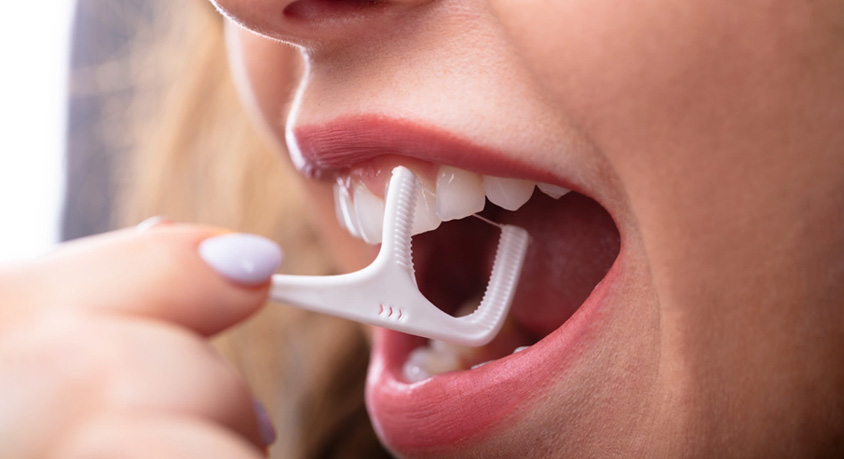
No toothbrush—electric or manual—reaches between teeth. Use floss, interdental brushes, or a water flosser daily.
A 2021 study in the Journal of the American Dental Association followed adults who switched from electric to manual brushes while maintaining proper technique and duration. After one year, there was no change in cavity rates, gum bleeding, or plaque scores.
The Bottom Line: Save Your Money, Invest in Your Technique
If you already own an electric brush, keep using it. It’s fine. But if you’re considering an expensive upgrade hoping for cleaner teeth, reconsider.
A $3 manual brush plus a $5 timer and two minutes of correct technique removes as much plaque as a $100 electric brush. The difference is advertising, not science.
FAQs
Q: My dentist recommended an electric toothbrush. Should I ignore that advice?
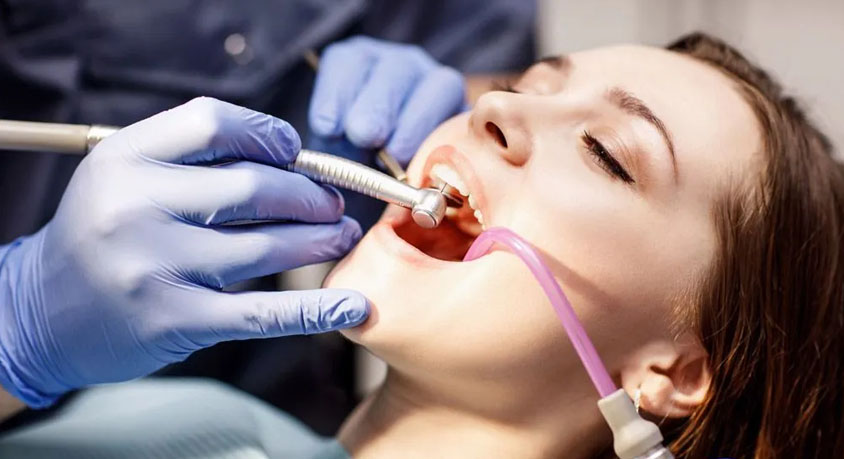
A: No. Dentists often recommend electric brushes because they know most patients brush too briefly and too aggressively. An electric brush with a timer and pressure sensor helps correct those two common errors. If you already brush correctly for two minutes with gentle pressure, you don’t need one. But if you struggle with technique, take the recommendation.
Q: Are children better off with electric or manual toothbrushes?
A: Electric brushes can make brushing more fun for children, which increases compliance. However, parental supervision and proper technique matter more. For children under 8, a manual brush with a pea-sized amount of fluoride toothpaste is sufficient. Electric brushes for children often have smaller heads and softer bristles, which are fine but not essential.
Q: Can I use an electric toothbrush if I have gum recession or sensitive teeth?
A: Yes, but choose one with a pressure sensor and use a soft or extra-soft brush head. Sonic brushes are generally gentler than oscillating-rotating types. If you already have recession, be especially careful not to press hard. Consider alternating with a manual brush to maintain tactile feedback.