That sudden, electric shock when ice water touches your tooth, or the sharp throb after a bite of something deliciously sweet. It's an unwelcome guest, isn't it? One moment you're enjoying a simple pleasure, the next you're wincing, pulling away, and wondering why your teeth have developed such an unpredictable, almost personal vendetta against ordinary foods and drinks. This isn't just a fleeting annoyance; for many, it's a persistent, frustrating puzzle that makes eating and drinking a cautious gamble, leaving you to question the very nature of your oral health. You’re not alone in seeking answers beyond temporary fixes, yearning to understand the 'why' behind the jolt and, more importantly, 'how' to truly silence it.
E.g. :The Unspoken Truth: Why Your "Clean Mouth" Still Whispers of Yesterday's Breath
- 1、The Anatomy of a Scream: Understanding Tooth Sensitivity Causes
- 2、Unmasking the Culprits: Beyond Just "Weak" Enamel Erosion
- 3、When Gums Retreat: The Role of Gum Recession in Sensitivity
- 4、Silencing the Jolt: Effective Strategies for Sensitive Teeth Relief
- 5、Challenging the Consensus: Beyond Masking the Pain
- 6、FAQs
The Anatomy of a Scream: Understanding Tooth Sensitivity Causes
Imagine your tooth as a complex, living structure. The visible part, the crown, is covered by a hard, protective layer called enamel. Beneath this, and covering the tooth root, is dentin – a softer, porous material that contains millions of microscopic tubes, or tubules. These dentinal tubules lead directly to the tooth’s innermost core, the pulp, which houses nerve endings and blood vessels. When the enamel or cementum (the protective layer over the root) is compromised, these tubules become exposed. It's like opening tiny windows directly to the nerve-rich heart of your tooth.
The Exposed Truth: Dentin's Vulnerability
When exposed dentin comes into contact with external stimuli – be it cold air, hot liquids, sweet foods, or even acidic substances – the fluid within these tubules moves. This fluid movement stimulates the nerve endings in the pulp, sending a sharp, instantaneous pain signal to your brain. This phenomenon, known as dentin hypersensitivity, is the primary reason behind that unmistakable "scream" from your teeth. Studies indicate that dentin hypersensitivity affects a significant portion of the adult population, with some research suggesting prevalence rates can be as high as 30% or more, making it a widespread concern that dentists frequently address. Understanding this underlying mechanism is the first step toward effective management.
Unmasking the Culprits: Beyond Just "Weak" Enamel Erosion
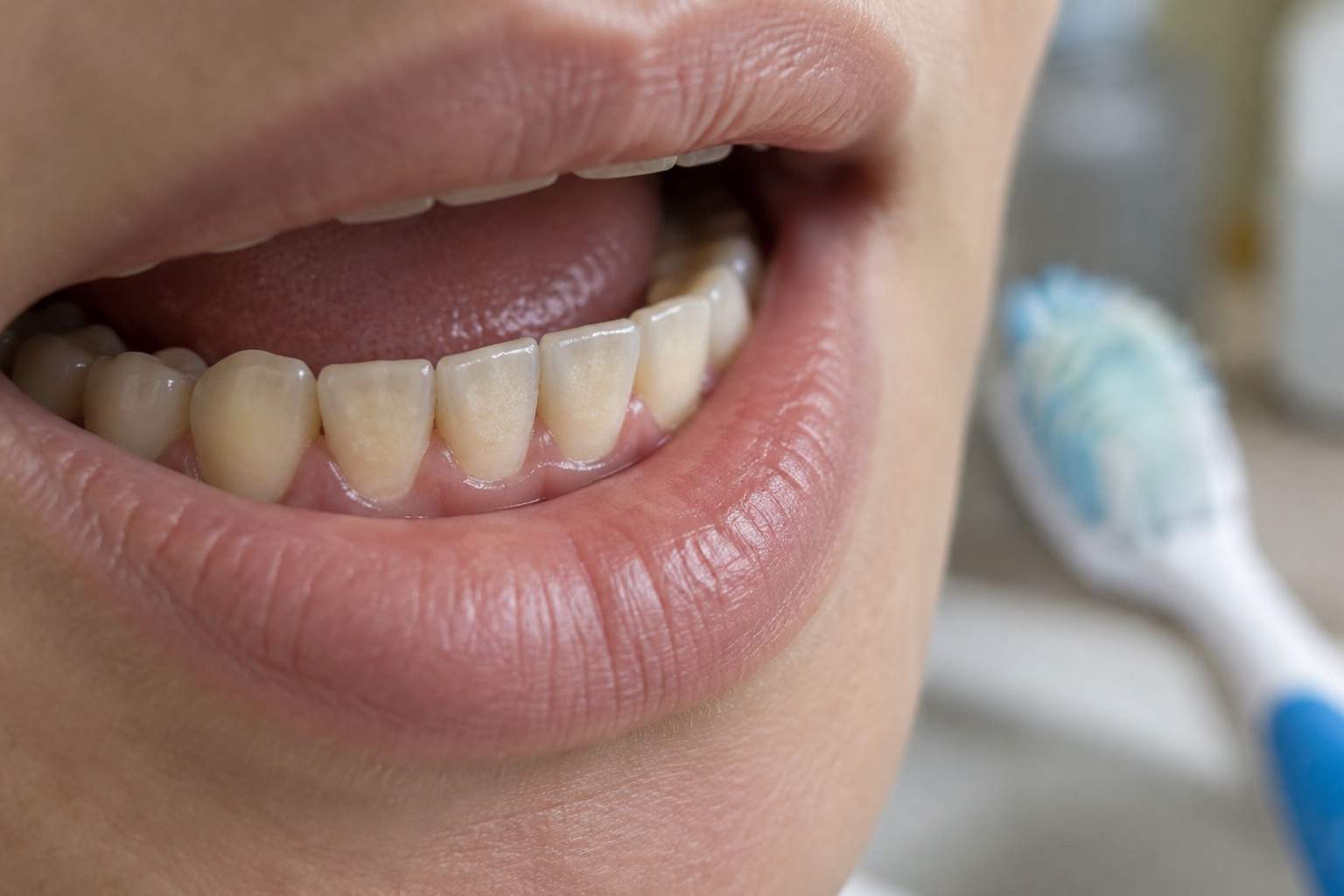
It’s easy to blame "weak" teeth, but the reality behind enamel erosion is often far more nuanced, stemming from a combination of daily habits and biological factors. Enamel, though the hardest substance in the human body, is not impervious. It can wear down over time, revealing the sensitive dentin beneath. This wear can be mechanical, from abrasive brushing or teeth grinding (bruxism), or chemical, from acid attacks.

The Silent Strippers: Everyday Habits That Harm
Consider your daily routine. Do you enjoy fizzy drinks, citrus fruits, or perhaps a morning ritual of lemon water for its perceived health benefits? These highly acidic substances can relentlessly dissolve enamel, a process called acid erosion. Research has repeatedly demonstrated the corrosive effects of low pH beverages and foods on tooth surfaces. Even seemingly healthy habits, like brushing immediately after consuming acidic foods or drinks, can exacerbate the problem by scrubbing softened enamel away. This insight challenges the common belief that more brushing is always better, suggesting that timing and technique are paramount in preserving your tooth's natural armor.
When Gums Retreat: The Role of Gum Recession in Sensitivity
Another significant factor contributing to tooth sensitivity causes is gum recession. Healthy gums form a protective seal around the neck of each tooth, covering the roots. However, various factors can cause this gum tissue to pull back, exposing the root surface where the protective layer, cementum, is much thinner and more easily abraded than enamel. Once cementum is worn away, the dentin tubules on the root become exposed, triggering sensitivity.
The Brushing Paradox: Are You Brushing Too Hard?
It’s a common misconception that brushing harder equates to cleaner teeth. Ironically, aggressive brushing, especially with a medium or hard-bristled toothbrush, is a leading cause of both gum recession and the direct abrasion of enamel and cementum. Think of it like scrubbing a delicate surface with a harsh brush – you're more likely to damage it than truly clean it. This gentle but firm approach is crucial for preventing the physical wear that exposes dentin and leads to pain. Furthermore, certain periodontal diseases can also lead to gum recession, highlighting the interconnectedness of overall oral health.
Silencing the Jolt: Effective Strategies for Sensitive Teeth Relief
The good news is that sensitive teeth are often manageable, and sometimes even reversible, by understanding and addressing the root causes. It’s not about masking the pain but about fostering a healthier oral environment.
- Embrace Gentle Brushing: Switch to a soft-bristled toothbrush and use a gentle, circular motion. Focus on cleaning, not scrubbing. Aim to brush for two minutes, twice a day.
- Choose Your Toothpaste Wisely: Desensitizing toothpastes contain compounds like potassium nitrate or strontium chloride that help block the tiny tubules in your dentin, preventing external stimuli from reaching the nerves. Consistent, daily use is key for these to be effective, as they work by gradually building a protective layer.
- Rethink Your Diet and Habits: Limit highly acidic foods and drinks. If you consume them, do so quickly and consider rinsing your mouth with water afterward. Wait at least 30-60 minutes before brushing after acidic intake to allow your enamel to re-harden.
- Regular Dental Check-ups: Your dentist can identify underlying issues like cracks, cavities, or severe gum recession. They might suggest in-office treatments like fluoride varnishes, bonding agents, or gum grafts for more severe cases.
Challenging the Consensus: Beyond Masking the Pain
While "sensitive" toothpastes offer significant relief for many, it's vital to recognize that they primarily manage the symptom rather than fundamentally curing the tooth sensitivity causes. True, lasting relief often requires a more holistic approach that considers your brushing technique, dietary habits, and overall oral hygiene. Simply relying on a special toothpaste without addressing the underlying enamel erosion or gum recession is akin to repeatedly painting over a leaky roof instead of fixing the hole. Your dental professional is your best ally here, helping you pinpoint the exact causes of your sensitivity and guiding you towards personalized, effective solutions that not only quiet the daily jolt but also protect your oral health for the long term.