You've just meticulously brushed your teeth, flossed, maybe even swished with mouthwash. You feel a momentary sense of fresh cleanliness, a brief respite from self-consciousness. But then, an hour or two later – sometimes even sooner – that familiar, unwelcome feeling creeps back. You subtly check, maybe breathe into your cupped hand, and the disheartening suspicion is confirmed. Why, after all that diligent effort, does your breath betray you again, leaving you feeling frustrated and constantly worried about offending others? This persistent problem, often termed chronic halitosis, can be deeply unsettling, hinting that the solution might lie beyond the immediate actions of your oral hygiene routine.
E.g. :The Lingering Mystery: Why Your Brushing Routine Might Still Be Letting You Down
- 1、Beyond the Toothbrush: Overlooked Oral Culprits
- 2、The Systemic Connection: When Your Whole Body Talks
- 3、Challenging Conventional Wisdom: Mouthwash and Its Double-Edged Sword
- 4、Pathways to Genuine Freshness: A Holistic Approach
- 5、FAQs
The Lingering Mystery: Why Brushing Isn't Always Enough for Fresh Breath
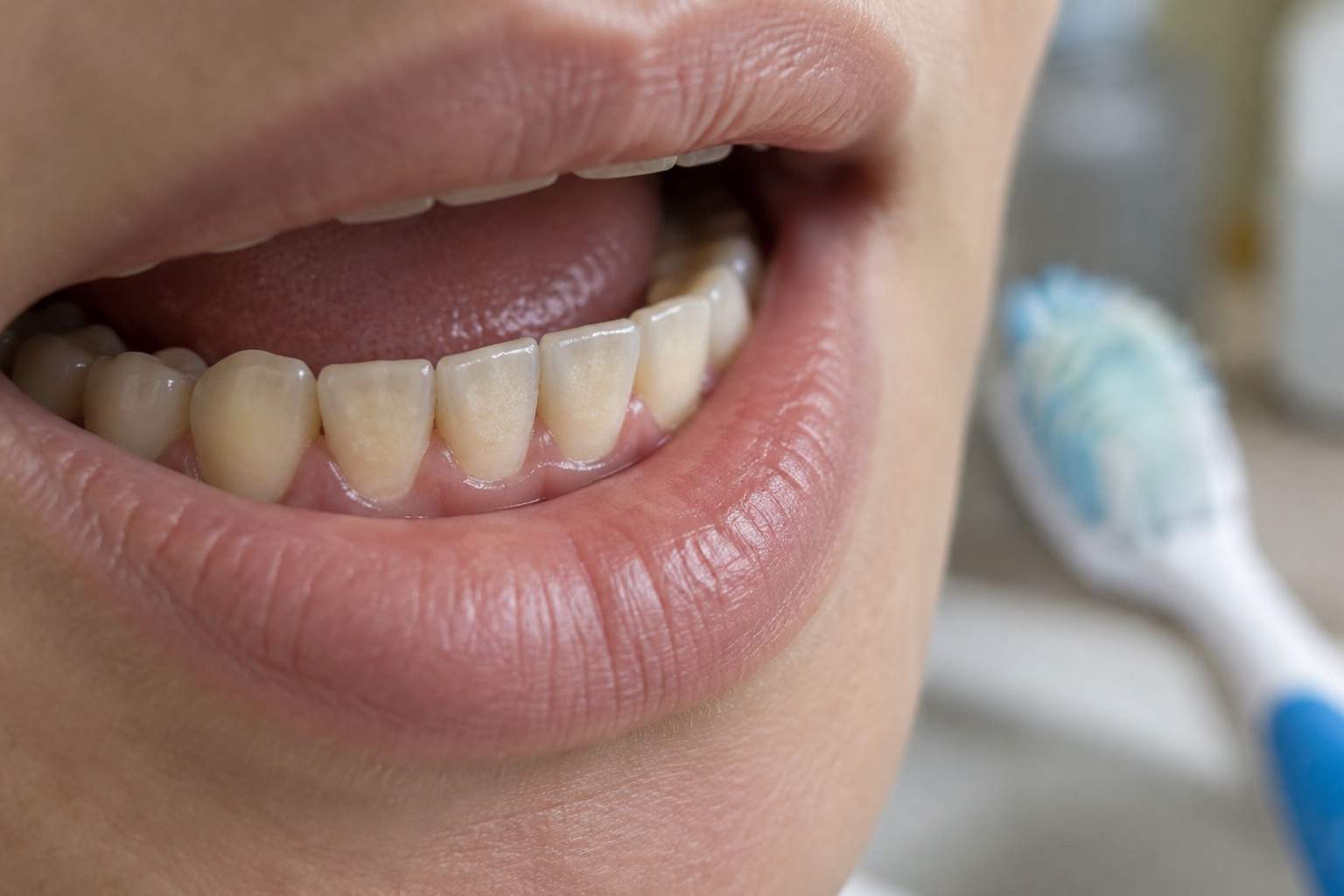
The common understanding is simple: bad breath equals poor oral hygiene. While insufficient brushing and flossing are undoubtedly primary contributors to transient bad breath, the stubborn persistence of malodor, even after a thorough cleaning, points to a more complex interplay of factors. Our mouths are intricate ecosystems, teeming with bacteria – both beneficial and otherwise. The key culprits behind most bad breath cases are Volatile Sulfur Compounds (VSCs), like hydrogen sulfide and methyl mercaptan, produced by anaerobic bacteria thriving in oxygen-deprived environments within the mouth. While brushing aims to disrupt these colonies, it often doesn't reach every hideout. Studies, such as one published in the Journal of Dental Research, indicate that VSCs are responsible for approximately 80-90% of all halitosis cases, highlighting their central role in this persistent issue.
Beyond the Toothbrush: Overlooked Oral Culprits
When your toothbrush and floss seem to fail, it's time to look beyond the immediate surfaces of your teeth. The oral cavity is vast, offering numerous sanctuaries for odor-producing bacteria.
The Tongue: A Microbial Hotspot
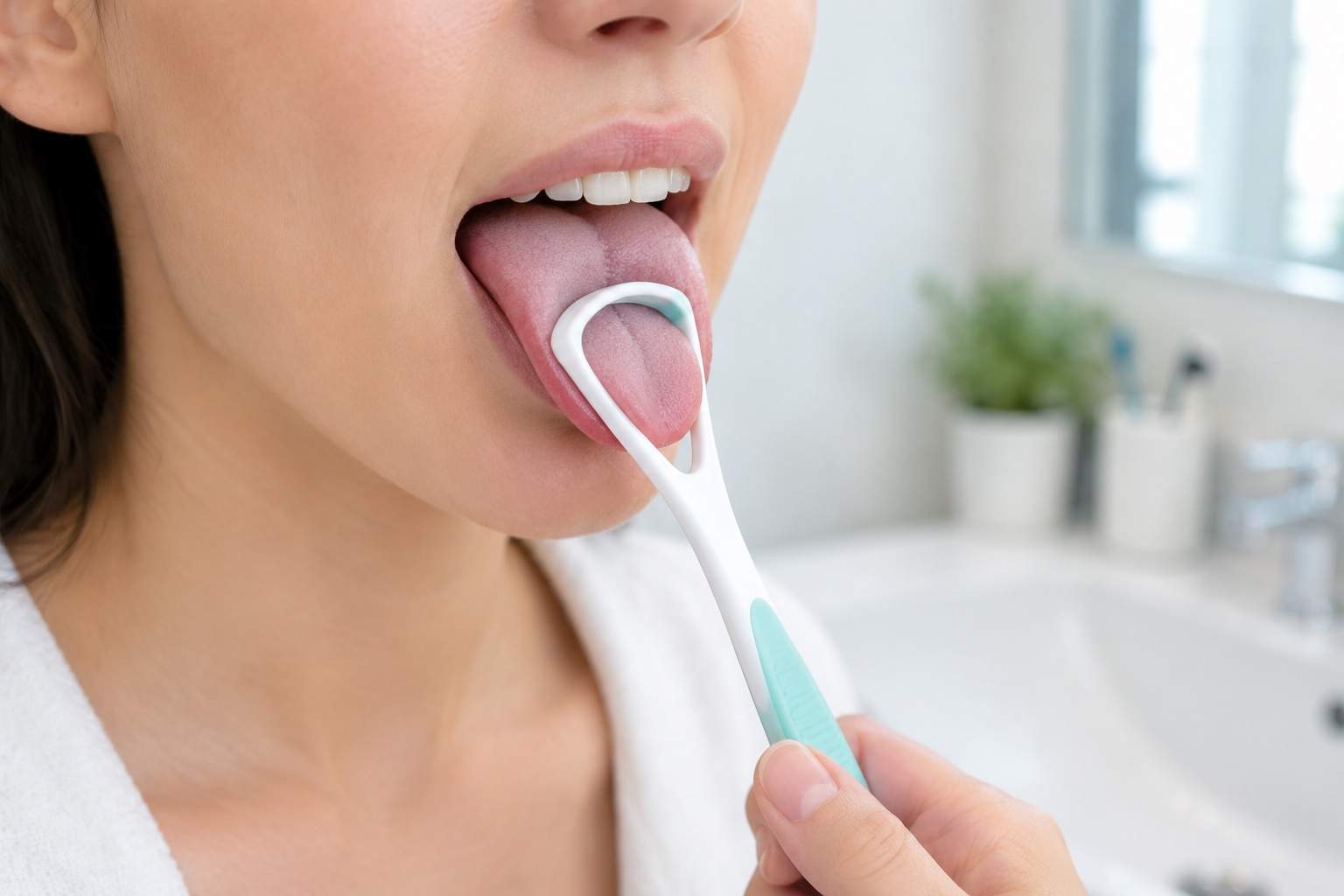
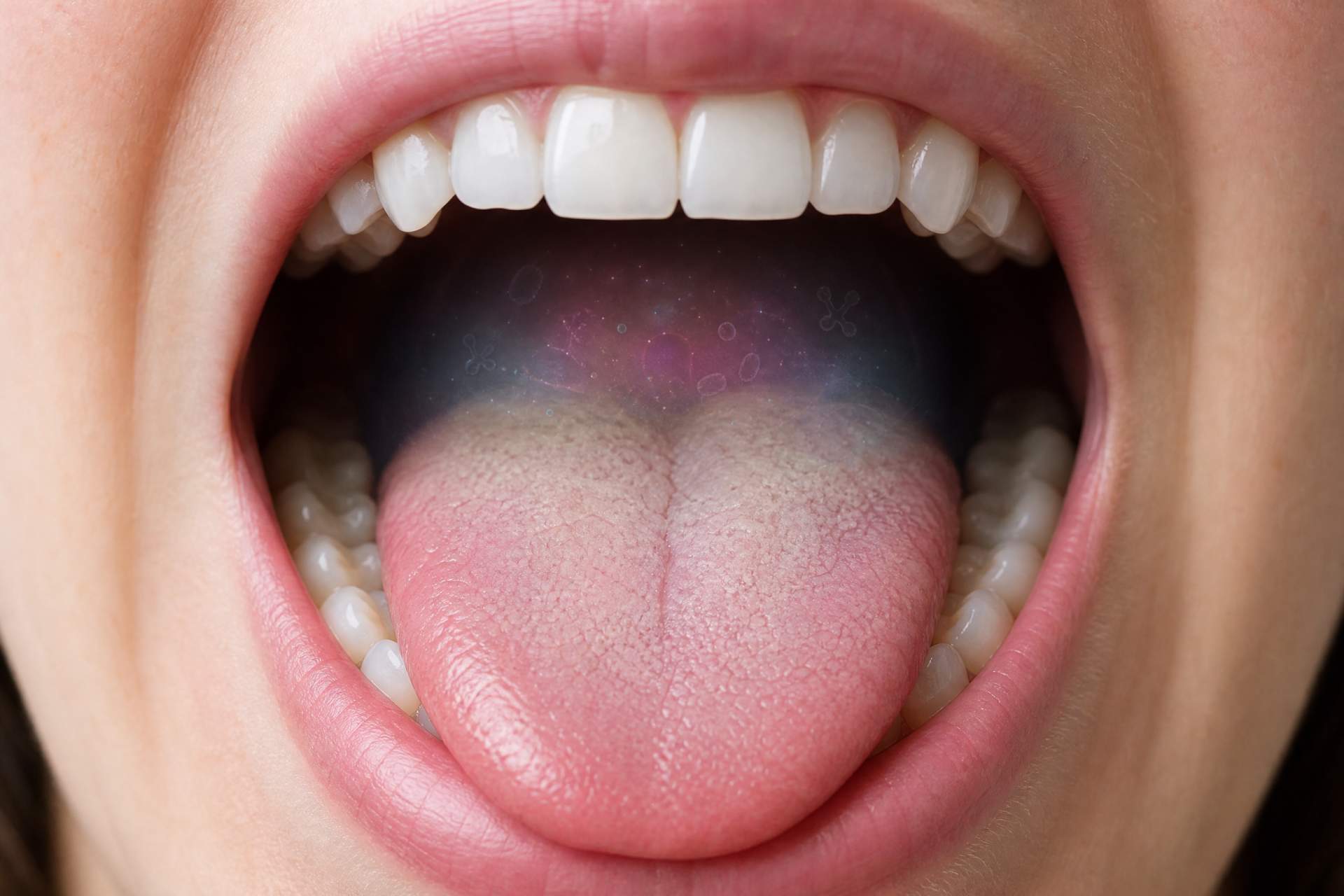
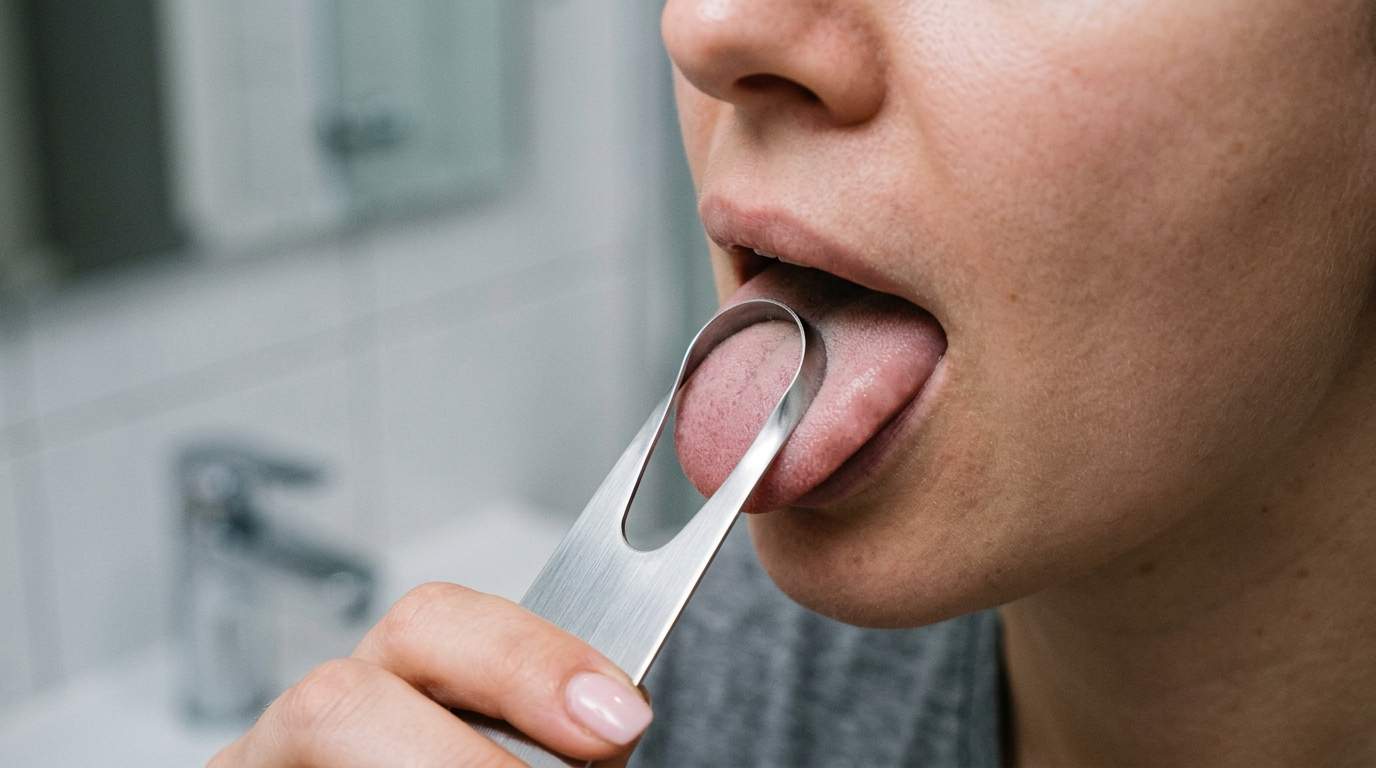
Often neglected in the daily brushing routine, the tongue's rough surface is an ideal breeding ground for anaerobic bacteria and food debris. These microorganisms produce VSCs, contributing significantly to bad breath. Research highlighted in the International Journal of Oral Science suggests that the tongue coating can account for up to 50% of the VSCs found in the mouth. Brushing your teeth without cleaning your tongue is akin to cleaning a kitchen floor but leaving the counter tops covered in grime.

Gum Health: The Silent Perpetrator
The health of your gums plays a pivotal role. Gingivitis, the early stage of gum disease, and its more advanced form, periodontitis, create pockets between the teeth and gums where bacteria can flourish undisturbed by a toothbrush. These deep pockets become anaerobic havens, allowing odor-producing bacteria to multiply rapidly. Bleeding gums, redness, and inflammation are signs that your gum health might be compromised, and simultaneously, contributing to your persistent bad breath.
The Systemic Connection: When Your Whole Body Talks
Sometimes, the source of bad breath isn't solely confined to the mouth. The body is an interconnected system, and issues elsewhere can manifest as halitosis.
Dry Mouth: The Silent Stripper of Freshness
Saliva is your mouth's natural cleansing agent, washing away food particles and bacteria. When saliva production decreases, a condition known as xerostomia or dry mouth, bacteria are allowed to proliferate, and food debris lingers, leading to persistent bad breath. Dry mouth can be a side effect of certain medications (antihistamines, antidepressants), medical conditions (Sjögren's syndrome, diabetes), or even lifestyle factors like excessive caffeine or alcohol consumption. Data from the National Institute of Dental and Craniofacial Research indicates that chronic dry mouth affects approximately 1 in 4 adults, making it a surprisingly common contributor to halitosis.
Dietary Intricacies: More Than Just What You Just Ate
While we're all familiar with the immediate effects of garlic or onions, some dietary patterns can impact your breath long after the meal is over. High-protein, low-carbohydrate diets (like ketogenic diets) can lead to a metabolic state called ketosis. As your body breaks down fats for energy, it produces ketones, which are released through your breath, often causing a distinctive, somewhat fruity or metallic odor that brushing cannot eliminate. Similarly, certain foods or drinks, like coffee, can also contribute to dry mouth, indirectly exacerbating bad breath. Consider Sarah, a diligent professional who, despite her impeccable oral hygiene, struggled with persistent bad breath. It wasn't until her dentist inquired about her new ketogenic diet that she realized the systemic impact of her dietary choices, shifting her focus from just brushing to a more holistic approach to fresh breath.
Beyond the Mouth: Underlying Health Conditions
Persistent bad breath can occasionally be a symptom of more significant health issues. Conditions like chronic sinusitis, where post-nasal drip can feed bacteria at the back of the throat; tonsil stones (tonsilloliths), small calcifications in the tonsils that harbor foul-smelling bacteria; gastroesophageal reflux disease (GERD), which allows stomach acids and odors to rise into the throat; and even more serious systemic diseases affecting the liver, kidneys, or lungs, can all present with distinct types of halitosis.
Challenging Conventional Wisdom: Mouthwash and Its Double-Edged Sword
Many turn to mouthwash as a quick fix for bad breath, believing stronger is better. However, some common mouthwashes, particularly those with a high alcohol content, can actually worsen the problem in the long run. Alcohol has a drying effect, further reducing saliva flow and creating an even more favorable environment for odor-producing bacteria to thrive. A study in the Oral Health Journal suggested that regular use of alcohol-based mouthwashes could potentially exacerbate halitosis for up to 30% of users over time by inducing oral dryness. Choosing alcohol-free, antibacterial mouthwashes or those containing ingredients like chlorhexidine (for short-term use under professional guidance) or essential oils can be a more effective strategy.
Pathways to Genuine Freshness: A Holistic Approach
Achieving truly fresh breath requires moving beyond the singular act of brushing and adopting a comprehensive strategy that addresses the underlying causes.
- Thorough Oral Hygiene: This goes beyond brushing your teeth. Invest in a tongue cleaner and use it daily. Floss diligently to remove trapped food particles and plaque between teeth. Consider interdental brushes for wider gaps.
- Hydration is Key: Drink plenty of water throughout the day to stimulate saliva production and naturally cleanse your mouth.
- Mindful Diet: Pay attention to how your diet affects your breath. Limit strong-smelling foods and drinks, especially before social interactions. If on a specific diet, discuss potential breath effects with your healthcare provider.
- Regular Dental Check-ups: Professional cleanings remove tartar buildup that your toothbrush can't. Your dentist can also identify and treat gum disease, cavities, and other oral health issues contributing to halitosis.
- Address Underlying Conditions: If you suspect dry mouth, tonsil stones, or a systemic condition, consult your dentist or physician. They can help diagnose and manage these issues, which may be the root cause of your persistent bad breath.
Persistent bad breath is not a sign of personal failing, but rather a complex biological phenomenon often signaling an imbalance within your oral cavity or even your body. By understanding these deeper mechanisms, you empower yourself to move beyond temporary fixes and embark on a path to genuine, lasting fresh breath and overall well-being. Don't hesitate to seek professional guidance; your comfort and confidence are worth it.