It's a common scenario, isn't it? You've just finished your meticulous morning or evening ritual – brushing, perhaps flossing, even a quick rinse. You look in the mirror, feeling accomplished. Yet, within hours, a subtle fuzziness returns, or that pristine freshness feels like a fleeting memory. For many, this isn't just a minor annoyance; it's a perplexing paradox. Despite diligently adhering to dental advice, the occasional hint of less-than-fresh breath, that slightly rough texture on your teeth, or even the recurring cavity or gum inflammation at your check-ups can leave you wondering: what am I missing?
E.g. :You Feel Sharp Pain When Biting – A Hidden Crack Is Fooling Your X-Ray
- 1、The Unseen Battlefield: Understanding Dental Biofilm
- 2、Beyond Brushing: The Technique and Tools That Matter for Effective Teeth Cleaning
- 3、The Unsung Heroes: Reaching the Hidden Crevices for Optimal Gum Health Tips
- 4、The Mouthwash Conundrum: A Double-Edged Sword?
- 5、FAQs
The Unseen Battlefield: Understanding Dental Biofilm
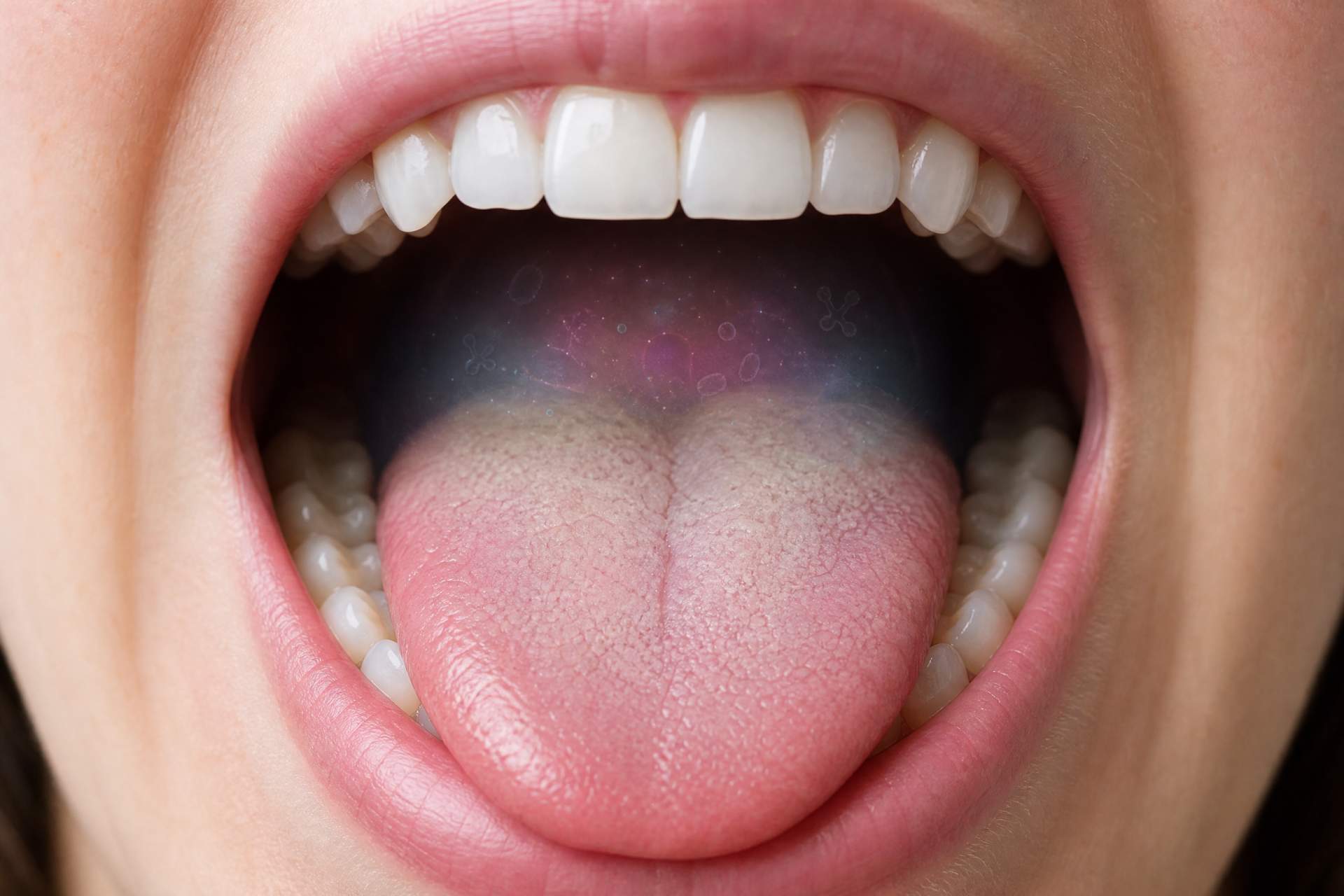
Our oral cavity is a vibrant ecosystem, teeming with microscopic life. While many of these microorganisms are beneficial, others, if unchecked, can form an organized community known as dental biofilm – more commonly referred to as plaque. This isn't just a random collection of bacteria; it's a sophisticated, self-sustaining film that adheres stubbornly to tooth surfaces, gum lines, and even our tongues.
This biofilm is the primary culprit behind most common oral health issues. Within hours of brushing, bacteria begin to recolonize, forming new plaque. If not effectively removed, this biofilm matures, becoming more tenacious and acidic, leading to enamel erosion and gum irritation. Research published by organizations like the American Dental Association consistently highlights plaque as the leading cause of cavities and periodontal disease, affecting a significant portion of the global population. It's a relentless opponent, constantly regenerating, which means our cleaning efforts need to be both consistent and strategic.
More Than Just a "Fuzzy Feeling": The Risks of Persistent Plaque
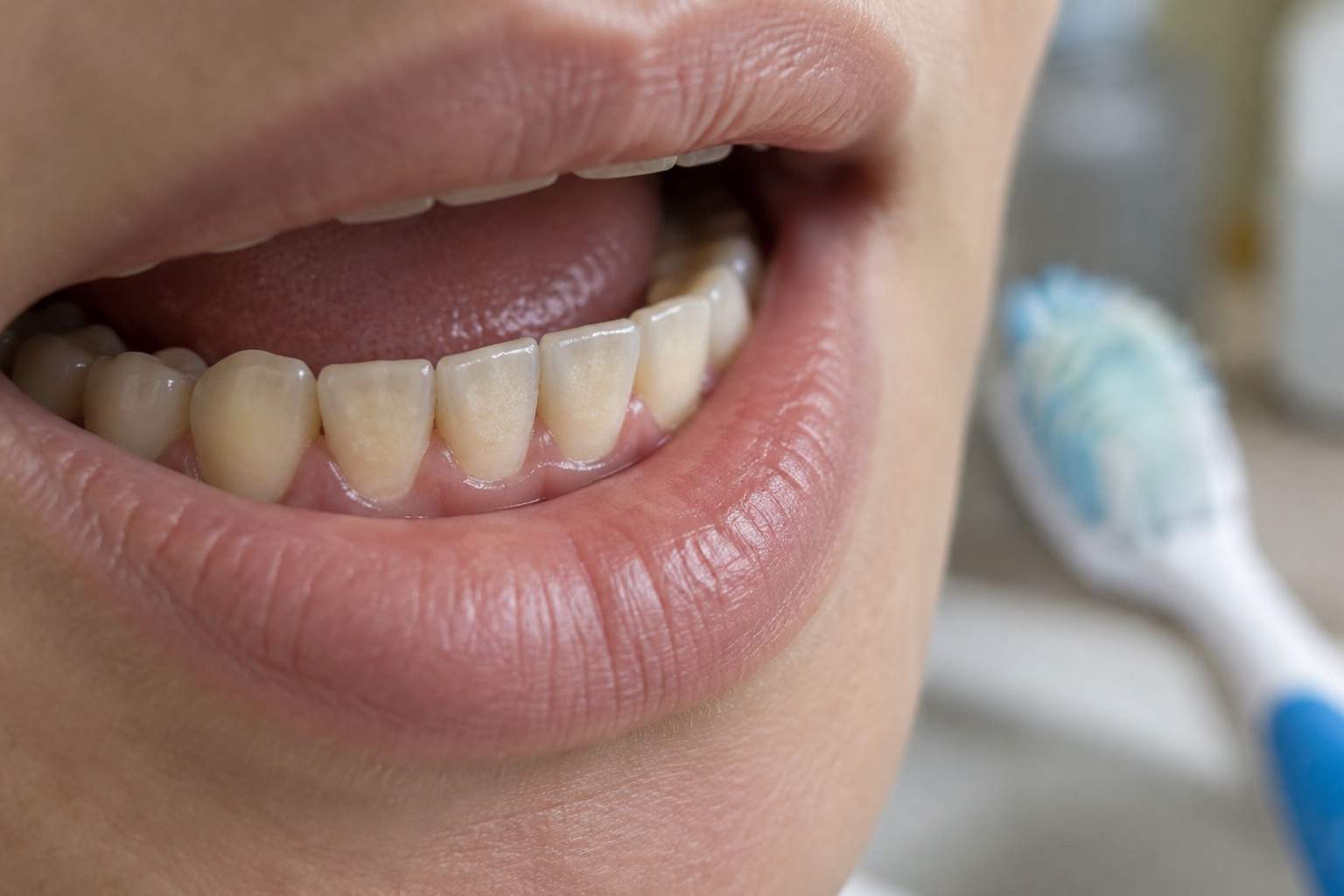
When your teeth don't feel truly clean, it’s often an indication of residual plaque. This lingering film isn't just an aesthetic issue; it's an active threat. The acids produced by plaque bacteria can slowly demineralize tooth enamel, leading to cavities. Simultaneously, plaque near the gum line triggers an inflammatory response, initiating gingivitis – the early stage of gum disease, characterized by red, swollen, and easily bleeding gums. Left unaddressed, gingivitis can progress to periodontitis, a more severe condition that can lead to tooth loss.
Beyond Brushing: The Technique and Tools That Matter for Effective Teeth Cleaning
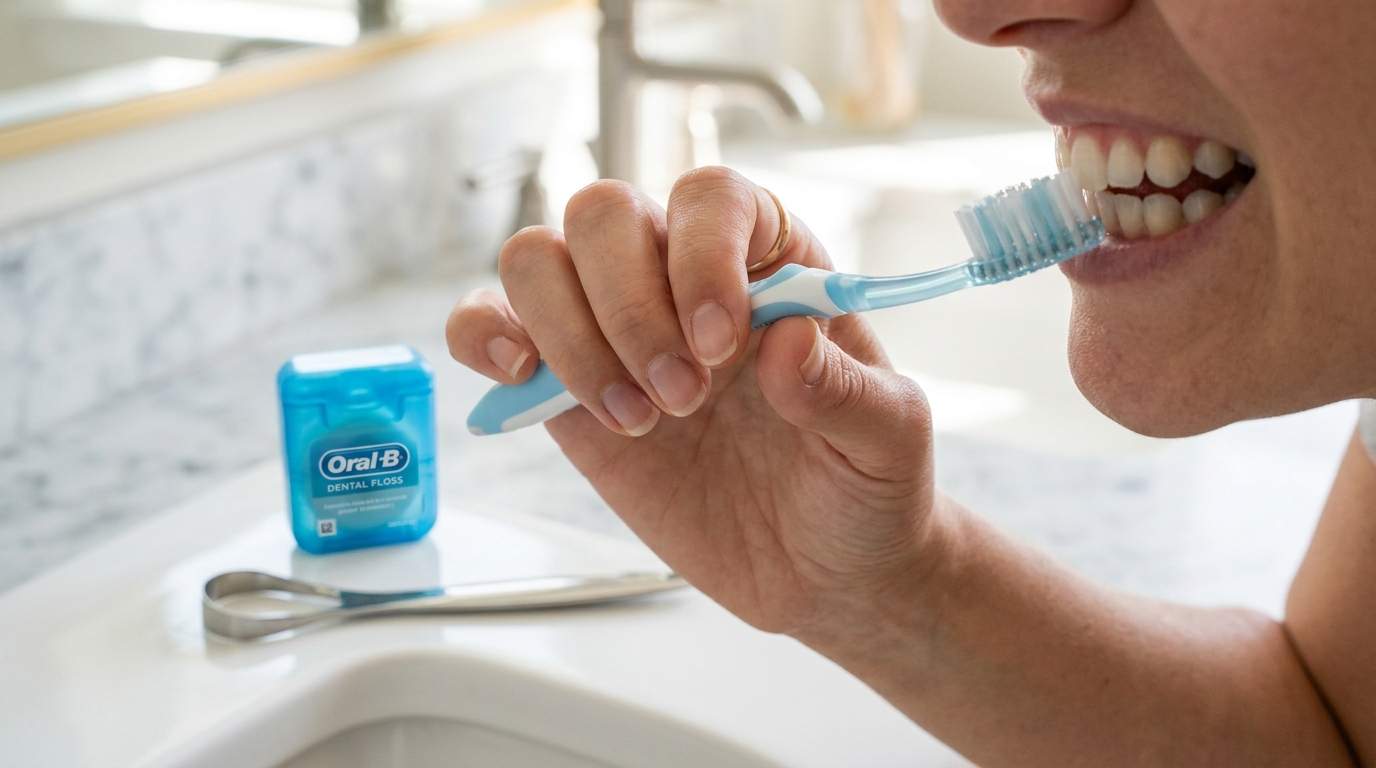
We're often taught to brush, but rarely taught how to brush effectively. Many people unknowingly sabotage their efforts through incorrect technique or inadequate tools. Vigorous scrubbing, for instance, isn't necessarily more effective; it can be damaging, leading to gum recession and enamel abrasion.
The Golden Rule: The widely accepted standard for effective brushing is two minutes, twice a day, using a soft-bristled brush. This isn't an arbitrary number; studies indicate that this duration allows sufficient time to reach all tooth surfaces, including the often-missed areas. A meta-analysis published in the Journal of Clinical Periodontology on toothbrushing efficacy repeatedly emphasizes the importance of a systematic approach, ensuring each quadrant of the mouth receives attention.
The Power of Gentle Precision: Manual vs. Electric Brushes
While a manual toothbrush can be effective with the right technique, electric toothbrushes, particularly those with oscillating-rotating or sonic technology, often offer a significant advantage for many individuals. Their inherent motion can more efficiently disrupt and remove plaque with less effort, making them a powerful tool in your arsenal to prevent cavities and achieve a genuinely clean feel. Some models even have pressure sensors to prevent over-brushing, protecting your gums and enamel.
The Unsung Heroes: Reaching the Hidden Crevices for Optimal Gum Health Tips
Brushing, even perfectly executed, cleans only about 60-70% of your tooth surfaces. The remaining 30-40% – the areas between your teeth – are often neglected, forming a significant loophole in many daily routines. This is where interdental cleaning becomes not just important, but absolutely critical for gum health tips and comprehensive plaque removal.
The Indispensable Role of Flossing
Think of flossing not as an add-on, but as an integral part of your cleaning ritual. Dental floss reaches into the tight spaces where toothbrush bristles cannot penetrate, effectively dislodging food particles and, crucially, disrupting the mature plaque biofilm that accumulates along the gum line and between teeth. Neglecting this step leaves a significant portion of your oral cavity vulnerable to decay and gum inflammation. Research has consistently shown that regular flossing, when combined with brushing, significantly reduces the incidence of gingivitis compared to brushing alone.
Beyond Floss: Interdental Brushes and Tongue Scraping
For those with larger gaps between teeth, or with orthodontic appliances, interdental brushes can be even more effective than traditional floss. They come in various sizes and can efficiently clean these specific areas.
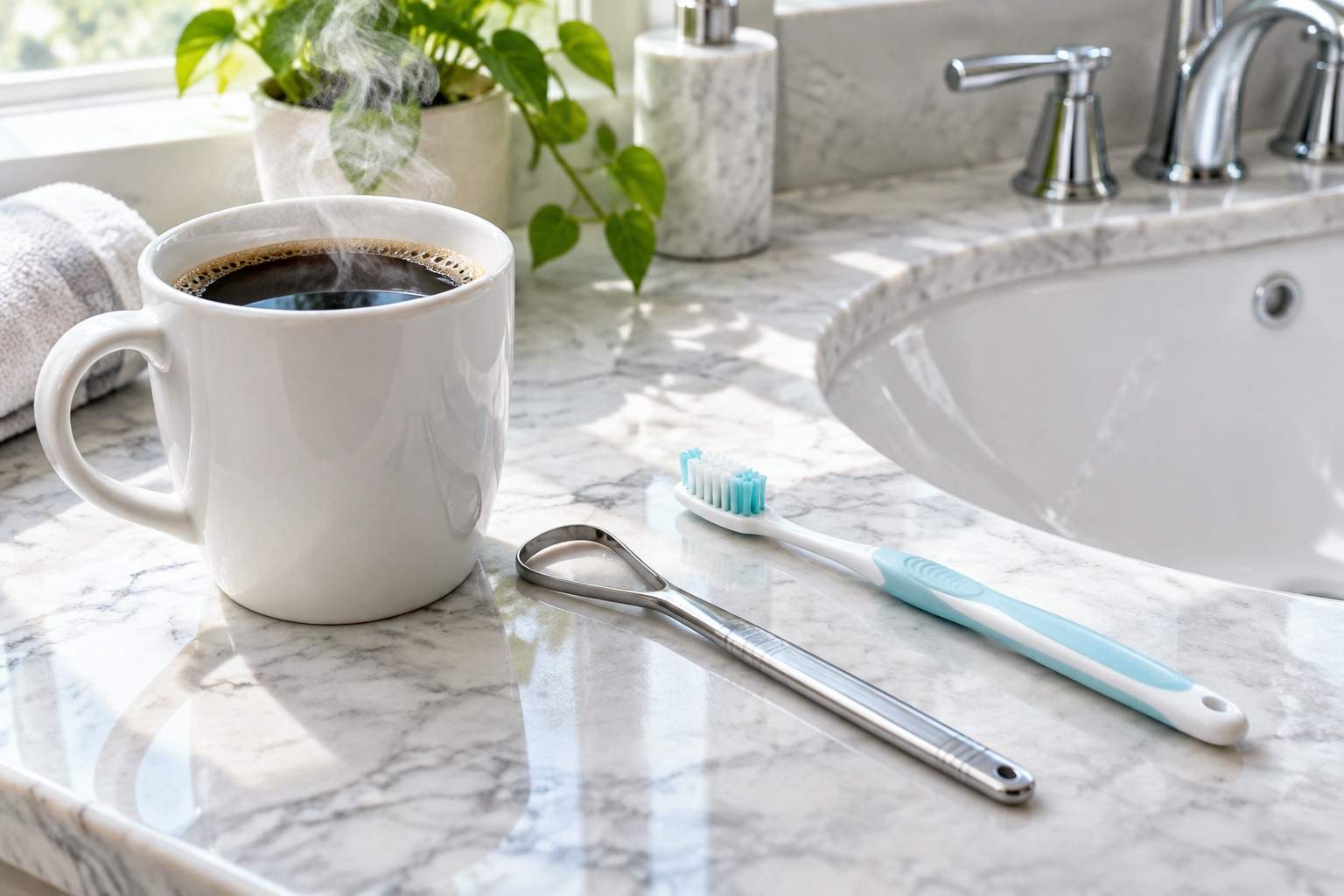
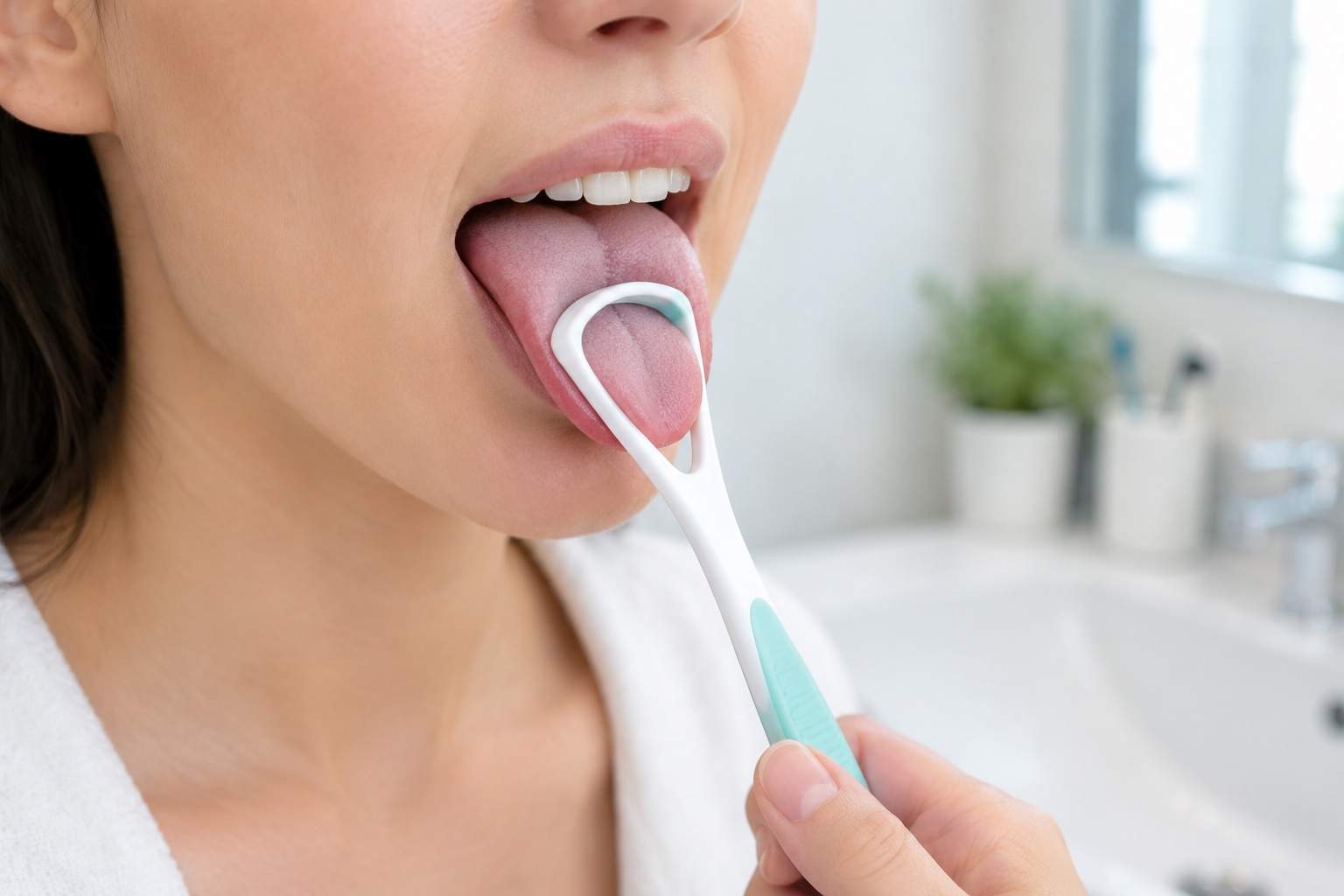
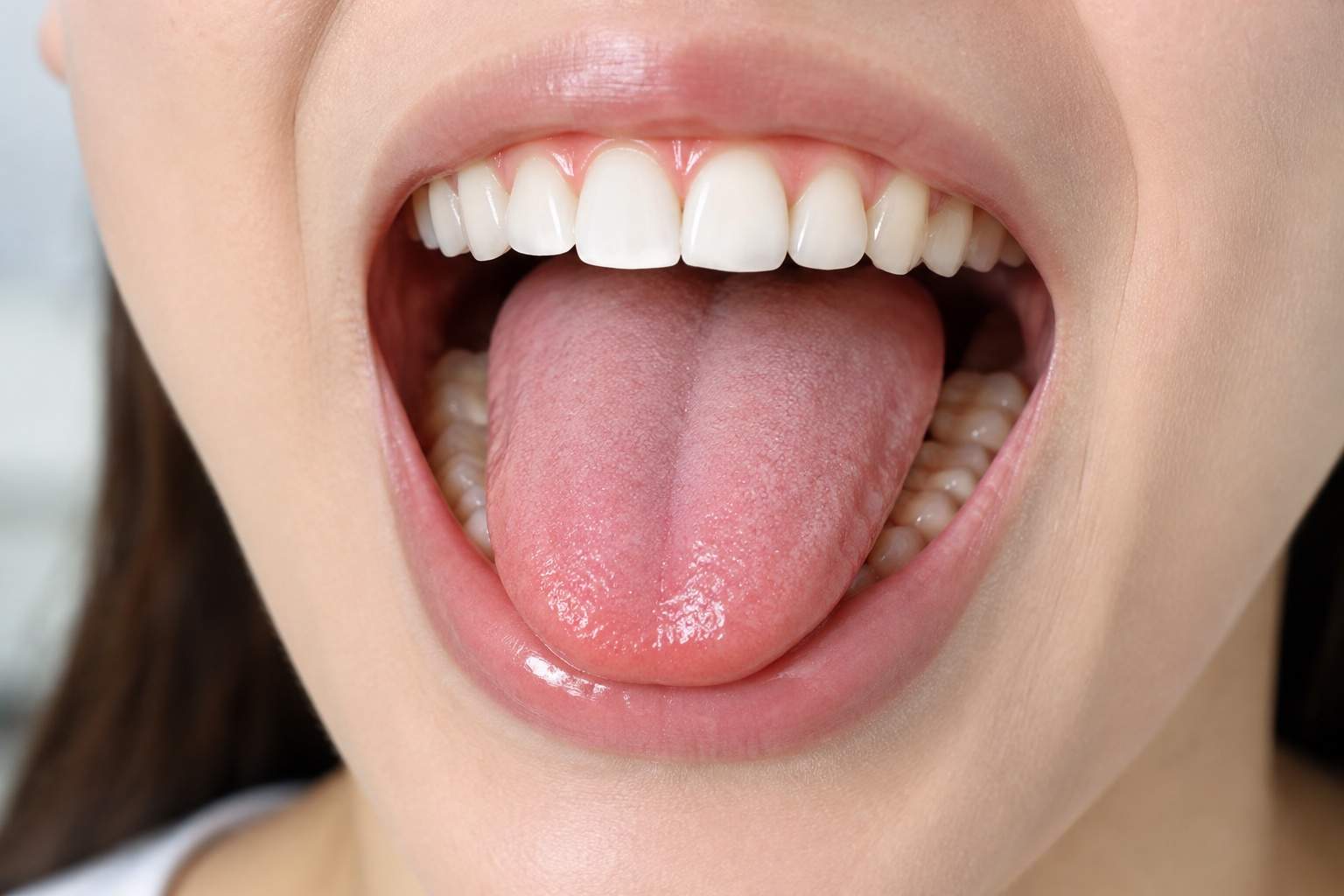
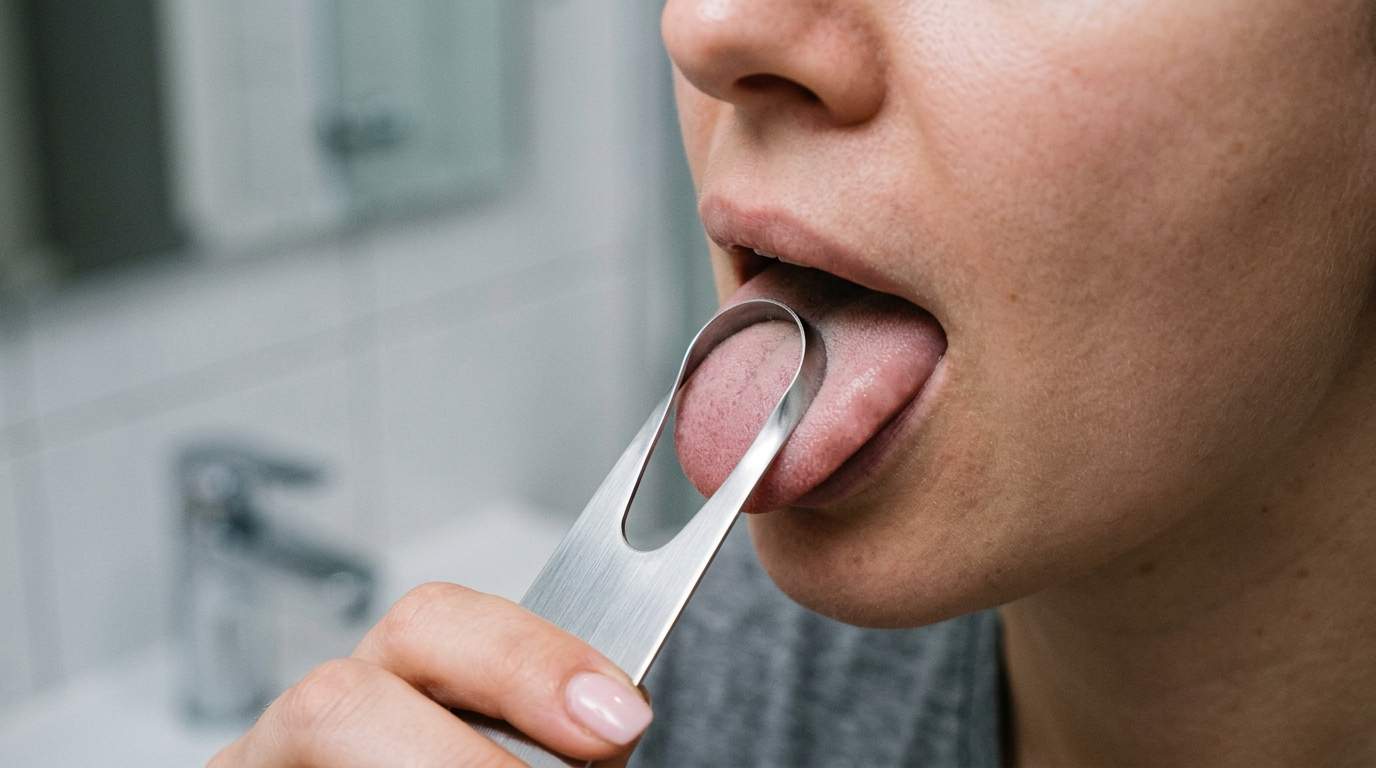
And then there's the often-overlooked tongue. The surface of your tongue can harbor a significant amount of bacteria and food debris, which contributes directly to bad breath solutions. Incorporating a tongue scraper into your routine can dramatically reduce these volatile sulfur compounds (VSCs) that cause halitosis, leaving your mouth feeling truly fresh and clean.
The Mouthwash Conundrum: A Double-Edged Sword?
Many reach for mouthwash seeking a final boost of freshness. While some therapeutic mouthwashes can offer benefits, the routine, uncritical use of certain types can be a hidden pitfall. Many commercial mouthwashes contain alcohol, which can be drying to the oral tissues, potentially reducing saliva flow over time – and saliva is our natural defense against bacteria and acids.
Furthermore, some antiseptic mouthwashes indiscriminately kill both beneficial and harmful bacteria, potentially disrupting the delicate balance of your oral microbiome. This disruption can, paradoxically, create an environment where certain problematic bacteria flourish, or it might simply mask an underlying issue without addressing the root cause. If you frequently rely on mouthwash to combat bad breath, it's a sign that the problem likely stems from persistent plaque, gum issues, or even systemic health conditions, which mouthwash alone cannot solve. It's crucial to consult with a dental professional to understand if and which type of mouthwash might be beneficial for your specific needs, rather than viewing it as a standalone solution or a substitute for thorough mechanical cleaning.