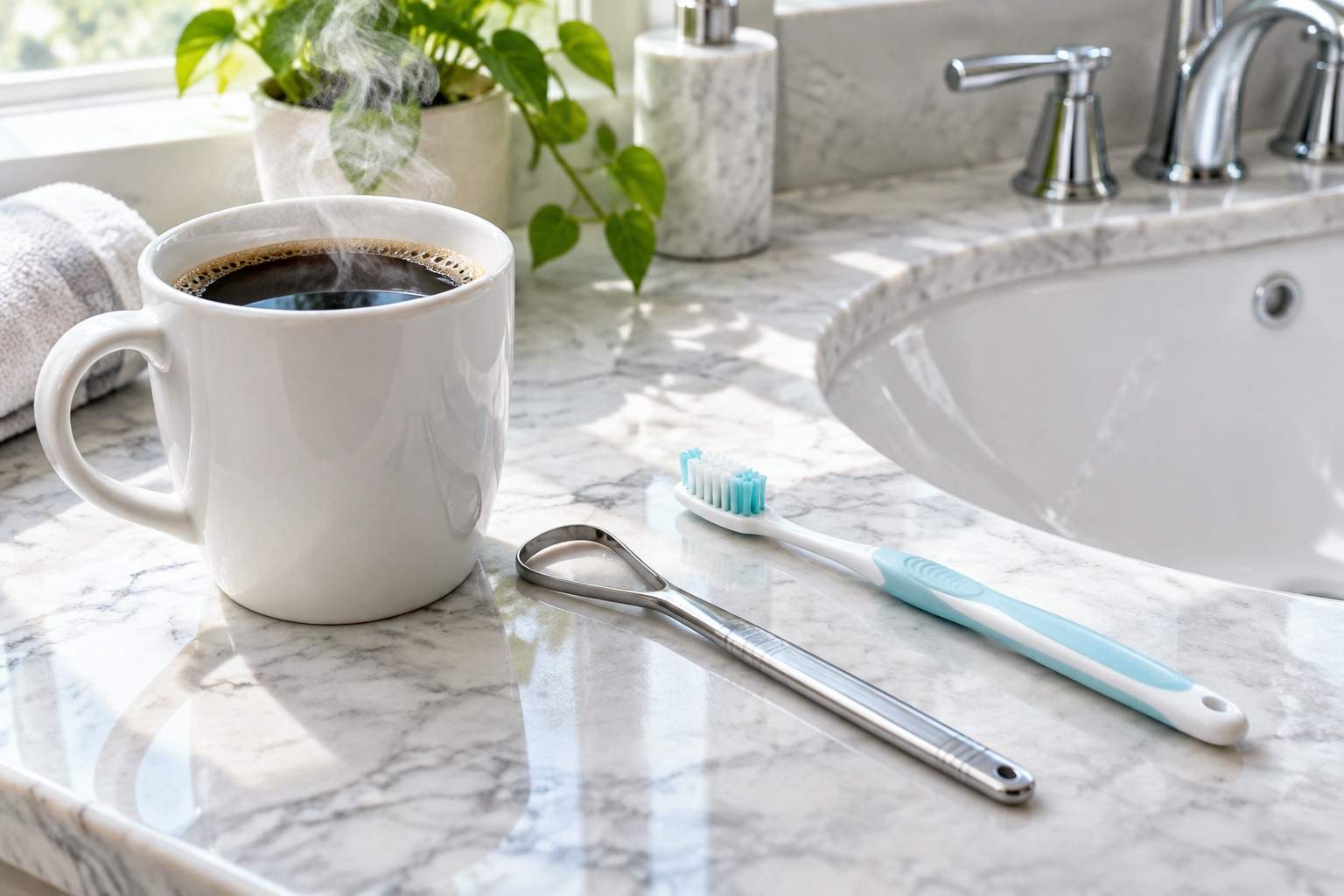
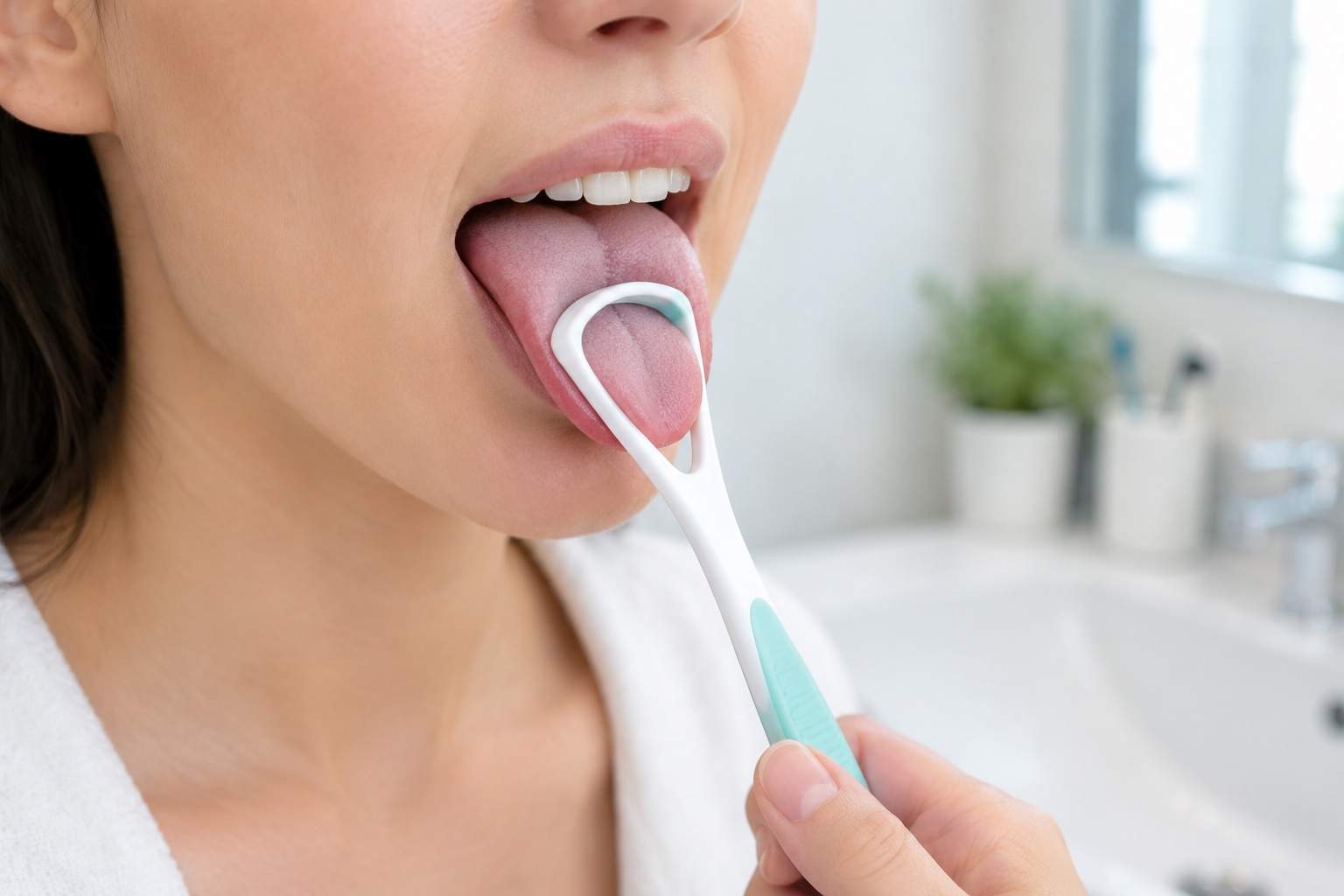
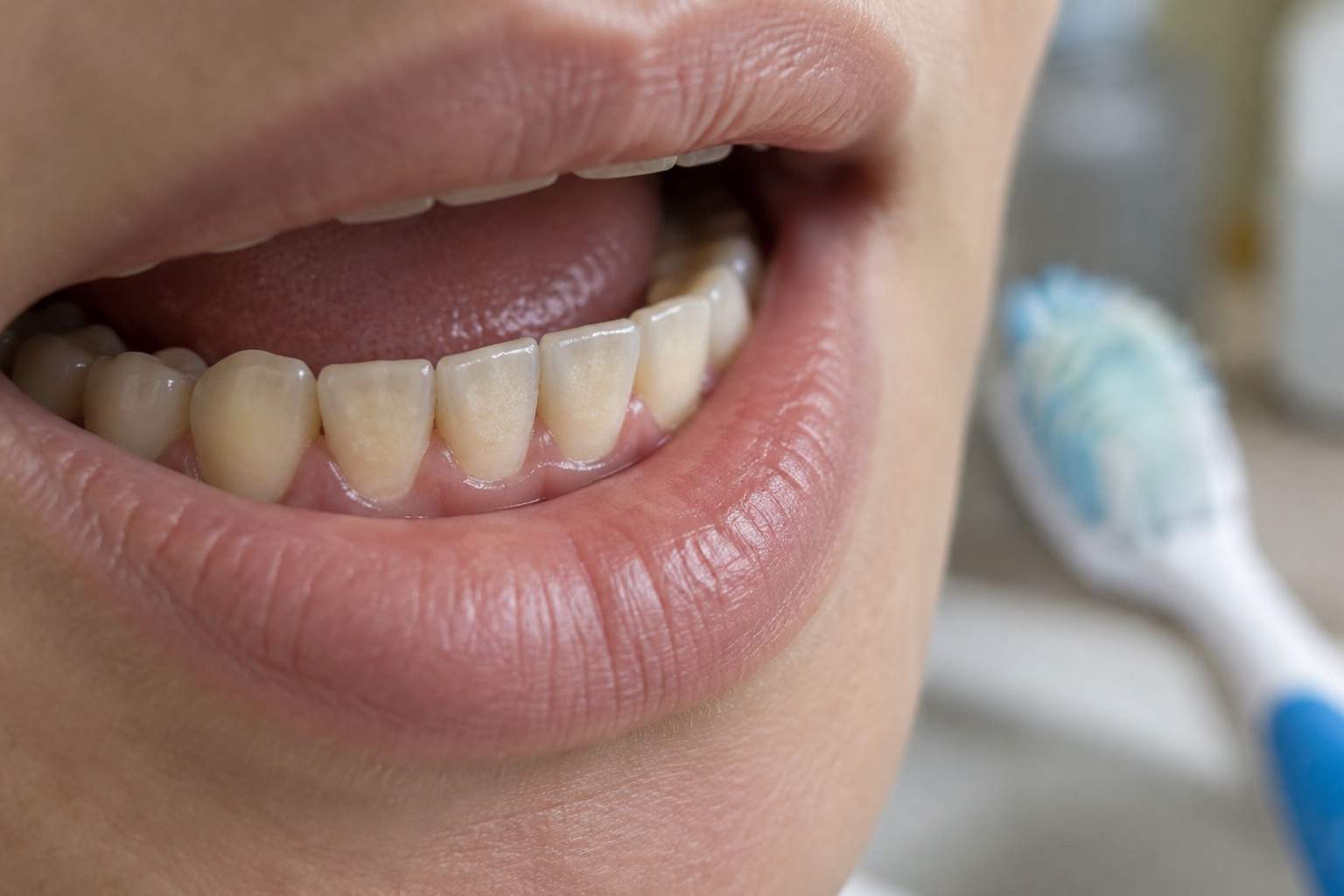
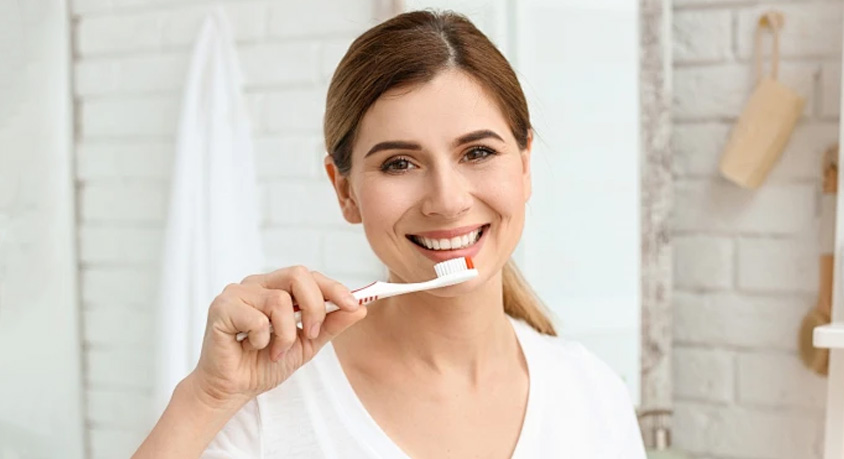
You finish lunch—a tuna sandwich with a side of orange slices, then a cup of black coffee. You head to the bathroom, squeeze toothpaste onto your brush, and scrub away. You feel virtuous. You’ve cleaned off the food particles and the coffee breath.
E.g. :Your Toothache Gets Worse at Night – Lying Down Is Trapping Pressure Inside
- 1、The Acid Softening That Happens After Every Meal
- 2、What Brushing Does to Softened Enamel
- 3、The One Exception That Confuses Everyone
- 4、How Saliva Saves Your Teeth (If You Give It Time)
- 5、What to Do Instead: A Simple Post-Meal Protocol
- 6、When You Absolutely Cannot Wait (Travel, Meetings, Etc.)
- 7、How to Teach This to Children Who Eat Constantly
- 8、FAQs
That virtuous feeling is a trap. What you just did to your teeth may have caused more harm than skipping the brush entirely.
Decades of dental advice have focused on brushing after every meal. But modern research has uncovered a hidden danger in that well-intentioned habit. The timing of your brushing matters as much as the brushing itself. And most people are getting it disastrously wrong.
The Acid Softening That Happens After Every Meal
Many common foods and drinks lower the pH in your mouth. Orange juice (pH 3.8), coffee (pH 5.0), soda (pH 3.0), wine (pH 3.5), and even bread (fermentable carbohydrates produce acid) create an acidic environment.
When pH drops below 5.5, enamel begins to demineralize. The calcium and phosphate ions in the enamel surface loosen and leach out. The enamel becomes temporarily softer—like wet chalk instead of hard ceramic.
This softening is not permanent. Your saliva contains bicarbonate, calcium, and phosphate. Over 20 to 30 minutes, saliva neutralizes the acid and begins redepositing minerals back into the enamel surface. This process is called remineralization.
What Brushing Does to Softened Enamel
If you brush during those 20 to 30 minutes of acid softening, your toothbrush bristles do not simply sweep away food particles. They physically abrade the softened enamel surface. The combination of acid + brushing is far more destructive than either alone.
A 2018 study in Caries Research simulated this exact scenario. Enamel samples were exposed to orange juice (pH 3.8) for 5 minutes, then brushed immediately. Compared to samples that were brushed before acid exposure or after a 30-minute wait, the “brush immediately” group lost 40% more enamel surface.
The authors concluded: “Brushing immediately after an acidic challenge significantly increases enamel wear. A waiting period of at least 30 minutes is recommended to allow salivary neutralization.”
The One Exception That Confuses Everyone
Some dentists still recommend brushing immediately after meals containing sugar or sticky carbohydrates. The logic: sugar feeds bacteria, which produce acid for up to 20 minutes. Brushing removes the sugar before bacteria can convert it.
This logic is flawed for two reasons. First, the acid produced by bacteria takes time to form—it’s not instantaneous. Second, the physical damage from brushing softened enamel outweighs any benefit from removing sugar that would have been washed away by saliva anyway.
A 2019 study in the Journal of Dentistry compared two post-meal strategies after a high-sugar breakfast: brushing immediately versus rinsing with water then brushing after 30 minutes. The rinse-plus-wait group had less enamel wear and no difference in plaque accumulation.
The better approach: rinse vigorously with water immediately after eating, then brush 30 minutes later.
How Saliva Saves Your Teeth (If You Give It Time)
Your saliva is your mouth’s natural repair system. It contains:
- Bicarbonate to neutralize acid
- Calcium and phosphate to remineralize enamel
- Mucins to lubricate and protect
But saliva needs time to work. If you brush immediately after eating, you interrupt this natural repair process. You also remove the protective salivary film that coats your teeth.
A 2020 study in Clinical Oral Investigations measured enamel hardness before and after a meal, with and without immediate brushing. The immediate-brush group had significantly softer enamel 30 minutes later. The wait-30-minutes group had enamel hardness back to baseline.
What to Do Instead: A Simple Post-Meal Protocol
You don’t need to carry a toothbrush to work. Here is the evidence-based sequence:
Immediately After Eating or Drinking (Especially Acidic Items)
Rinse your mouth vigorously with plain water for 30 seconds. Swish hard. This dilutes and removes most of the acid and food debris.
Chew Sugar-Free Gum (Optional but Helpful)
Gum stimulates saliva flow, speeding up neutralization. Look for gum containing xylitol, which also inhibits bacterial growth.
Wait 30 Minutes
Set a timer if needed. During this time, let your saliva do its job. Drink plain water if you’re thirsty.
Brush With Fluoride Toothpaste
After 30 minutes, brush gently with a soft brush. The enamel has remineralized and can withstand normal brushing.
When You Absolutely Cannot Wait (Travel, Meetings, Etc.)
If you have no choice but to brush immediately after a meal, use these harm-reduction steps:
- Rinse with water first to remove bulk acid.
- Use a very soft brush and minimal pressure.
- Use a low-abrasivity toothpaste (not whitening).
- Brush for only 60 seconds instead of 120.
But these are compromises. The gold standard is to wait.
How to Teach This to Children Who Eat Constantly
Children often snack frequently throughout the day. Their mouths may be acidic more often than adults’. But their enamel is thinner and more vulnerable.
The rule for children: after meals or snacks, have them drink water or rinse. Reserve brushing for morning and night, when the mouth has been neutral for a while. Never send a child to brush immediately after a juice box or fruit snack.
A 2021 study in Pediatric Dentistry found that children who rinsed after school snacks and waited 30 minutes to brush had 60% less new enamel erosion over 12 months compared to those who brushed immediately.
FAQs
Q: What if I just ate something very sticky, like caramel or dried fruit? Should I still wait?
A: Sticky sweets adhere to enamel and prolong acid exposure. Rinse vigorously with water first, which helps dislodge particles. Then wait 20–30 minutes before brushing. If you cannot wait, at least chew sugar-free gum for 5 minutes to stimulate saliva and mechanically loosen debris before brushing gently.
Q: Does this waiting rule apply to breakfast before work? I don’t have 30 minutes.
A: Many people face this time crunch. The compromise: brush before breakfast instead of after. Brushing first thing in the morning removes overnight bacteria and coats teeth with fluoride. Then eat breakfast, rinse with water, and go. You lose the “after-meal clean” feeling, but you avoid acid-weakened enamel damage.
Q: Can I use mouthwash immediately after eating instead of waiting?
A: Mouthwash after eating is better than brushing, but not ideal. Many mouthwashes are acidic themselves (pH 4–5). Alcohol-based mouthwashes dry the mouth. If you use mouthwash right after a meal, choose an alcohol-free, neutral-pH rinse. Still, water rinsing plus waiting is superior.