You feel a dull ache in your molar during the afternoon. Annoying, but manageable. You finish work, eat dinner, brush, and head to bed. You lie down. Within minutes, the dull ache transforms into a throbbing, pounding pain that radiates to your ear. You sit up. It fades. You lie back down. It returns.
E.g. :Stop Blaming Your Stomach for Bad Breath – The Real Culprit Is Hiding in Your Mouth
- 1、Why Lying Down Changes Everything: The Pulp Chamber
- 2、The Two Types of Pulpitis: Reversible vs. Irreversible
- 3、Why Cold Water Sometimes Helps (But Don’t Be Fooled)
- 4、What Nighttime Toothache Is NOT: Sinus Issues and Grinding
- 5、What to Do When Nighttime Toothache Strikes
- 6、FAQs
You wonder: is this in your head? Is stress making it worse at night?
No. The change is real, physical, and predictable. That nighttime worsening is not a cruel coincidence—it’s a clear signal of what’s happening deep inside your tooth. And ignoring it can cost you the tooth.
Why Lying Down Changes Everything: The Pulp Chamber
Inside every tooth is the pulp—soft tissue containing nerves, blood vessels, and lymphatics. The pulp sits inside a rigid chamber made of dentin and enamel. That chamber has almost no room for expansion.
When the pulp becomes inflamed (pulpitis), fluid and inflammatory cells leak from blood vessels into the chamber. Pressure builds. During the day, you’re upright. Gravity helps drain some fluid through the tiny opening at the tooth’s tip (the apex).
When you lie down flat, gravity no longer assists drainage. Blood pressure in your head increases slightly, adding more fluid into the pulp. The rigid chamber cannot expand. Pressure skyrockets. The nerves inside compress, sending the brain a throbbing pain signal.
A 2017 study in the Journal of Endodontics measured intrapulpal pressure in patients with symptomatic pulpitis. Pressure increased by an average of 40% within five minutes of assuming a supine (lying flat) position. Pain scores tripled.
The Two Types of Pulpitis: Reversible vs. Irreversible
This nighttime worsening isn’t just uncomfortable—it helps diagnose the severity of the problem.
Reversible Pulpitis
The inflammation is mild. The tooth hurts briefly to cold or sweet, but the pain stops quickly. At night, you may feel mild discomfort, but it passes. This tooth can heal with a simple filling and no root canal.

Irreversible Pulpitis
The inflammation is severe. The tooth hurts spontaneously, sometimes for hours. Cold makes it worse, and the pain lingers for over 30 seconds. At night, lying down causes intense throbbing that wakes you up. The pain often spreads to your jaw, ear, or temple on the same side.
This tooth cannot heal on its own. The pulp is dying. Without a root canal or extraction, the nerve tissue will eventually necrose (die). Surprisingly, the pain may temporarily stop when the nerve dies—but that’s not healing. That’s the tooth’s final warning before abscess forms.
A 2019 clinical guideline in the International Endodontic Journal stated: “Pain that wakes the patient from sleep or significantly worsens when lying down is the single most reliable predictor of irreversible pulpitis.”
Why Cold Water Sometimes Helps (But Don’t Be Fooled)
You may discover that holding ice water in your mouth eases the pain at night. That’s because cold constricts blood vessels, temporarily reducing pressure inside the pulp.
But here’s the dangerous trap: if cold water stops working, or if heat makes it better, the pulp has likely died and gases from bacterial decay are expanding. A hot drink or even warm breath can cause explosive pain. That’s a sign of pulp necrosis with gas formation—a dental emergency.
A 2020 study in the Journal of Dental Research found that among patients who used cold water to manage nighttime tooth pain, 65% delayed seeking treatment for an average of 11 days. By then, many had progressed to irreversible damage requiring extraction instead of a root canal.
What Nighttime Toothache Is NOT: Sinus Issues and Grinding
Not every nighttime tooth pain is pulpitis. Two other conditions mimic it:
Sinusitis
When you lie down, sinus fluid shifts. Inflamed maxillary sinuses (just above your upper back teeth) can cause a dull, pressure-like ache in multiple upper teeth. Unlike pulpitis, sinus pain is usually bilateral (both sides) and changes when you bend forward. Cold doesn’t trigger it.
Bruxism (Night Grinding)
Clenching your jaw while asleep can cause a dull ache in teeth and jaw muscles. The pain is usually present upon waking and fades during the day. It doesn’t worsen immediately when you lie down—it worsens with sleep stage and muscle activity.
If your pain is sharp, throbbing, and wakes you from sleep, it’s almost certainly pulpal. If it’s dull and present only in the morning, consider grinding.
What to Do When Nighttime Toothache Strikes
You cannot cure pulpitis at home. But you can manage pain until you see a dentist:
Stay Upright
Sleep propped up on two or three pillows. Reducing head elevation lowers venous pressure and helps drain the pulp.
Apply a Cold Pack
Place a cold pack on your cheek over the painful tooth for 15 minutes. Cold constricts vessels and reduces inflammation. Do not use heat—heat expands gases and worsens pain.
Avoid Lying on That Side
If you must lie down, keep the painful side up. Gravity will pull fluid away from that tooth.
See a Dentist Within 24–48 Hours
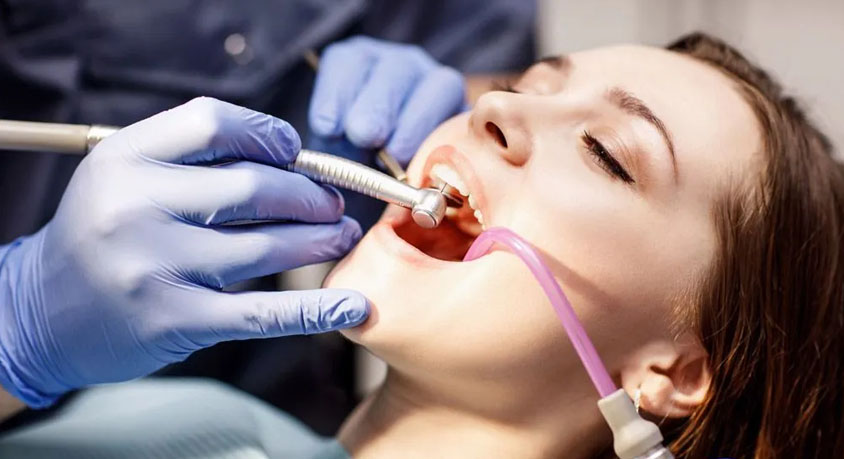
If the pain wakes you at night, you are beyond home remedies. A dentist can:
- Drill through the tooth to relieve pressure (emergency pulpotomy).
- Prescribe antibiotics if there’s swelling.
- Plan a root canal or extraction.
A 2021 study in the Journal of the American Dental Association showed that patients who received emergency pulp decompression within 48 hours of nighttime pain onset had a 94% chance of saving the tooth. Those who waited more than a week had only a 40% chance.
FAQs
Q: Can I take painkillers to avoid seeing a dentist?
A: Over-the-counter NSAIDs (ibuprofen, naproxen) can reduce inflammation and pain temporarily. But they do not stop the pressure buildup inside your tooth. Once the medication wears off, the pain returns. Painkillers mask symptoms while the pulp continues to die. They are a bridge to dental care, not a replacement.
Q: My tooth stopped hurting after a week of nighttime pain. Am I okay?
A: No. That likely means the pulp has necrosed (died). The nerve is gone, so you feel no pain. However, the dead tissue inside the tooth is now a breeding ground for bacteria. An abscess can form weeks or months later, causing swelling, fever, and bone loss. You still need a root canal or extraction.
Q: Does a nighttime toothache always mean a root canal?
A: Not always. If the pain is mild, stops within seconds of removing a cold stimulus, and you can sleep through it, you may have reversible pulpitis. A simple filling might be enough. But if pain wakes you from sleep or lingers for more than 30 seconds after cold, irreversible pulpitis is almost certain. Only a dentist can confirm with a cold test and X-ray.