The subtle unease begins, often just an hour or two after that morning ritual. You've diligently brushed, perhaps even flossed, and swished with a powerful mouthwash, yet a familiar, unwelcome sensation returns—a lingering staleness that casts a shadow over your confidence. A quick, discreet breath check confirms your fear, fueling that frustrating cycle of self-consciousness. We've all been there, wondering why our diligent efforts yield only fleeting relief, leaving us questioning if our routine is truly effective or merely a temporary mask.
E.g. :The Lingering Mystery: Why Your Brushing Routine Might Still Be Letting You Down
- 1、The Mouthwash Mask: Why "Killing Germs" Isn't Enough for Halitosis Causes
- 2、Beyond Brushing: The Neglected Nooks and Oral Hygiene Solutions
- 3、The Unseen Connections: Systemic Health and Halitosis Causes
- 4、Reclaiming Freshness: A Holistic Approach to Lasting Fresh Breath
- 5、FAQs
Why does a potent mouthwash, promising to eradicate 99% of germs, seem to lose its battle against bad breath so quickly? Is the widely accepted advice of brushing twice a day enough, or are we missing crucial nuances of when and how we approach our oral care? And could elements seemingly unrelated to our mouths—like our daily water intake or even our sleep patterns—be playing a far more significant role than we ever imagined? Let's delve beneath the surface, challenging some common assumptions, and uncover the fundamental principles governing persistent bad breath, or halitosis, to find a more lasting solution.
The Mouthwash Mask: Why "Killing Germs" Isn't Enough for Halitosis Causes
Many of us reach for mouthwash hoping for a quick fix, believing that eliminating bacteria is the ultimate solution to bad breath. While mouthwashes can offer temporary respite, their efficacy against chronic halitosis is often limited. The vast majority of commercially available mouthwashes primarily target the superficial bacteria in the mouth. However, the root causes of persistent bad breath are often more complex than a simple bacterial count.
Volatile Sulfur Compounds: The Real Culprits of Bad Breath
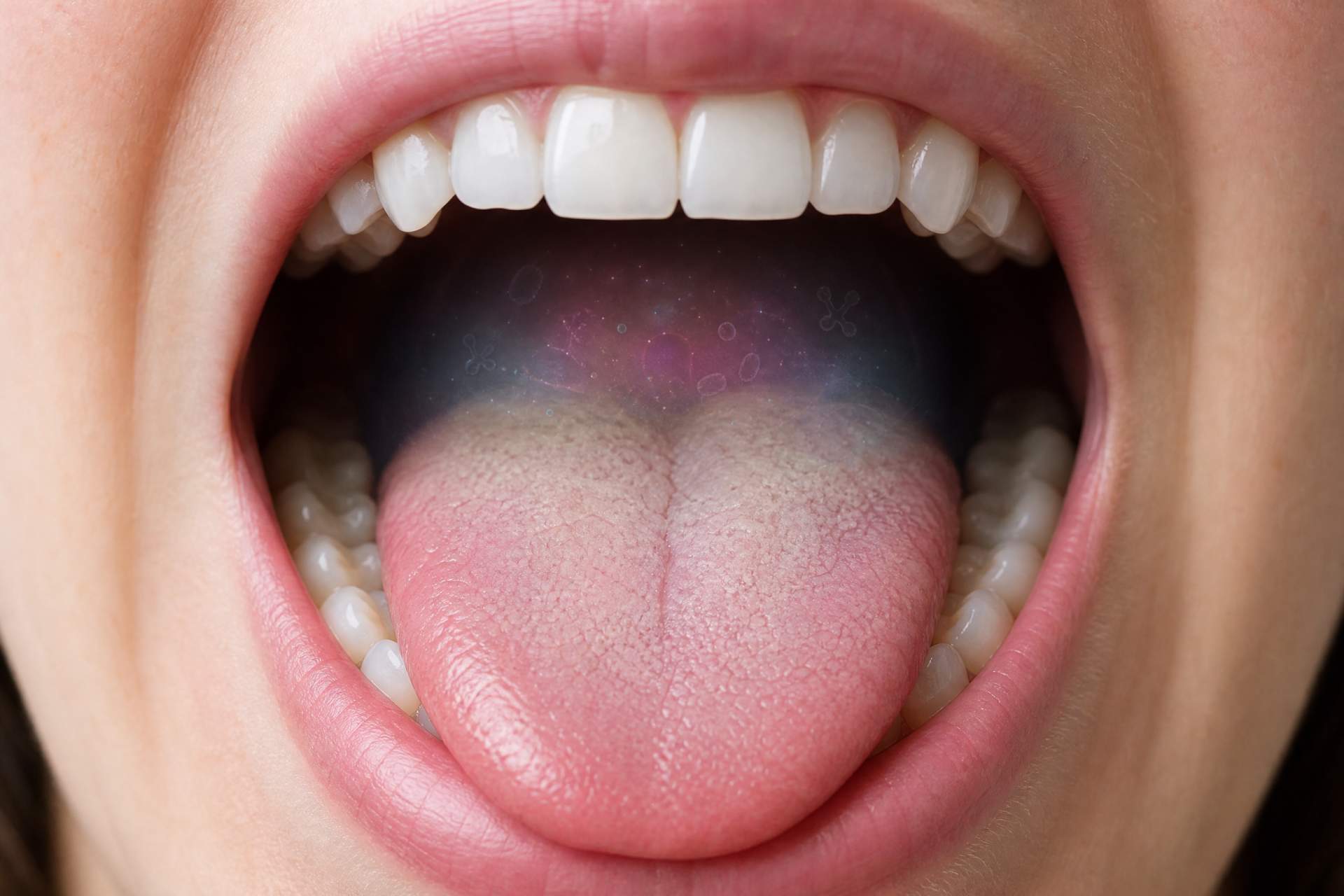
The characteristic unpleasant odor associated with bad breath isn't just "germs"; it's primarily due to specific chemical compounds known as Volatile Sulfur Compounds (VSCs). These include hydrogen sulfide, methyl mercaptan, and dimethyl sulfide, which are gaseous byproducts produced by certain anaerobic bacteria. These bacteria thrive in oxygen-poor environments, such as the back of the tongue, between teeth, and in periodontal pockets. While mouthwashes might reduce their numbers temporarily, they often fail to address the conditions that allow these bacteria and their VSCs to flourish. A study published in the Journal of Clinical Periodontology highlighted that while some antiseptic mouthrinses can reduce VSCs for a short duration, their long-term effectiveness hinges on addressing the underlying bacterial reservoirs.
Beyond Brushing: The Neglected Nooks and Oral Hygiene Solutions
Brushing twice a day is foundational, but it’s often insufficient on its own. The effectiveness of your oral hygiene routine lies not just in its frequency, but in its thoroughness and the specific areas you address. Many common practices overlook critical zones where odor-producing bacteria accumulate and multiply.
The Tongue: A Microbial Hotbed
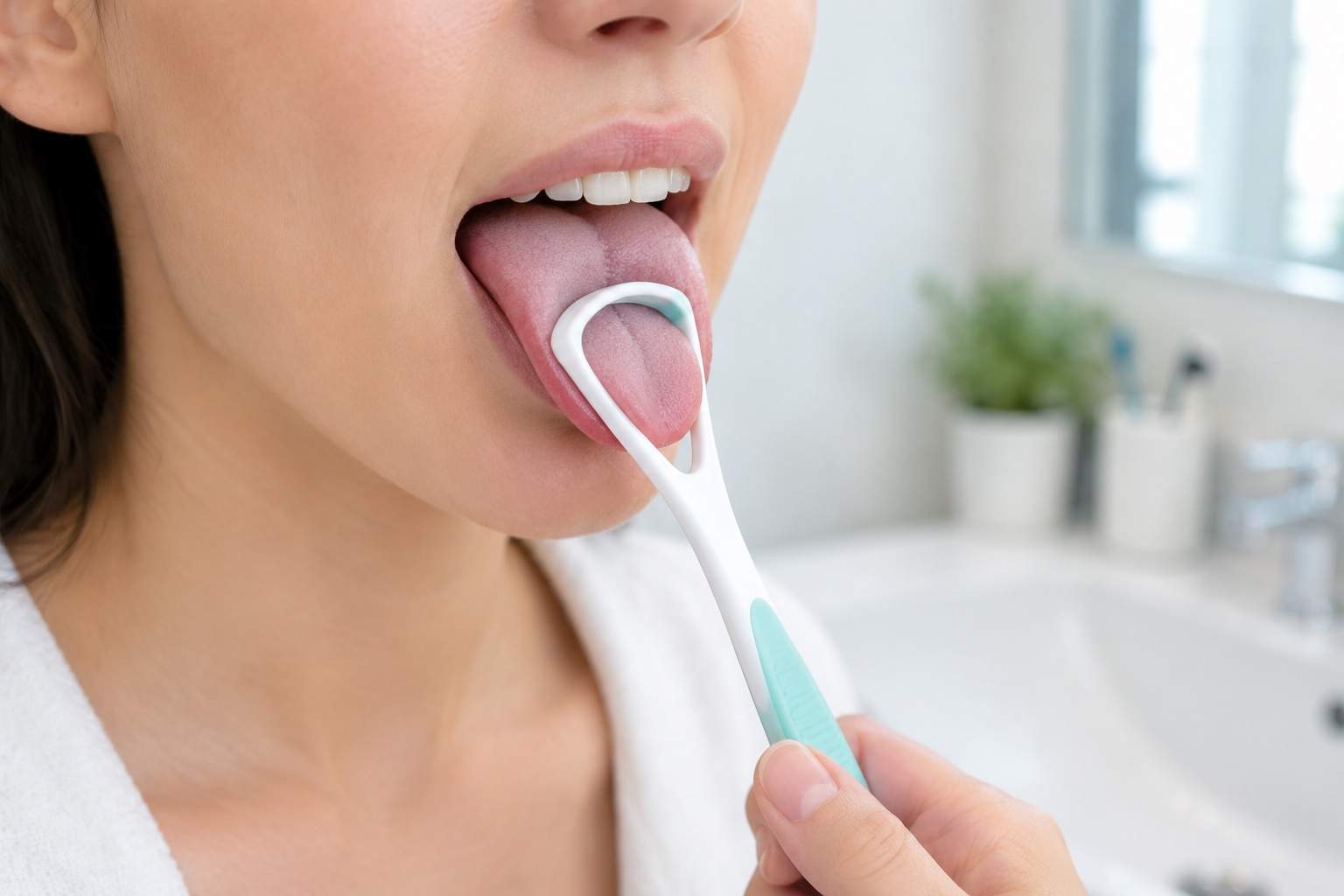
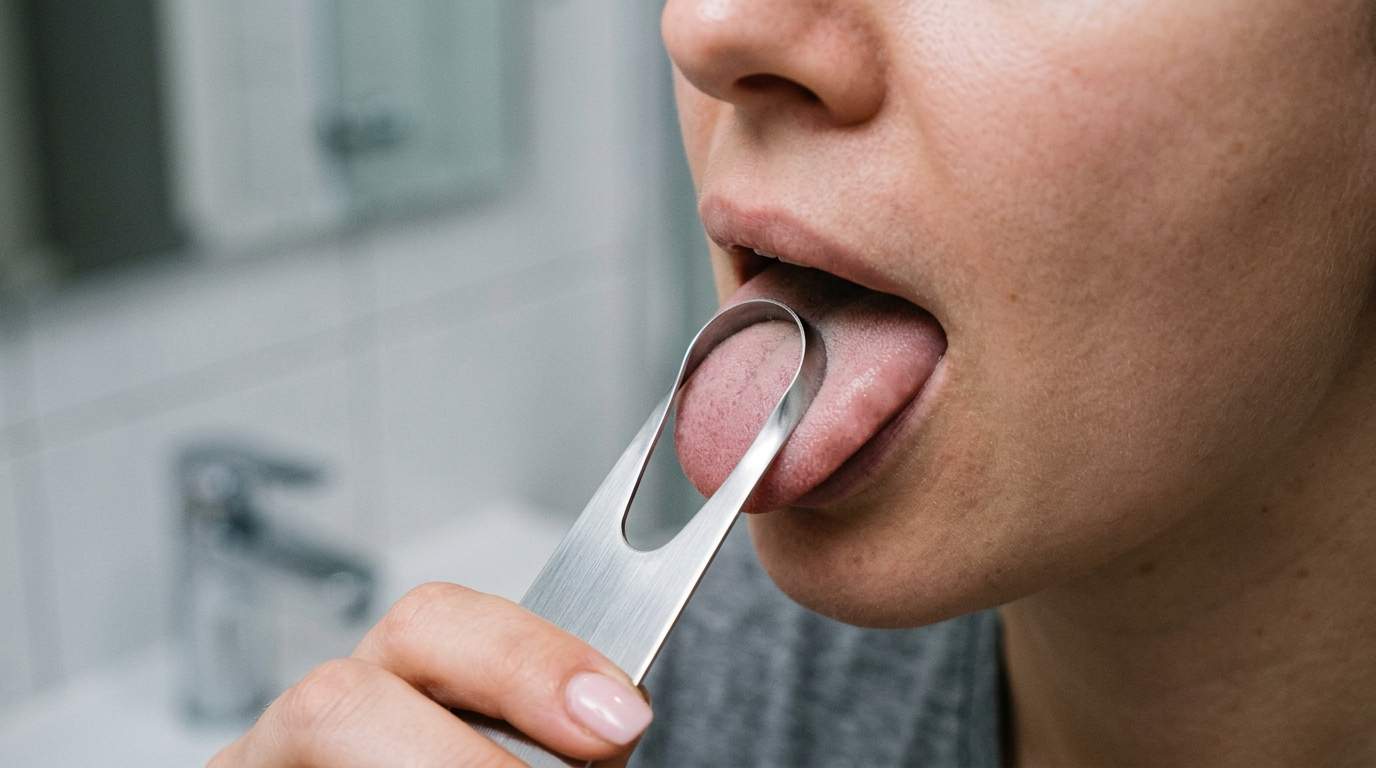
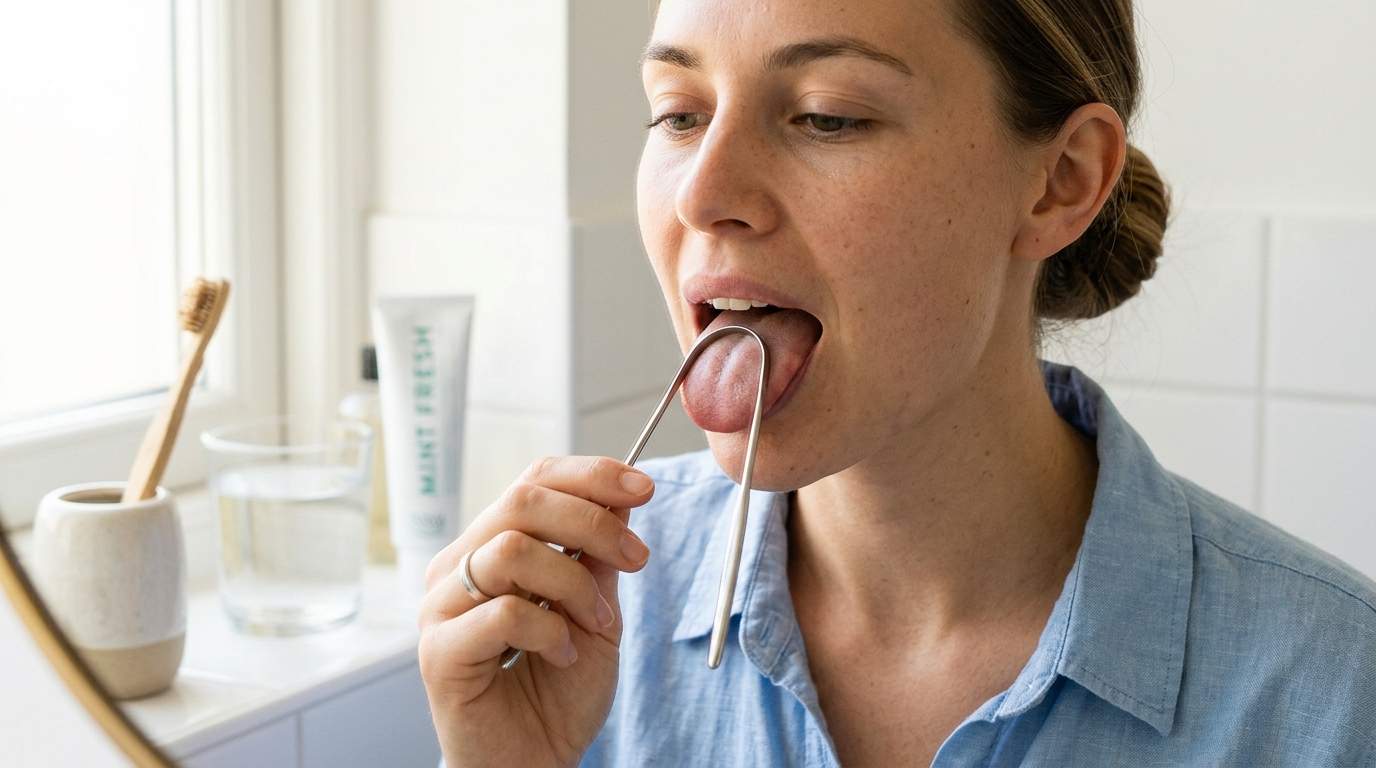
The tongue's dorsal surface, with its numerous papillae and crevices, is a prime location for anaerobic bacteria and food debris to settle, forming a biofilm. This "tongue coating" is a significant contributor to VSC production, yet it's often neglected during routine brushing. Research has consistently shown that tongue cleaning, either with a specialized tongue scraper or even a toothbrush, can significantly reduce the bacterial load and VSC levels by up to 75%. Incorporating tongue cleaning into your daily routine is a simple yet profoundly effective step.
Interdental Spaces and Gum Health
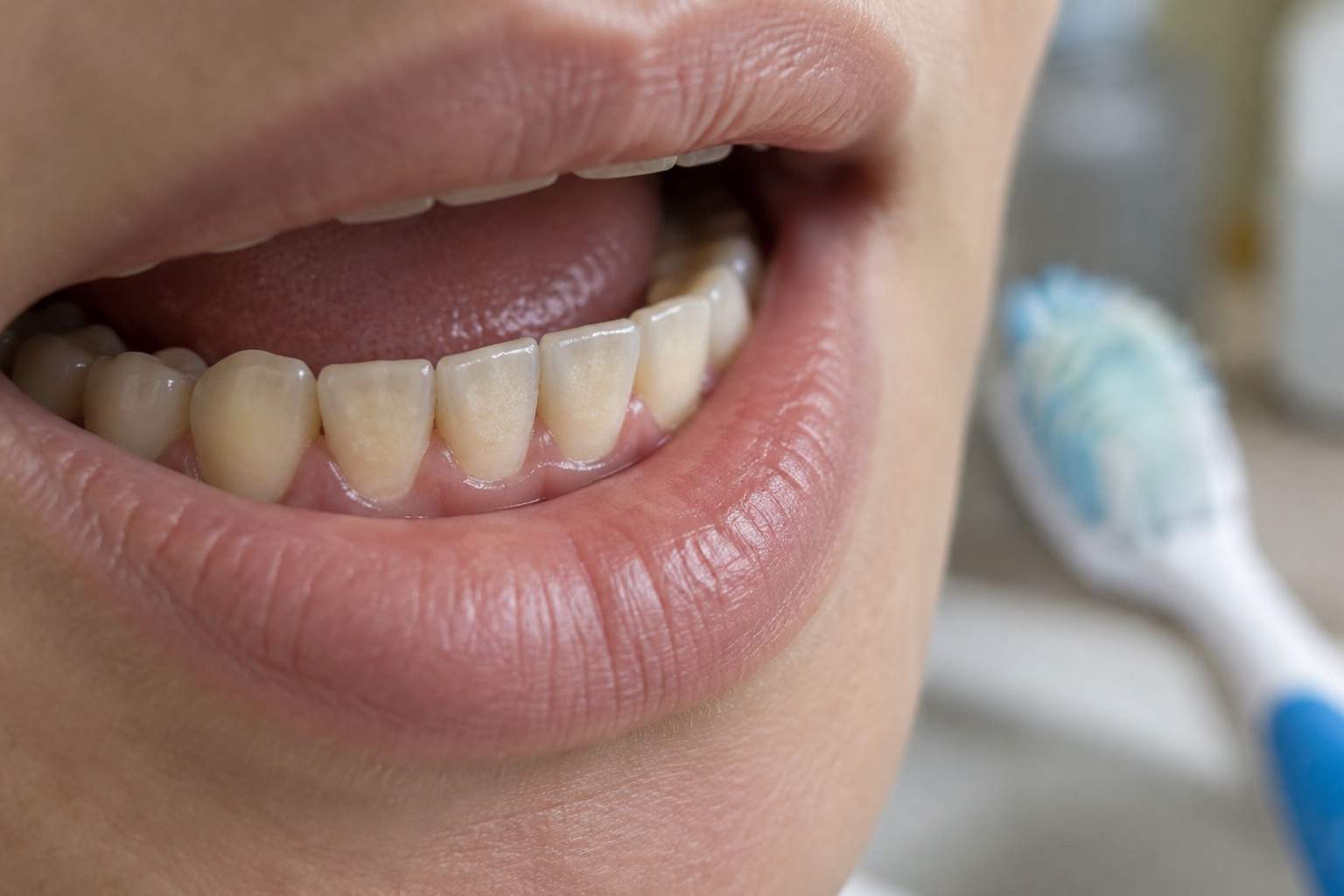
While brushing cleans the surfaces of your teeth, it cannot effectively reach the tight spaces between them. Food particles trapped here decompose, and plaque accumulates, creating ideal anaerobic conditions for VSC-producing bacteria. Flossing, or using interdental brushes, is crucial for disrupting these biofilms and removing trapped debris. Moreover, gum disease (gingivitis and periodontitis) creates deep pockets around the teeth where bacteria can thrive, making it a primary systemic cause of persistent halitosis. Addressing gum health with consistent interdental cleaning and professional dental care is paramount for lasting fresh breath.
The Unseen Connections: Systemic Health and Halitosis Causes
Sometimes, despite impeccable oral hygiene, bad breath persists. This is often a signal that the problem extends beyond the mouth, hinting at underlying systemic health conditions that influence your oral environment. Understanding these connections is key to truly unmasking the root cause.
Dry Mouth (Xerostomia): The Silent Contributor
Saliva plays a crucial role in oral health, naturally cleansing the mouth, neutralizing acids, and washing away food particles and bacteria. When saliva production decreases, a condition known as dry mouth or xerostomia, the mouth's natural self-cleansing mechanism is compromised. This allows bacteria to proliferate unchecked, leading to an increase in VSCs. Dry mouth can be caused by various factors, including certain medications (antihistamines, antidepressants), systemic diseases (Sjögren's syndrome, diabetes), mouth breathing, and even dehydration. Maintaining adequate hydration is a simple yet powerful preventive measure.
The Gut-Breath Axis: A Deeper Connection
Emerging research is drawing fascinating links between the gut microbiome and oral health, suggesting a "gut-breath axis." Conditions affecting the digestive system, such as gastroesophageal reflux disease (GERD), chronic indigestion, or certain gut dysbiosis, can manifest as persistent bad breath. In some cases, compounds from the digestive tract can be absorbed into the bloodstream and expelled through the lungs, contributing to breath odor. While this area requires further research, it underscores the holistic nature of health and the importance of considering your overall well-being when tackling stubborn halitosis.
Reclaiming Freshness: A Holistic Approach to Lasting Fresh Breath
Achieving genuinely fresh breath is not about a quick spray or a strong swish; it’s about understanding the intricate ecosystem of your mouth and body. It requires a comprehensive approach that moves beyond temporary fixes to address the underlying mechanisms.
Start by optimizing your daily oral hygiene: brush thoroughly for two minutes twice a day, ensuring you reach all tooth surfaces, and commit to daily flossing or interdental cleaning. Crucially, integrate tongue scraping into your morning routine. Hydration is non-negotiable; sip water throughout the day to support saliva flow. Be mindful of your diet, limiting sugary foods and drinks that feed odor-producing bacteria.
If persistent bad breath continues despite these diligent efforts, it’s a clear signal to seek professional help. A dental professional can rule out common oral causes like gum disease or dental decay. If no oral cause is found, they can guide you towards further medical evaluation to explore systemic connections. Remember, addressing halitosis is not just about aesthetics; it's often a window into your overall health, offering an opportunity to enhance your well-being from the inside out. Don't let shame or frustration deter you; proactive investigation is the path to lasting relief and renewed confidence.