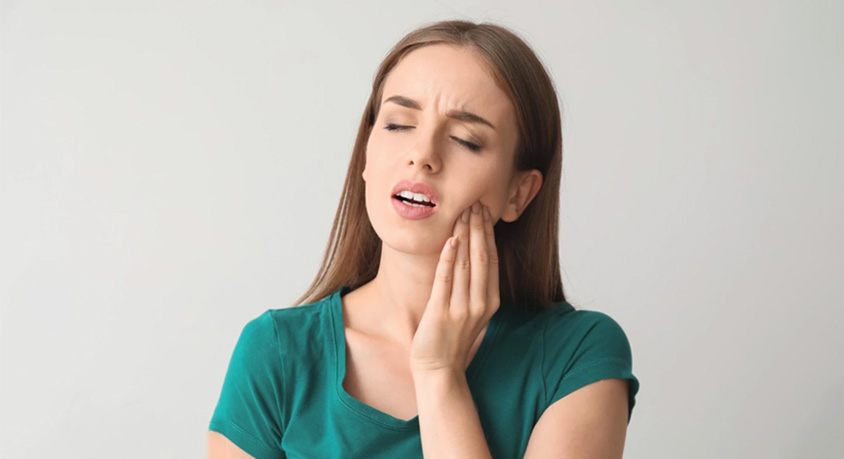
You take a spoonful of ice cream. Instead of enjoyment, a sharp, electric shock shoots through your lower premolars. You wince, put down the spoon, and think: “I have thin enamel.”
E.g. :Why Brushing Right After Meals Might Harm Your Teeth More Than Help
- 1、If Enamel Were the Issue, Your Whole Tooth Would Hurt
- 2、What Actually Exposes Your Roots
- 3、Why Desensitizing Toothpaste Often Fails
- 4、A Three-Layer Defense Against Root Sensitivity
- 5、When You Need Professional Help
- 6、FAQs
That’s what almost everyone believes. So they buy enamel-strengthening toothpaste and hope for the best. Months pass. The pain doesn’t go away.
Here’s what your toothpaste box won’t tell you: enamel thinning is rarely the cause of sudden sensitivity. The real culprit is hiding below the gumline. And most people are treating the wrong problem entirely.
If Enamel Were the Issue, Your Whole Tooth Would Hurt
Enamel covers the crown of your tooth—the part you see. When enamel thins, sensitivity tends to be mild and generalized across the whole tooth surface. But that sharp, pinpoint pain you feel near the gumline? That’s not the crown. That’s the root.
The root has no enamel. It’s covered by a thin layer called cementum, which wears away easily. Beneath cementum lies dentin, packed with thousands of microscopic tubules that lead straight to the nerve. When root surfaces become exposed, cold, heat, or even a puff of air triggers fluid movement inside those tubules. Your brain registers that movement as pain.
A 2017 study in the Journal of Clinical Periodontology examined 500 adults with tooth sensitivity. Over 80% had significant gum recession exposing root dentin. Only 12% had generalized enamel thinning without root exposure.
What Actually Exposes Your Roots
Most people assume gums recede naturally with age. They don’t. Healthy gums stay put. Three things cause recession:
Aggressive Brushing
Using a hard-bristled brush and sawing horizontally wears away gum tissue at the tooth neck. A 2019 study in Oral Health & Preventive Dentistry found that people who brushed with excessive force were three times more likely to have visible root exposure on their canines and premolars.
Gum Disease (Periodontitis)
Chronic inflammation from plaque destroys the bone supporting your teeth. As bone dissolves, the gum follows. This type of recession often affects multiple teeth and comes with bleeding or pocketing.
Orthodontic Movement
Braces or aligners can push teeth through the bony plate, carrying gum tissue with them and leaving root surfaces exposed on the opposite side.

Why Desensitizing Toothpaste Often Fails
Walk into any drugstore, and you’ll see a shelf of toothpastes promising “instant relief for sensitive teeth.” Most contain potassium nitrate or stannous fluoride. These ingredients block nerve transmission or plug dentin tubules.
They can reduce pain temporarily. But here’s what they don’t do: stop gum recession or protect exposed roots from new damage. If you continue aggressive brushing or untreated gum disease, more root becomes exposed, and sensitivity returns—often worse than before.
A 2020 clinical trial in the American Journal of Dentistry compared desensitizing toothpaste alone versus desensitizing toothpaste plus behavior change (soft brush, correct technique, gum disease treatment). The behavior change group had 76% less sensitivity after six months. The toothpaste-only group had only 32% improvement.
A Three-Layer Defense Against Root Sensitivity
You cannot grow back lost gum tissue on your own. But you can stop further recession and dramatically reduce pain.
Layer One: Change How You Brush
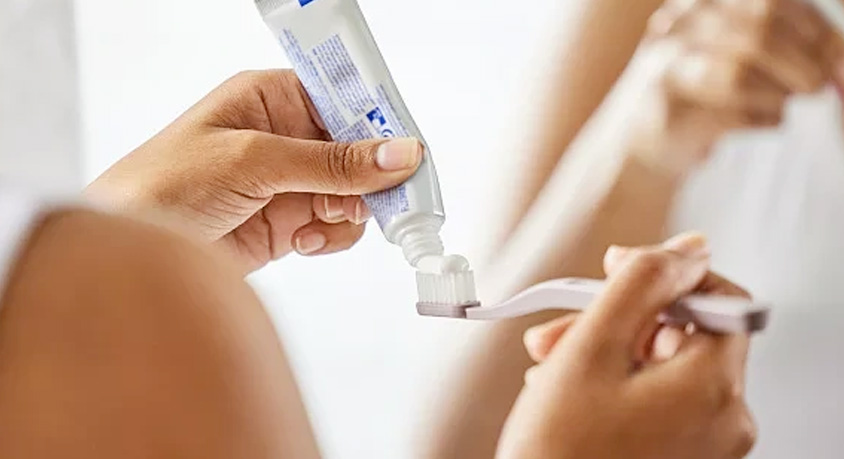
Switch to an extra-soft toothbrush. Use the modified Bass technique: angle bristles 45 degrees toward the gumline, vibrate gently, then roll away. Never scrub horizontally. If you use an electric brush, choose one with a pressure sensor.
Layer Two: Treat Underlying Inflammation
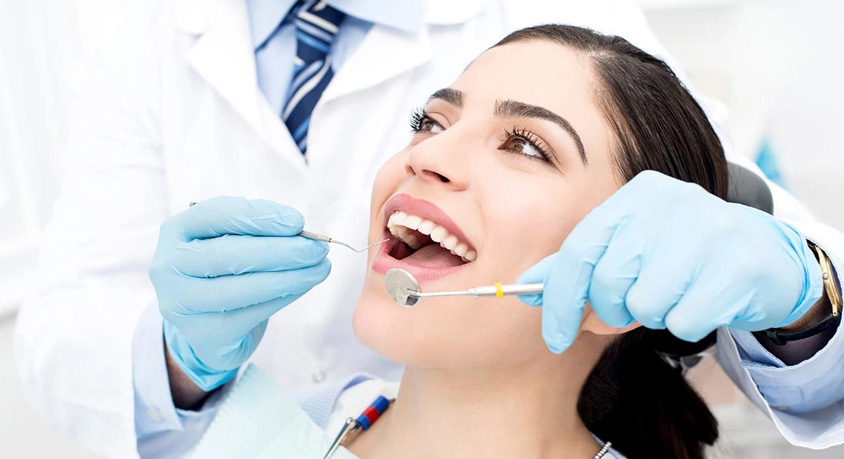
If your gums bleed when flossing or you have deep pockets, see a hygienist for scaling and root planing. Removing plaque below the gumline stops bone loss. Without this step, no toothpaste will save your roots.
Layer Three: Block the Tubules
After changing your brushing and addressing gum health, use a desensitizing product strategically. Apply a stannous fluoride or arginine-based gel at night after brushing. Do not rinse. Leave it on the exposed roots while you sleep. A 2021 study showed that nighttime application increased tubule occlusion by 250% compared to daytime use.
When You Need Professional Help
If sensitivity persists after two months of correct technique and desensitizing gel, ask your dentist about:
- Gum graft surgery. Tissue taken from your palate is stitched over exposed roots. This permanently covers the root and stops sensitivity.
- Bonding. A tooth-colored resin applied to the root surface seals tubules instantly.
- Fluoride varnish. High-concentration fluoride painted on roots reduces sensitivity for 3–6 months.
For mild recession (less than 2mm), behavior change alone often stops progression. For moderate to severe recession, a gum graft is the only permanent solution.
FAQs
Q: Can whitening toothpaste make root sensitivity worse?
A: Yes. Whitening toothpastes contain abrasive particles that wear away cementum faster, exposing more root. They also often have lower fluoride levels. If you have exposed roots, switch to a non-abrasive fluoride toothpaste labeled for sensitivity.
Q: Is it safe to use a water flosser on exposed roots?
A: Yes, on low to medium pressure. Water flossers do not damage root surfaces. They can actually help by flushing out plaque around the gumline without mechanical abrasion. Start at the lowest pressure setting and aim between teeth, not directly into the gum pocket.
Q: Can exposed roots heal on their own if I stop brushing hard?
A: No. Once gum tissue has receded, it does not grow back. However, stopping aggressive brushing prevents further loss. The sensitivity may decrease as your mouth adapts, but the root will remain exposed unless you get a surgical graft. The goal is to prevent worsening and manage pain.