You wake up, stretch, and then it hits you—that unpleasant, sticky feeling in your mouth. A quick breath check into your cupped palm confirms it. You brush, rinse, feel fresh for an hour, then mid-morning coffee with a colleague, you notice them subtly lean back. The self-consciousness returns.
E.g. :Tooth Sensitivity Isn’t Thin Enamel – Exposed Roots Are the Real Problem
- 1、The Common Misconception: Is Bad Breath Really Coming From Your Stomach?
- 2、Bleeding Gums: Not a Sign of Brushing Too Hard, But a Warning Signal
- 3、The Overlooked Link Between Bleeding Gums and Chronic Halitosis
- 4、Rethinking Your Daily Oral Care Routine: Beyond Brushing
- 5、A Simple, Evidence-Based Protocol to Break the Cycle
- 6、FAQs
If this sounds familiar, you’re not alone. Nearly one in four adults suffers from persistent bad breath (halitosis). Most people blame their stomach or diet. But the real story is right inside your mouth—and it connects two seemingly separate issues: bleeding gums and chronic bad breath.
The Common Misconception: Is Bad Breath Really Coming From Your Stomach?
Walk down any pharmacy aisle, and you’ll find antacids and teas marketed for “stomach-induced bad breath.” It’s a compelling idea, but the evidence says otherwise.
According to a review in the Journal of Clinical Periodontology, over 85% of halitosis cases originate in the mouth, not the stomach. The stomach is an acidic, low-oxygen environment that rarely produces volatile compounds traveling back up. Conditions like GERD account for less than 5% of chronic bad breath. The real culprit? Bacterial activity in your oral cavity.
Bleeding Gums: Not a Sign of Brushing Too Hard, But a Warning Signal
Many people treat bleeding gums as a mechanical problem—“I must be brushing too aggressively.” They avoid the gumline. That’s a mistake.
Healthy gums do not bleed from gentle stimulation. Bleeding is a classic sign of inflammation (gingivitis). Here’s the mechanism: dental plaque accumulates along the gumline, your immune system responds, blood vessels dilate and become fragile. Even light pressure causes rupture.
Data from the American Dental Association shows nearly half of adults over 30 have some form of periodontal disease, with bleeding gums as the earliest visible marker. This stage is completely reversible—yet most people misinterpret the signal.

The Overlooked Link Between Bleeding Gums and Chronic Halitosis
Now for the connection few make: bleeding gums and bad breath are two symptoms of the same underlying problem—an imbalanced oral microbiome.
Your mouth hosts over 700 species of bacteria. When plaque builds up, anaerobic (oxygen-hating) bacteria thrive below the gumline and on the back of your tongue. They break down proteins and release volatile sulfur compounds (VSCs)—the same molecules responsible for rotten-egg odor.
How Bacteria Create That Unpleasant Odor
VSCs include hydrogen sulfide and methyl mercaptan. These compounds are not just smelly; they increase tissue permeability, making gum bleeding worse. A 2016 study in International Journal of Dental Hygiene found that people with bleeding gums had VSC levels up to four times higher than those with healthy gums. It’s a vicious cycle.
Rethinking Your Daily Oral Care Routine: Beyond Brushing
If you rely on twice-daily brushing and minty mouthwash, you’ve likely noticed that bad breath and bleeding persist. Standard routines miss the primary hiding spots.
The Power of Tongue Cleaning
Feel that fuzzy coating on your tongue? It’s a biofilm packed with anaerobic bacteria. A toothbrush can’t reach deep crevices. Enter the tongue scraper. Clinical trials show regular tongue cleaning reduces VSCs by 30–40% within two weeks. It physically removes the bacterial layer—one of the highest-yield habits for halitosis.
Why Mouthwash Might Backfire
Here’s a counterintuitive fact: many over-the-counter mouthwashes—especially high-alcohol ones—can worsen chronic bad breath over time. Alcohol dries out the mouth. Saliva is your natural defense; less saliva means less oxygen, which anaerobic bacteria love. A study from BMC Oral Health found alcohol-containing mouthwashes reduced salivary flow by 15% after one week. If you choose a mouthwash, opt for an alcohol-free formula with zinc or chlorine dioxide.
A Simple, Evidence-Based Protocol to Break the Cycle
Both bleeding gums and chronic halitosis are reversible within weeks. Here’s a step-by-step routine grounded in oral biology:
- Brush correctly, not harder. Use a soft-bristled brush at 45 degrees toward the gumline. Gentle circular motions for two minutes.
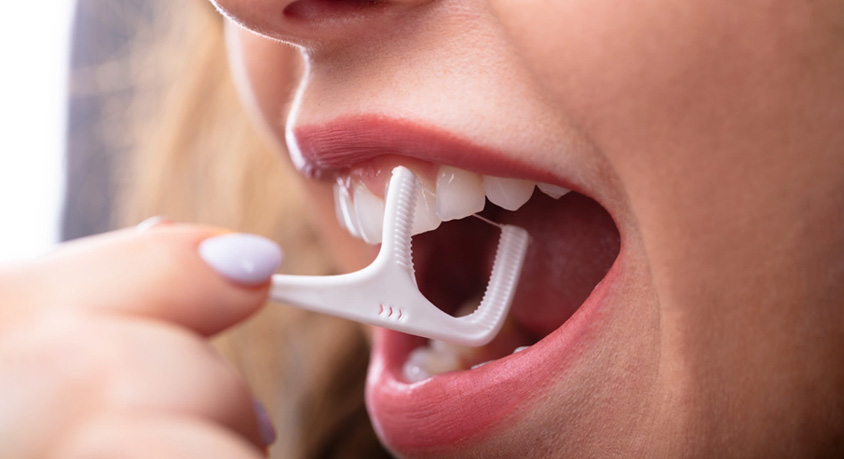
- Clean between teeth daily. Use interdental brushes or floss. This reduces gum bleeding by 60–70% within two weeks.
- Scrape your tongue every morning. Before brushing, scrape from back to front 3–5 times. This removes the primary VSC reservoir.
- Rinse strategically. Use alcohol-free mouthwash only when you can’t brush (e.g., after lunch). Never rinse immediately after brushing—you’ll wash away fluoride.
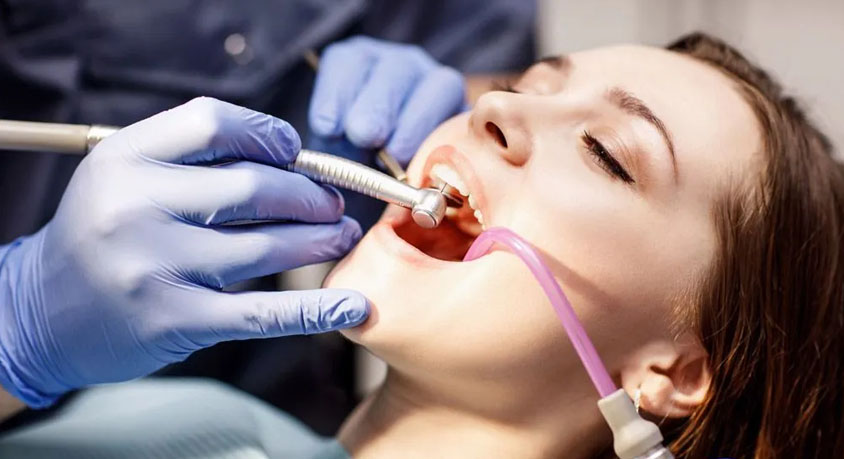
- See a dental hygienist every six months. Professional scaling removes hardened tartar.
A 2019 trial in the Journal of Clinical Dentistry followed adults with both gingivitis and halitosis using this protocol. After four weeks, 89% had no visible gum bleeding, and 76% had breath odor within normal range—no special diets or supplements.
FAQs
Q: Can certain foods really cause bad breath, or is that a myth?
A: Foods like garlic and onion cause temporary breath odor via sulfur compounds absorbed into your bloodstream and exhaled through lungs. This fades within 24 hours. Persistent bad breath is almost always oral in origin.
Q: I floss regularly and my gums still bleed. What am I doing wrong?
A: Bleeding indicates active inflammation (gingivitis). When you first start flossing correctly, you may bleed more because tissue is fragile. Stick with it gently daily. After 5–10 days, inflammation subsides and bleeding stops. If it continues beyond two weeks, see a dentist.
Q: Is dry mouth a cause or a symptom of bad breath?
A: Both. Dry mouth reduces saliva, which contains antibacterial enzymes. Less saliva means bacteria multiply faster. Chronic bad breath can also signal undiagnosed dry mouth from medications or mouth breathing. Hydrate, chew sugar-free gum, and use a humidifier at night.