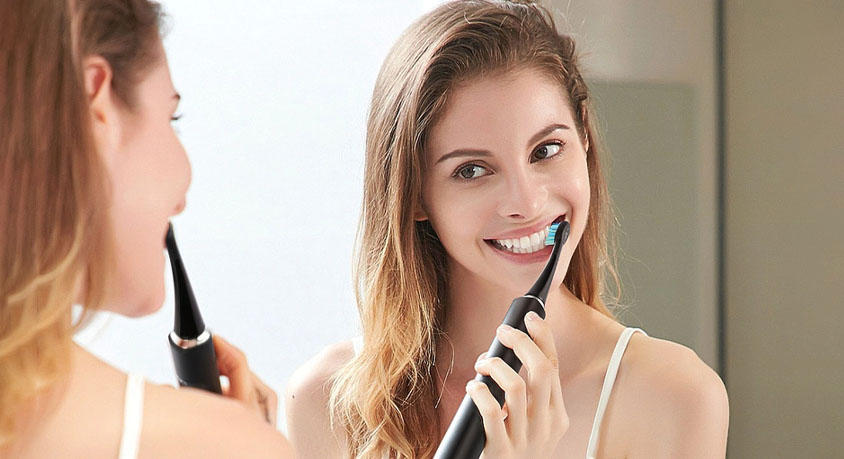
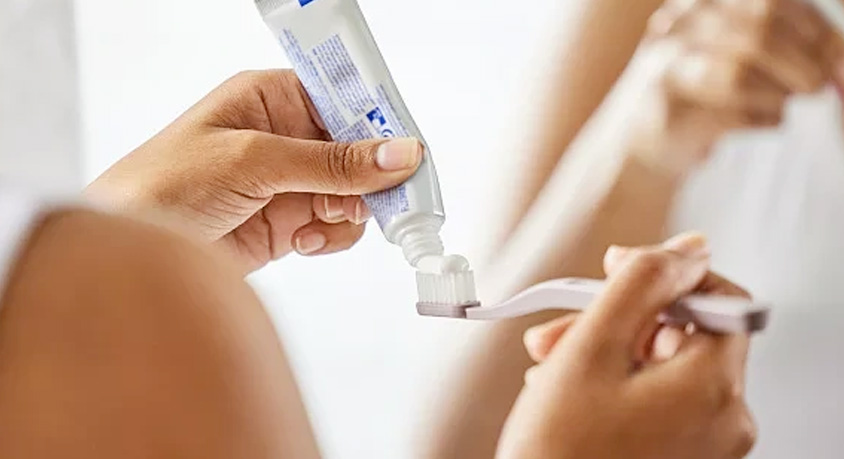
You squeeze a generous ribbon of toothpaste across your brush. It foams up instantly, filling your mouth with a thick, satisfying lather. Minty bubbles spill from your lips. You think: “Now that’s working.”
E.g. :Your Mouthwash Is Making Your Bad Breath Worse – Here’s Why Dry Mouth Backfires
- 1、The Chemical Behind the Bubbles: Sodium Lauryl Sulfate
- 2、The Irritation You Mistake for “Minty Fresh”
- 3、The False Economy of “Extra Foam”
- 4、Who Should Switch to SLS-Free Toothpaste
- 5、What to Look for in an SLS-Free Toothpaste
- 6、A One-Week Test to See If SLS Affects You
- 7、FAQs
That’s what toothpaste companies want you to believe. For decades, they’ve added extra foaming agents because consumers associate foam with cleaning power.
But here’s what the marketing won’t tell you: that foam does nothing for your teeth. And for millions of people, it’s causing daily irritation, mouth ulcers, and a false sense of cleanliness.
The Chemical Behind the Bubbles: Sodium Lauryl Sulfate
Sodium lauryl sulfate (SLS) is a detergent. It’s the same ingredient in shampoos, body washes, and household cleaners. In toothpaste, SLS lowers surface tension, creating bubbles that spread the paste around your mouth.
SLS has no antibacterial or anti-cavity properties. It does not remove plaque better than SLS-free formulas. Its only job is foam.
A 2018 study in the Journal of Dentistry compared two identical toothpastes—one with SLS, one without. Both removed the same amount of plaque. Participants rated the SLS version as “more effective” solely because of the foam. Perception, not reality.
The Irritation You Mistake for “Minty Fresh”
Many people experience a mild burning, peeling, or dry sensation after brushing. They assume it’s the mint, or just normal.
That’s SLS irritating the oral mucosa. It strips away the protective mucous layer, leaving raw tissue underneath. For people prone to canker sores (aphthous ulcers), SLS is a well-documented trigger.
A double-blind clinical trial in Oral Diseases followed 90 adults with recurrent canker sores. Those who switched to SLS-free toothpaste had 70% fewer ulcers over three months. The SLS group saw no change. The authors concluded: “SLS is a significant irritant that promotes epithelial desquamation and ulcer formation in susceptible individuals.”
The False Economy of “Extra Foam”
More foam doesn’t mean you’re brushing longer or better. In fact, excessive foam can make you spit and rinse earlier, cutting your brushing time short.
A 2020 survey in the International Journal of Dental Hygiene found that people using high-foam toothpastes brushed for an average of 45 seconds less than those using low-foam formulas. The thick lather triggered a “gagging” or “full mouth” sensation, prompting early termination.
True cleaning comes from mechanical action—bristle contact with tooth surfaces. Foam is cosmetic.
Who Should Switch to SLS-Free Toothpaste
You don’t need to avoid SLS if your mouth feels fine. But if you experience any of the following, a trial of SLS-free paste is worthwhile:
Recurrent Canker Sores
As noted above, SLS is a proven trigger. Switch for three months. Many people see their ulcer frequency drop by half or more.
Chronic Dry Mouth or Burning Sensation
SLS damages the oral mucosa’s moisture barrier. For people with already low saliva flow (due to medications or Sjögren’s syndrome), SLS worsens the dry, burning feeling.
Peeling Skin Inside Your Cheeks
If you wake up with stringy, white streaks of peeling tissue inside your cheeks, that’s desquamation from SLS. It’s not harmful, but it’s a sign of irritation.
Geographic Tongue
People with benign migratory glossitis (geographic tongue) often find that SLS triggers painful flare-ups. SLS-free pastes can reduce symptoms.
What to Look for in an SLS-Free Toothpaste
SLS-free toothpastes use alternative foaming or non-foaming agents:
- Cocamidopropyl betaine – A mild, coconut-derived cleanser. Less irritating but still creates some foam.
- Glucosides (decyl glucoside, lauryl glucoside) – Very gentle, low foam.
- No foaming agent at all – Some natural pastes use only baking soda, clay, or oils. They feel different but clean just as well.
Be aware: SLS-free does not automatically mean fluoride-free. Many excellent cavity-fighting pastes are available without SLS. Read labels carefully.
A One-Week Test to See If SLS Affects You
Stop using your current toothpaste. Buy any SLS-free paste from a drugstore or online. Brush normally for seven days.
If your mouth feels less irritated, canker sores don’t appear, or that “tight” sensation disappears, you’ve found your culprit. You can switch permanently.
If nothing changes, SLS wasn’t your problem. Return to your regular paste.
A 2019 patient survey in the British Dental Journal found that among people who tried SLS-free toothpaste for persistent mouth irritation, 63% reported significant improvement within two weeks.
FAQs
Q: Is SLS dangerous? Does it cause cancer?
A: No. SLS is not classified as a carcinogen by any major health agency. The concern about SLS and cancer comes from a single debunked study from the 1990s. SLS is safe for the general population. However, “safe” doesn’t mean “non-irritating” for sensitive individuals.
Q: Can children use SLS-free toothpaste?
A: Yes. In fact, many children’s toothpastes are SLS-free because young kids tend to swallow more paste. SLS can cause stomach upset if swallowed in large amounts. SLS-free formulas are gentler for toddlers learning to spit.
Q: If foam doesn’t clean, what should I look for in a toothpaste?
A: Two things: fluoride (1,000–1,500 ppm for adults) and low abrasivity (RDA score below 100). Foam is irrelevant. Whitening pastes are more abrasive. For most people, a basic fluoride toothpaste without SLS is the best choice.