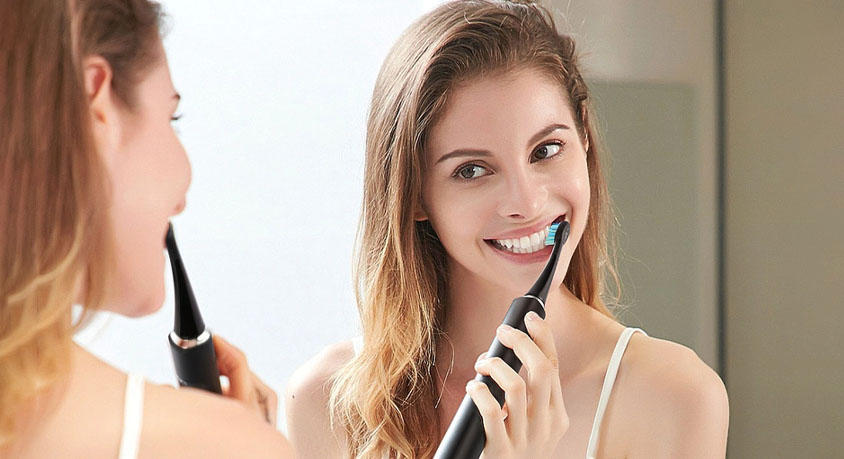
You finish breakfast—orange juice, coffee, maybe a slice of bread. You head to the bathroom, squeeze toothpaste onto your brush, and scrub away. That’s good hygiene, right?
E.g. :You Brush Horizontally – That Motion Is Carving Grooves Into Your Teeth
- 1、Why Immediate Brushing Makes Sense—But Is Often Wrong
- 2、The Sneaky Role of Breakfast and Snacks
- 3、A Better Routine: Simple and Science-Based
- 4、How to Tell If You’ve Already Damaged Your Enamel
- 5、Why Some Dentists Disagree (And What You Should Know)
- 6、FAQs
Not always. A growing body of research suggests that brushing immediately after eating can actually damage your teeth. And the foods we think are “healthy” may be the biggest culprits.
Why Immediate Brushing Makes Sense—But Is Often Wrong
The logic seems flawless: remove food particles and acid right away. But here’s what happens inside your mouth.
Many common foods and drinks—orange juice, soda, wine, even bread—lower the pH in your mouth. When pH drops below 5.5, enamel temporarily softens. Your toothbrush’s bristles, designed to clean, now act like sandpaper on softened mineral. You don’t feel it at the moment, but over weeks and months, you’re scrubbing away microscopic layers of enamel.
A study in Caries Research found that brushing within 20 minutes after an acidic drink increased enamel wear by nearly 40% compared to waiting an hour. The acid alone doesn’t destroy teeth; it’s the combination of acid + brushing that strips enamel.
The Sneaky Role of Breakfast and Snacks
Think about what you eat first in the morning. Orange juice (pH ~3.8). Coffee (pH ~5). Yogurt with fruit (pH ~4). Even a banana can briefly lower oral pH.
If you brush right after, you’re hitting softened enamel. Saliva normally neutralizes acid and remineralizes the surface, but that takes 30–60 minutes. Brushing interrupts that natural repair process.
The One Exception: Sugary or Starchy Foods
Sugar and starches feed cavity-causing bacteria, which produce acid for up to 20 minutes after eating. In this case, waiting too long allows more acid production. But even then, rinsing with water is safer than immediate brushing.
The safest approach? Rinse first, wait, then brush.
A Better Routine: Simple and Science-Based
Here’s a three-step protocol that protects enamel while keeping your mouth clean:
- After eating, rinse with water. Swish vigorously. This dilutes acid and washes away loose food.
- Wait 30–60 minutes. Drink plain water or chew sugar-free gum to stimulate saliva flow. Saliva is your mouth’s natural buffer and repair fluid.
- Then brush gently. Use a soft toothbrush and fluoride toothpaste. No scrubbing.
This simple shift—from “brush immediately” to “rinse first, wait, then brush”—can dramatically reduce enamel erosion over a lifetime.
How to Tell If You’ve Already Damaged Your Enamel
Early erosion is hard to see. But common signs include:
- Increased sensitivity to cold, sweet, or sour foods
- A shiny, smooth, or slightly yellow appearance on front teeth (thinning enamel reveals yellowish dentin underneath)
- Small dents or cupping on chewing surfaces
If you notice these, don’t panic. Enamel doesn’t grow back, but you can stop further loss. Switch to a soft brush, wait after meals, and ask your dentist about a fluoride varnish.
Why Some Dentists Disagree (And What You Should Know)
You might have heard dentists say “brush after every meal.” That advice targets cavity prevention, not erosion prevention. For people who eat non-acidic foods (like plain vegetables, cheese, meat), immediate brushing is fine. But for the average person drinking coffee, juice, soda, or wine, the risk of abrasion is real.
The consensus from a 2019 review in the Journal of Dentistry: patients at risk of erosion should delay brushing by at least 30 minutes after acidic challenges. If you’re unsure, ask your dental hygienist to check for signs of erosion.
FAQs
Q: What if I eat something very sugary, like a donut? Should I still wait?
A: Sugar feeds bacteria that produce acid. Rinse with water immediately after eating a donut, then wait 30 minutes. The waiting period allows saliva to neutralize acid and wash away some sugar. Brushing right away on softened enamel still causes abrasion. Rinsing + waiting is the safer order.
Q: Can I use an electric toothbrush if I have erosion?
A: Yes, but use a pressure sensor model or a soft brush head. Electric brushes with hard bristles or aggressive oscillating motion can worsen abrasion. Keep contact light—let the brush do the work.
Q: Is it better to brush before breakfast instead of after?
A: For many people, yes. Brushing before breakfast removes overnight bacteria and coats teeth with fluoride, which protects against the acid from your morning coffee or juice. If you brush after breakfast, wait 30 minutes. But brushing before breakfast plus a water rinse after eating is a solid alternative.