You've just meticulously navigated your morning oral hygiene ritual – brushing every surface, flossing with precision, maybe even an invigorating swish of mouthwash. You step out feeling confident, ready to face the day. Yet, an hour or two later, a subtle, unwelcome sensation arises: a faint taste, an unexpected whisper on your palate, a lingering doubt. You find yourself subtly checking, wondering, "Is my breath truly fresh, or am I just imagining things?" That persistent, low-level worry, the fleeting moments of self-consciousness in conversation, can be incredibly frustrating, leaving you feeling like your diligent efforts are somehow falling short.
E.g. :The Persistent Whisper: Why Your "Fresh Breath" Routine Might Be Hiding a Deeper Story
- 1、Beyond the Bristles: The Unseen Battleground of Your Tongue
- 2、More Than Just Plaque: The Role of Gum Health
- 3、Dry Mouth: The Overlooked Amplifier of Odor
- 4、From Gut to Sinus: Systemic Connections
- 5、Cultivating True Freshness: A Holistic Approach
- 6、FAQs
This isn't an uncommon scenario. Many people find themselves in a seemingly endless cycle of temporary freshness, despite consistent and thorough oral care. They invest time, effort, and resources into maintaining excellent dental hygiene, only to be met with the nagging suspicion that their breath isn't genuinely clean. It’s a paradox that can chip away at confidence and make social interactions feel like a subtle gamble. But what if the answer isn't about brushing harder or flossing more, but rather looking beyond the obvious to a fundamental, often overlooked aspect of oral health?
Beyond the Bristles: The Unseen Battleground of Your Tongue
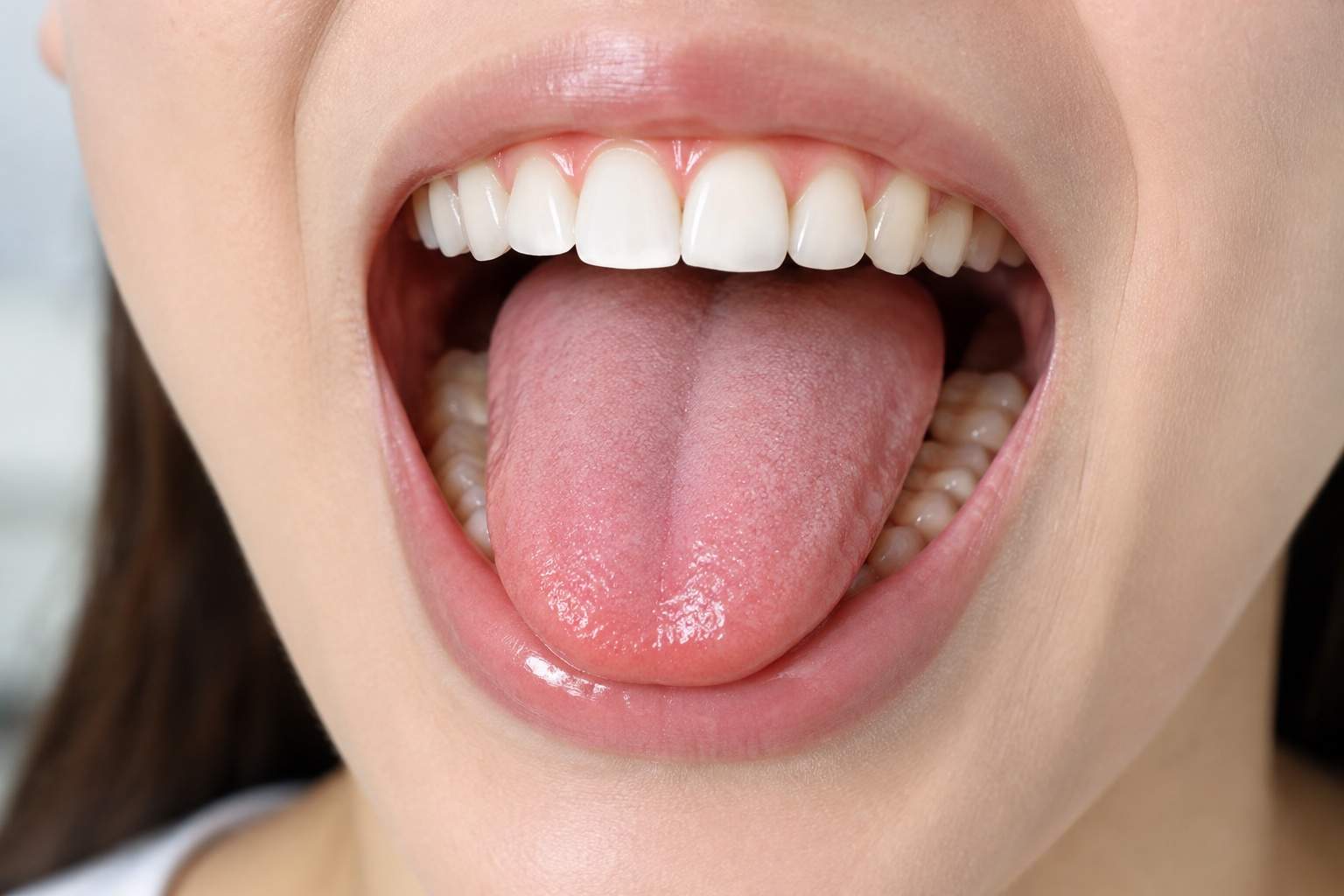
While teeth and gums are undeniably crucial, the primary culprit behind persistent, less-than-fresh breath, even after thorough brushing and flossing, often lies elsewhere: on your tongue. Dental science consistently shows that approximately 80-90% of all halitosis (bad breath) cases originate within the mouth itself, and a significant portion of this is directly attributable to bacterial activity on the dorsal (top) surface of the tongue.

The Silent Microbe Factory: What's Hiding Back There?
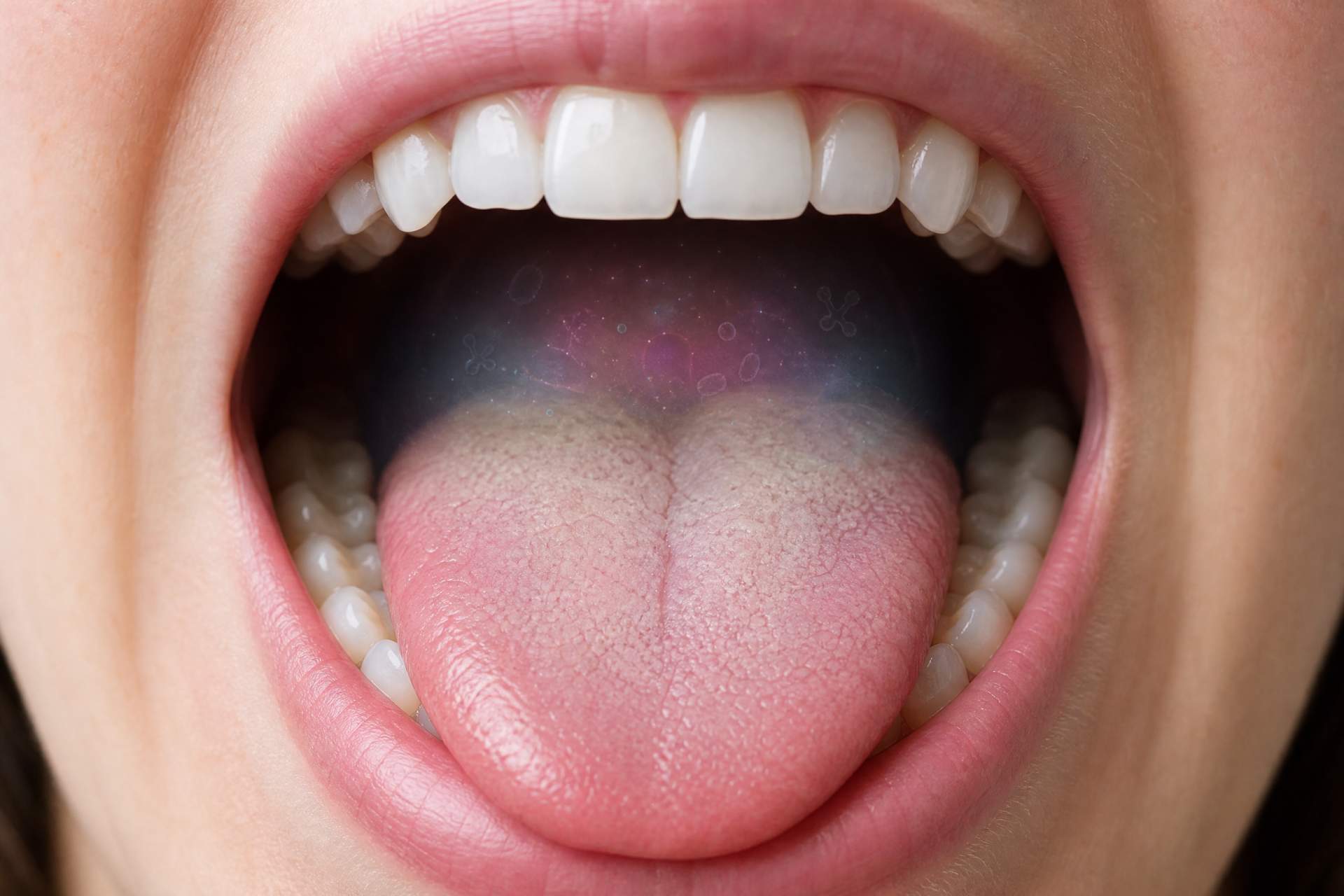
Your tongue, particularly the rougher, posterior part, is an ideal breeding ground for specific types of anaerobic bacteria. These microscopic inhabitants thrive in oxygen-poor environments and feast on food particles, dead cells, and post-nasal drip. As they break down these substances, they release volatile sulfur compounds (VSCs) – gases like hydrogen sulfide and methyl mercaptan – which are the main components of the unpleasant odors associated with bad breath. Brushing your teeth, while vital, often doesn't adequately address this thick biofilm of bacteria and debris on the tongue's surface, leaving a significant source of odor untouched. This is the simple reason why your diligent routine might miss the mark.
More Than Just Plaque: The Role of Gum Health
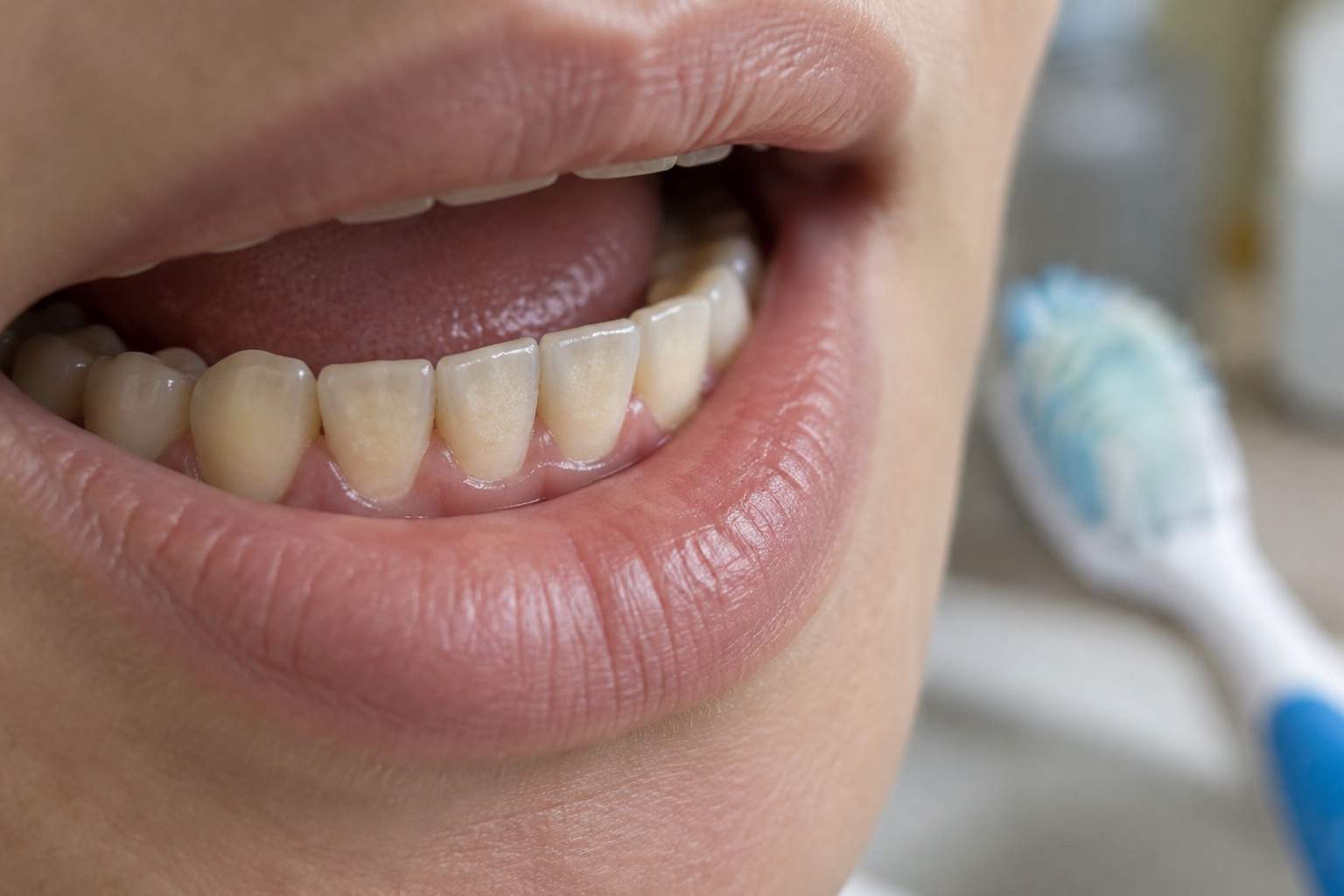
Even if you floss daily, subtle issues with your gum health can contribute to persistent bad breath. While flossing effectively removes plaque and food debris between teeth, early stages of gingivitis or more advanced periodontal disease can still harbor odor-producing bacteria deep in gum pockets. These areas, inflamed and often bleeding, create an ideal anaerobic environment for the same VSC-producing bacteria found on the tongue. Though less common than the tongue as the primary cause for seemingly "clean" mouths, it’s a factor that regular dental check-ups are designed to identify and manage.
Dry Mouth: The Overlooked Amplifier of Odor
Saliva is nature's own mouthwash, playing a vital role in rinsing away food particles, neutralizing acids, and limiting bacterial growth. When saliva production is insufficient, a condition known as xerostomia or dry mouth, the natural cleansing process is compromised. This allows bacteria to multiply unchecked, leading to an intensified production of VSCs. Dry mouth can be caused by various factors, including certain medications (antihistamines, decongestants, antidepressants), mouth breathing, dehydration, and even some systemic conditions. If you wake up with particularly bad "morning breath" or notice your mouth feels parched during the day, dry mouth could be a significant contributor to your breath concerns.
From Gut to Sinus: Systemic Connections
While most bad breath originates in the mouth, it’s important to acknowledge that occasionally, persistent halitosis can signal issues beyond the oral cavity. Conditions like chronic sinusitis, post-nasal drip, tonsil stones (small, calcified deposits that form in the crevices of the tonsils and harbor bacteria), or even, rarely, certain systemic diseases affecting the lungs, kidneys, or liver, can manifest as bad breath. These cases are less common but are why a comprehensive approach to diagnosis is sometimes necessary if direct oral hygiene improvements don't resolve the issue.
Beyond the Oral Cavity: When to Consult a Professional
If you've consistently implemented comprehensive oral hygiene, including tongue cleaning, and still find your breath problematic, it's wise to consult your dentist. They can rule out underlying dental issues, such as undiagnosed gum disease or infections, and if no oral cause is found, may suggest consulting your physician to explore potential systemic factors. This proactive step ensures that any health concerns, whether oral or otherwise, are addressed promptly and effectively.
Cultivating True Freshness: A Holistic Approach
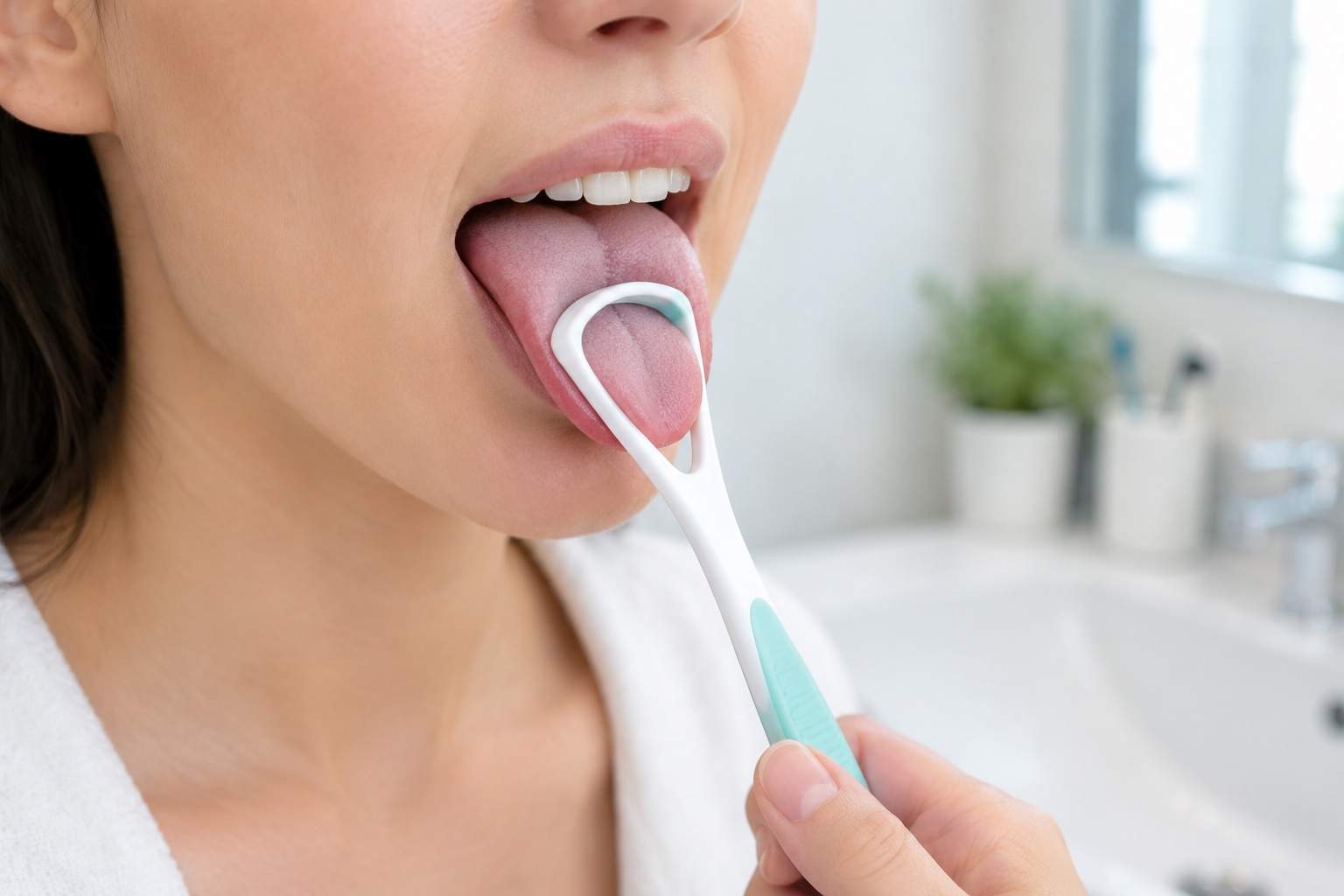
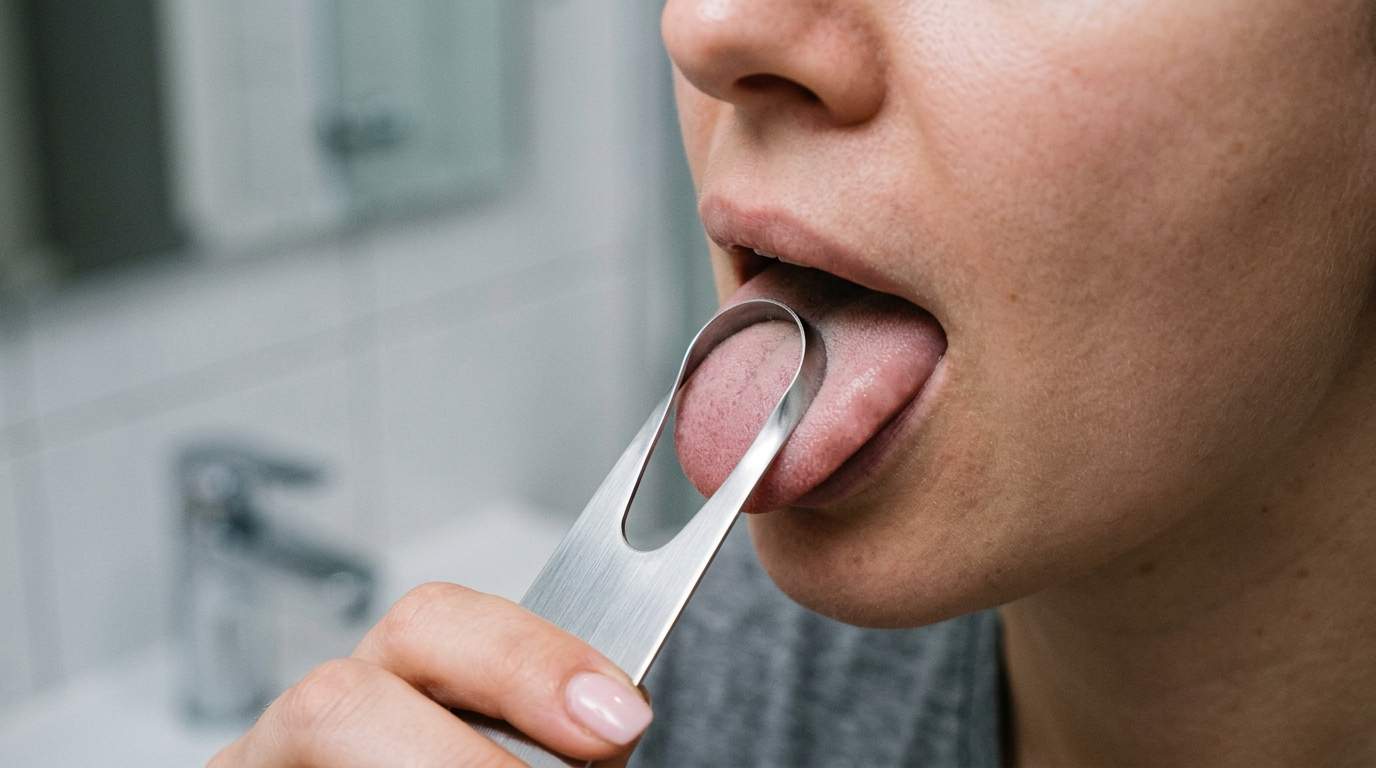
Achieving truly lasting fresh breath isn't about an isolated action, but a mindful, integrated approach. It begins with understanding that your mouth is a complex ecosystem. Incorporating tongue cleaning into your daily routine is a simple yet powerful step, often yielding immediate and noticeable improvements. Aim to use a tongue scraper once or twice a day to gently remove the bacterial biofilm. Hydration is also key; drinking plenty of water throughout the day helps maintain healthy saliva flow. Beyond that, a balanced diet, limiting strong-smelling foods, and regular dental check-ups (typically every six months) are indispensable. Your dentist can provide personalized advice, address any underlying dental conditions, and guide you towards a genuinely confident, fresh-breathed future. Taking control of your oral health means not just treating symptoms, but understanding and addressing the root causes, ensuring your efforts lead to lasting results and renewed self-assurance.
FAQs
Q: Can mouthwash truly get rid of bad breath?
A: Mouthwashes, especially antiseptic ones, can offer temporary relief by killing bacteria and masking odors. However, they are often a band-aid solution. They don't effectively remove the bacterial biofilm on the tongue, which is a major source of bad breath, and their effects typically wear off within a few hours. For lasting freshness, addressing the root causes like tongue cleaning and good oral hygiene is more effective.
Q: How often should I clean my tongue, and what's the best way to do it?
A: It's recommended to clean your tongue once or twice a day as part of your regular oral hygiene routine. The most effective way is to use a dedicated tongue scraper, designed to gently remove the bacterial coating without damaging the tongue. Start at the back of your tongue and gently pull forward, rinsing the scraper after each pass. You can also use your toothbrush, but a scraper is often more efficient at removing the film.
Q: When should I be concerned that my bad breath is a symptom of something serious?
A: If you've diligently implemented comprehensive oral hygiene practices, including daily tongue cleaning, and still experience persistent, severe bad breath that doesn't improve, it's advisable to consult your dentist or physician. While rare, persistent bad breath can sometimes be a sign of underlying medical conditions such as chronic sinus infections, tonsil stones, gastrointestinal issues, or in very infrequent cases, more serious systemic diseases affecting organs like the kidneys or liver. Your healthcare provider can help identify the cause and recommend appropriate treatment.