That familiar, sinking feeling. You wake up, perhaps you’ve already brushed twice today, gargled with a potent mouthwash, chewed a minty gum, yet still, you catch a subtle whiff, or perhaps notice someone unconsciously taking a slight step back. It’s that lingering, not-so-fresh sensation, an invisible barrier that can erode confidence and cast a shadow over social interactions. The constant worry about your breath, the quick sniff of your hand, the awkward social distances, and the frustration that despite trying every "bad breath fix" and searching for "fresh breath tips" or a "morning breath cure," that embarrassing odor just won't seem to go away. It leaves you self-conscious, wondering what the true "causes of bad breath" are, and why all your efforts seem to fall short.
E.g. :Why Dental Plaque Hardens Into Tartar
- 1、The Illusion of Freshness: Why Minty Masks Fall Short
- 2、Beyond Brushing: The Overlooked Architects of Odor
- 3、When Oral Isn't Enough: Systemic Links to Halitosis
- 4、Cultivating True Freshness: A Holistic Approach
- 5、FAQs
The Illusion of Freshness: Why Minty Masks Fall Short
It’s a common paradox: why does vigorous brushing and strong mouthwash sometimes seem to make bad breath worse instead of better? If you brush and floss regularly, isn't that enough to guarantee fresh breath, or could something else entirely be going on inside your mouth or body? The truth is, many popular "fresh breath solutions" are merely temporary masks. They aim to overwhelm the odor with a stronger, more pleasant scent, rather than addressing the root cause. This approach provides a fleeting sensation of freshness, often leaving the underlying problem to fester, sometimes even exacerbating it by disrupting the mouth's natural balance.
Understanding the Root of the Odor: Volatile Sulfur Compounds
The primary culprits behind most cases of bad breath, clinically known as halitosis, are volatile sulfur compounds (VSCs). These are gases like hydrogen sulfide and methyl mercaptan, produced by anaerobic bacteria thriving in your mouth, particularly on the back of your tongue and in between your teeth. These bacteria feast on food particles, dead cells, and other debris, breaking them down and releasing these foul-smelling gases. Research consistently shows that up to 90% of halitosis cases originate from within the oral cavity itself, with the tongue being a major reservoir for these odor-producing microbes, according to studies published in dental journals. Strong mouthwashes, especially those containing alcohol, can dry out the mouth, paradoxically creating an even more favorable environment for these anaerobic bacteria, as saliva is crucial for flushing them away.
Beyond Brushing: The Overlooked Architects of Odor
While brushing and flossing are foundational, they often don't target all the areas where odor-causing bacteria hide. The assumption that simply brushing and flossing guarantees fresh breath is a pervasive myth that needs challenging. Your oral cavity is a complex ecosystem, and a truly comprehensive approach looks beyond just your teeth.

The Tongue's Hidden Role in Halitosis
Consider your tongue. Its rough surface, covered in papillae, is an ideal breeding ground for bacteria and trapped food debris. Brushing your teeth alone bypasses this critical area. If you've ever noticed a persistent metallic taste or a fuzzy coating on your tongue, it could be a warning sign of a significant bacterial biofilm accumulation. A study published in the Journal of Periodontology highlighted the tongue's contribution to oral malodor, emphasizing that effective tongue cleaning can significantly reduce VSCs. This is why a dedicated tongue scraper, rather than just your toothbrush, is an indispensable tool for truly fresh breath.
Gum Health and Persistent Bad Breath
Another critical, often underestimated, factor is gum health. Periodontal diseases, ranging from gingivitis to periodontitis, involve inflammation and infection of the gums. Pockets form between the teeth and gums, creating oxygen-deprived sanctuaries where anaerobic bacteria flourish, producing VSCs in abundance. The bleeding gums, the inflammation, and the deep bacterial colonies all contribute to a distinctly unpleasant odor that even the strongest mint can't mask. Ignoring these signs and symptoms can lead to worsening breath and, more critically, to irreversible damage to your oral health. This isn't just about aesthetics; it's about the fundamental integrity of your mouth.
When Oral Isn't Enough: Systemic Links to Halitosis
While the vast majority of bad breath originates in the mouth, sometimes the answer lies elsewhere in the body. It’s a disheartening realization when your diligent oral hygiene still doesn't yield results, leading you to wonder if something deeper is at play. And indeed, sometimes it is.
Conditions affecting the respiratory system, such as sinus infections, tonsil stones, or even post-nasal drip, can release foul-smelling compounds that contribute to bad breath. Similarly, digestive issues, certain liver or kidney diseases, or even uncontrolled diabetes can manifest as distinct odors on the breath, each with its own characteristic scent. For example, a fruity odor can be a sign of diabetic ketoacidosis, while a fishy smell may indicate kidney problems. Medications that cause dry mouth (xerostomia) also significantly contribute to halitosis, as saliva acts as a natural cleanser. Recognizing these potential systemic links is crucial, as they necessitate a medical, not just a dental, intervention.
Cultivating True Freshness: A Holistic Approach
Achieving lasting fresh breath requires moving "beyond minty masks" and adopting a comprehensive strategy that tackles the underlying causes. It’s about understanding the intricate dance of bacteria, saliva, and systemic health.
The core principles involve:
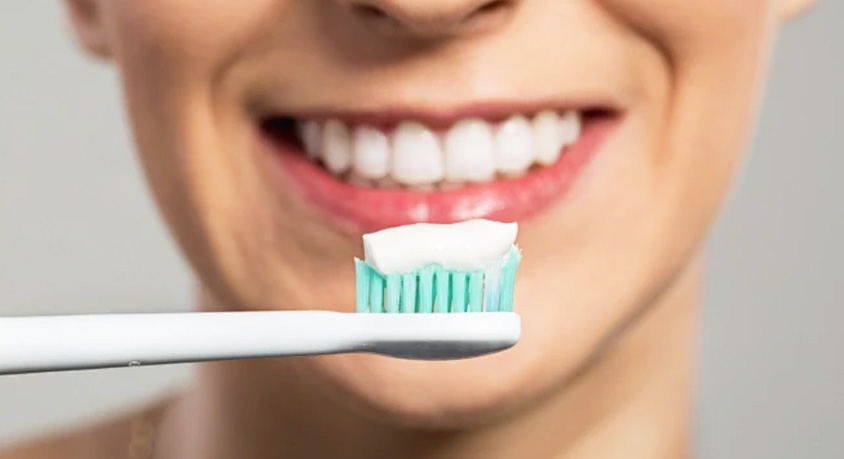
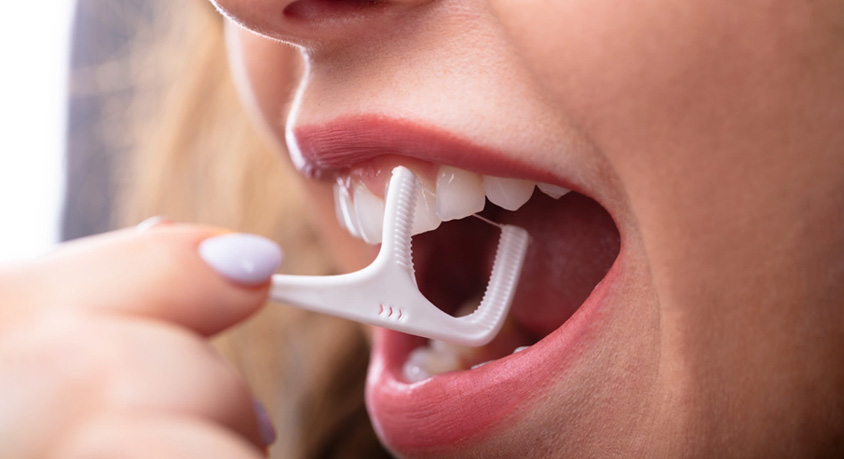
- Thorough Oral Hygiene: This means brushing twice daily for two minutes with fluoride toothpaste, and crucially, flossing daily to remove plaque and food particles from between teeth and under the gumline.
- Tongue Cleaning: Incorporate a tongue scraper into your daily routine. Gently scrape from back to front several times to remove the bacterial film.
- Hydration: Drink plenty of water throughout the day. Water helps stimulate saliva production, which naturally cleanses the mouth and neutralizes acids.
- Dietary Awareness: Limit sugary and highly processed foods, which feed odor-producing bacteria. Opt for crunchy fruits and vegetables that can help clean teeth naturally.
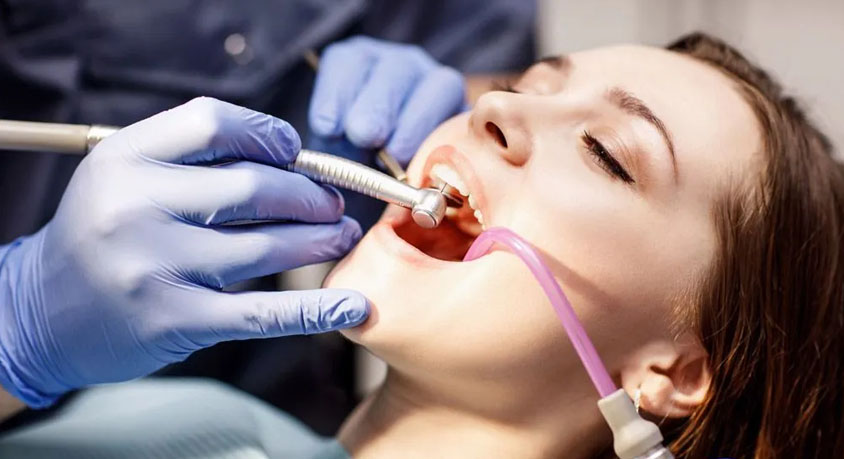
- Regular Dental Check-ups: These are not just for cavities. Your dentist can identify early signs of gum disease, assess tongue coating, and recommend specific treatments or products tailored to your needs.
The Power of Professional Guidance
You're not alone in this struggle. Many people feel self-conscious and frustrated by persistent bad breath. The most effective "bad breath cure" often begins with a professional diagnosis. A dentist or periodontist can pinpoint the exact cause of your halitosis, whether it's poor oral hygiene, gum disease, or even suggest when a referral to a medical doctor might be necessary for systemic issues. They can offer deep cleaning, prescribe specialized mouthwashes, or provide specific advice that generic "fresh breath tips" simply cannot. It takes courage to address this personal concern, but remember, seeking professional help is a proactive step towards not only a fresher breath but also improved overall health and renewed confidence.