You brush your teeth before bed, running your tongue across the back of your lower front teeth. Something feels rough. Hard. Like tiny pebbles glued to your enamel.
E.g. :Your Mouthwash Is Making Your Bad Breath Worse – Here’s Why Dry Mouth Backfires
- 1、The Hard Truth: Soft Plaque Turns Into Rock In 48 Hours
- 2、Why Your Toothbrush Can’t Touch Tartar
- 3、The Dangerous DIY Trend: Why People Try It—And What Happens Next
- 4、What Professional Scaling Actually Does (And Doesn’t Do)
- 5、How to Prevent Tartar Before It Forms (Because Removal Is Always Secondary)
- 6、FAQs
You look in the mirror with your phone’s flashlight. There they are: yellowish-brown crusty deposits near the gumline. You try scraping with a fingernail. Nothing.
The thought crosses your mind: maybe you can buy a dental scaling tool online and chip it off yourself.
Please don’t. That urge to DIY your tartar removal is understandable—but it’s one of the fastest ways to permanently damage your teeth.
The Hard Truth: Soft Plaque Turns Into Rock In 48 Hours
Dental plaque is a sticky, colorless film of bacteria that forms on your teeth constantly. You can remove it with brushing and flossing. But if you miss a spot for just 48 hours, something irreversible begins.
Bacteria in plaque absorb calcium and phosphate from your saliva. These minerals crystallize, turning the soft biofilm into hardened calculus—what you call tartar. Within 10–14 days, that deposit becomes as hard as cement.
A 2017 study in the Journal of Clinical Periodontology tracked plaque mineralization in real time. After two days without cleaning, 82% of participants had detectable tartar formation, primarily on the lingual surfaces of lower front teeth (where salivary ducts empty).
Once tartar forms, your toothbrush bristles slide right over it. It’s not sticky anymore—it’s solid mineral attached to your enamel.
Why Your Toothbrush Can’t Touch Tartar
Think of tartar as barnacles on a ship. Barnacles don’t scrub off. They need to be chipped or ground away.
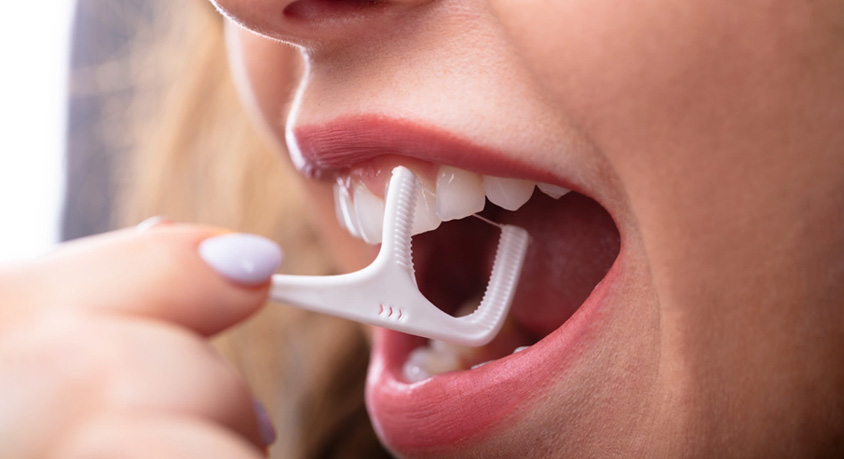
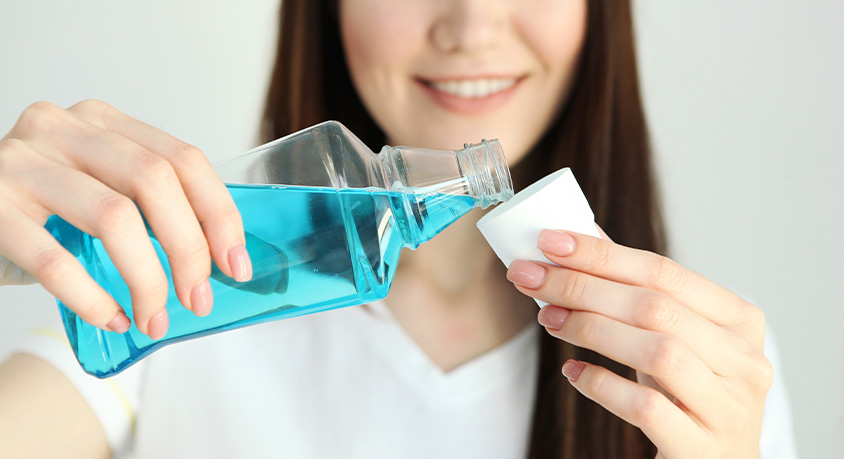
Your toothbrush is designed to remove soft plaque before it hardens. It has no effect on already-mineralized calculus. The same goes for floss, mouthwash, and water flossers. None of them dissolve or dislodge tartar.
This is not a failure of your oral hygiene routine. It’s basic chemistry. Once calcium phosphate crystals bind to your enamel, mechanical disruption requires sharp metal instruments and professional training.

The Dangerous DIY Trend: Why People Try It—And What Happens Next
Search for “tartar removal” online, and you’ll find videos of people scraping their own teeth with metal picks, cuticle nippers, even safety pins. Millions of views.
Why Do People Do It?
Two reasons: cost and immediate gratification. A professional cleaning might cost $100–300. A scaler online costs $5. Plus, scraping off a visible chunk feels productive.
What Happens When You Try
Here’s what dentists see in emergency visits after DIY scaling:
- Gouged enamel. You can’t see the difference between tartar (hard) and enamel (also hard). One slip, and you scrape a permanent groove into your tooth surface. Enamel does not grow back.
- Damaged gums. Metal picks lacerate delicate gum tissue, causing bleeding, pain, and infection risk.
- Created food traps. Rough scratches from DIY tools become new plaque magnets, accelerating future tartar formation.
- Loosened teeth. Aggressive prying on tartar deposits that are attached below the gumline can detach ligament fibers.
A 2020 case series in the British Dental Journal described 12 patients who attempted home scaling. Eight had irreversible enamel damage. Three needed fillings to repair gouges. Two developed localized periodontitis from infected gum tears.
What Professional Scaling Actually Does (And Doesn’t Do)
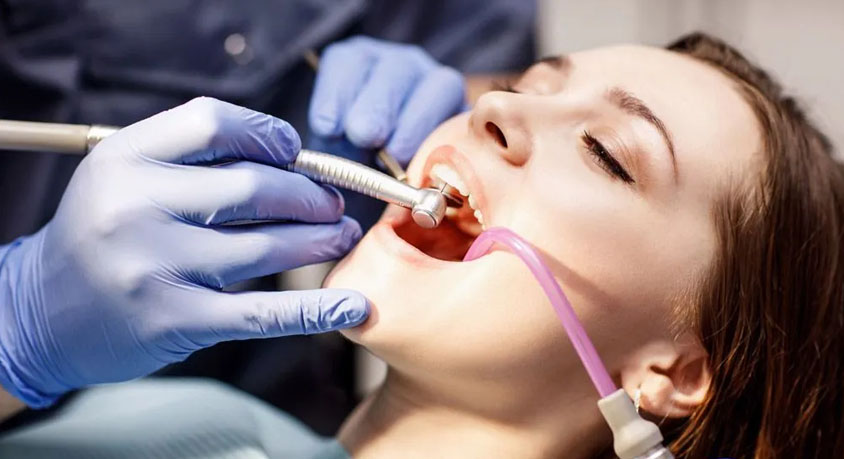
A dental hygienist uses two tools: an ultrasonic scaler (vibrating metal tip with water spray) and hand curettes (curved, blunt-edged instruments).
The ultrasonic scaler vibrates at 25,000–30,000 cycles per second. That vibration shatters the calculus bond without gouging enamel—when used at the correct angle with light pressure. The water flushes away debris and cools the tooth.
Hand curettes have rounded tips designed to slide along root surfaces without cutting tissue. Hygienists train for hundreds of hours to feel the difference between calculus and tooth structure.
Professional scaling does not whiten your teeth. It does not smooth rough spots permanently. And it does not prevent future tartar—it only removes what’s already there.
How to Prevent Tartar Before It Forms (Because Removal Is Always Secondary)
Prevention is not about “stronger brushing.” It’s about interrupting the 48-hour window before plaque hardens.
Clean Between Teeth Daily
Plaque in the tight spaces between teeth is the first to mineralize. An interdental brush (not floss, for most people) removes biofilm from these areas with 60% greater efficacy than floss, according to a 2019 meta-analysis in the Journal of Dental Hygiene.
Use a Fluoride Toothpaste with Pyrophosphate
Some anti-tartar toothpastes contain pyrophosphate, a chemical that interferes with calcium crystal growth on tooth surfaces. It doesn’t remove existing tartar, but it slows new formation by up to 35%.
Reconsider Your Electric Toothbrush
High-frequency sonic brushes disrupt plaque biofilms more effectively than manual brushing, especially along the gumline where tartar starts. Look for a model with a timer (two minutes) and a pressure sensor.
Get a Professional Cleaning Every Six Months
Even perfect brushers develop some tartar, especially near salivary ducts. A six-month interval prevents that thin layer from thickening into heavy deposits that require aggressive scraping.
A 2021 longitudinal study in the Journal of the American Dental Association followed adults who received regular six-month cleanings. Those who added daily interdental brushing had 73% less new tartar over two years compared to baseline.
FAQs
Q: Can tartar cause bad breath even if I brush well?
A: Yes. Tartar is rough and porous. It traps additional bacteria and food debris on its surface, creating a chronic source of volatile sulfur compounds (rotten-egg smell). Removing tartar professionally is often the single most effective intervention for persistent breath odor that survives brushing.
Q: Is it safe to use a water flosser on existing tartar?
A: A water flosser cannot remove hardened tartar. However, it can flush out loose debris around tartar deposits, reducing gum inflammation. It is safe to use. Do not aim directly at the gumline at maximum pressure, as the water jet can sometimes inflame already irritated gums.
Q: Are there any home remedies that dissolve tartar?
A: No. Vinegar, lemon juice, or baking soda will not dissolve calculus—they will only erode your enamel. The pH of vinegar (2.5) is low enough to soften enamel, but it takes hours of exposure to affect tartar. During those hours, your enamel suffers irreversible damage. No home substance selectively removes tartar without harming teeth.