You glance in the mirror and notice your front teeth look flatter than they used to. The edges seem almost transparent. You shrug—maybe it’s just aging.
E.g. :A Full Brush of Toothpaste Is Wasting Product – Pea-Sized Is All You Need
- 1、You Might Clench Without Ever Knowing It
- 2、The Acid-Softening Effect That Prepares Your Teeth for Disaster
- 3、When Force Meets Weakness: The Perfect Erosion-Abrasion Storm
- 4、The “Normal Aging” Trap That Costs You Thousands
- 5、A Two-Pronged Defense Against Tooth Wear
- 6、FAQs
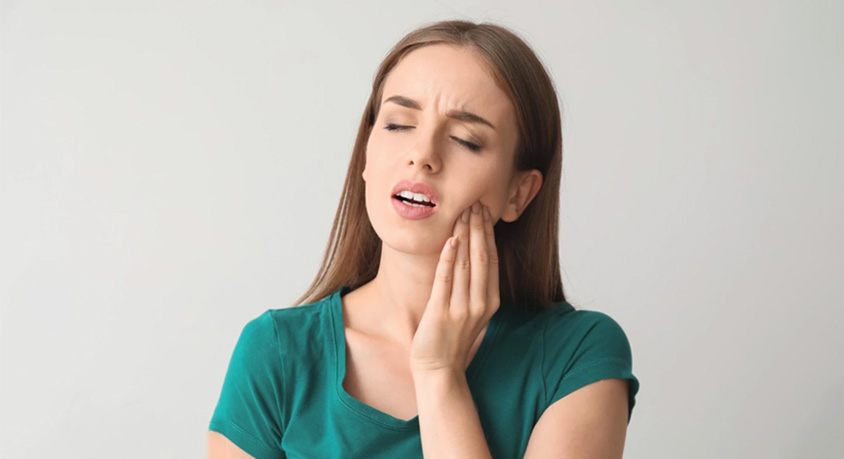
Then you take a sip of iced tea and feel a strange, dull ache along your incisors. No cavities. No bleeding gums. What’s going on?
Your teeth aren’t shrinking from old age. They’re being worn down by two daily habits you’d never suspect are working together: grinding at night and the “healthy” drinks you sip all afternoon.
You Might Clench Without Ever Knowing It
Most people think bruxism means loud grinding sounds at night. But the vast majority of tooth wear comes from silent clenching—biting together with intense force for seconds or minutes while you sleep, drive, or stare at a screen.
A 2020 review in the Journal of Oral Rehabilitation found that up to 31% of adults have sleep bruxism, but fewer than 10% are aware of it. The problem? Clenching generates enormous pressure. Your jaw muscles can exert over 250 pounds of force per square inch on your molars. That’s enough to flex your teeth at the microscopic level.
Over years, this flexing causes tiny cracks at the tooth neck (near the gumline). Those cracks widen, and pieces of enamel chip away. Your teeth don’t get shorter all at once—they get shorter millimeter by millimeter.
The Acid-Softening Effect That Prepares Your Teeth for Disaster
Here’s where most people go wrong. They think grinding alone ruins teeth. But healthy enamel is remarkably tough. Grinding on dry, strong enamel causes some wear, but it’s slow.
Acid changes everything.
Every time you drink soda, sparkling water with lime, lemonade, orange juice, or even kombucha, the pH in your mouth drops below 5.5 for 20–30 minutes. Acid doesn’t just dissolve enamel—it softens the mineral structure at the surface. Softened enamel is like wet chalk. When you then clench or grind, even gently, that softened surface erodes away in microscopic sheets.
A landmark study in Caries Research demonstrated that combining acid exposure with mechanical abrasion increased enamel loss by over 400% compared to either factor alone.
When Force Meets Weakness: The Perfect Erosion-Abrasion Storm
Think of your teeth as bricks. Acid weakens the mortar between bricks. Clenching acts as a jackhammer. Alone, neither collapses the wall quickly. Together, they accelerate destruction dramatically.
This explains why two people with the same grinding habit can have completely different levels of tooth wear. The person who sips diet soda all day has constantly softened enamel. The person who drinks only water between meals gives their saliva time to re-harden the enamel surface before the next clenching episode.
The Cervical Lesion Clue
Look closely at your teeth near the gumline. Do you see small, scooped-out notches? Dentists call these non-carious cervical lesions. For decades, they were blamed on aggressive brushing. But modern research, including a 2016 study in the Journal of Dentistry, shows that the primary cause is flexure from clenching combined with acid softening. Brushing only worsens the notch after it’s already started.
The “Normal Aging” Trap That Costs You Thousands
Many people accept shorter, yellower teeth as inevitable. They’re not. Age-related wear should be minimal (less than 0.1mm per decade) in a healthy mouth without bruxism or acid exposure.
When enamel gets thin, dentin (the darker, softer layer underneath) becomes visible. That’s why worn teeth look yellowish. And once dentin is exposed, sensitivity to cold, heat, and sweets skyrockets. By the time you notice, you may need fillings, crowns, or even root canals.
The tragedy is that this is almost entirely preventable. You don’t need expensive treatment. You need to break the acid-grind cycle.
A Two-Pronged Defense Against Tooth Wear
Prong One: Neutralize the Acid Attacks
- Stop sipping. Drink acidic beverages in one sitting (under 15 minutes), then rinse with water.
- Wait at least 30 minutes after any acidic drink before brushing. Brushing softened enamel accelerates wear.
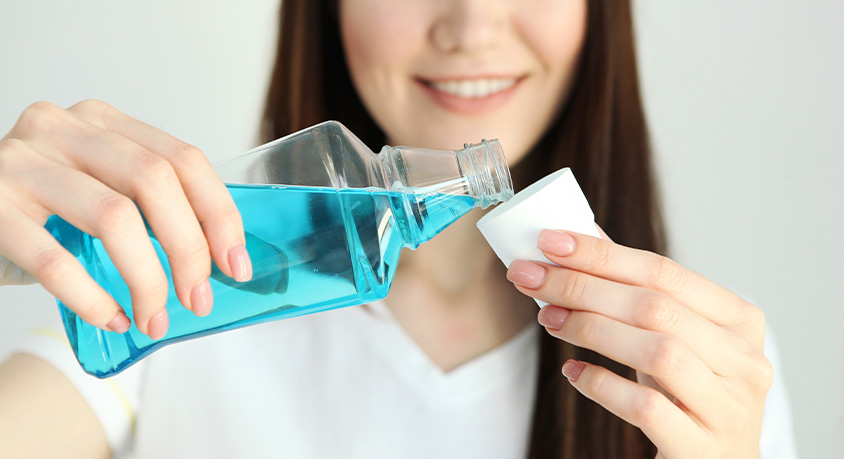
- Use a fluoride rinse at night. Fluoride makes enamel more resistant to both acid softening and mechanical wear.
Prong Two: Reduce Grinding Force
- Ask your dentist about a custom night guard. Over-the-counter boil-and-bite guards can actually worsen clenching for some people.
- Practice daytime awareness. Many people clench while driving, reading, or working on a computer. Place a sticky note on your monitor: “Lips together, teeth apart.”
- Reduce stress before bed—gentle jaw stretches, warm compress, or magnesium glycinate supplements (evidence is modest but harmless).
A 2021 clinical study in the Journal of Prosthetic Dentistry followed adults with moderate tooth wear due to combined bruxism and acidic diet. After switching to a “no sipping” rule, using a fluoride rinse, and wearing a properly fitted night guard, 89% showed no further measurable wear after 12 months.
FAQs
Q: Is sparkling water really acidic enough to soften enamel?
A: Plain sparkling water has a pH around 4.5–5.0, which is below the 5.5 threshold. It does soften enamel slightly, but far less than soda (pH 3.0) or lemon water (pH 2.8). The bigger risk is flavored sparkling water with citric acid. If you drink sparkling water, finish it in one sitting, don’t sip for hours.
Q: Can a night guard stop existing tooth wear completely?
A: A night guard prevents further wear from grinding, but it cannot reverse enamel loss. If you still consume acidic drinks, the softened enamel can still be worn down by the guard’s surface friction. You must address acid exposure too. A guard alone is not enough for people who sip soda or juice.
Q: My dentist said my tooth notches are from brushing too hard. Should I switch to a power toothbrush?
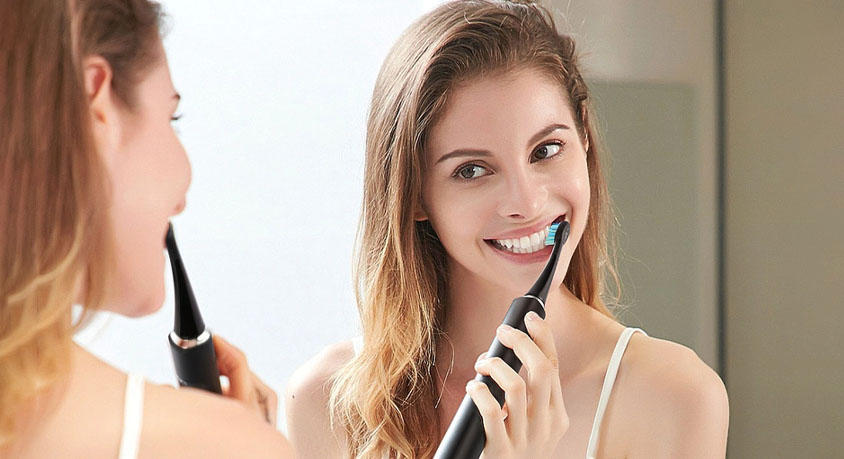
A: Brushing can worsen existing notches, but it rarely initiates them. The primary cause is usually flexure from clenching. Switch to an extra-soft brush and avoid scrubbing side-to-side. An electric brush with a pressure sensor can help—but also ask your dentist to evaluate you for bruxism. If you only change your brushing but keep grinding and sipping acid, the notches will continue to deepen.