You made the switch six months ago. No more “chemicals.” Just baking soda, coconut oil, charcoal, or a trendy fluoride-free paste. Your mouth feels clean, your teeth look whiter, and you feel good about your choice.
E.g. :Your Mouthwash Is Making Your Bad Breath Worse – Here’s Why Dry Mouth Backfires
- 1、The Cavity Process: What Actually Happens Inside Your Mouth
- 2、Fluoride’s Job: Tilting the Battle in Your Favor
- 3、The “Natural Toothpaste” Problem: What’s Missing
- 4、The Fear of Fluoride: Where It Comes From and Why It’s Misplaced
- 5、A Safer Path: Fluoride Without Fear
- 6、FAQs
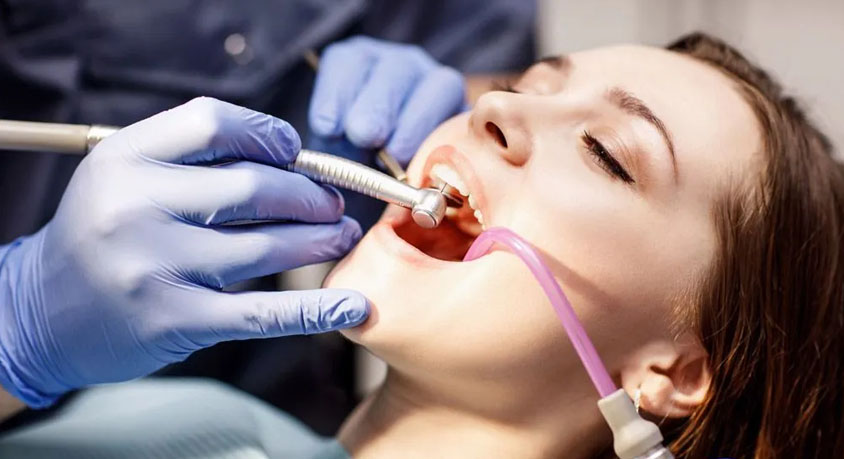
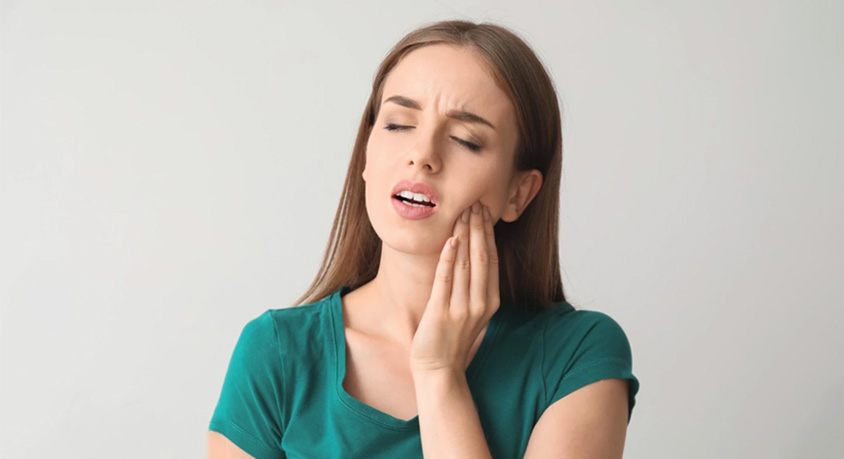
Then at your dental checkup, the hygienist clicks her tongue. Three new cavities. One of them deep.
You’re confused. You brush twice a day. You eat well. How is this happening?
The uncomfortable answer is that many “natural” toothpastes simply don’t prevent decay. And the ingredient they remove—fluoride—is the single most researched, effective tool we have for stopping cavities. Here’s why your teeth are paying the price.
The Cavity Process: What Actually Happens Inside Your Mouth
Before we talk about toothpaste, let’s walk through how a cavity forms. Your mouth is full of bacteria, especially Streptococcus mutans. Every time you eat sugar or refined carbs, these bacteria produce acid. That acid dissolves the calcium and phosphate minerals in your enamel—a process called demineralization.
Your saliva fights back. It contains calcium, phosphate, and bicarbonate. It slowly repairs the microscopic damage through remineralization. This battle happens every single day.
A cavity appears when demineralization outpaces remineralization for weeks or months. The enamel surface collapses, creating a hole. Once that hole reaches the dentin, decay speeds up, and you need a filling.
Fluoride’s Job: Tilting the Battle in Your Favor
Fluoride doesn’t “poison” bacteria or “coat” your teeth like plastic. Here’s what it actually does at the molecular level:
When fluoride is present in your saliva, it gets incorporated into the enamel surface. It transforms the mineral hydroxyapatite into fluorapatite. Fluorapatite is much more resistant to acid—up to ten times more, according to a 2017 study in the Journal of Dental Research.
Even more important, fluoride supercharges remineralization. When early decay starts, fluoride attracts calcium and phosphate to the damaged spot and helps rebuild a harder, more acid-resistant surface.
A 2019 Cochrane review (the gold standard in evidence synthesis) analyzed over 95 studies and concluded that fluoride toothpaste reduces cavities by 24% in adults and children. No other ingredient—not xylitol, not hydroxyapatite, not arginine—has this level of consistent, long-term evidence.
The “Natural Toothpaste” Problem: What’s Missing
Many fluoride-free toothpastes clean your teeth. They remove plaque, polish surfaces, and leave a fresh taste. Some contain baking soda (mildly antibacterial) or xylitol (reduces bacterial adhesion).
But none of them remineralize enamel. None of them create fluorapatite.
A 2021 laboratory study in Caries Research tested 15 fluoride-free “natural” toothpastes against a standard fluoride paste. After a two-week simulated brushing and acid challenge, the fluoride-free products showed zero remineralization. Some actually caused net mineral loss due to their abrasive content.
This matches real-world outcomes. A longitudinal study of 2,800 adults found that those using fluoride-free toothpaste for more than six months had three times the cavity risk of those using fluoride paste—even with identical brushing frequency.
The Fear of Fluoride: Where It Comes From and Why It’s Misplaced
You’ve heard the warnings: fluoride is a toxin. It causes fluorosis (white spots on teeth). It might affect the brain.
Let’s separate dose from danger.
Fluorosis occurs only when young children swallow large amounts of fluoride while teeth are still forming (under age 8). The typical cause is swallowing toothpaste or taking unregulated fluoride supplements. For adults, swallowing fluoride from toothpaste in normal amounts (a pea-sized blob, spit out after brushing) poses no fluorosis risk.
As for systemic toxicity: The lethal dose of fluoride for a 70kg adult is about 5 grams. A full tube of toothpaste contains about 0.5 grams. You would need to swallow ten entire tubes at once to reach dangerous levels. The tiny amount that remains in your mouth after spitting is measured in milligrams.
A 2022 review by the National Toxicology Program (US) found no consistent link between fluoride exposure at recommended levels and lower IQ. The concerns come from studies in high-fluoride regions of China with naturally contaminated water (up to 10 times the recommended level). Those conditions do not resemble using fluoride toothpaste twice a day.
A Safer Path: Fluoride Without Fear
If you still want to minimize fluoride exposure but protect your teeth, here’s a balanced approach:
Use a Low-Dose Fluoride Toothpaste
Children’s fluoride pastes have 500–600 ppm (parts per million). Adult pastes have 1,000–1,500 ppm. Start with a children’s formula if you’re nervous. It still offers significant protection.
Don’t Rinse After Brushing
Most people brush, spit, then immediately rinse with water. This washes away most of the fluoride. Instead, spit excess paste and wait 20–30 minutes before eating or drinking. Let the fluoride sit on your teeth.
Use Fluoride Mouthwash at a Different Time
If you want extra protection, use a fluoride mouthwash at lunchtime or before bed—separate from brushing. This gives you a second daily exposure without overloading.
Get Professional Fluoride Varnish Twice a Year
Your dentist can apply a high-concentration fluoride varnish (20,000+ ppm) that hardens on your teeth in seconds. Most of it stays on the enamel and is not swallowed. This is especially helpful if you prefer fluoride-free paste for daily use.
A 2020 study in Community Dentistry and Oral Epidemiology followed adults who switched from fluoride-free paste to low-fluoride paste (550 ppm) plus bi-annual varnish. After one year, their cavity rate dropped by 58%, matching the protection of standard high-fluoride paste.
FAQs
Q: Is hydroxyapatite toothpaste a good alternative to fluoride?
A: Hydroxyapatite is a naturally occurring calcium mineral. Some studies show it can remineralize early decay, but the evidence is far less robust than for fluoride. A 2019 trial found it performed roughly equal to 500 ppm fluoride—not the standard 1,000–1,500 ppm. It’s a reasonable choice for someone with very low cavity risk, but not for anyone with a history of decay.
Q: Can I get enough fluoride from drinking water?
A: Yes, but only if your water is fluoridated (about 0.7 ppm). In fluoridated communities, water reduces cavities by about 25%—the same as toothpaste. But water alone does not provide the topical, concentrated exposure that toothpaste does. The combination of fluoridated water + fluoride toothpaste gives the best protection. If your water is not fluoridated (most of Europe, many US cities have stopped), toothpaste becomes even more critical.
Q: What about charcoal toothpaste? Is it safe?
A: Charcoal toothpaste is highly abrasive. A 2017 study in the British Dental Journal found that many charcoal pastes exceeded safe abrasivity limits for daily use. Over time, they wear away enamel and expose dentin, causing sensitivity and increasing cavity risk. Dentists generally recommend avoiding charcoal-based toothpastes entirely.