You wake up with a parched throat. Your tongue feels like sandpaper. You reach for water immediately.
E.g. :Does Teeth Cleaning Widen Gaps – Tartar Removal Reveals What Was Hidden
- 1、What Happens Inside a Dry Mouth at Night
- 2、The Cavity Connection You Never Made
- 3、Beyond Cavities: Gum Disease and Bad Breath
- 4、Why You Can’t Just “Drink More Water” During the Day
- 5、A Four-Step Nighttime Protocol for Mouth Breathers
- 6、When to See a Doctor or Dentist
- 7、FAQs
You assume you were snoring. Or maybe you didn’t drink enough before bed.
But here’s what you probably never connected: that dry mouth from sleeping with your mouth open is actively rotting your teeth. And no amount of morning brushing fully fixes the damage done while you slept.
What Happens Inside a Dry Mouth at Night
Saliva isn’t just for swallowing. It’s your mouth’s natural cleaning system. It washes away food debris, neutralizes bacterial acid, and delivers calcium and phosphate to repair enamel.
During the day, you produce about 1–1.5 liters of saliva. At night, production naturally slows. But if you sleep with your mouth open, air flows directly over your oral tissues, evaporating the thin protective film of saliva that remains.
Within 20 minutes of mouth breathing, your oral pH begins to drop. Within an hour, your mouth becomes a desert.
Bacteria love this. Without saliva to wash them away, they multiply rapidly. And they produce acid all night long.
The Cavity Connection You Never Made
Most people think cavities come from sugar and poor brushing. Those are triggers. But the underlying condition is often a dry environment.
A 2019 study in the Journal of Dental Research followed 1,200 adults over two years. Those who reported chronic mouth breathing at night had 2.4 times more new cavities than nose breathers—even with identical brushing and flossing habits.
Why? Because saliva contains histatins and lysozymes—natural antimicrobial proteins. Without them, cavity-causing Streptococcus mutans colonies explode. And without salivary flow to buffer acid, the pH in your mouth stays below the critical level (5.5) for hours.
That’s continuous demineralization while you sleep.

Beyond Cavities: Gum Disease and Bad Breath
Mouth breathing doesn’t just harm teeth. It damages gums and fuels halitosis.
Dry gums become inflamed more easily. The tissue shrinks, exposing root surfaces. Bacteria that cause periodontis thrive in low-oxygen, dry environments. A 2017 study in the Journal of Clinical Periodontology found that chronic mouth breathers had three times the rate of gum recession on front teeth compared to nose breathers.
And bad breath? The compounds responsible for morning breath (volatile sulfur compounds) are produced by anaerobic bacteria. These bacteria explode when saliva isn’t there to inhibit them. Mouth breathers consistently have higher VSC levels than nose breathers, even after brushing.
Why You Can’t Just “Drink More Water” During the Day
Hydration during the day doesn’t prevent dry mouth at night. Saliva production is controlled by your nervous system, not your water intake. You can drink two liters of water and still wake up with a desert mouth if you breathe through your mouth for eight hours.
The problem is anatomical or habitual: nasal congestion from allergies, a deviated septum, enlarged turbinates, or simply a learned habit of keeping your lips apart while sleeping.
A Four-Step Nighttime Protocol for Mouth Breathers
You don’t need surgery or expensive devices for most cases. Here’s a progressive approach:
1. Clear Nasal Passages Before Bed
Use a saline spray or a neti pot to flush out allergens and mucus. If allergies are chronic, consider a non-drowsy antihistamine (consult your doctor). Humidify your bedroom—dry air worsens nasal crusting and encourages mouth breathing.
2. Try Nasal Strips
External nasal strips (like Breathe Right) physically open nasal valves. A 2020 trial in Sleep and Breathing found that nasal strips reduced self-reported mouth breathing by 60% in people with mild nasal obstruction.
3. Train Your Tongue Position
During waking hours, practice resting your tongue on the roof of your mouth, just behind your front teeth. This is called “orthotropic” posture. Over weeks, it becomes automatic and tends to keep the lips together.
4. Protect Your Teeth While You Adjust
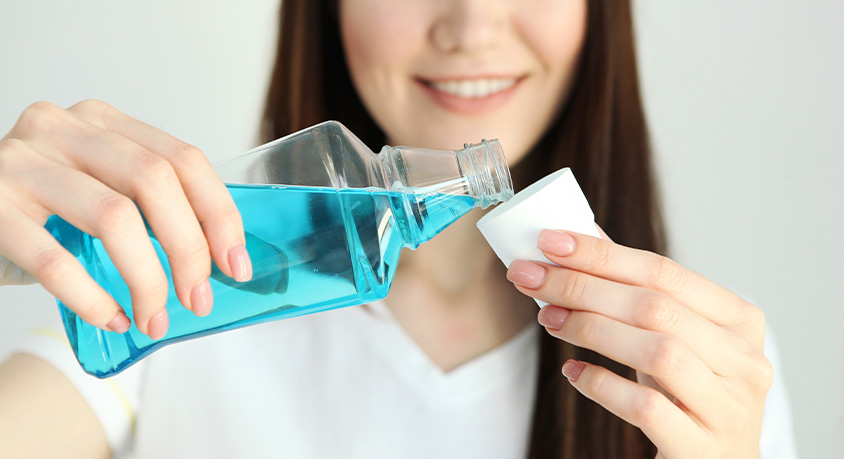
Until you break the habit, use an alcohol-free mouthwash with xylitol before bed. Xylitol reduces bacterial adhesion and stimulates a small amount of saliva. Place a humidifier next to your bed to keep the air moist.
When to See a Doctor or Dentist
If you’ve tried the steps above for four weeks and still wake up with a bone-dry mouth, see an ear-nose-throat specialist. You may have a structural issue: deviated septum, large tonsils, or sleep apnea.
Sleep apnea is particularly serious—mouth breathing is a common compensation for airway collapse. If you also snore loudly, wake up gasping, or feel exhausted during the day, request a sleep study. Treating apnea often resolves mouth breathing automatically with a CPAP machine.
FAQs
Q: Can mouth breathing change the shape of my face or teeth?
A: In children, yes. Chronic mouth breathing during facial development can lead to a longer face, narrowed palate, and crowded teeth. In adults, the effect is minimal on bone structure, but gum recession and tooth wear continue. If your child mouth breathes, see a dentist or orthodontist early.
Q: Is it safe to use a mouthwash specifically for dry mouth every night?
A: Yes, but choose wisely. Avoid alcohol-based mouthwashes—they dry further. Look for products containing xylitol, carboxymethylcellulose, or hydroxyethyl cellulose. These mimic saliva’s moisture-retaining properties. Use just before sleep, after brushing.
Q: Does sleeping with a humidifier completely solve mouth breathing?
A: No. A humidifier adds moisture to the air, which reduces evaporation from your oral tissues. It helps symptoms but does not stop the habit of mouth breathing. You still need to address nasal airflow and tongue posture. Think of a humidifier as damage control, not a cure.